
There are watch brands that everyone knows, brands that everyone is talking about, and then there are the ones quietly building something rather special in the background. The latter is where things get interesting.
The watch industry has changed considerably over the last few years. Collectors are becoming increasingly interested in independent brands, smaller manufacturers and companies doing things a little differently. Heritage still matters, of course, but increasingly it is being combined with original design, serious finishing, clever engineering and, crucially, a reason for existing beyond simply putting another logo on a dial.
So, with that in mind, we have picked ten brands that we think could make a serious impact in 2027. Some are already well established. Others are still relatively under the radar. A couple might even have you asking, "Who?" That is rather the point. Here are ten brands we think are ready to explode…
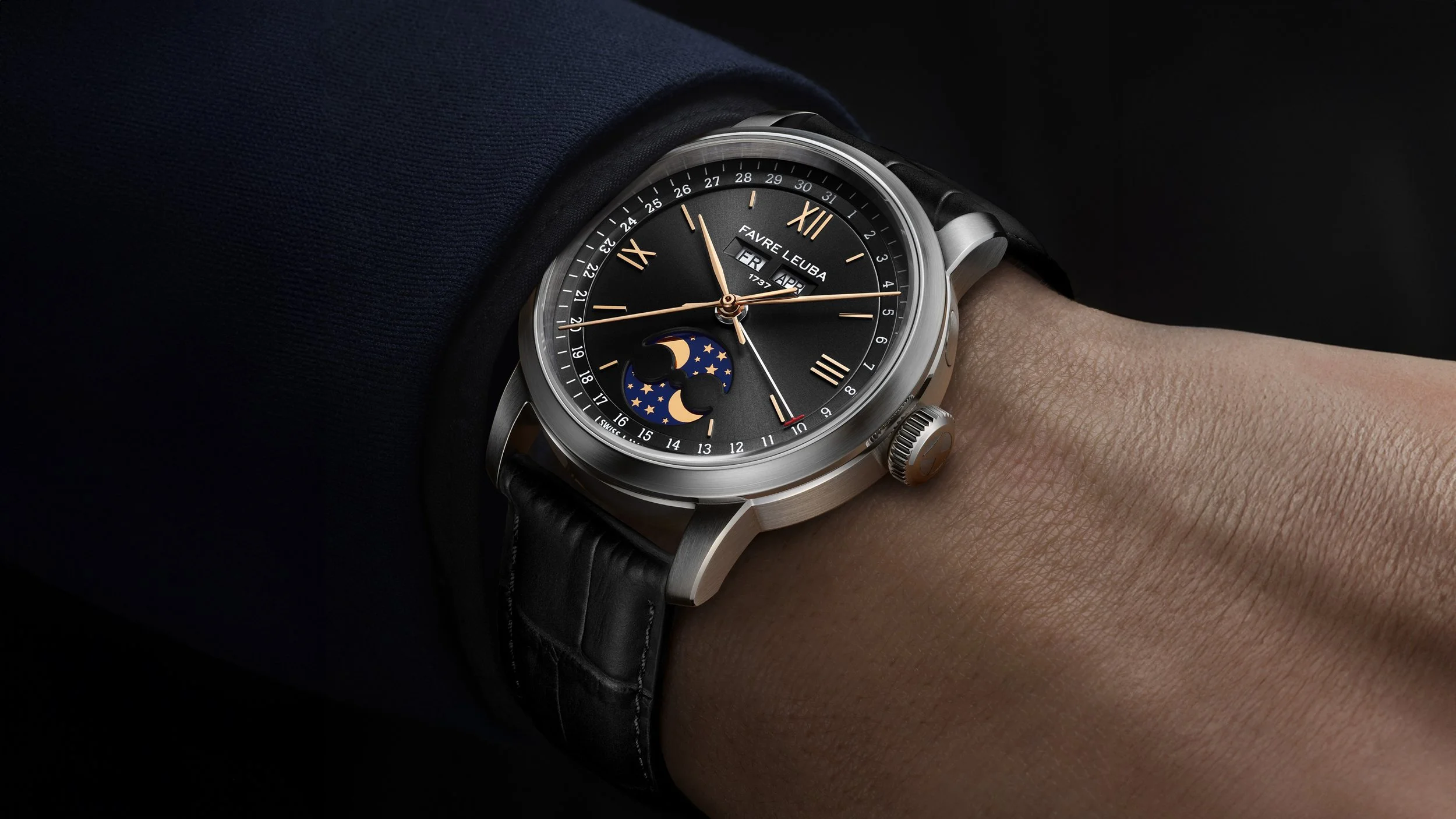
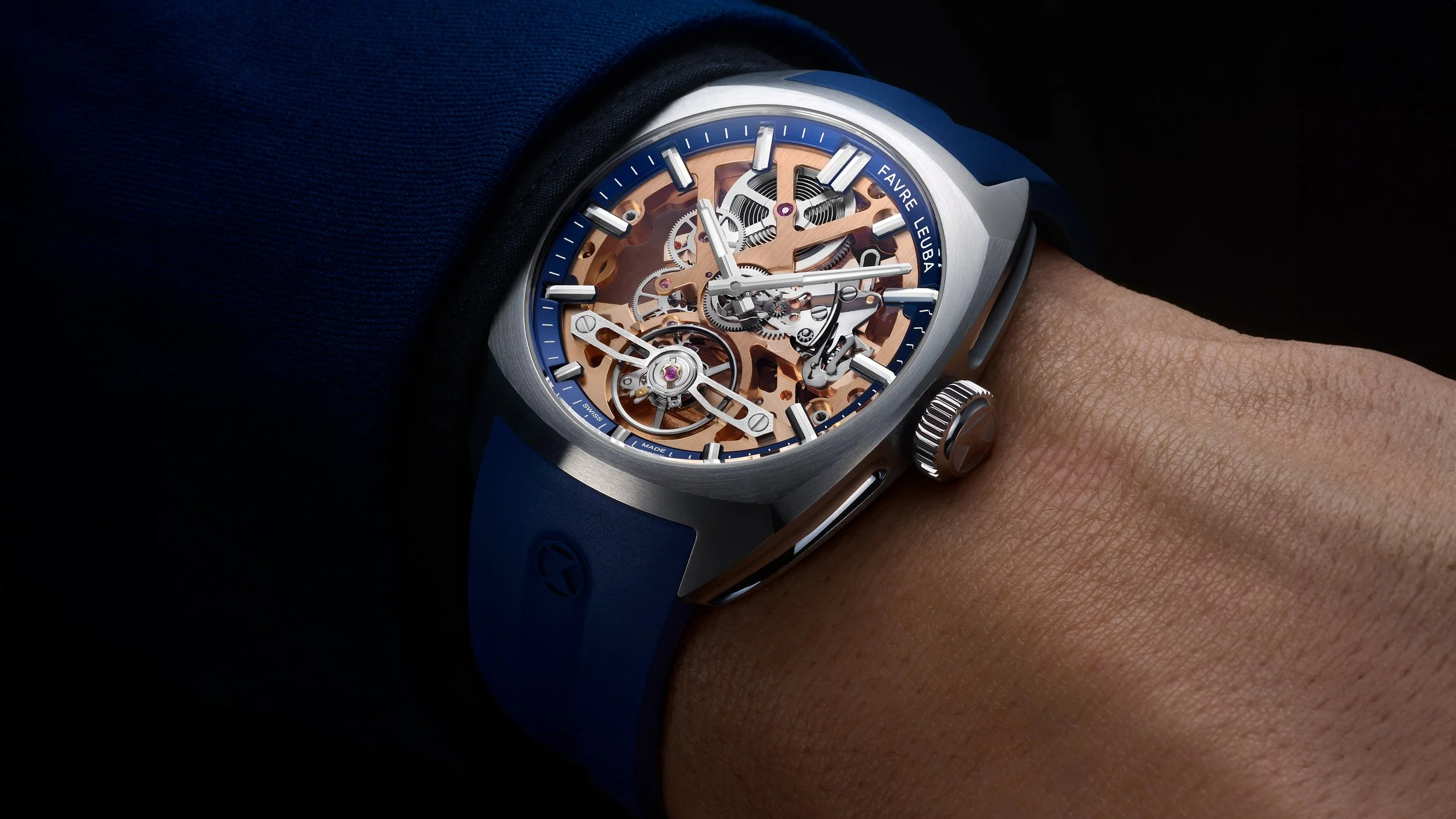
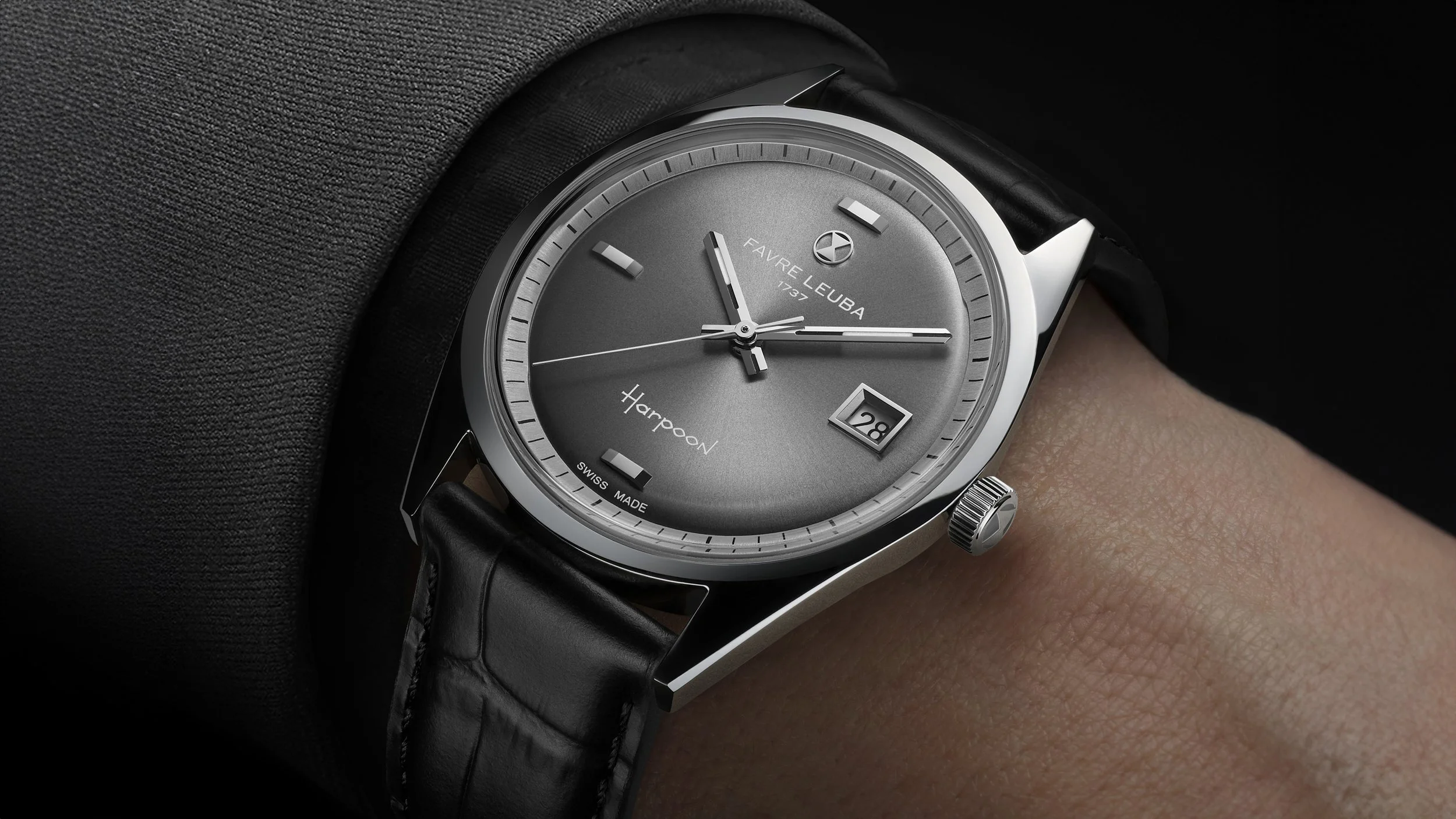
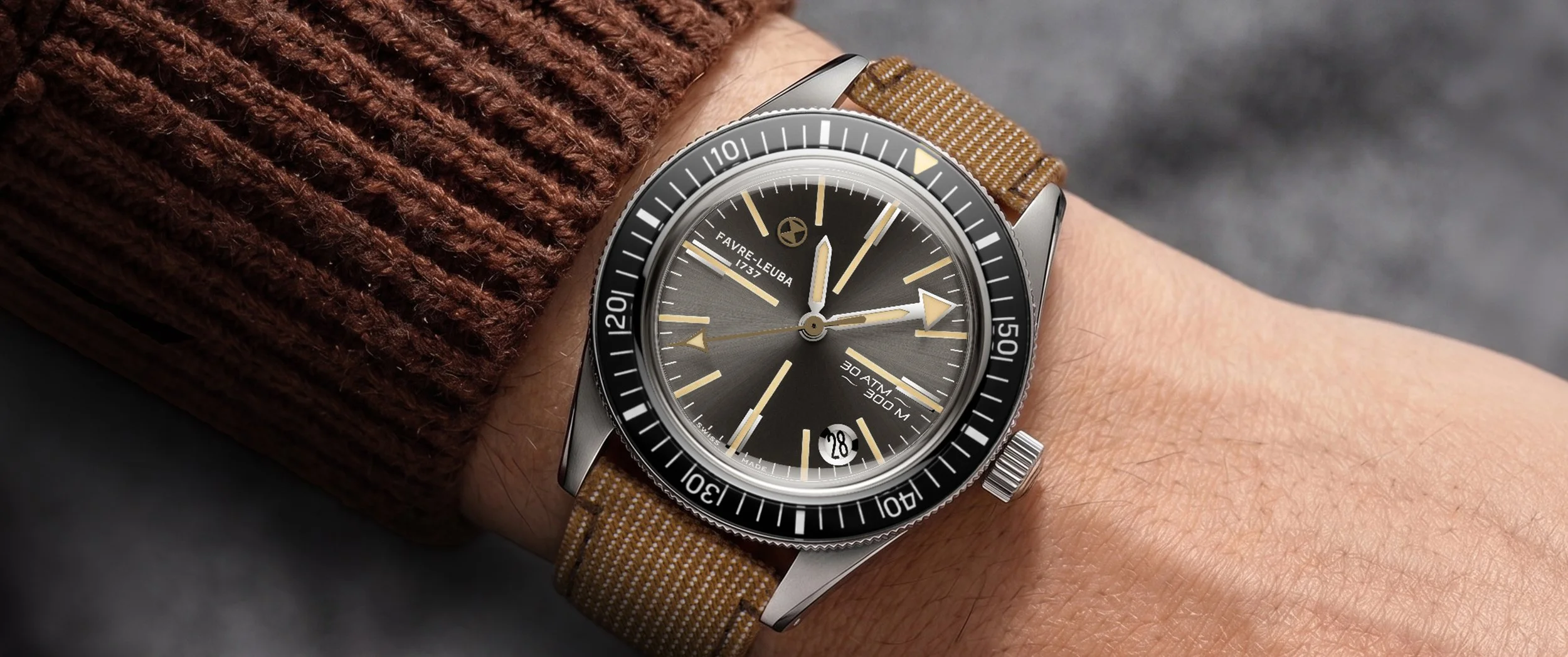
There is something particularly satisfying about seeing an old watch name get a proper second act, and Favre Leuba is a great example.
The brand has genuine Swiss heritage behind it, but its modern incarnation feels far removed from simply attempting to recreate the past. Instead, Favre Leuba has taken its history and used it as a foundation for some genuinely interesting contemporary watches.
The designs have plenty of personality, the finishing is impressive and there is a real sense that the brand knows what it wants to be. It sits in that increasingly interesting space between traditional Swiss watchmaking and modern independent design.
The combination of heritage, revitalisation and distinctive watches gives Favre Leuba plenty to work with. If it continues along its current path, 2027 could be the year considerably more collectors start paying attention.
Yes, the name is unusual. Very unusual.
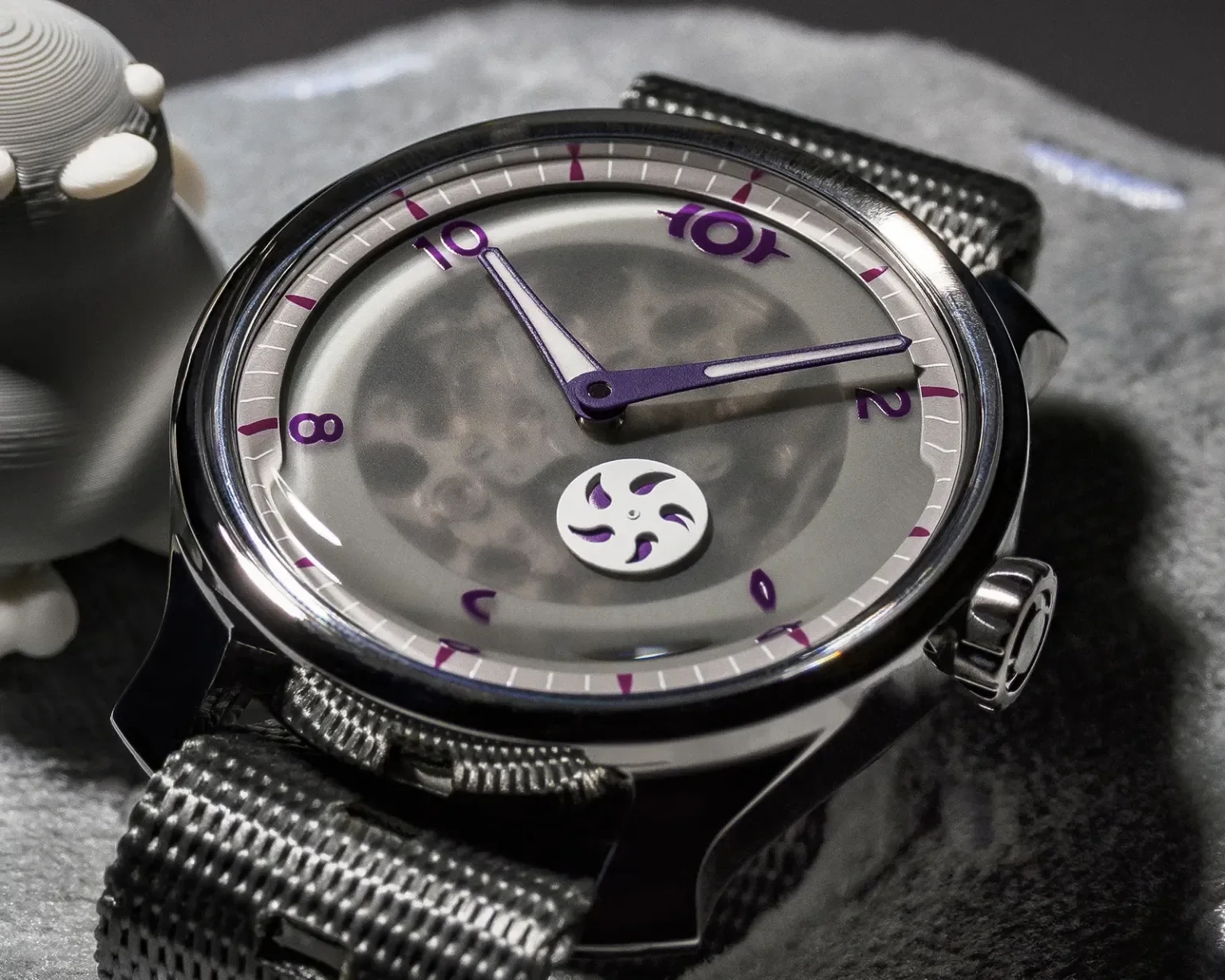
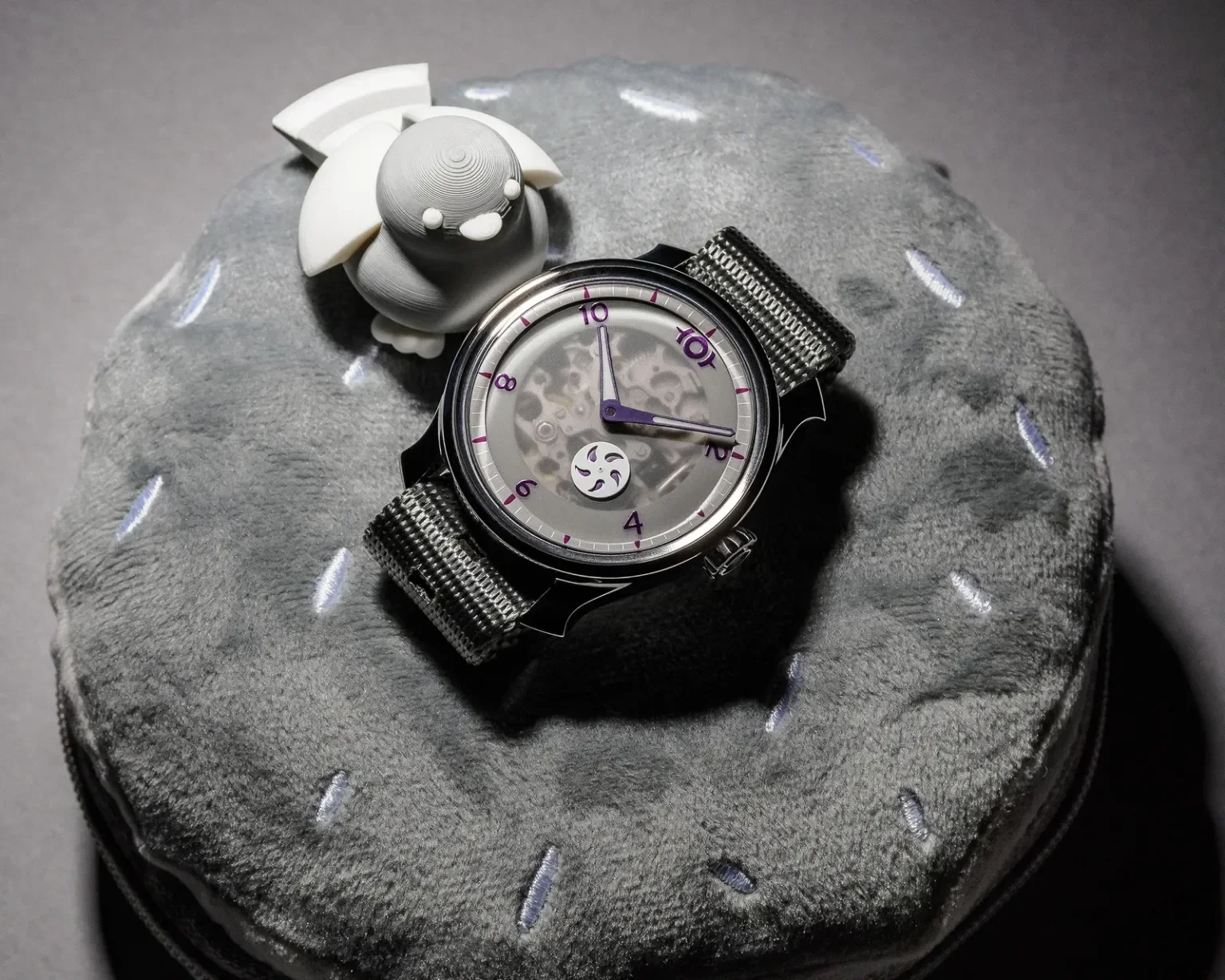
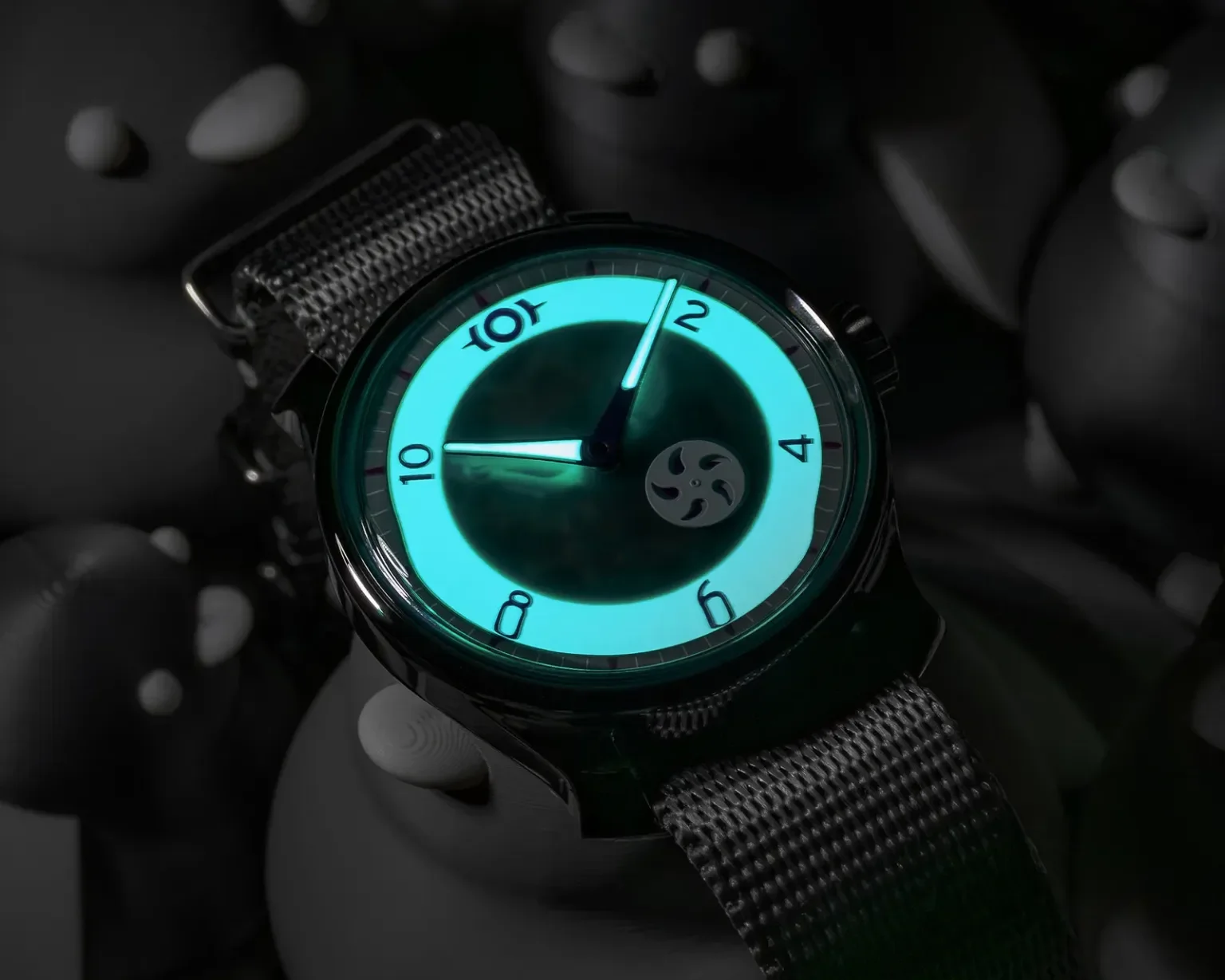
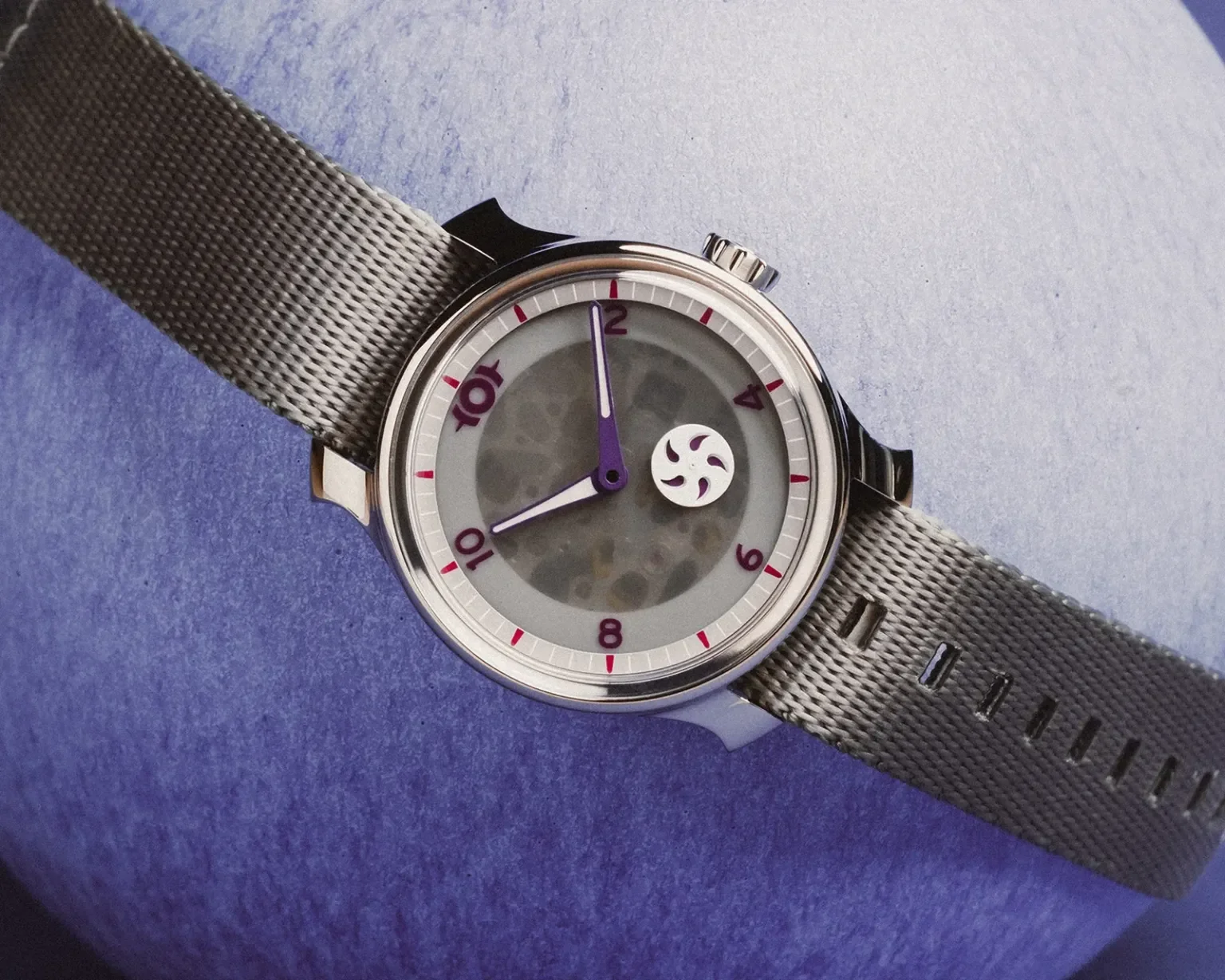
The Donut Watch Company is effectively the baby sister of MING, but rather than simply producing more affordable versions of its sibling's watches, it appears to be taking a different approach.
That is exactly why we are interested.
The brand has the opportunity to reach a different demographic while retaining the creative DNA that has made MING so interesting. There is innovation, strong visual thinking and a willingness to move away from conventional watchmaking formulas.
And let's be honest, the name is memorable.
In a crowded industry where countless brands blur into one another, having a clear identity is enormously valuable. If The Donut Watch Company can combine that identity with genuinely innovative watches at an accessible level, we can see it attracting a whole new generation of collectors.
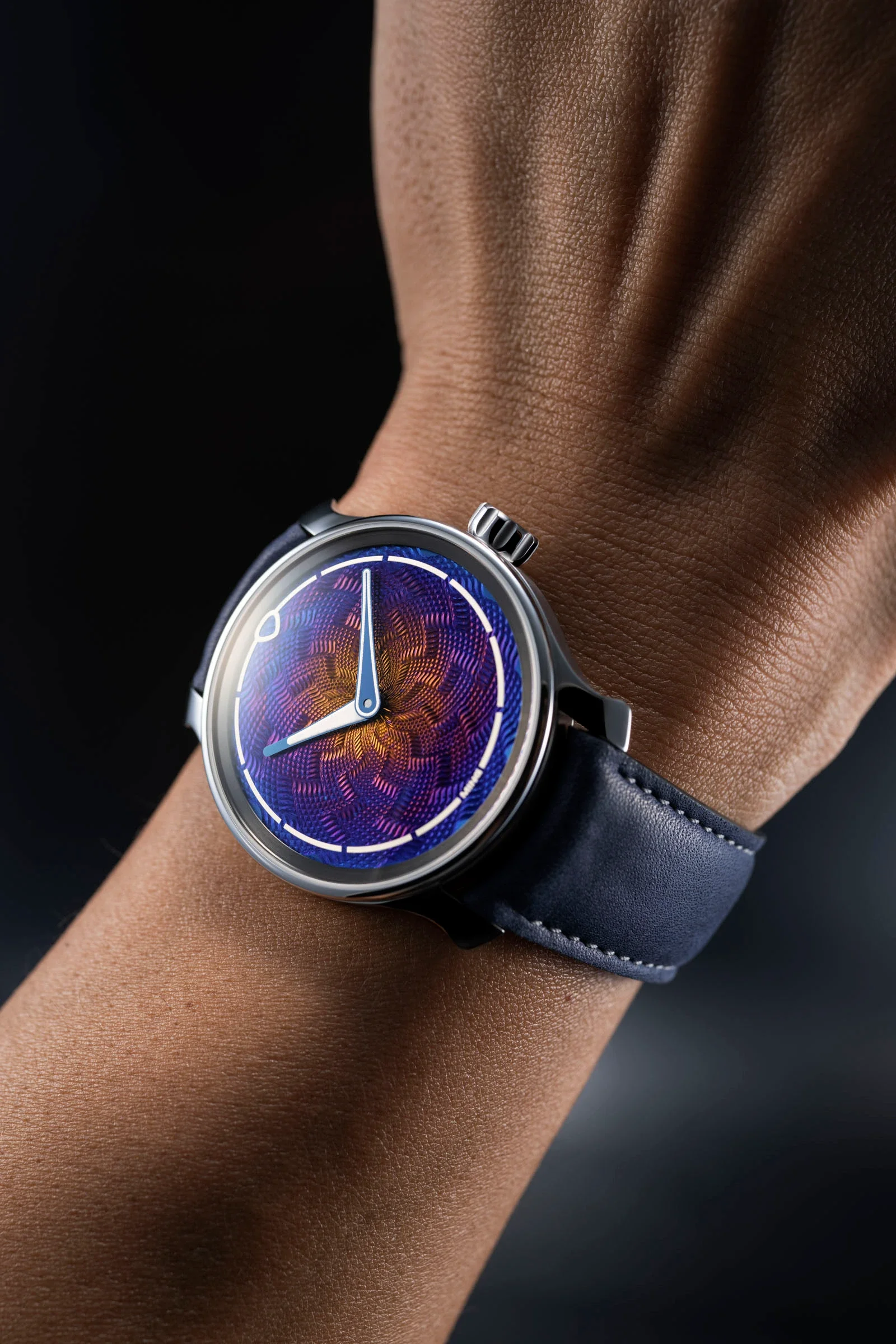
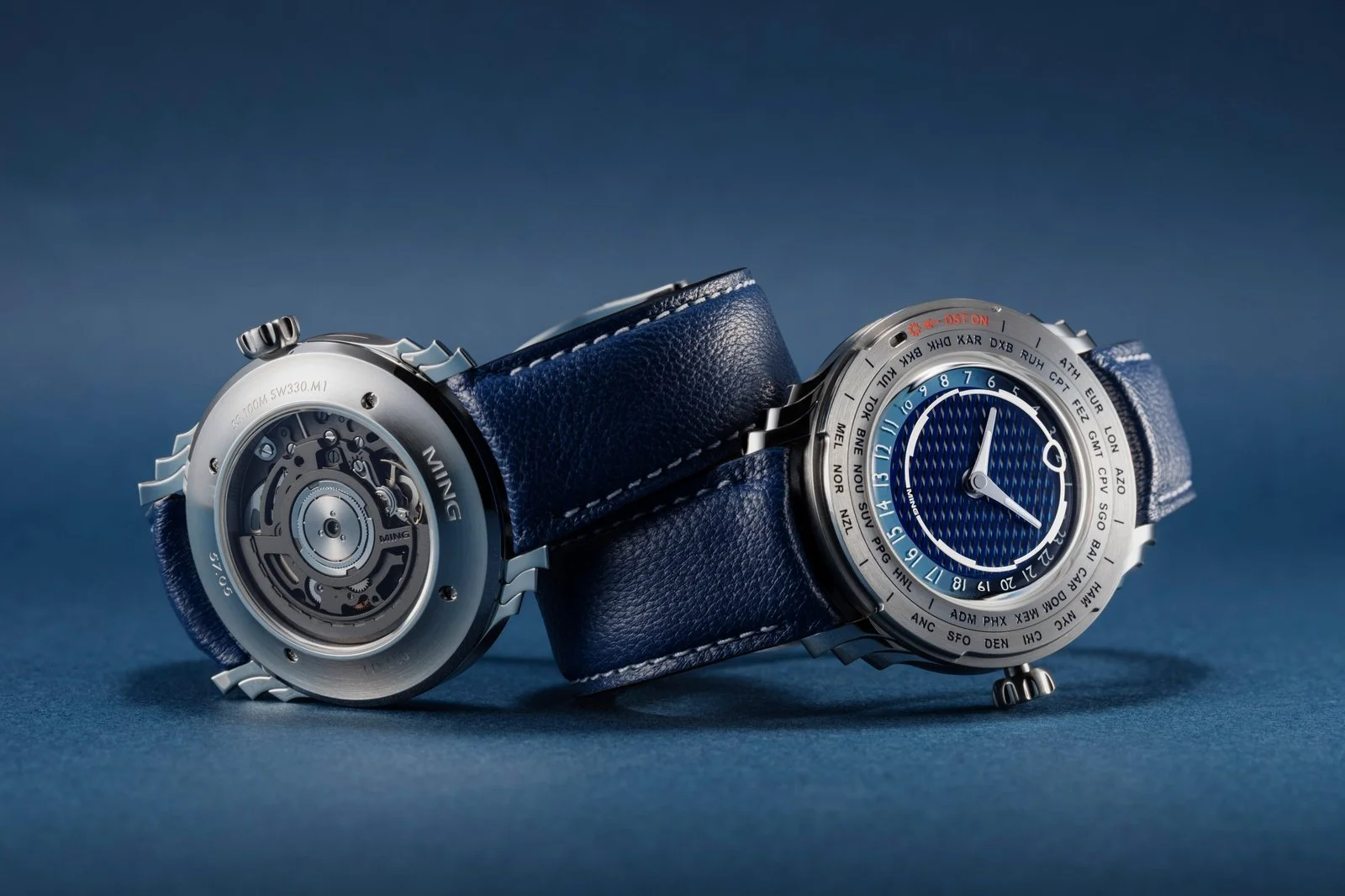
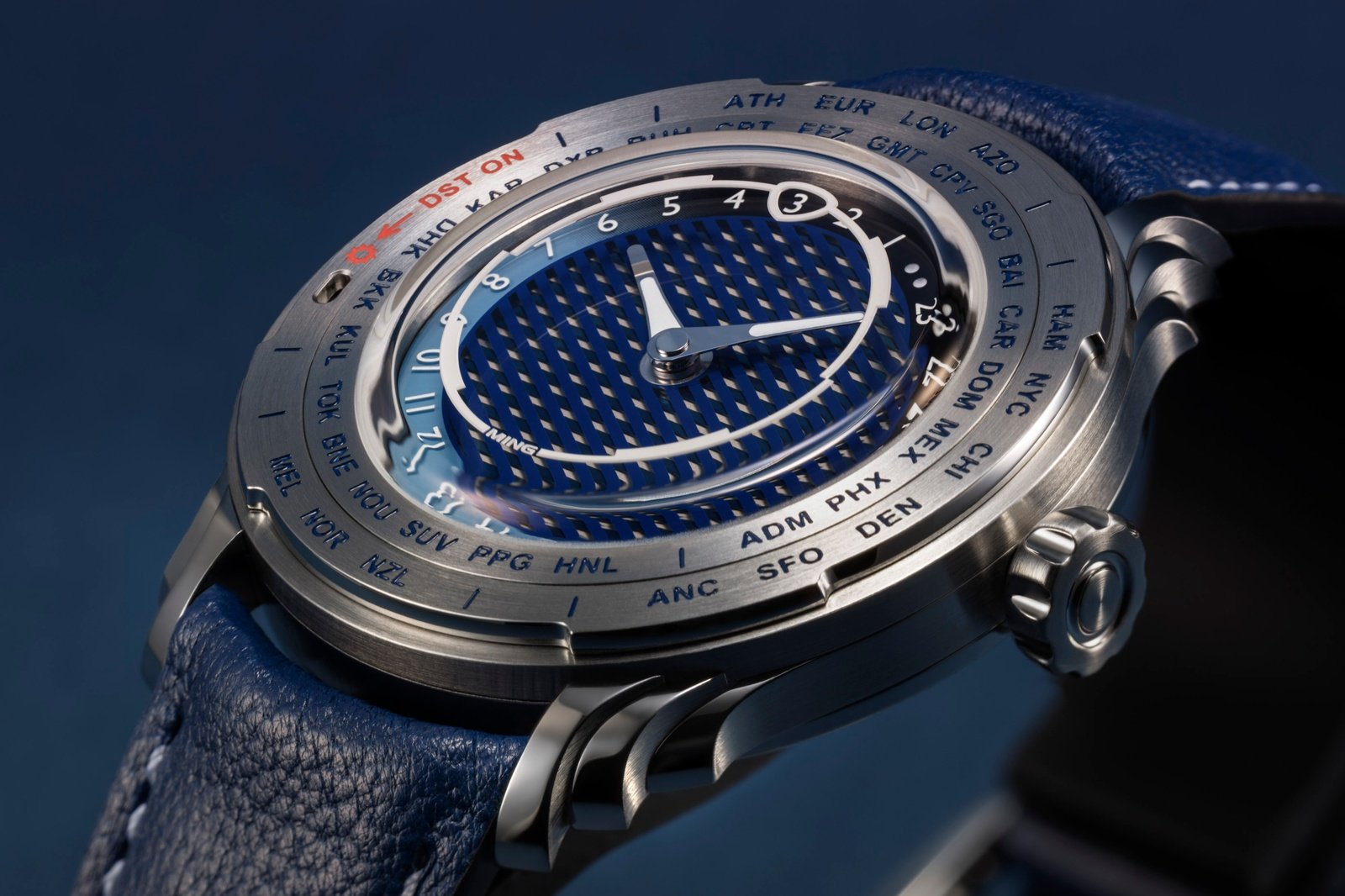

MING hardly needs an introduction anymore, but we still think the brand has plenty of room to grow.
Few modern independent watch brands have created such a recognisable design language in such a relatively short period of time. MING watches can often be identified from across a room, and that is no small achievement.
The designs are consistently adventurous, the construction and finishing are seriously impressive, and the brand has built considerable equity with collectors who appreciate independent watchmaking.
Perhaps most importantly, MING doesn't seem particularly interested in following the crowd.
That combination of design, innovation and build quality gives it a strong platform for further growth. As collectors increasingly look beyond the traditional luxury names, MING is exactly the sort of brand that stands to benefit.
We suspect 2027 could see MING move even further into the consciousness of the wider watch collecting world.
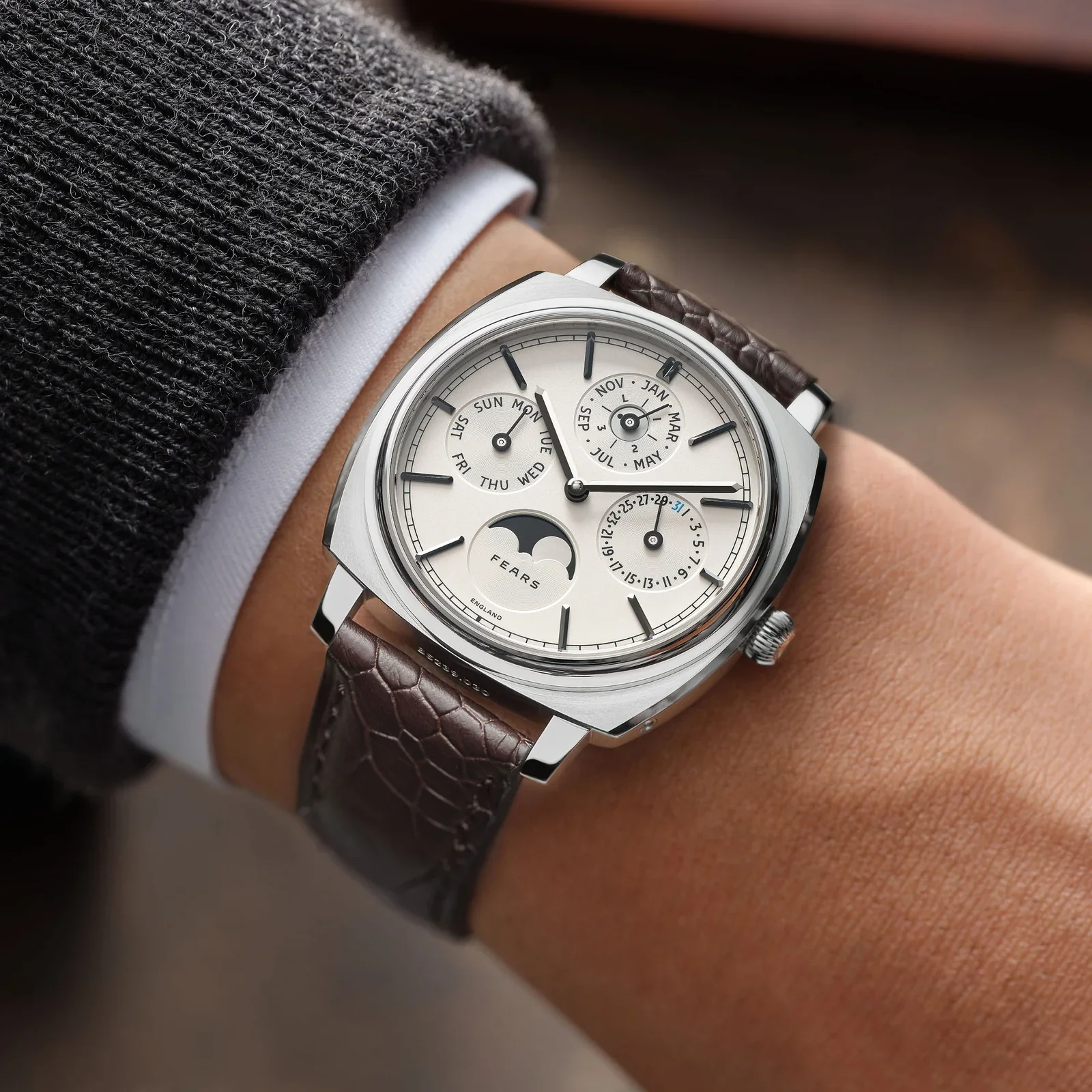
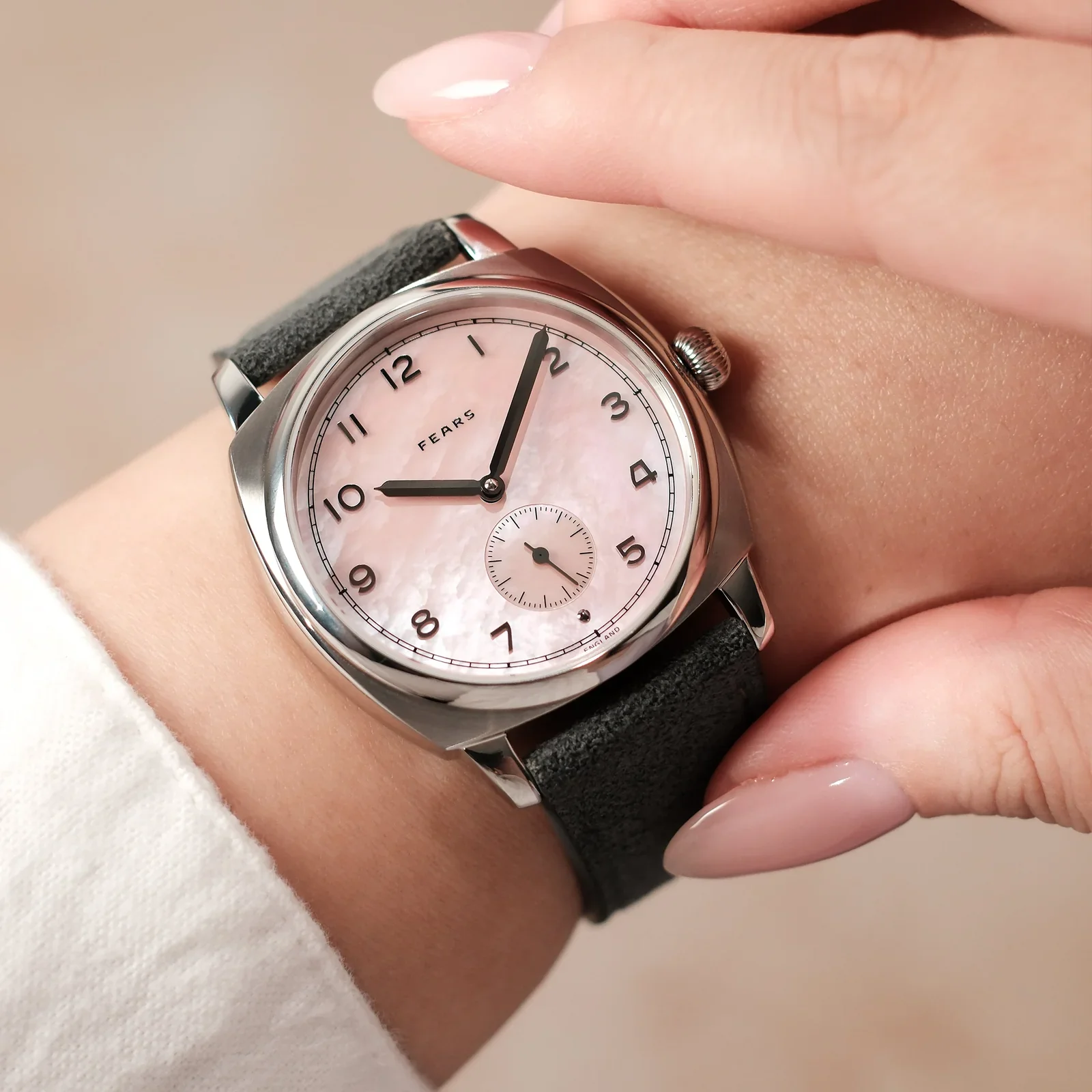
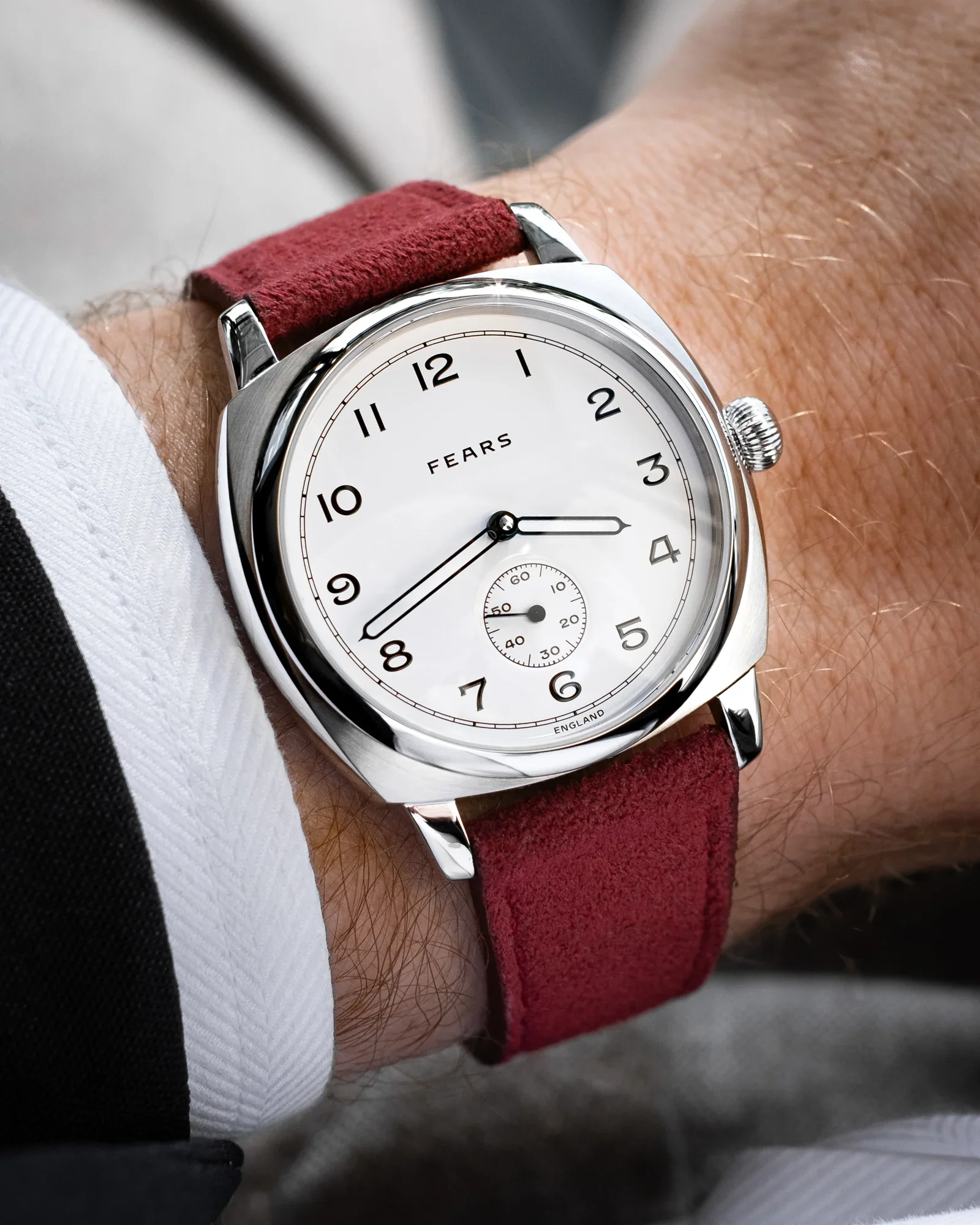
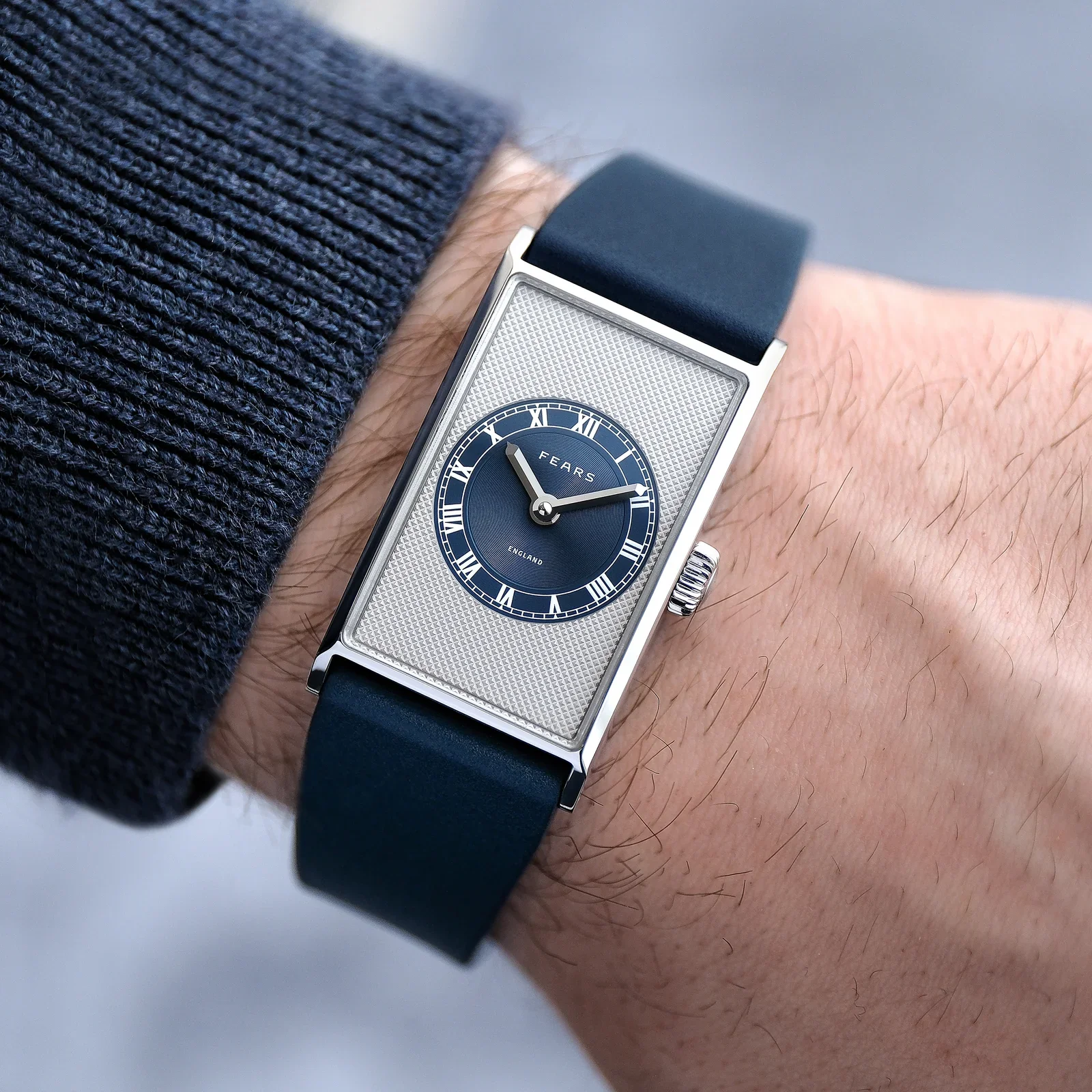
Fears is one of those brands that feels like it has been quietly levelling up while everyone else was looking elsewhere.
The British brand has already established a reputation for beautifully considered watches, excellent finishing and a particularly refined design language. But what really interests us is where Fears goes next.
The move towards more complicated and higher horology pieces, including perpetual calendars, gives the brand an opportunity to demonstrate that it is capable of playing in a considerably more serious part of the market.
And unlike some brands attempting to make that jump, Fears already has the brand identity and collector goodwill to support it.
There is also something wonderfully British about the whole proposition. Understated, elegant and increasingly ambitious without feeling like it is trying too hard.
If Fears continues moving upmarket while retaining what makes the brand special, we think 2027 could be a significant year.
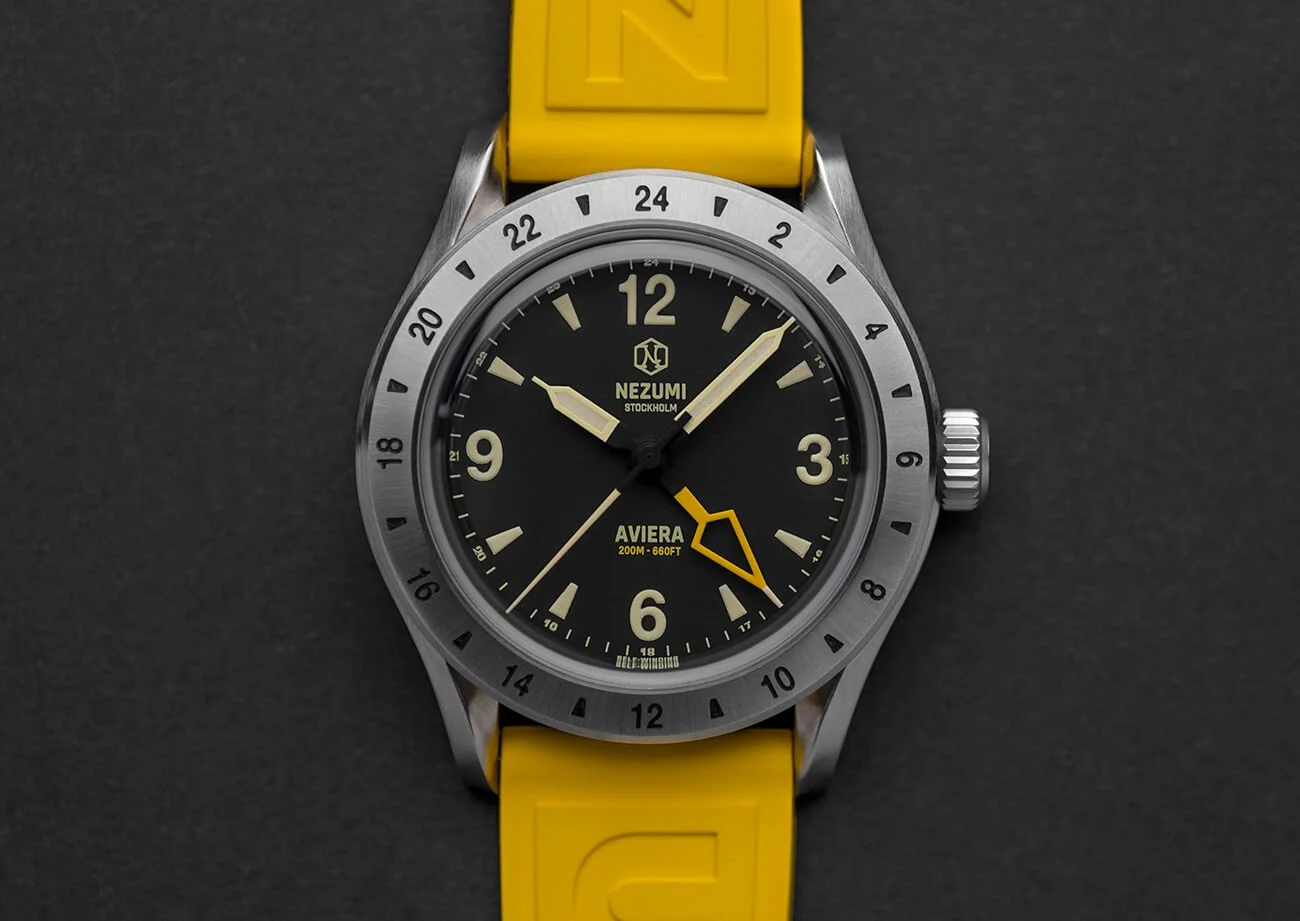
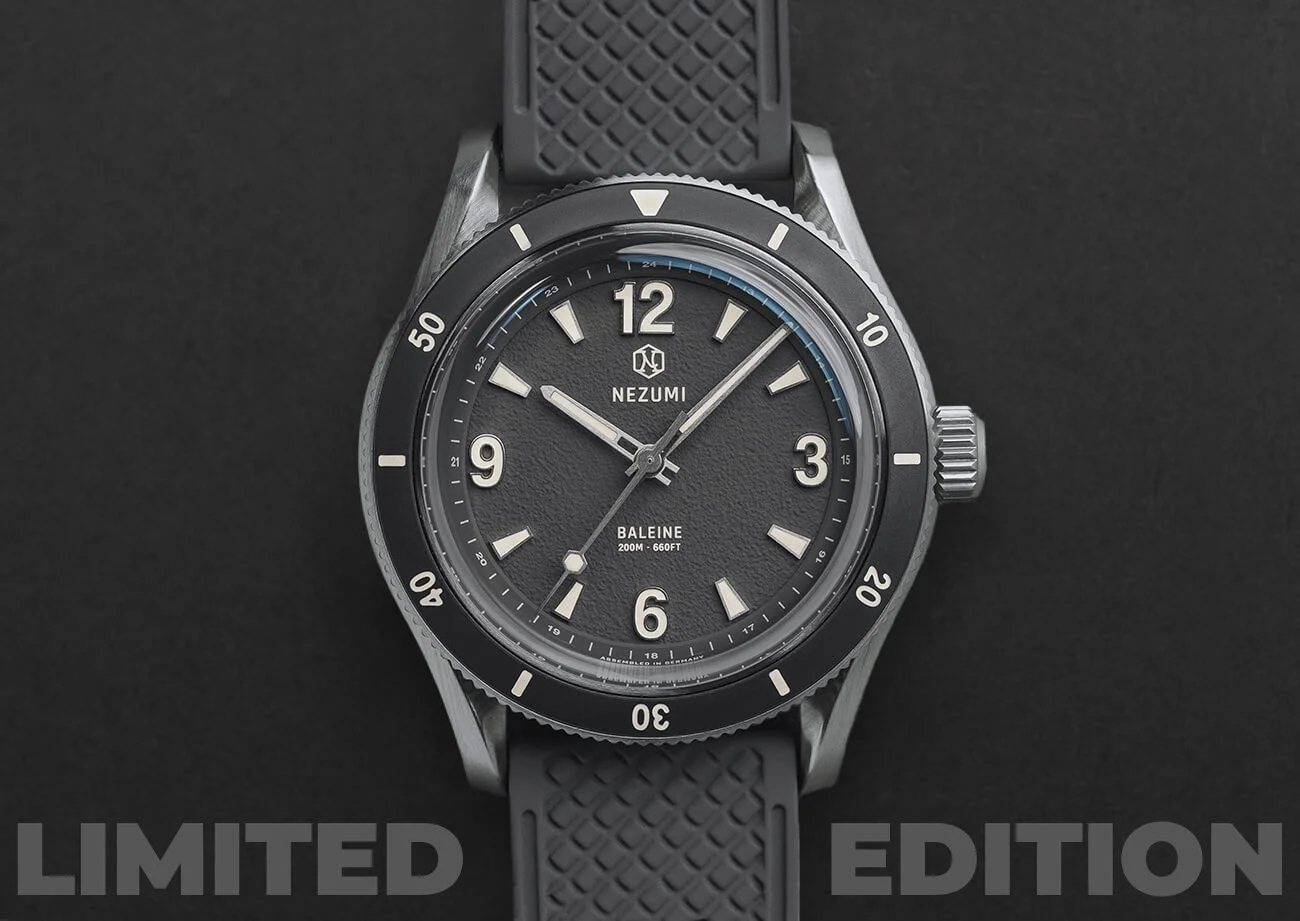
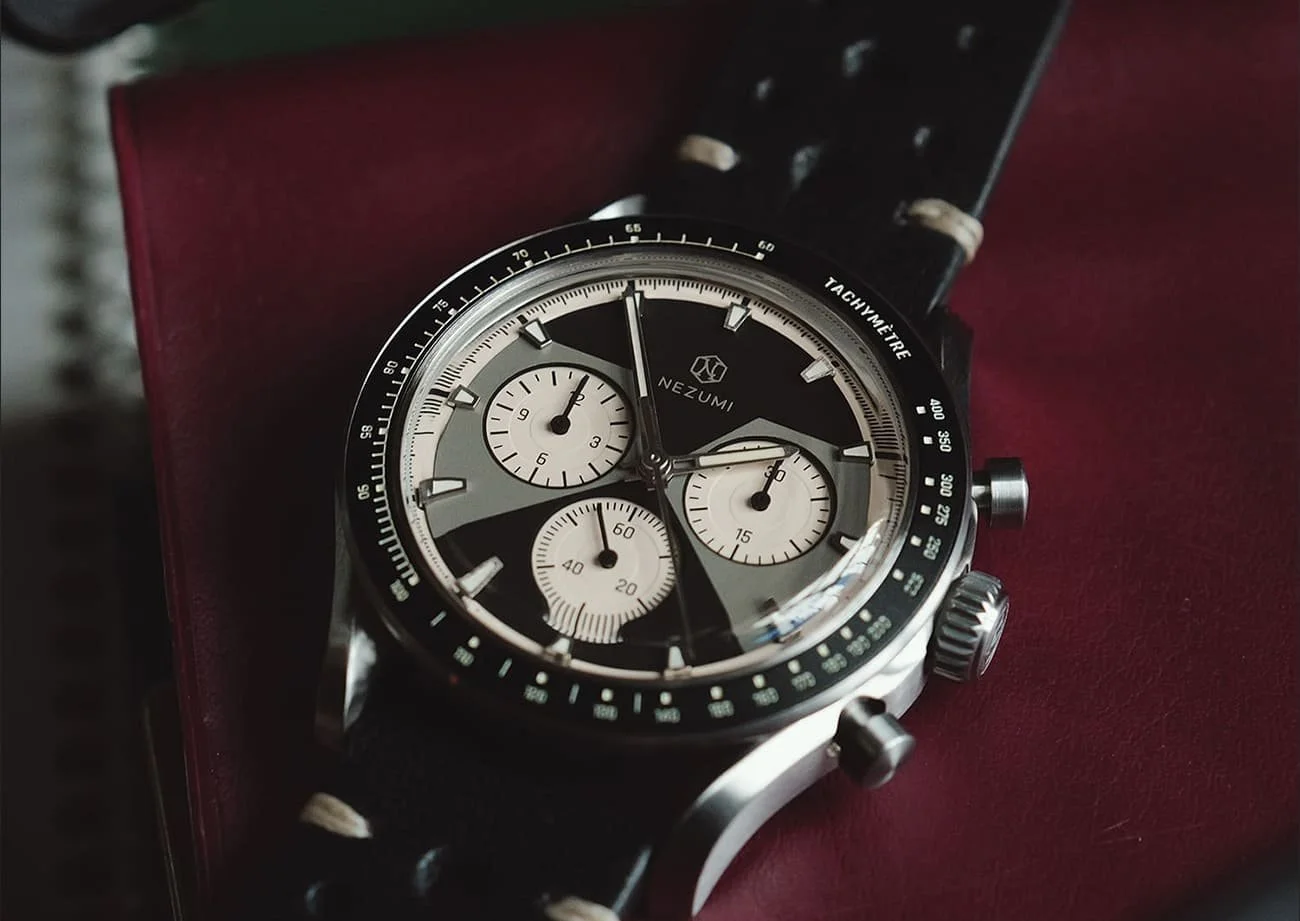
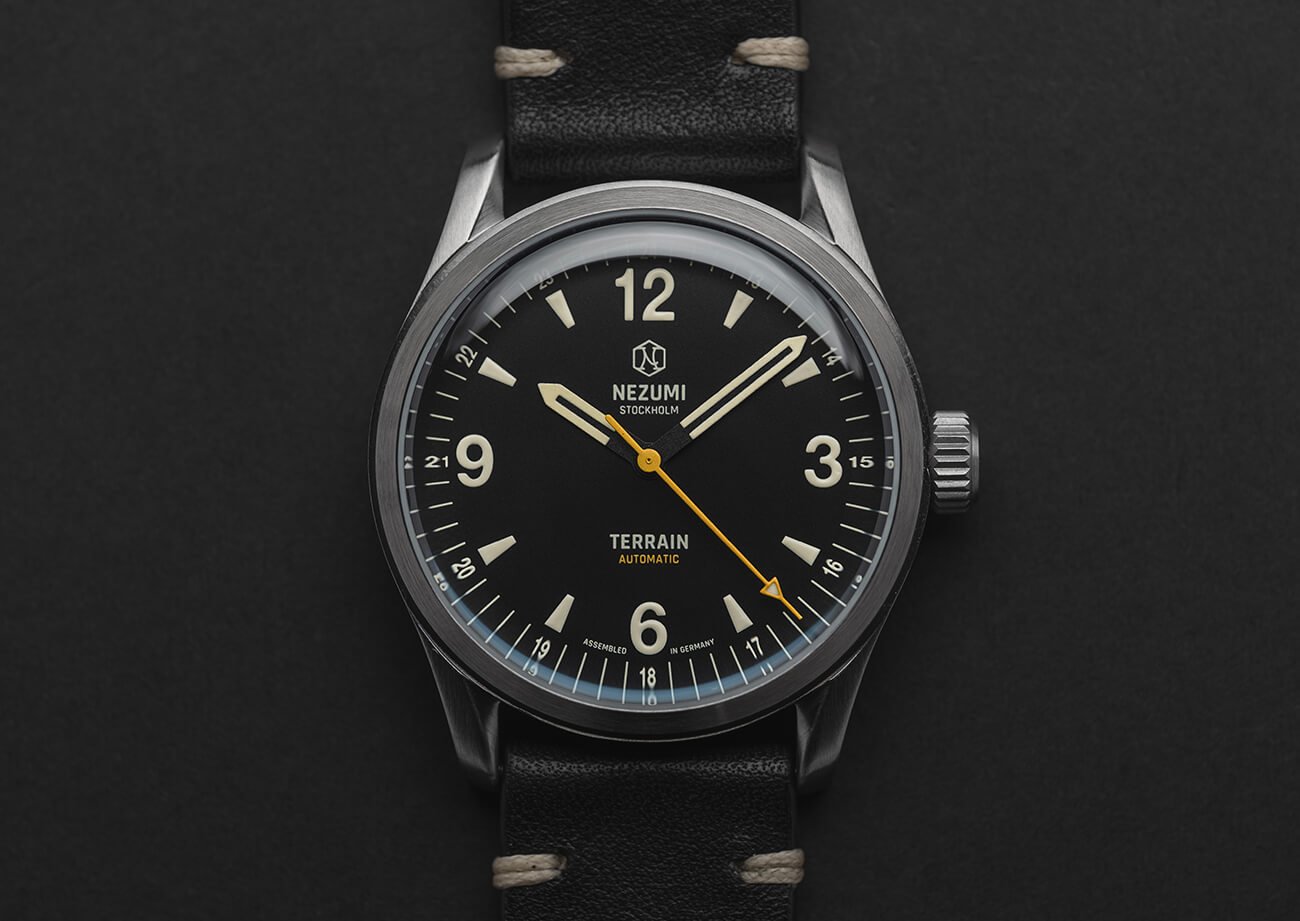
Nezumi is exactly the sort of brand we love seeing in the watch industry. Swedish design, assembled in Germany, no Swiss badges, just proper, honest tool watches that pack a punch!
It is a proper microbrand with a genuine design language of its own. That sounds like an obvious thing to say, but spend five minutes looking around the microbrand market and you quickly realise how difficult that actually is.
Nezumi has managed to establish a visual identity that feels cohesive and recognisable without simply borrowing heavily from the usual suspects.
The watches are well built, thoughtfully designed and, perhaps most importantly, remain attractively priced.
That makes Nezumi particularly interesting in a market where prices have climbed significantly. Collectors are increasingly looking for watches that offer genuine personality without demanding a small mortgage. Nezumi has that balance nailed.
We think wider recognition could follow, particularly as more collectors discover that you don't necessarily need a four figure budget to get something interesting on your wrist.
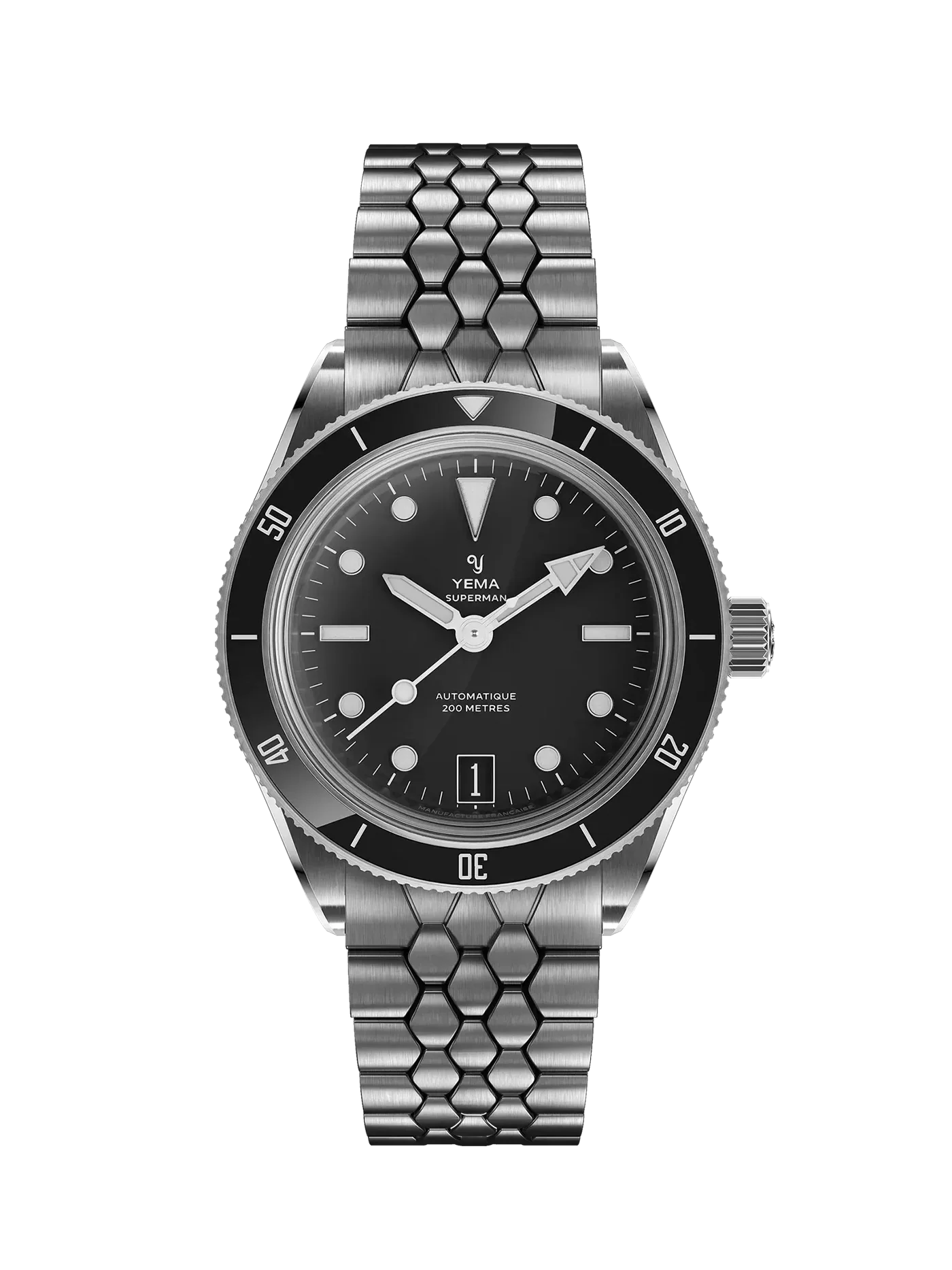
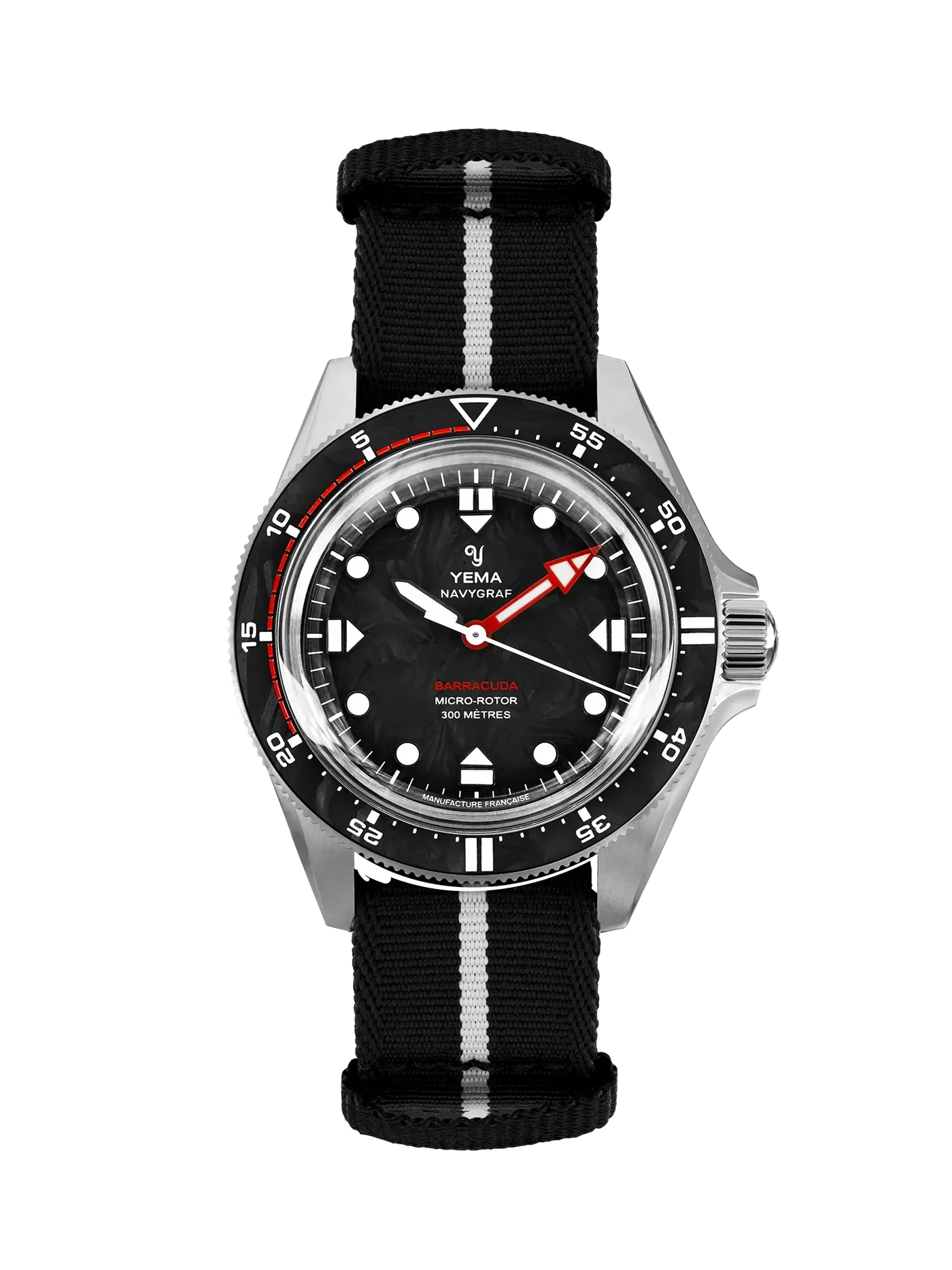
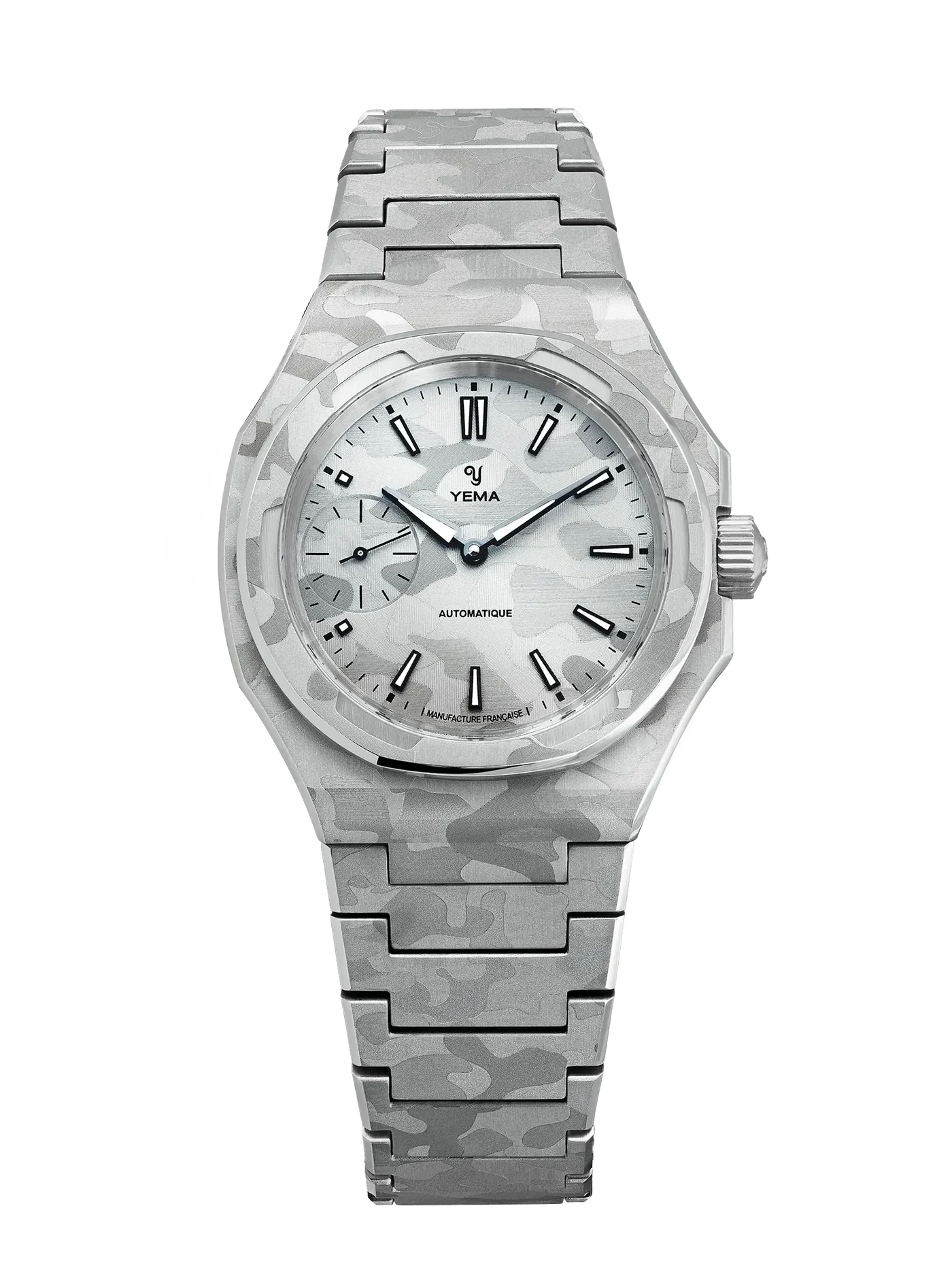
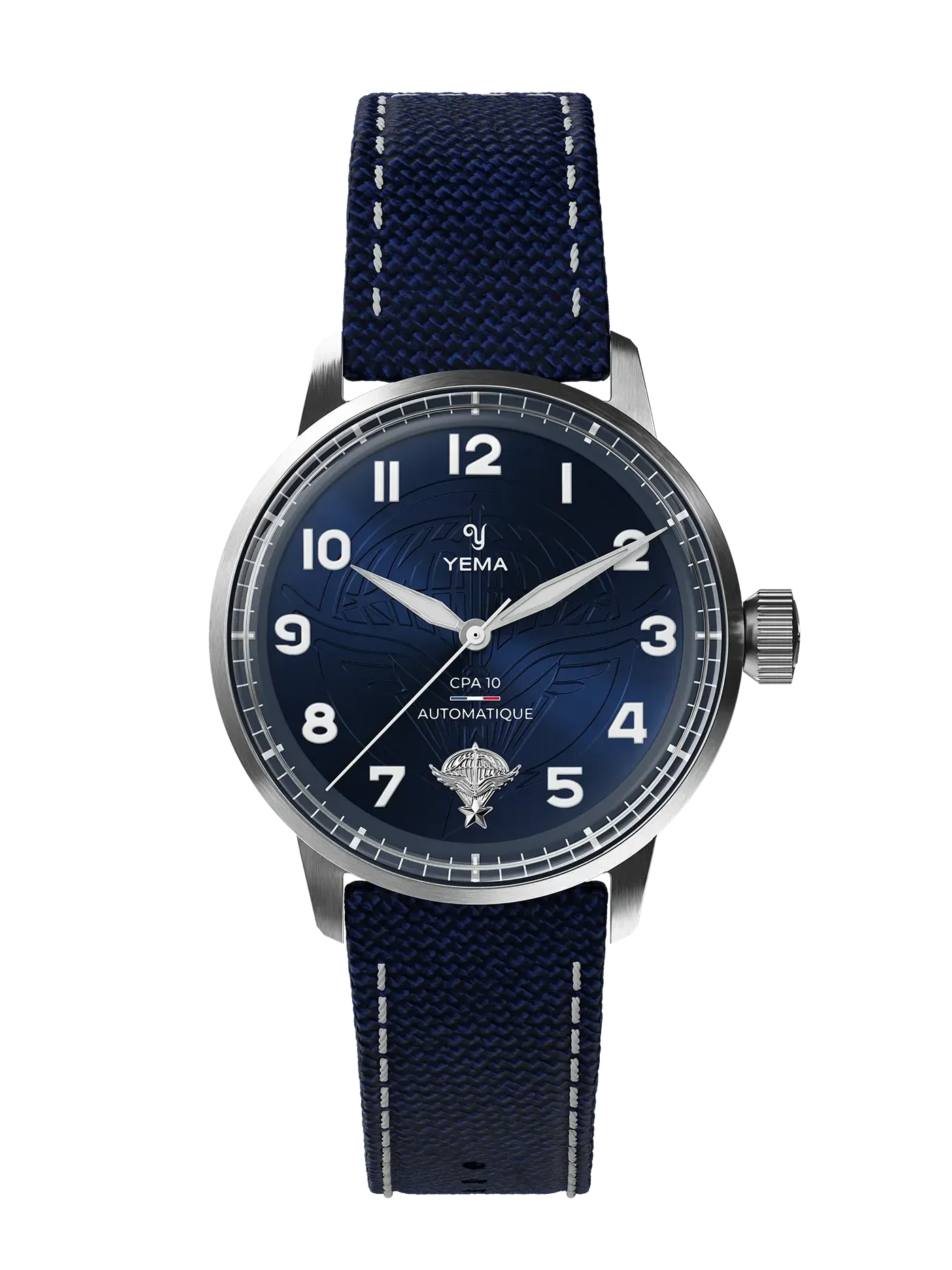
France has produced some fantastic watch brands, but we think Yema is on its way to becoming one of the country's leading names.
There is a lot going for the brand. The designs are distinctive, the pricing remains relatively accessible and the bracelets in particular are excellent.
Yema also has something that is increasingly important in today's market: watches that look like Yema watches.
There is a recognisable design identity running through the collection, while the brand has enough historical material to give the whole thing some substance.
It also occupies an appealing position between affordable and premium watchmaking. You don't necessarily need to be a hardcore collector to appreciate what Yema is doing, but there is enough detail and character to keep more experienced enthusiasts interested.
With French watchmaking attracting increasing attention, Yema could be perfectly positioned to capitalise.
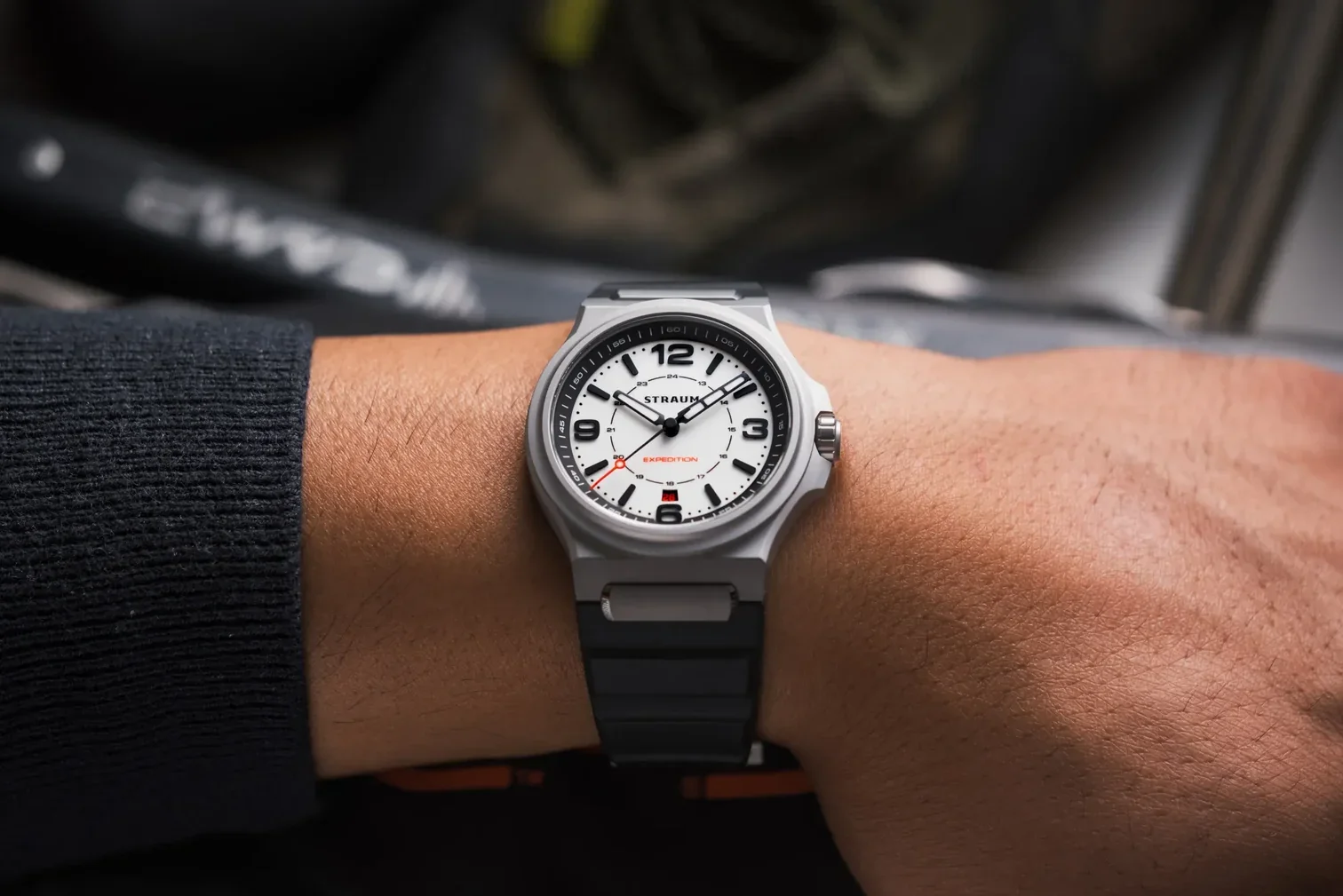
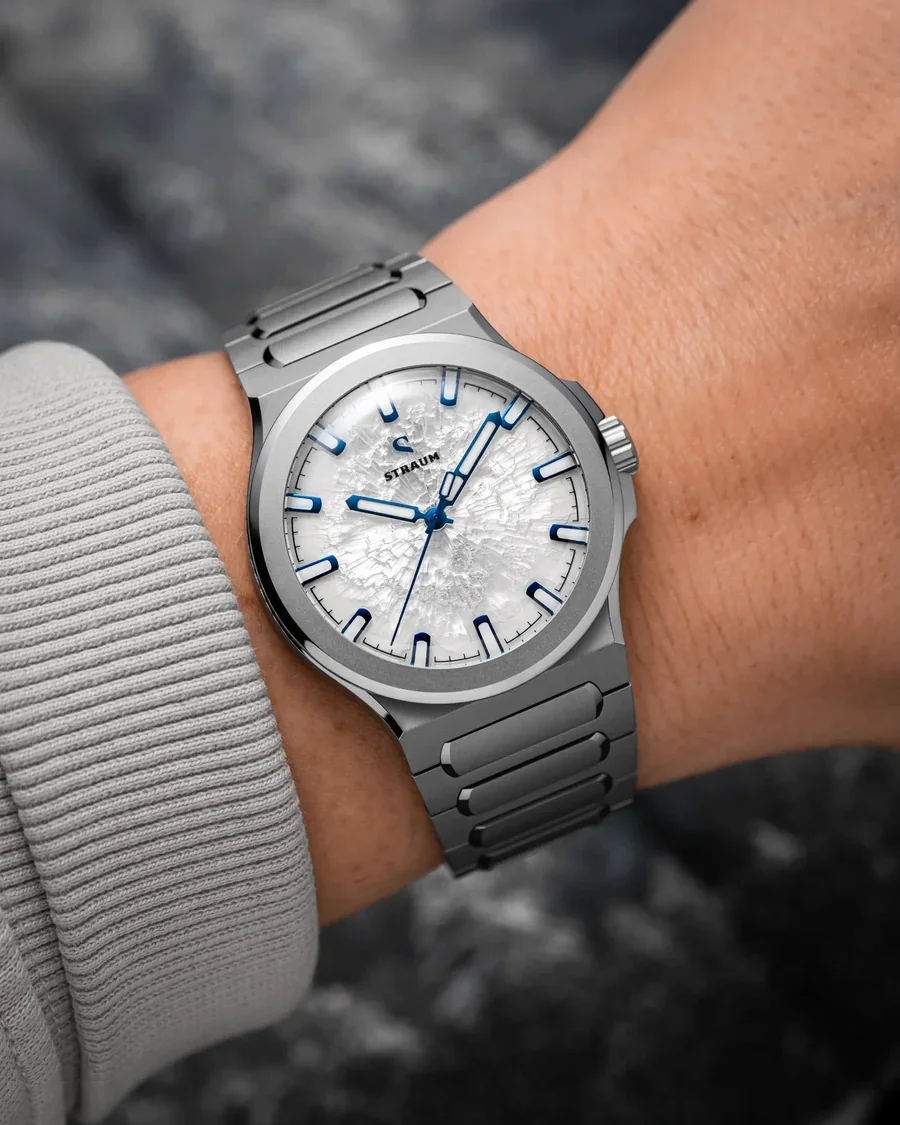
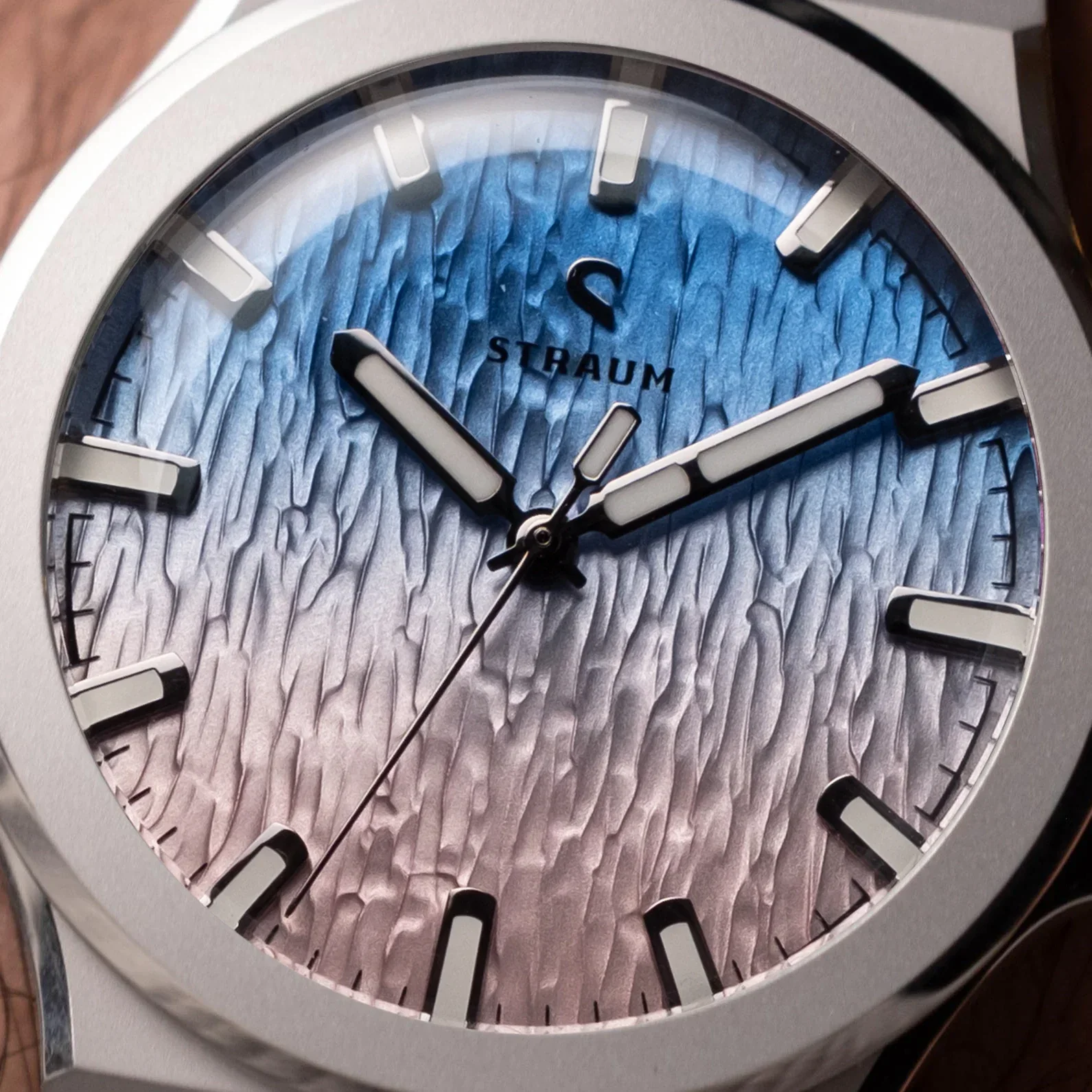
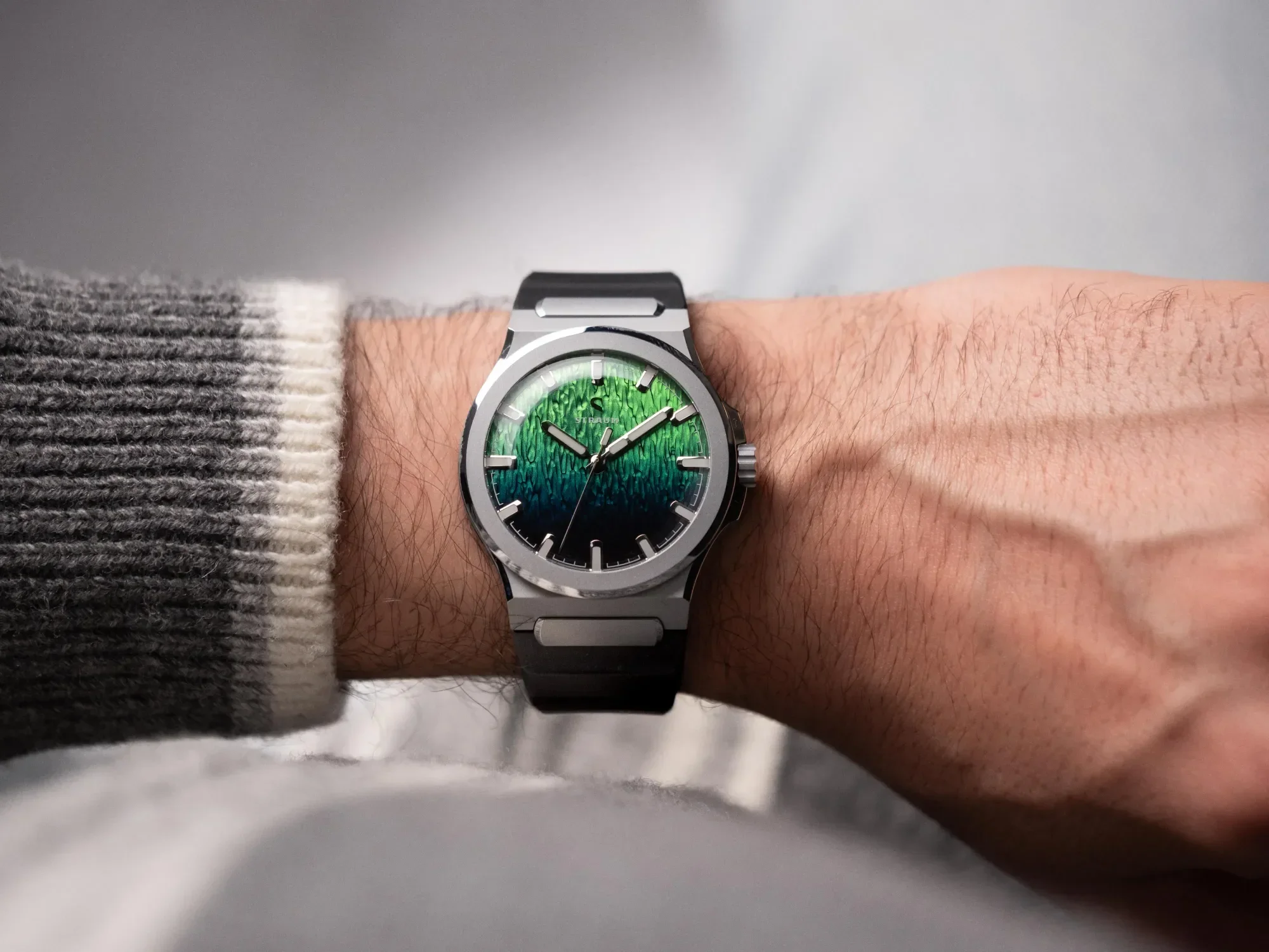
Straum is one of those brands that makes you stop scrolling.
The Norwegian independent has created watches with genuinely distinctive designs, and that alone puts it on our radar. There is a strong connection to Scandinavian design, but the watches don't simply fall into the predictable minimalist category.
Instead, Straum has developed something much more expressive.
The dials in particular have a visual quality that gives the watches a real presence, while the overall execution feels considerably more mature than you might expect from a relatively young independent.
There is also a strong sense of brand value. Straum doesn't feel like a company trying to make watches for everyone. And that can be a very good thing. As collectors continue to seek out smaller independent brands with genuinely original ideas, Straum feels exceptionally well positioned.
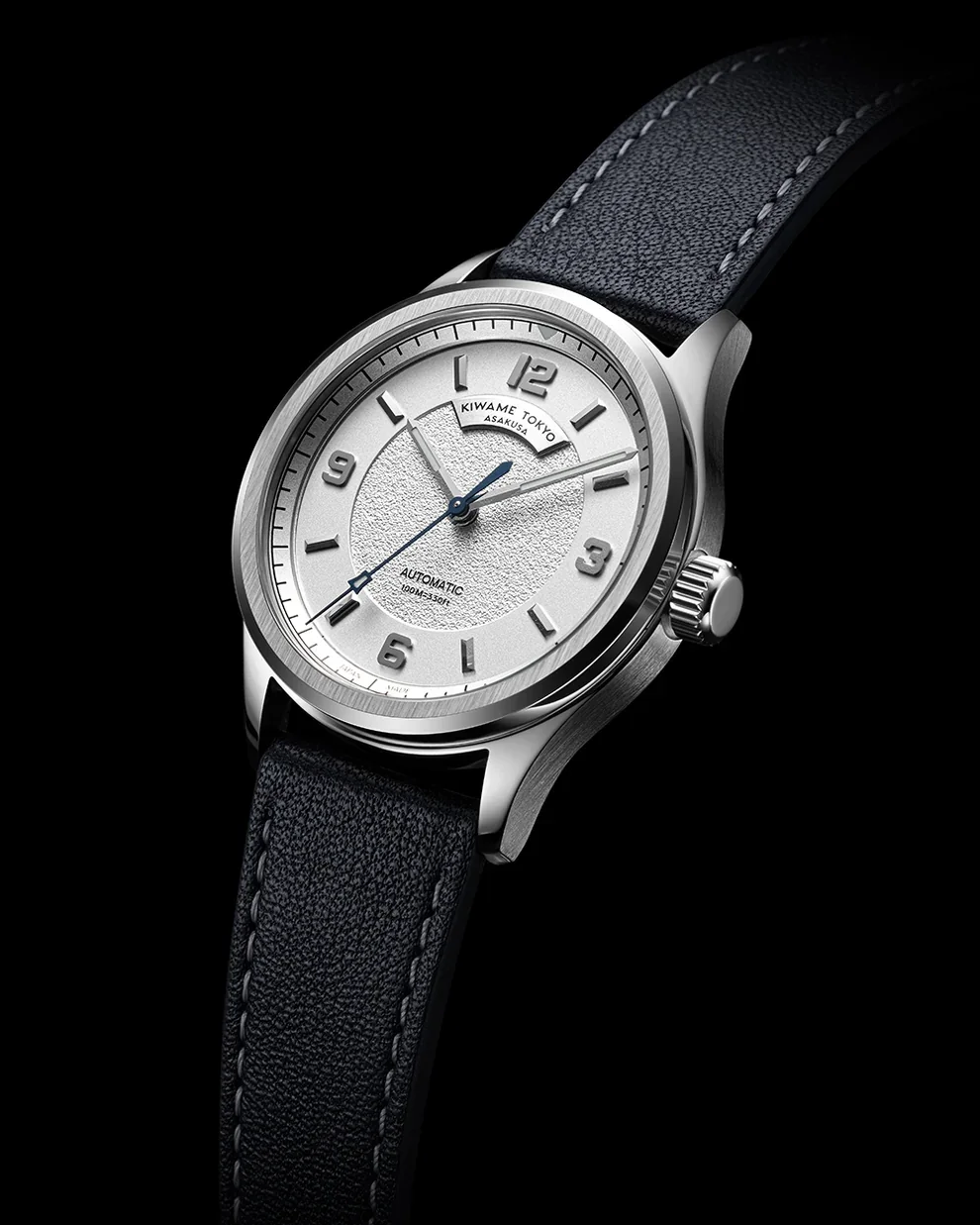
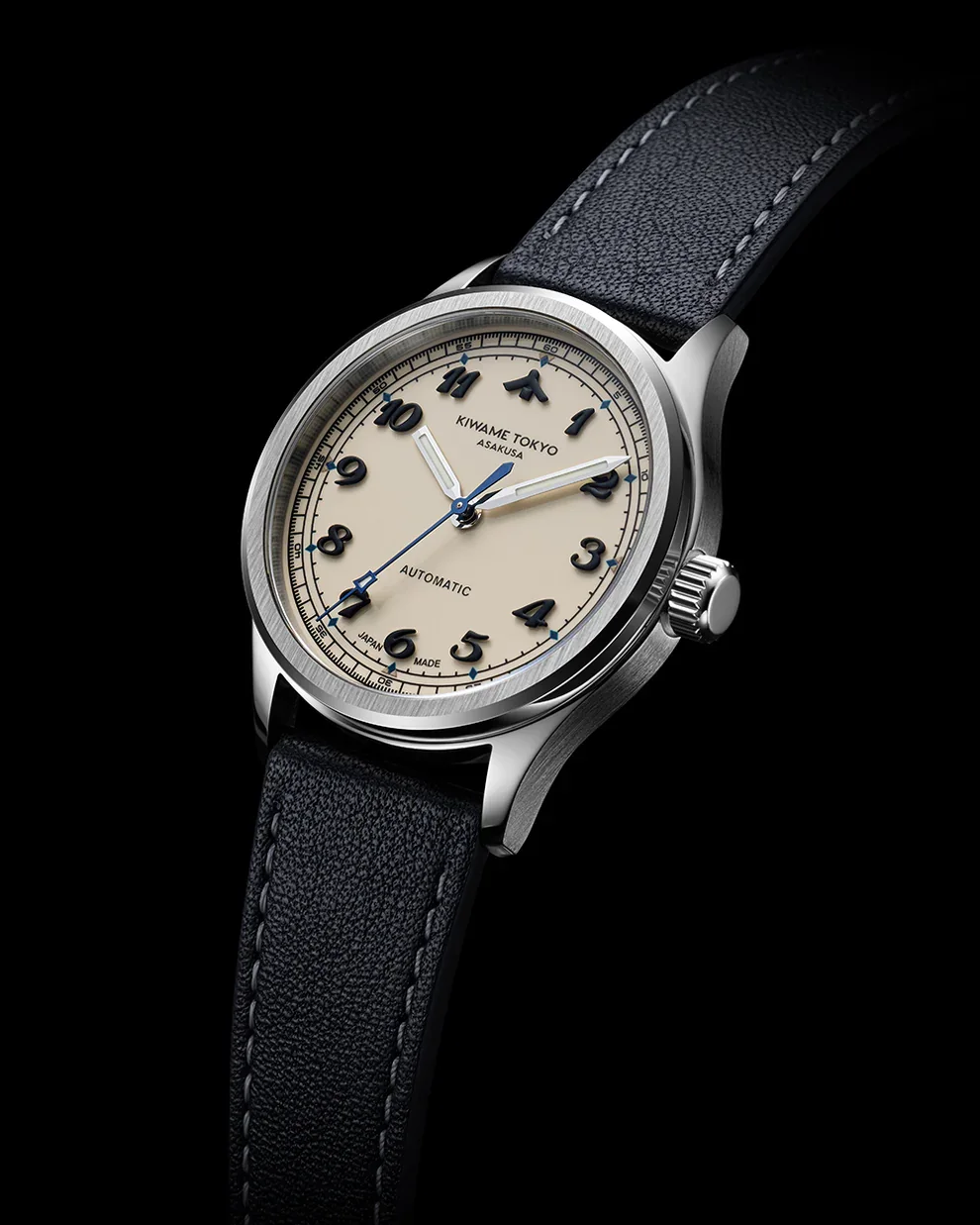
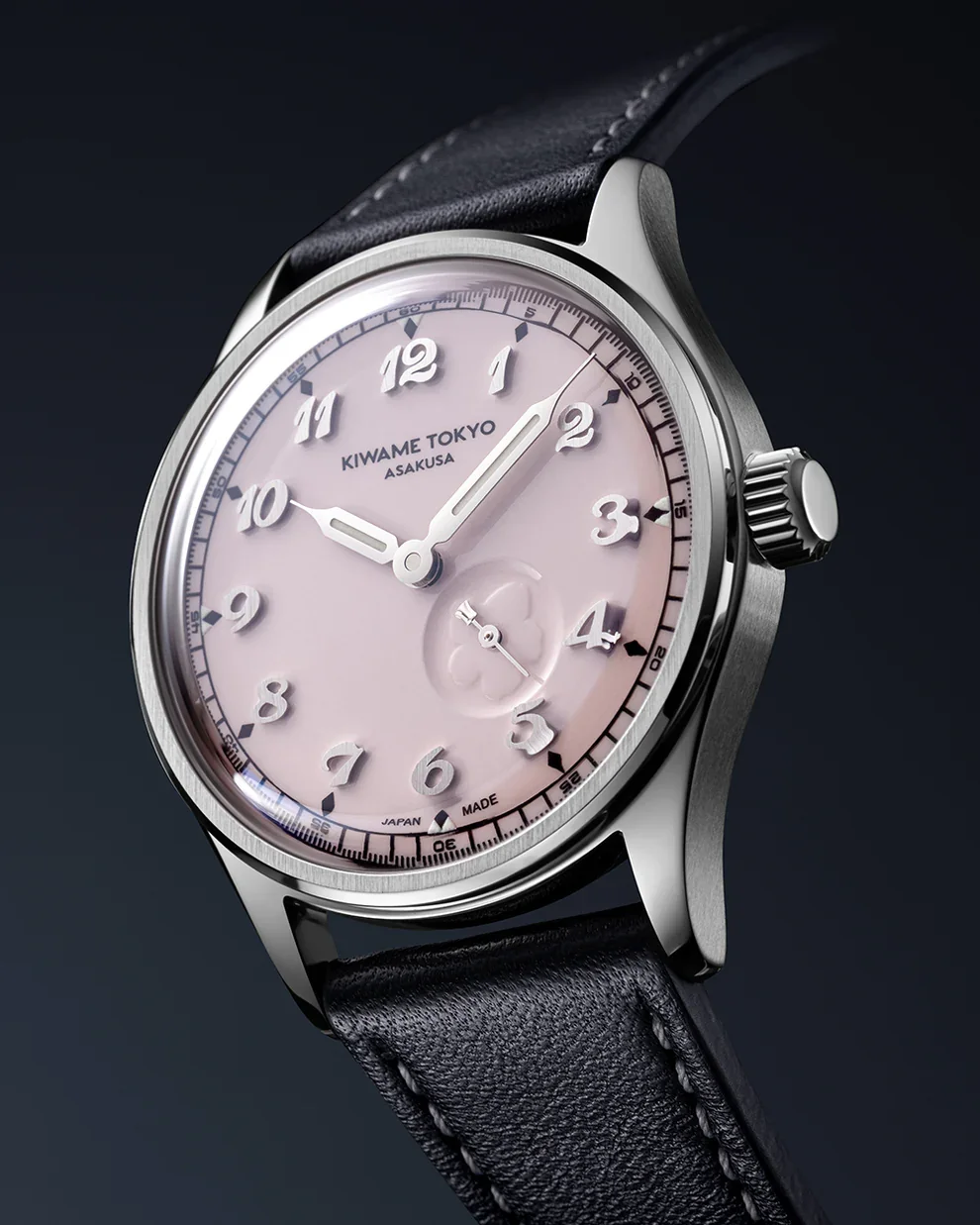
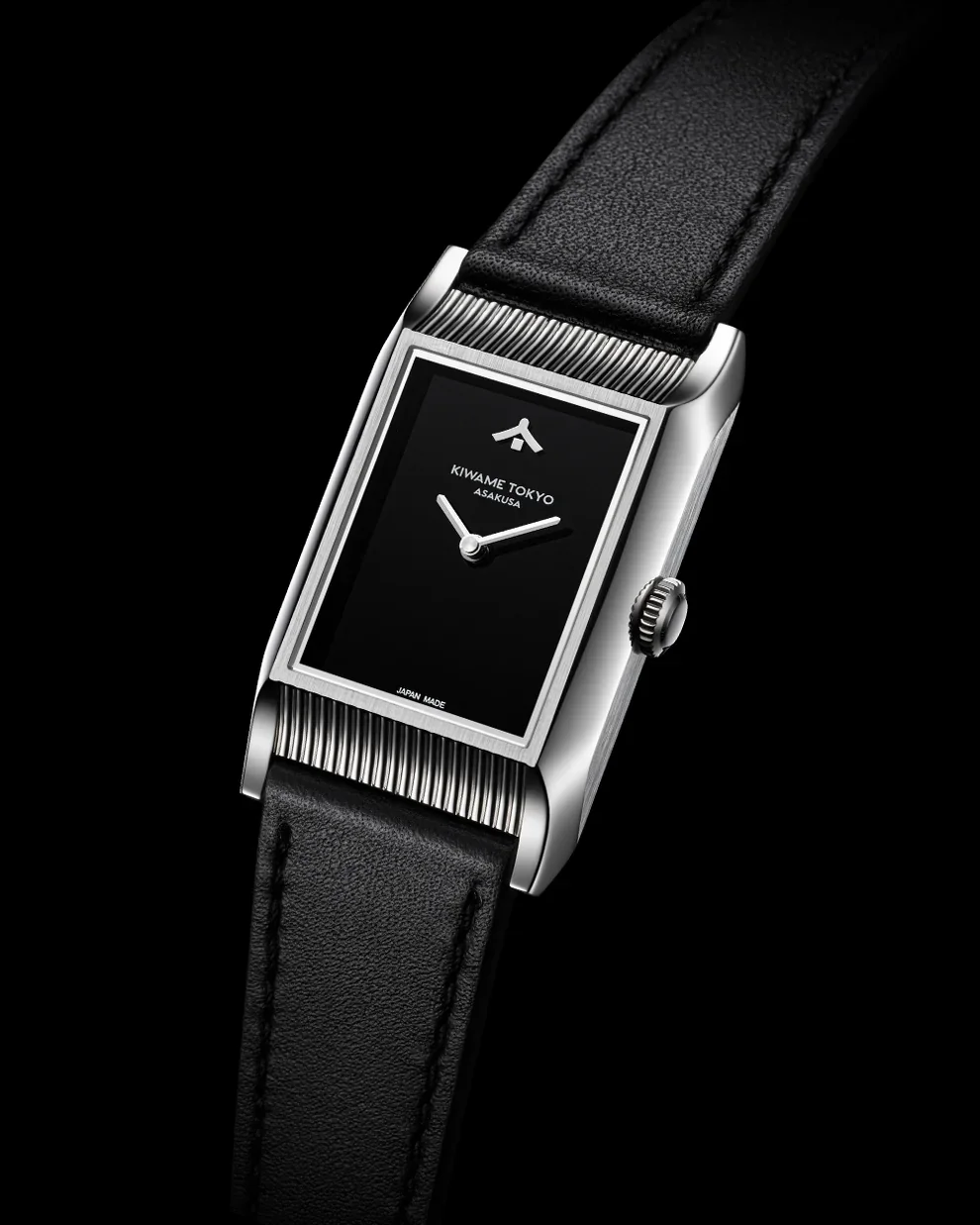
Kiwame Tokyo is one of the brands on this list that we think could become particularly interesting over the next few years.
Japan has an enormous amount of watchmaking talent, but plenty of independent and microbrand names remain relatively unknown outside their domestic market.
That is where Kiwame Tokyo comes in.
The brand is helping bring Japanese microbrands and independent watchmakers to a much wider global audience, effectively acting as a bridge between an incredibly interesting domestic watch scene and international collectors. And there is plenty to discover.
Japanese independent watchmaking can be wonderfully unconventional, technically interesting and often refreshingly different from what we see coming out of other paerts of the world..
If Kiwame Tokyo continues introducing those brands to collectors around the world, it could become an increasingly important name in the Japanese independent watch space itself.
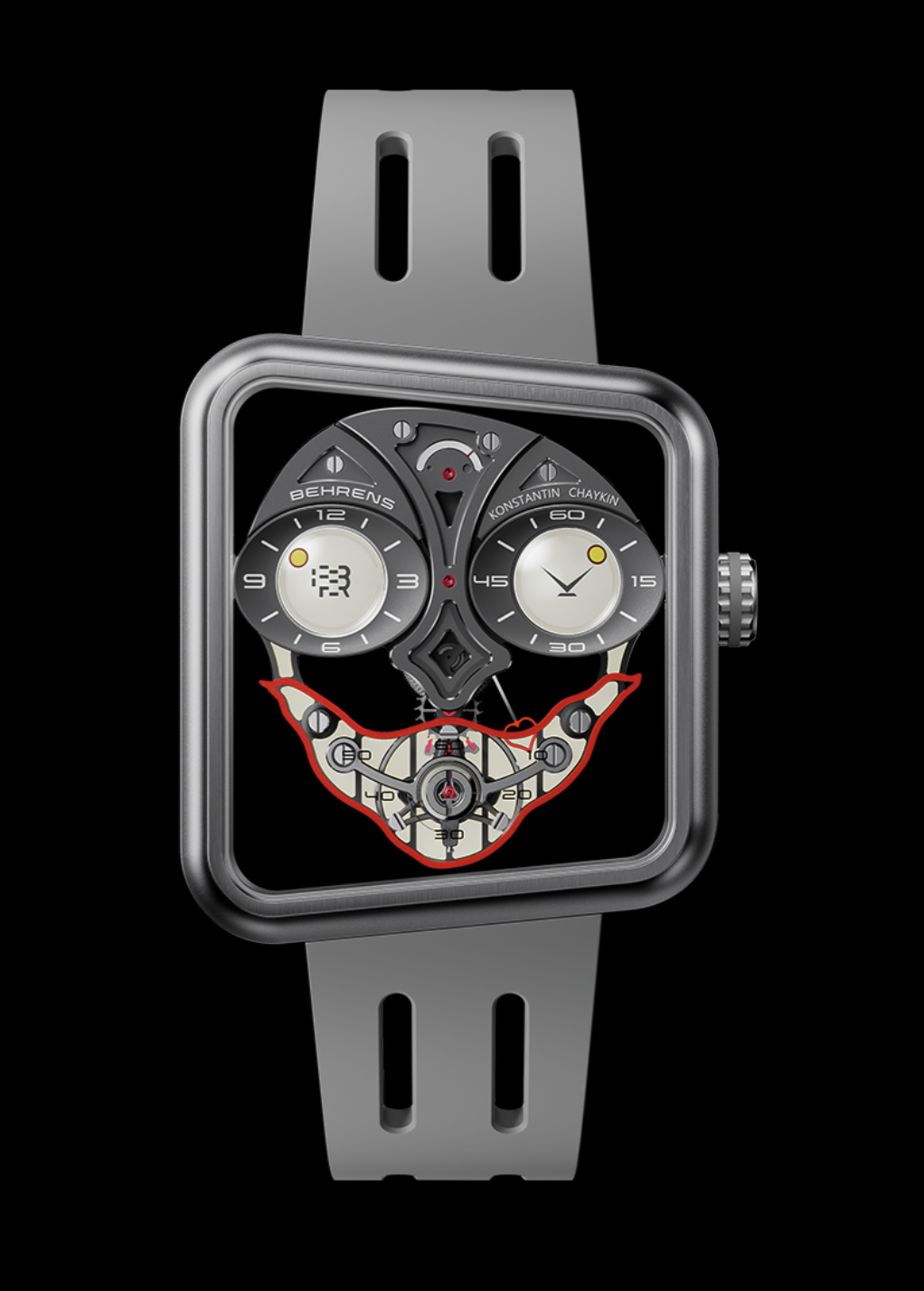
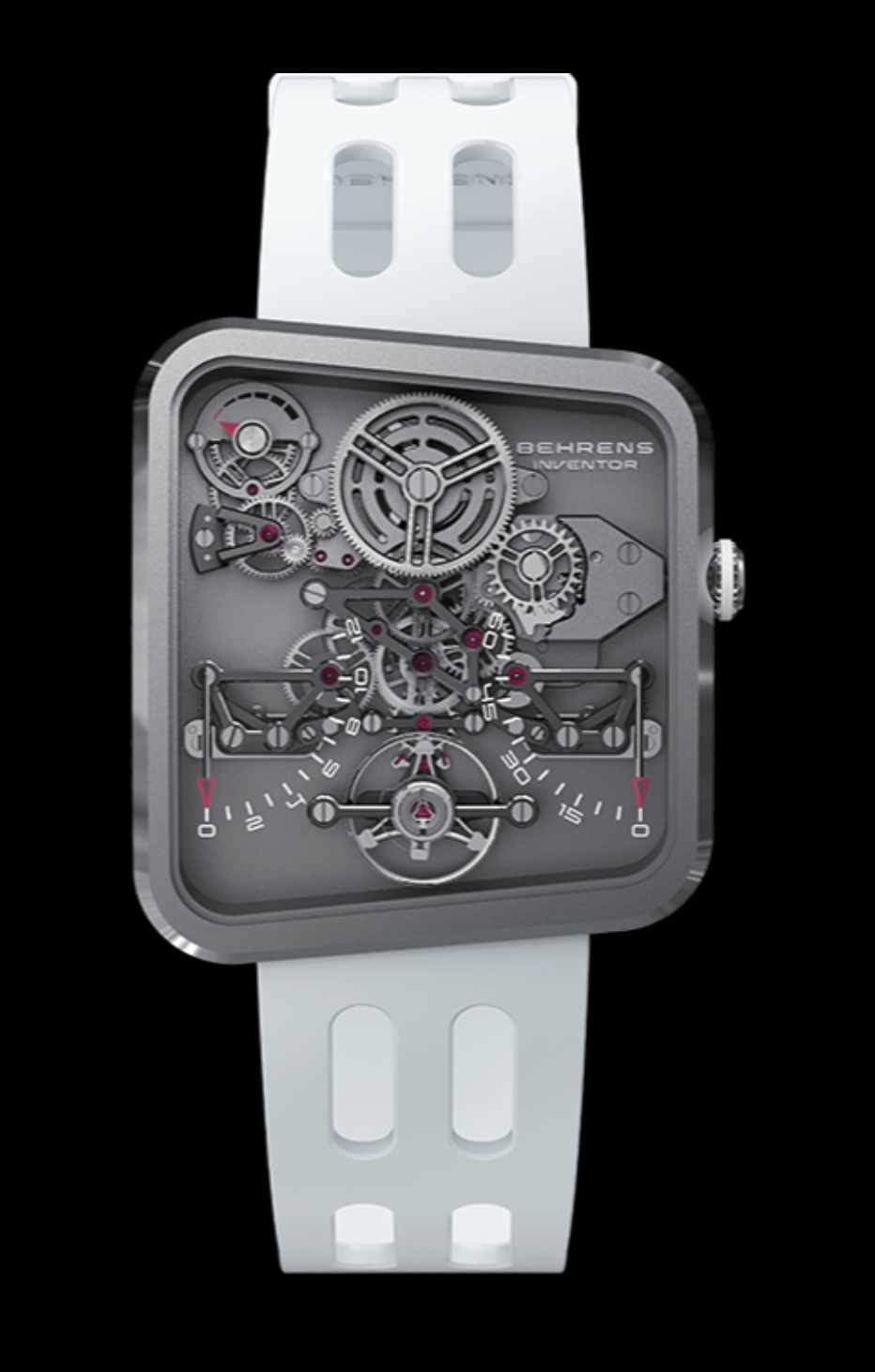
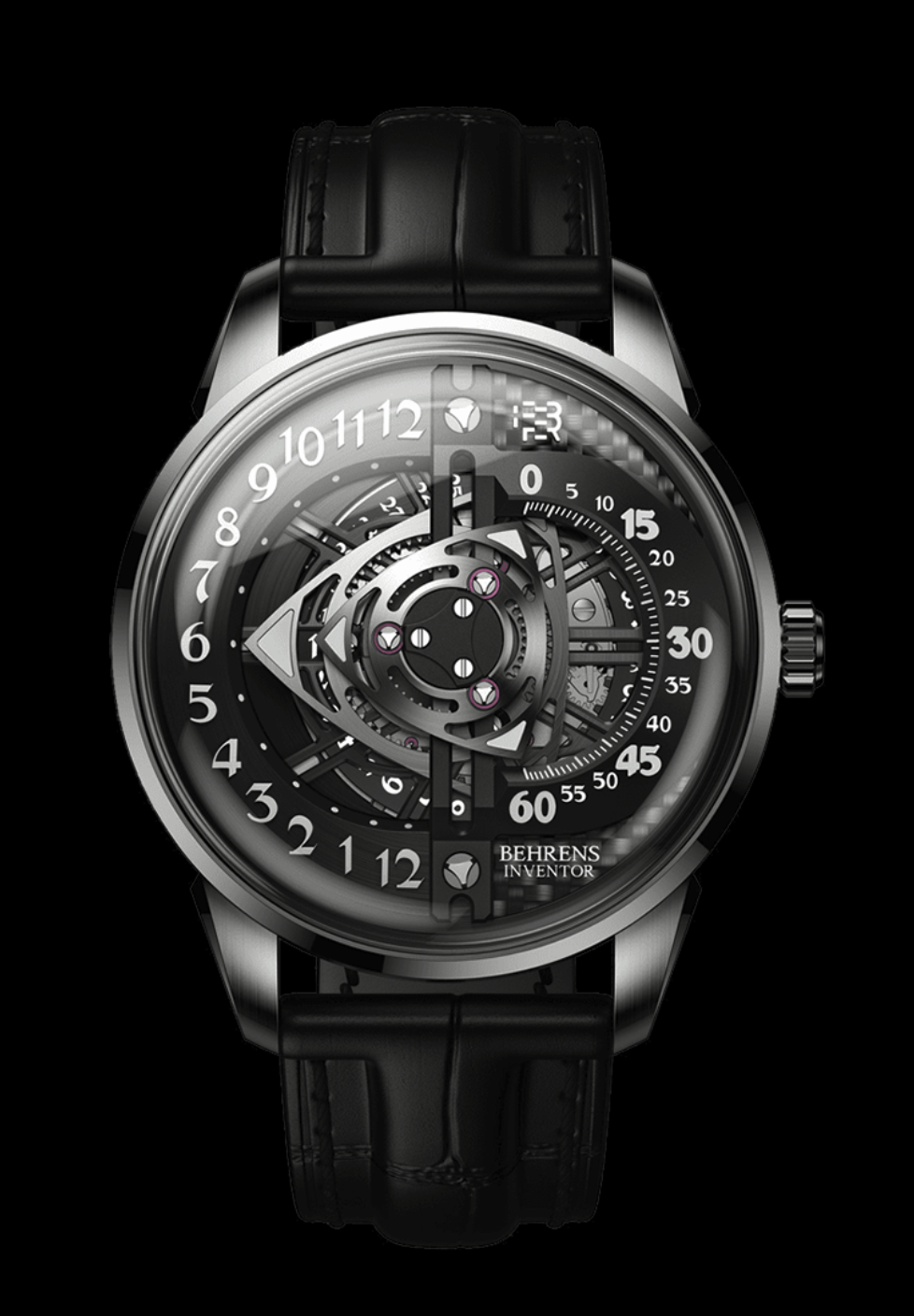
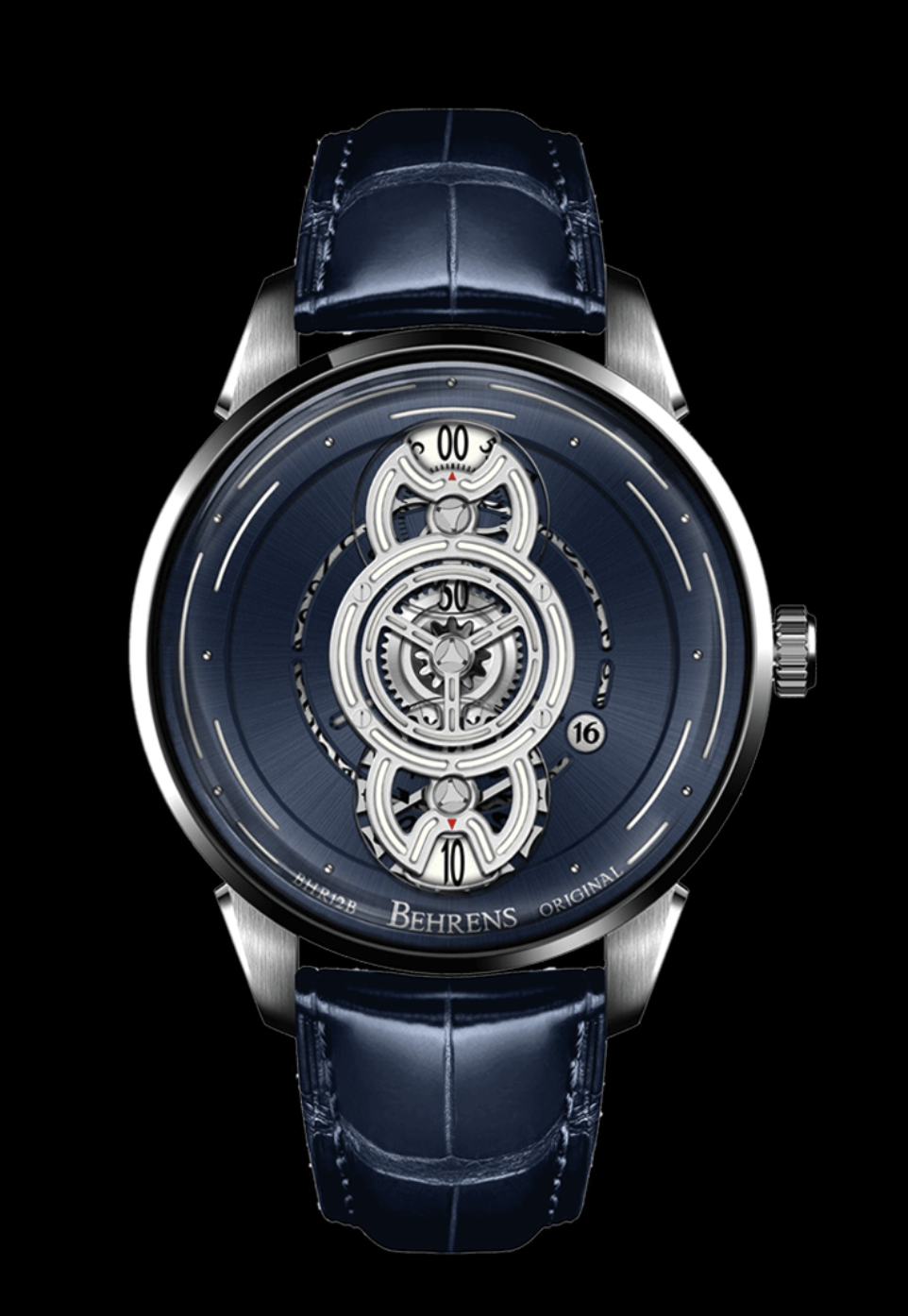
Behrens has been doing something we think the watch industry needs more of: making complicated looking watches without making them completely inaccessible.
The brand has developed a reputation for unusual designs, impressive complications and what could broadly be described as affordable high horology. That combination is difficult to ignore.
Behrens doesn't seem particularly interested in producing another conventional round sports watch with a familiar movement and a slightly different dial. The designs are adventurous, often futuristic and immediately recognisable.
Just as importantly, the branding is strong. In an increasingly crowded independent market, a good product is only half the battle. You need a reason for people to remember you. Behrens has that.
If the brand continues developing its technical credentials while keeping its pricing relatively accessible, we could see it become a much bigger name among collectors looking for something outside the traditional luxury hierarchy.
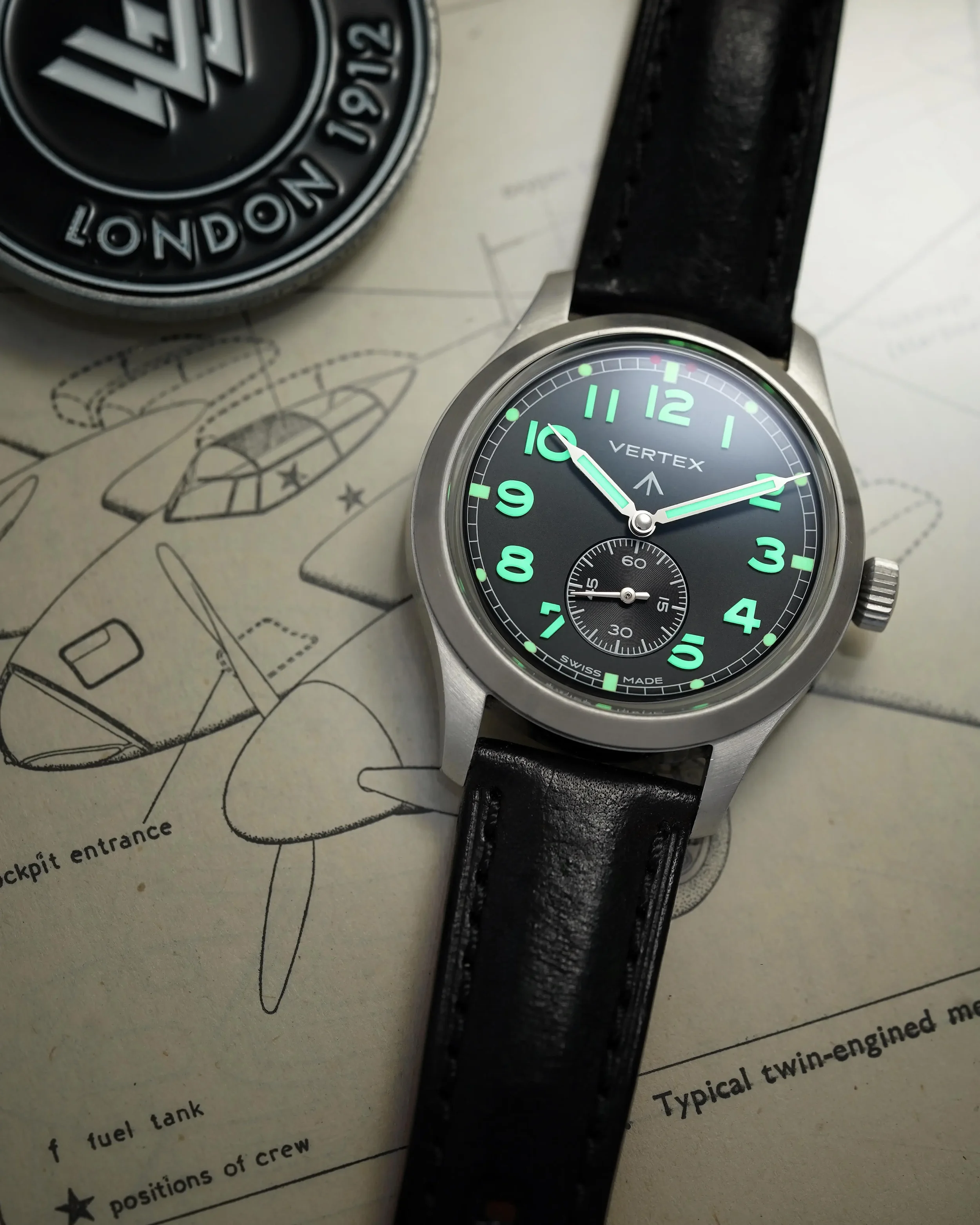
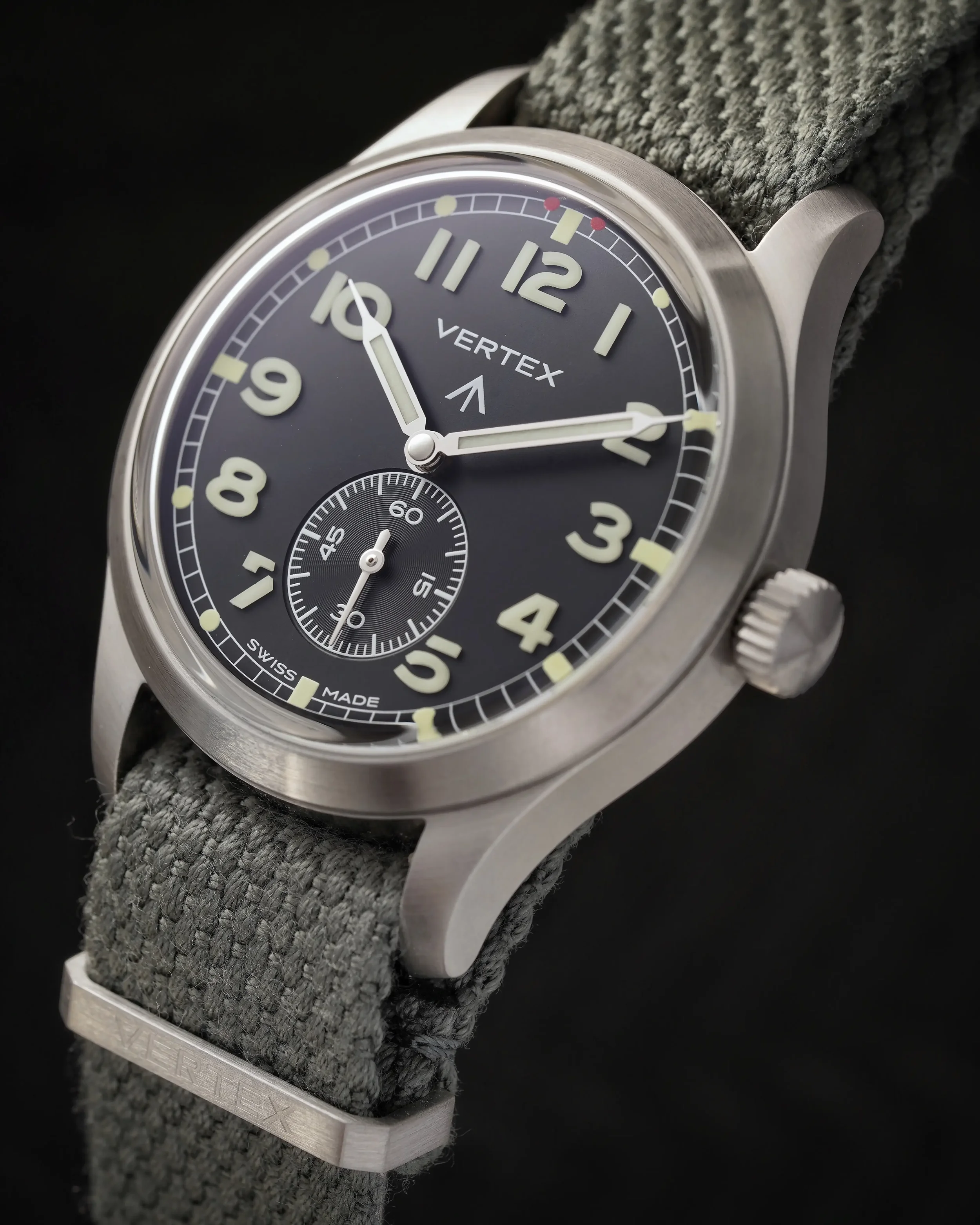
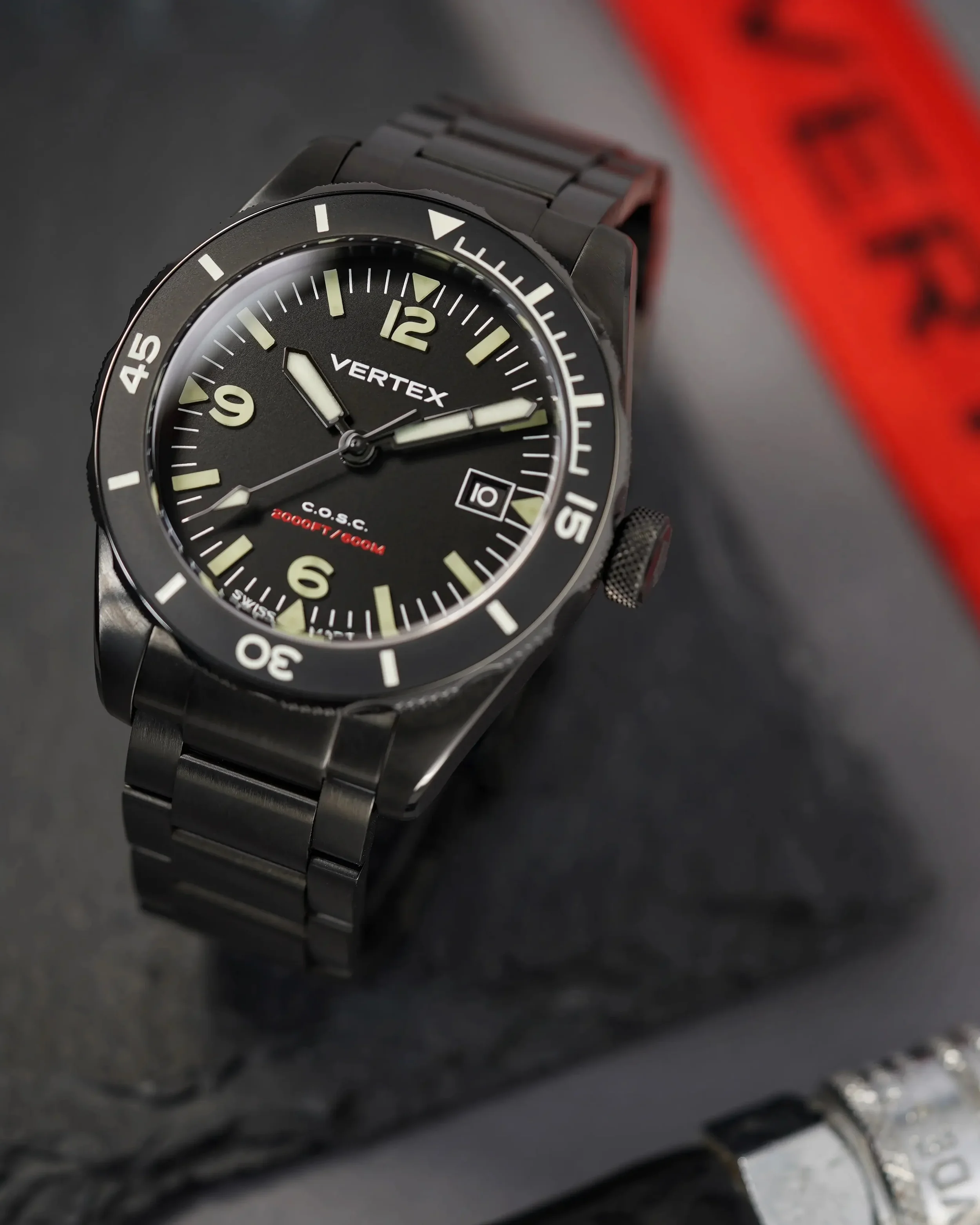
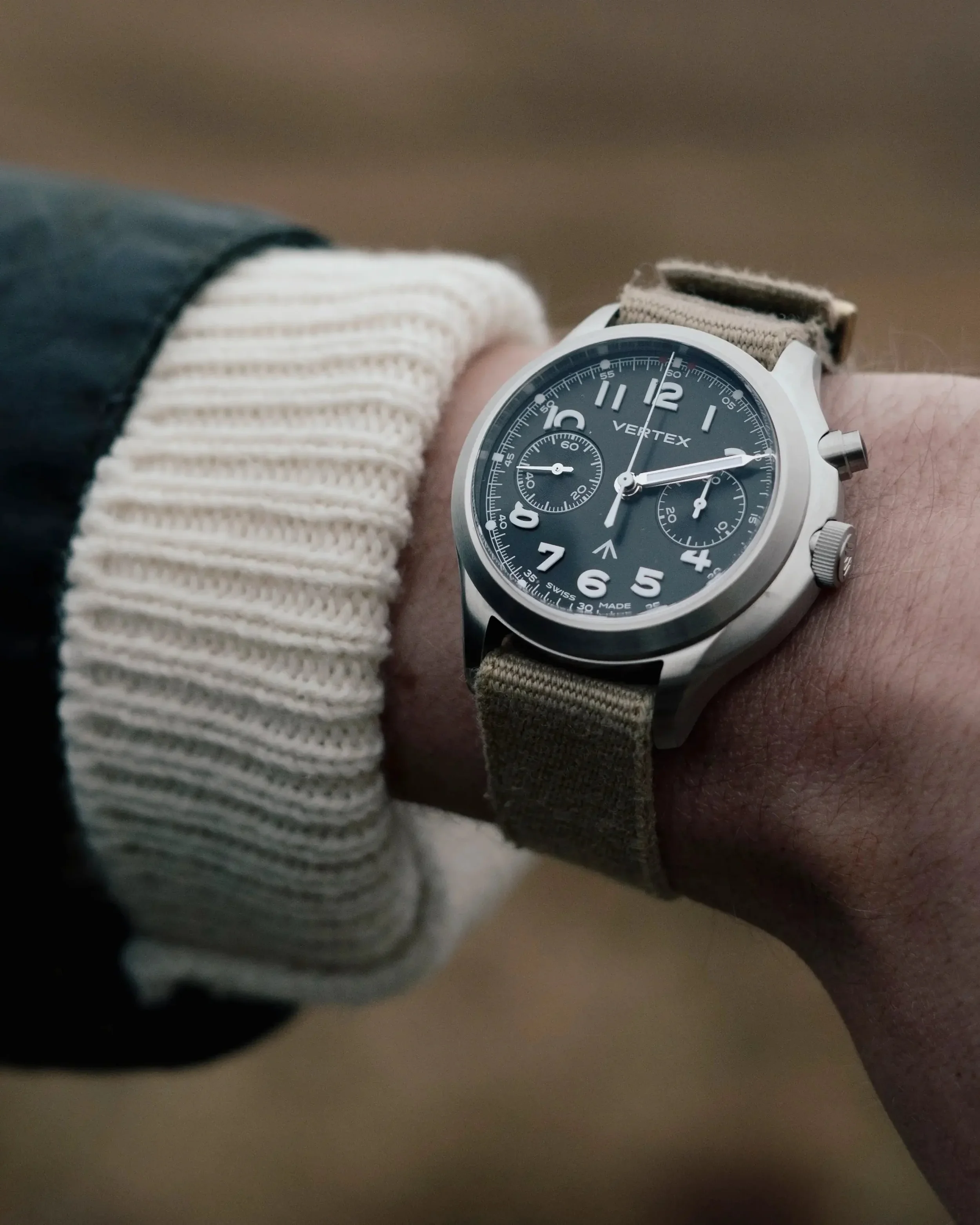
Vertex has just been handed something most watch brands would kill for: a place on James Bond's wrist.
In Charlie Higson's new 007 novel King Zero, the contemporary Bond wears a vintage Vertex Cal. 59, inherited from a great uncle who served with the 6th Airborne Division at Pegasus Bridge on D Day.
For a British brand with genuine military heritage, it is almost ridiculously perfect.
Vertex was founded in 1912 and was the only British member of the original Dirty Dozen, supplying watches to the British military during the Second World War. Its modern revival has turned that heritage into a collection of beautifully made, contemporary military inspired watches.
The Bond connection could bring a huge amount of attention to a brand that already has the history, design and quality to back it up. With 007 now officially wearing Vertex in print, we reckon 2027 could be a very big year for the brand.
Winding Things Up
The interesting thing about this list is that none of these brands are particularly conventional.
There are heritage brands being revitalised, independent watchmakers pushing design boundaries, microbrands offering serious value and companies helping bring previously overlooked watchmakers to a global audience.
And that is exactly why we have picked them.
The watch industry is changing. Collectors are becoming more adventurous, younger buyers are increasingly interested in independent brands and originality is becoming just as important as heritage.
Of course, we could be completely wrong. By the end of 2027, perhaps half of these brands will still be happily doing exactly what they are doing today while some obscure brand we have never heard of becomes the next big thing.
That is the fun of watch collecting. But if you ask us which ten names we would keep a particularly close eye on as we head into 2027, these are the ones. You heard it here first.
