
The 2026 ‘Stone Dial’ Wave: Why Everyone Wants Rock On Their Wrist
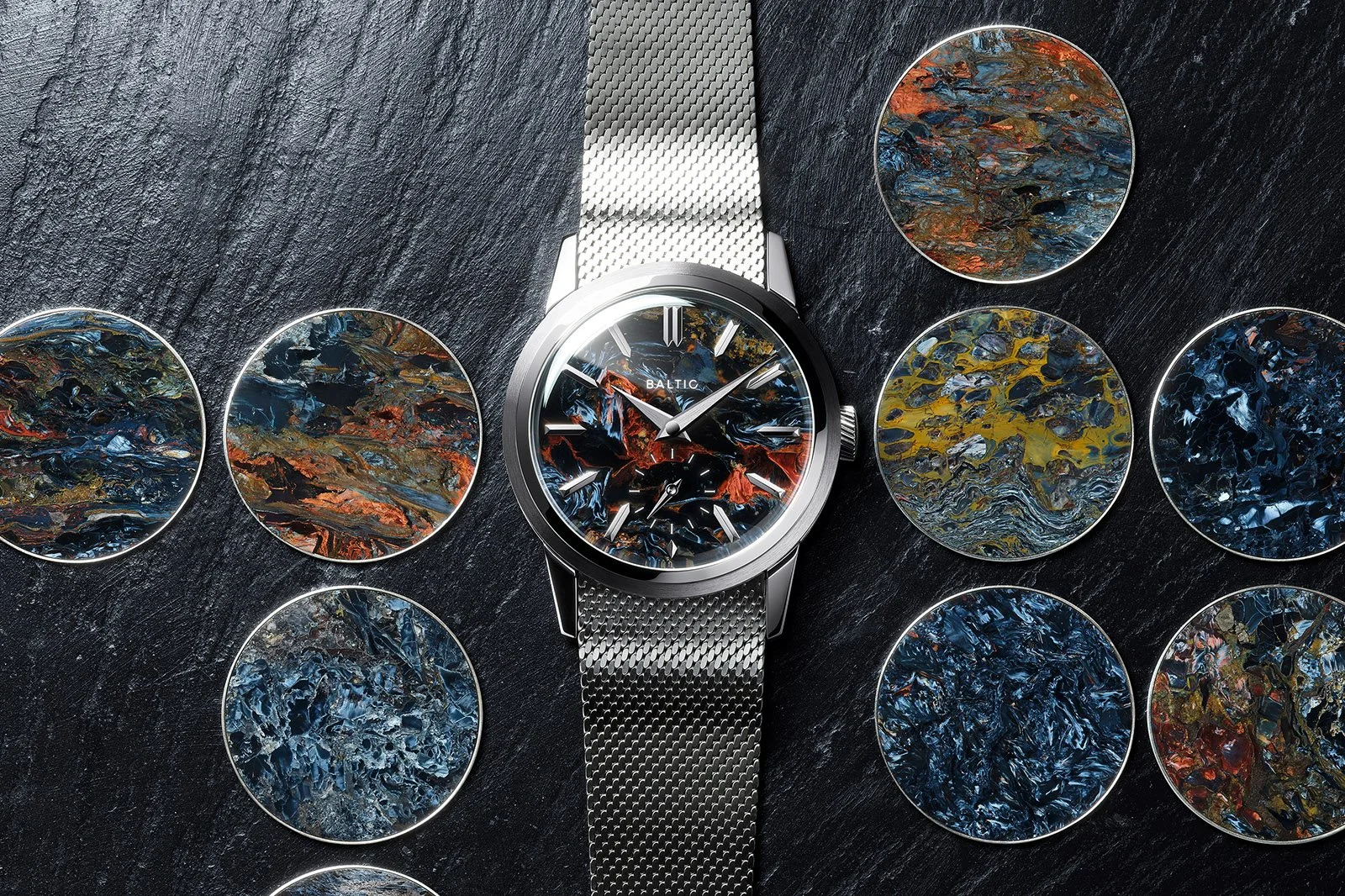
Credit - Baltic
Stone dials used to be a quiet flex. The sort of thing you spotted through a cuff and clocked instantly, even if you could not quite name the stone. A little 1970s. A little decadent. Almost always priced just within reach.
In 2026, they are making a comeback, and this time in a big way!
Properly crafted natural stone dials, paired with a few smart complementary materials, are emerging at prices that feel surprisingly attainable. Not cheap, but reachable. And the appeal is simple. A stone dial looks expensive, even when the watch itself is not, and every single one is genuinely unique. Geology does not do consistent batches. It does character.
Credit - Christopher Ward
So, why are stone dials back again?
Some may say boredom, we say, extending the creative reach of what is possible. The watch world has had years of pristine surfaces and controlled aesthetics. Perfect brushing. Perfect printing. Perfect symmetry. Stone dials are the opposite, and that is the point. Veins, clouds, specks, and swirls that refuse to behave. They feel less like a manufactured product and more like an object.
Another part is identity. When the market is flooded with “new” releases that are essentially familiar shapes in slightly different sizes, a stone dial gives instant personality. You do not have to explain it. You do not have to justify it with specs. You just look down, and it is there, doing the work.
The final part is that smaller brands have got better at executing them. Cutting stone thin enough for a dial, getting it finished cleanly, mounting it securely, and doing all that without unacceptable crack rates used to be the kind of hassle that pushed the idea towards luxury only. More brands now know how to do it well, and do it at prices that do not immediately trigger a bank transfer anxiety sweat.
The reality check before you buy one
Stone dials are incredible. They are also not magic.
They often photograph better than they wear, especially malachite and anything heavily patterned. In pictures, high contrast can look rich. On wrist, that same pattern can tip into “loud” if the case finishing, hands, and indices are not judged properly. The best stone dial watches feel designed around the stone. The weaker ones feel like a dial that was dropped into an existing watch as a novelty.
It is also worth remembering that these are thin slices of stone. Brands engineer around fragility, and modern manufacturing is far better than it used to be, but it is still a natural material. If you are rough with watches, or unlucky with knocks, stone is less forgiving than brass with lacquer.
Finally, you are not buying a concept. You are buying that exact dial. If you order online, the pattern you receive will not match the product photos. If that makes you nervous, you should not buy a stone dial sight unseen. If it excites you, you are exactly the target audience.
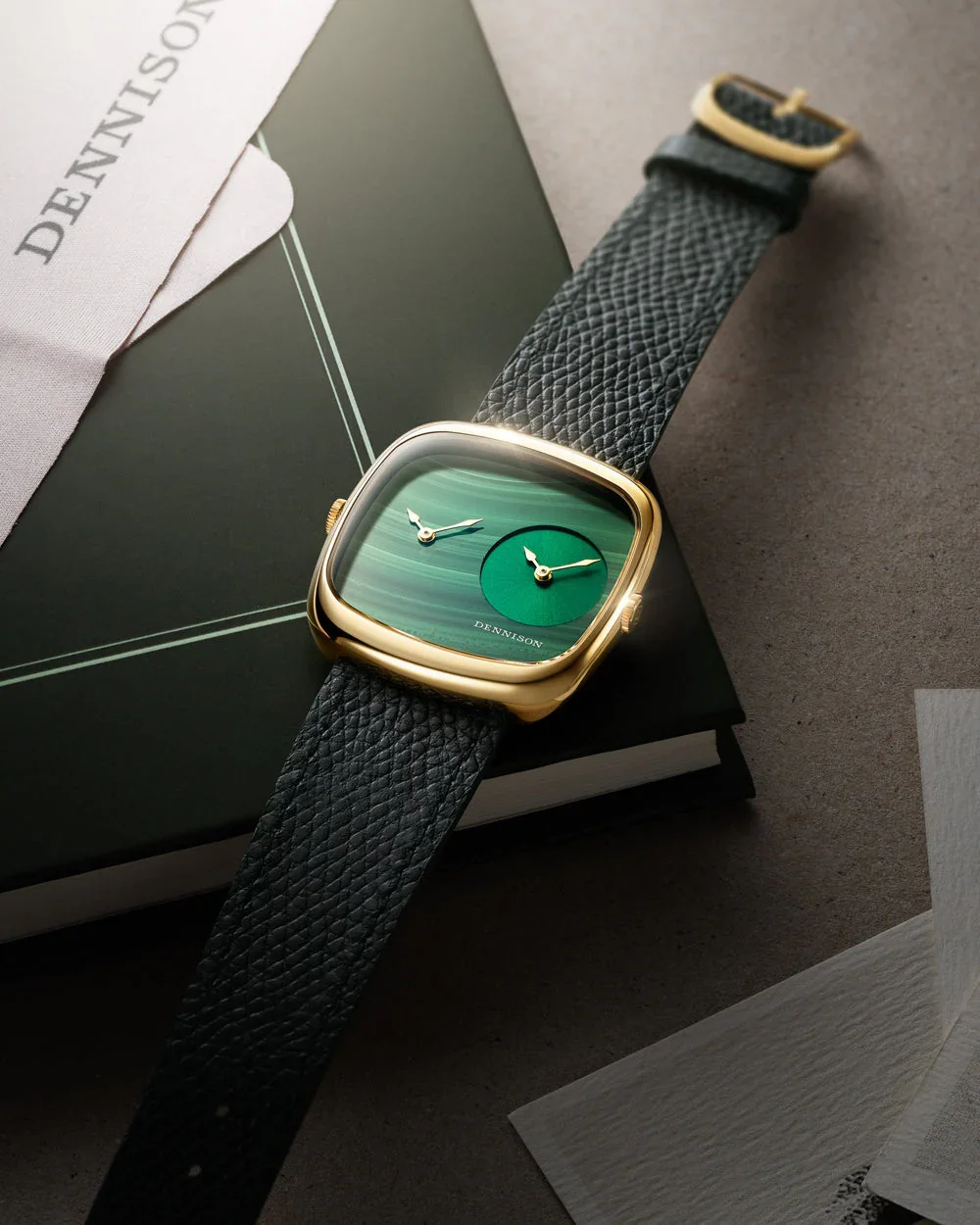
Credit - Dennison
Who’s doing it best under £2k
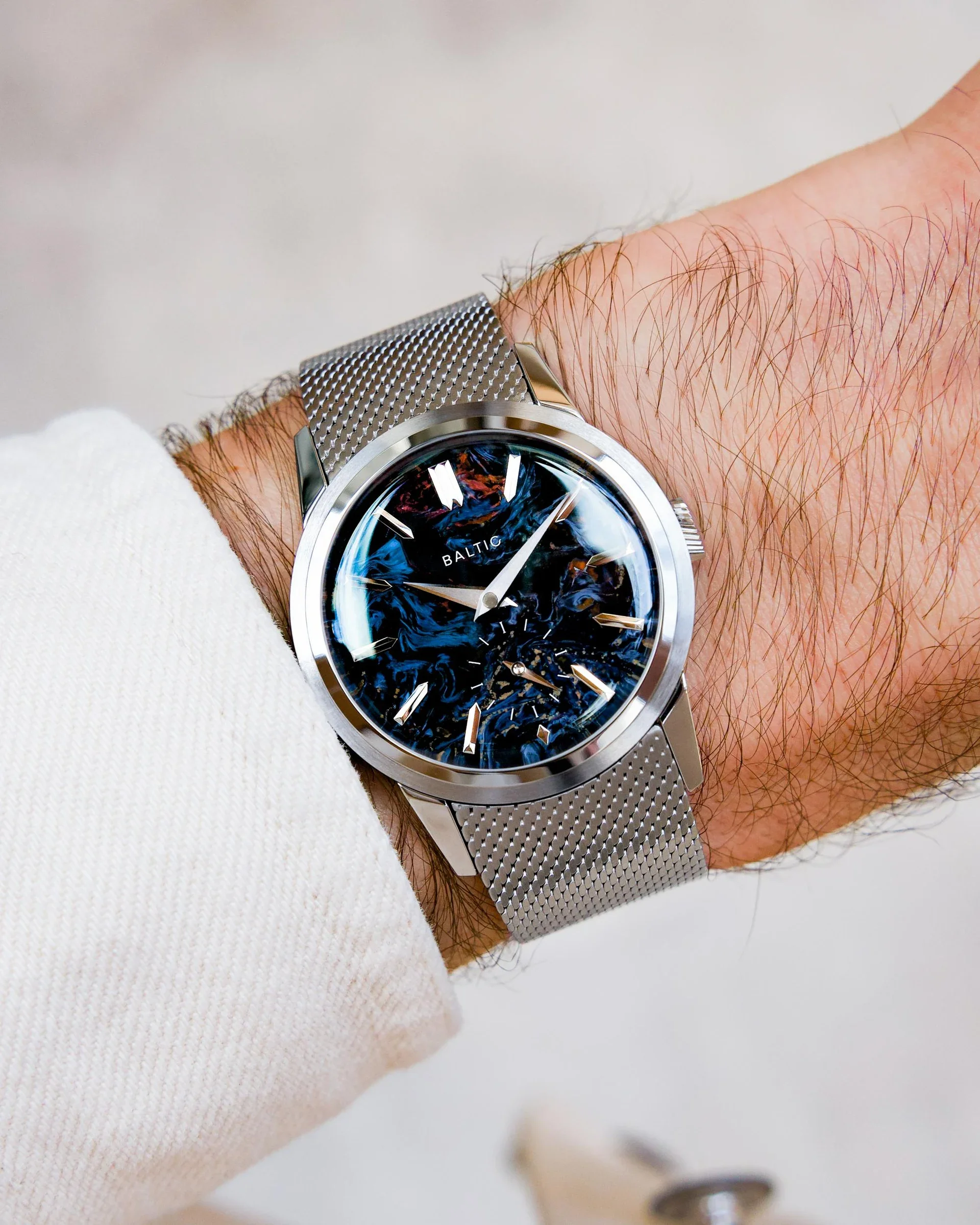
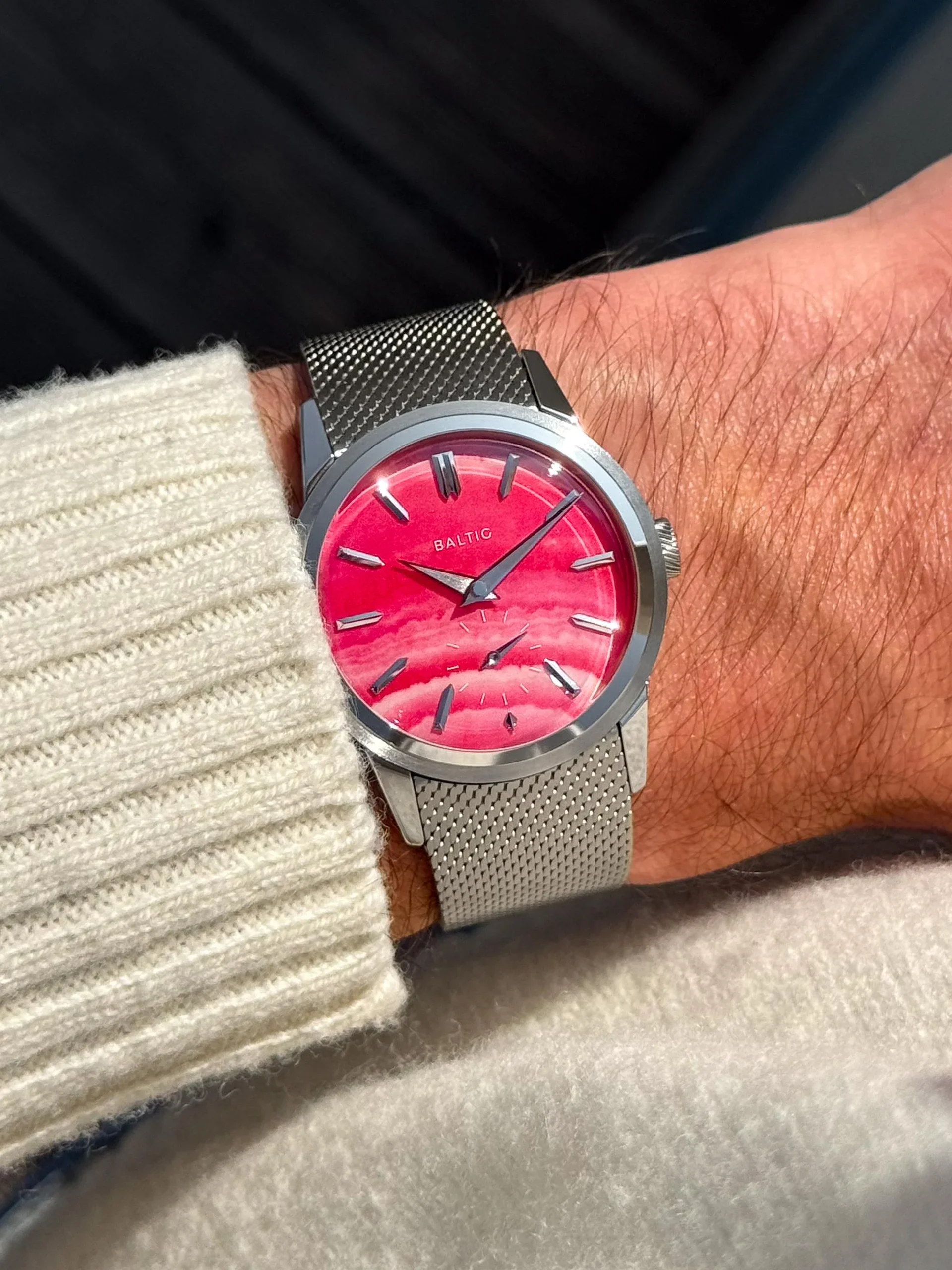
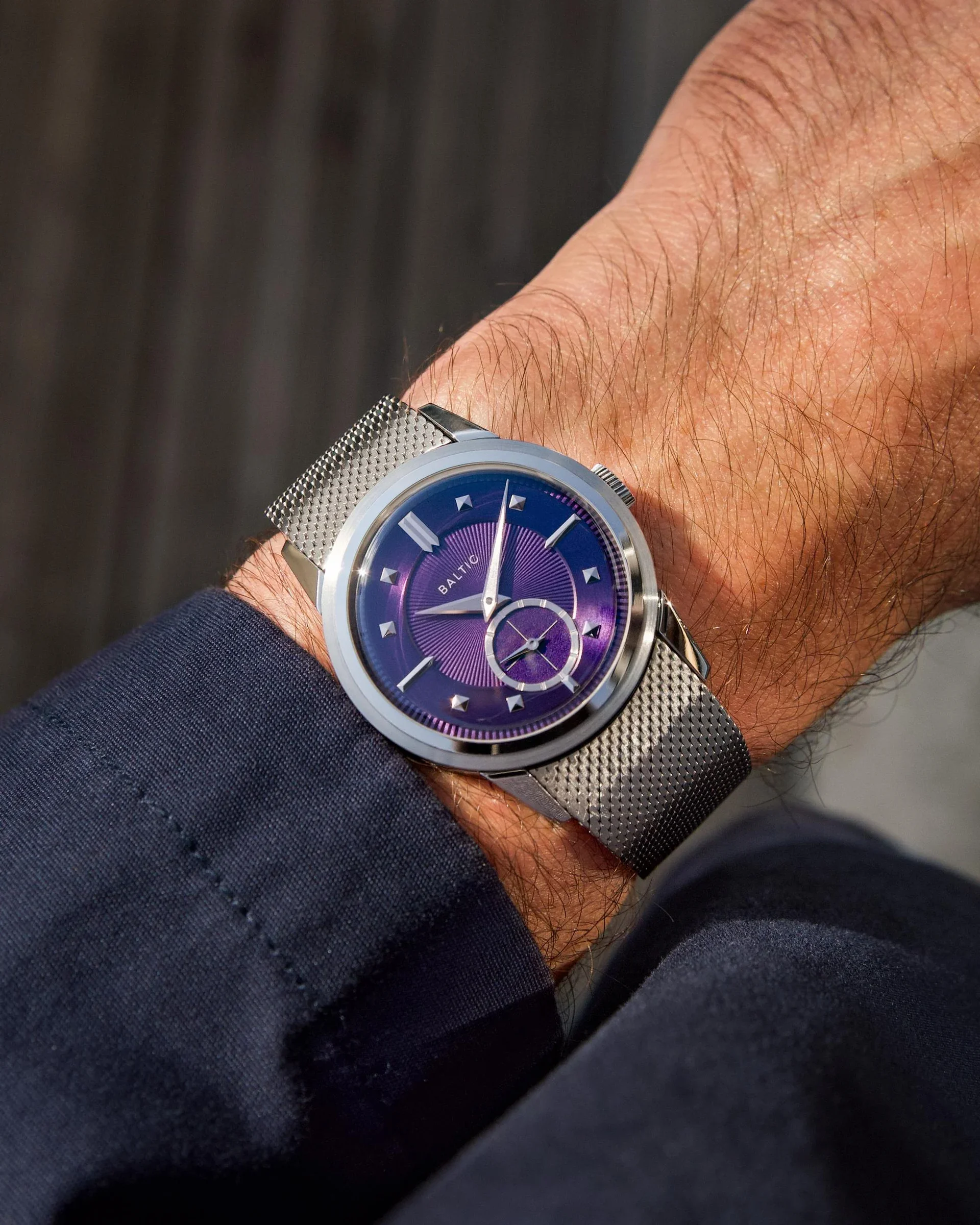
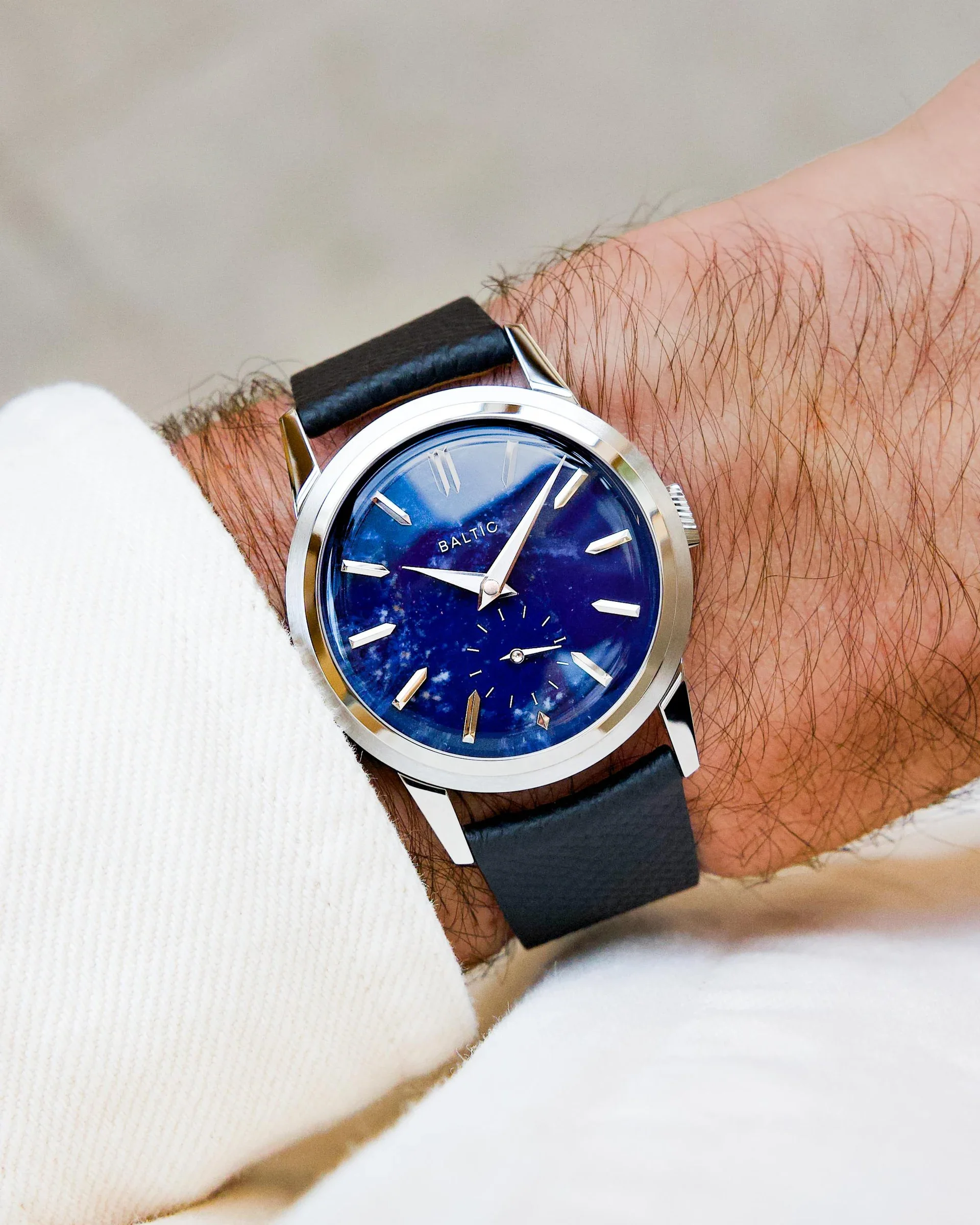
If you want the cleanest “this is the one” answer in 2026, Baltic’s Prismic Stone range is difficult to ignore. Baltic did not just throw a stone dial into an existing case and call it done. The whole thing is shaped around the dial. The size is wearable, the proportions feel considered, and the design leans into that modern dressy, slightly arty vibe without turning into costume jewellery. More importantly, the stones feel chosen rather than random. The result is a watch that looks far more expensive than it is, which is the entire point of this trend.
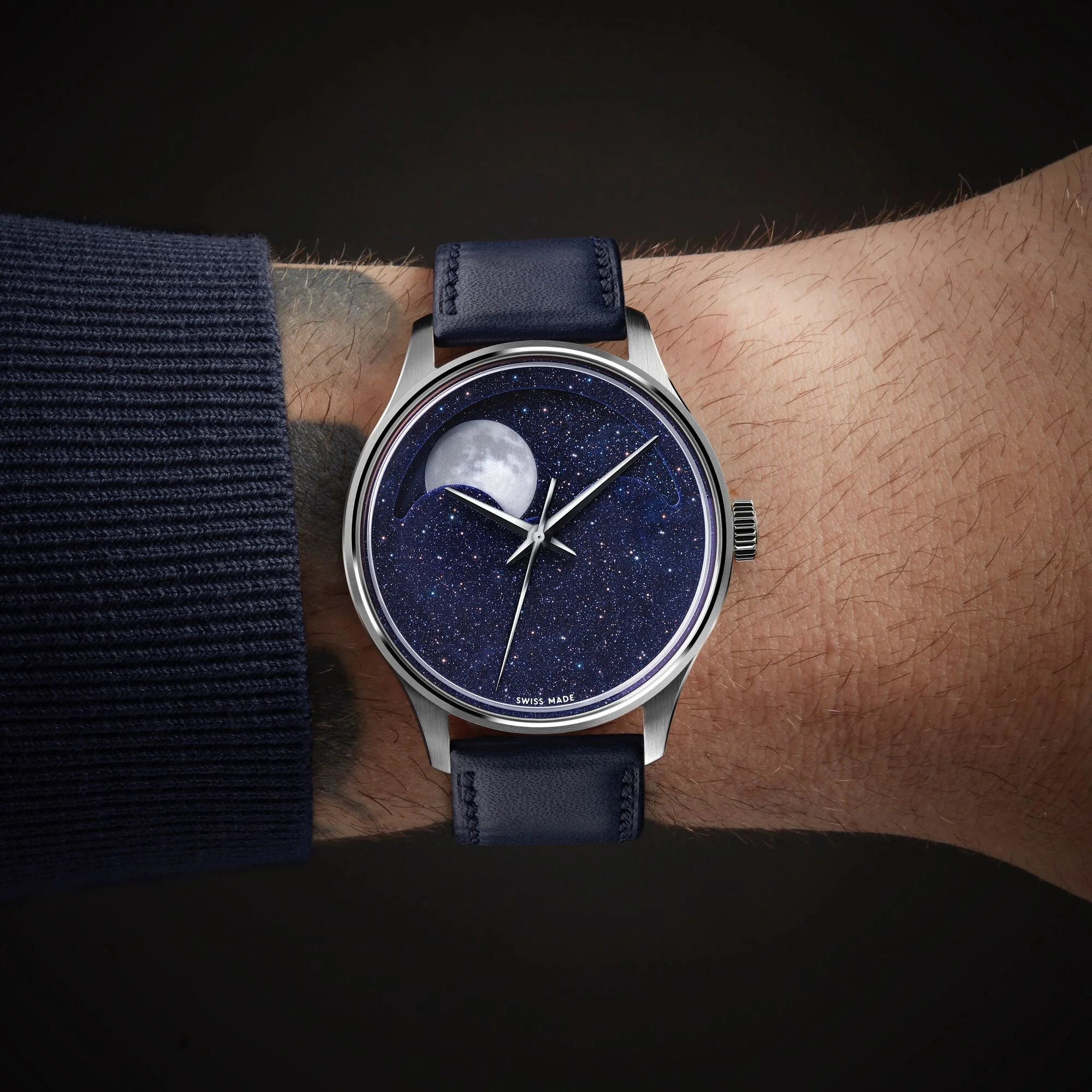
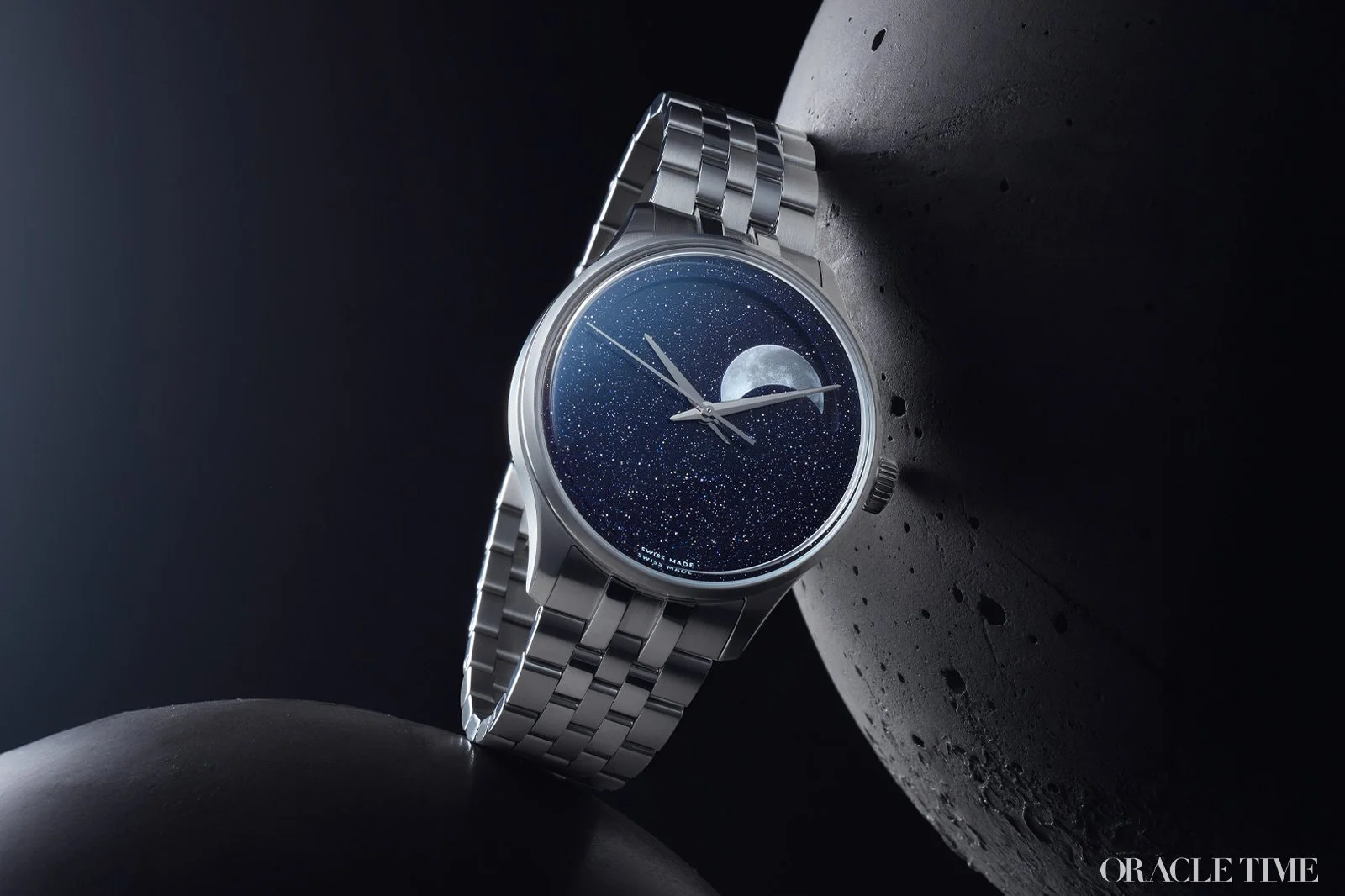
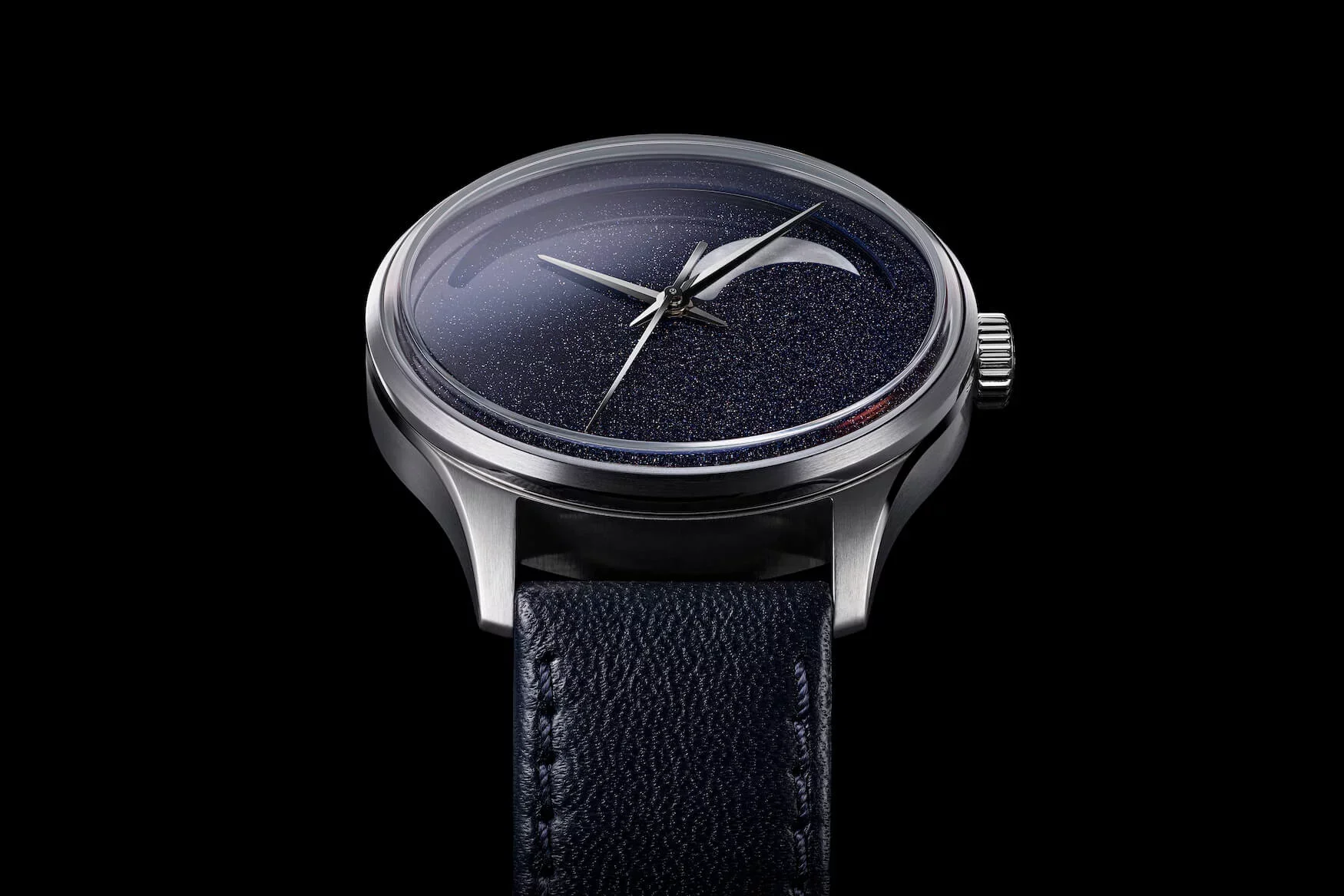
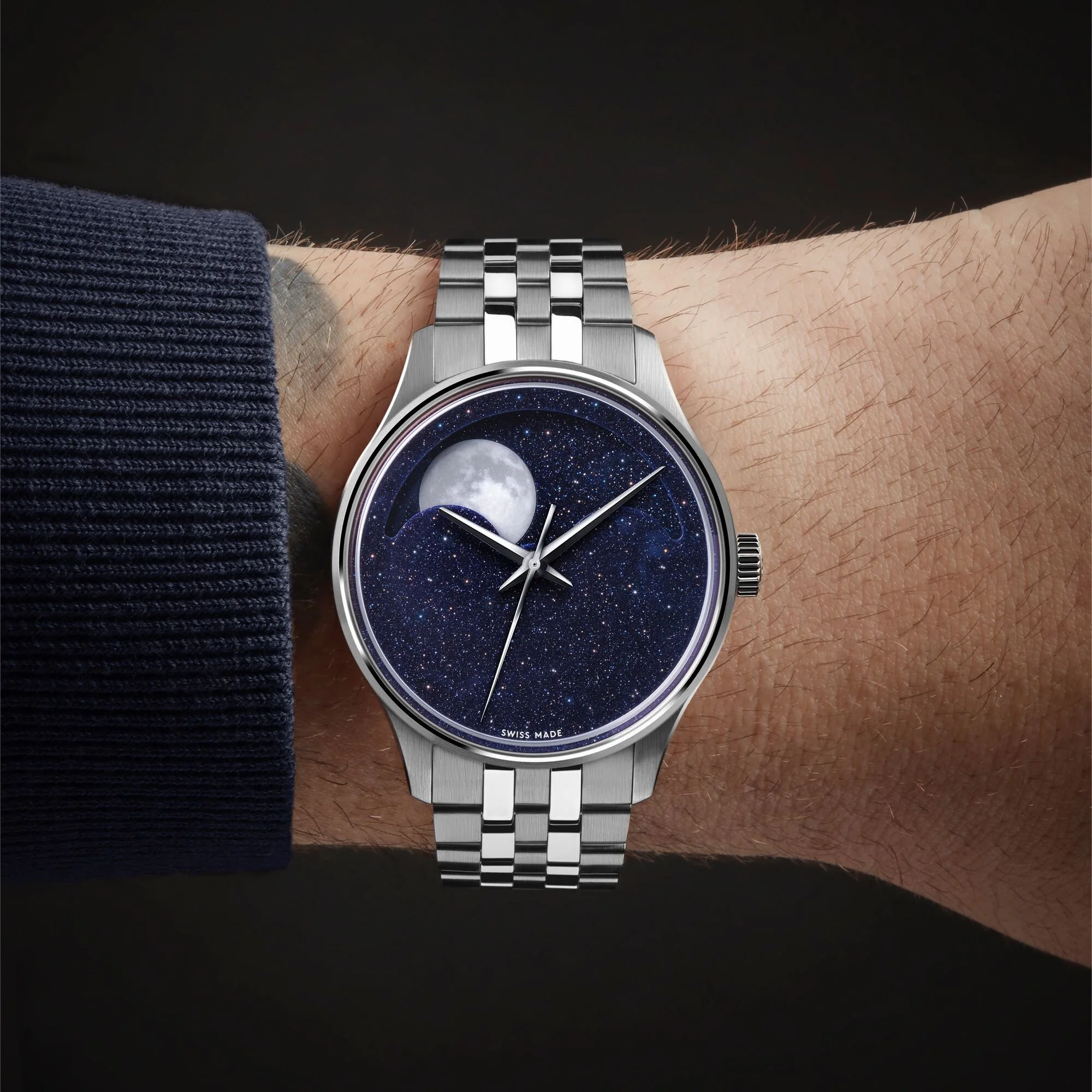
If you like the stone dial effect but want something that reads more modern and less 1970s, Christopher Ward’s C1 Moonphase in aventurine is a clever alternative. Aventurine is not a natural stone in the strictest sense, but it delivers the same “deep, rich, material dial” hit, and it does it with a clean, contemporary aesthetic. It feels like a watch designed for people who want a little drama, but still want it controlled.
Dennison Malachite & Green Sunray In Steel - Priced from £681
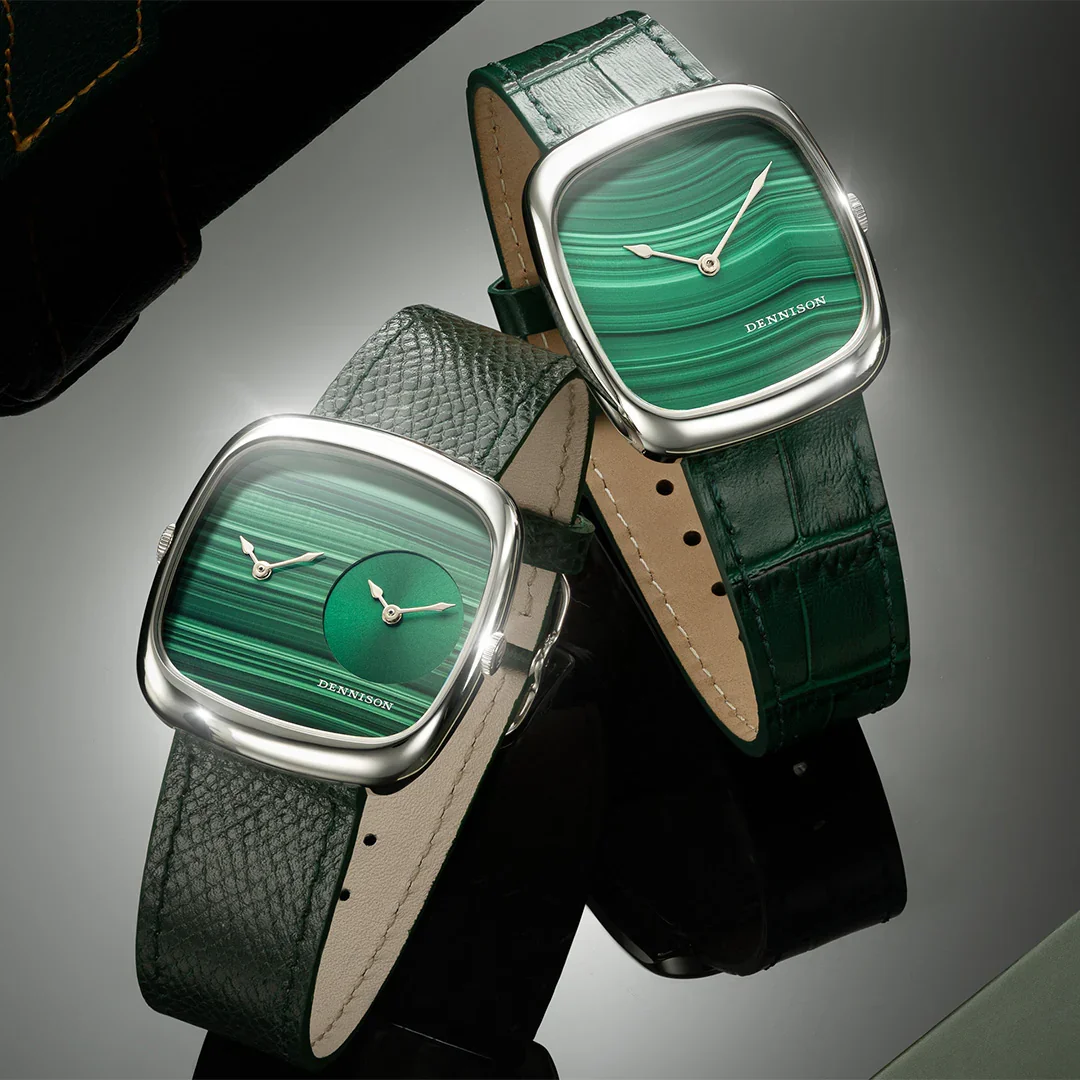
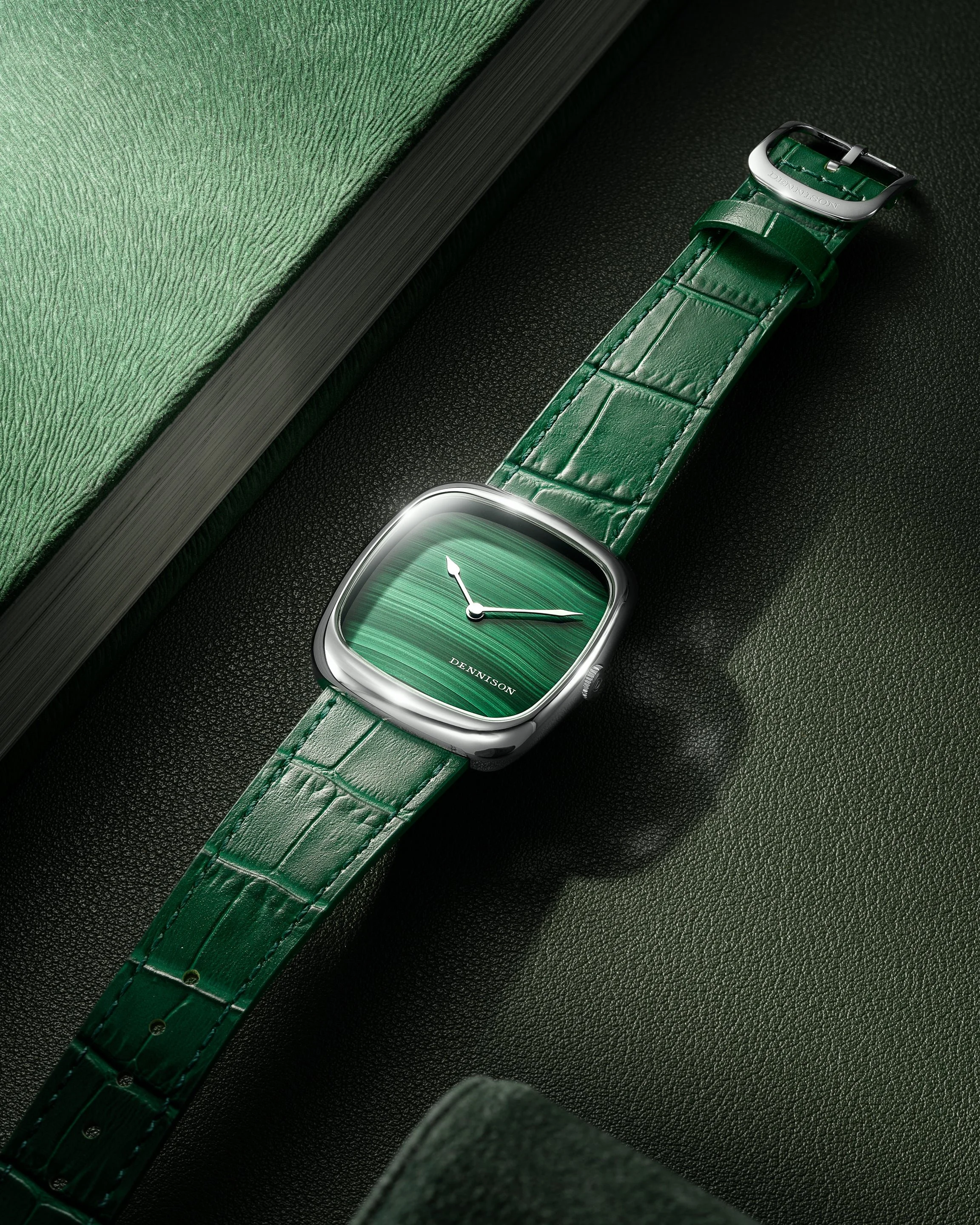
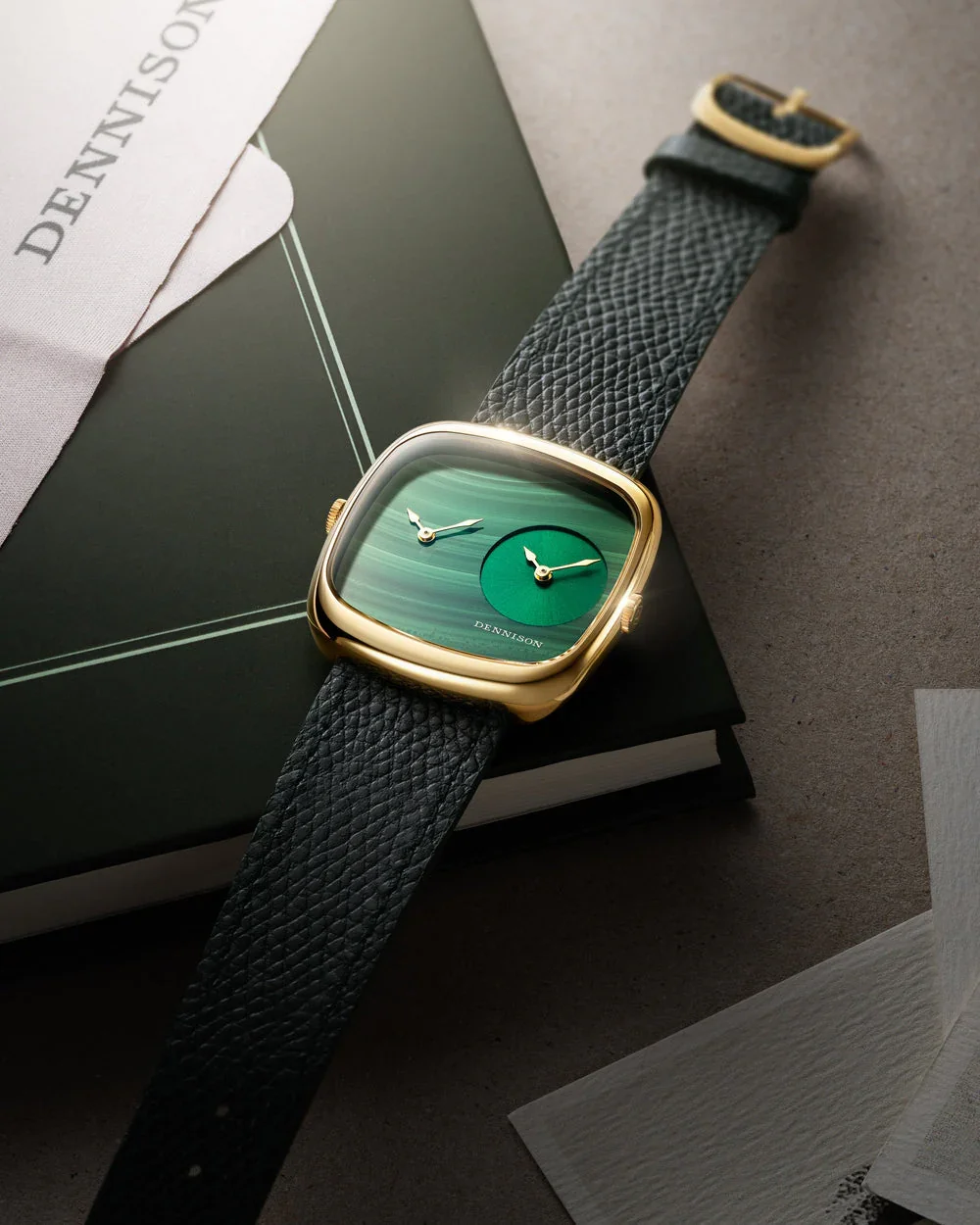
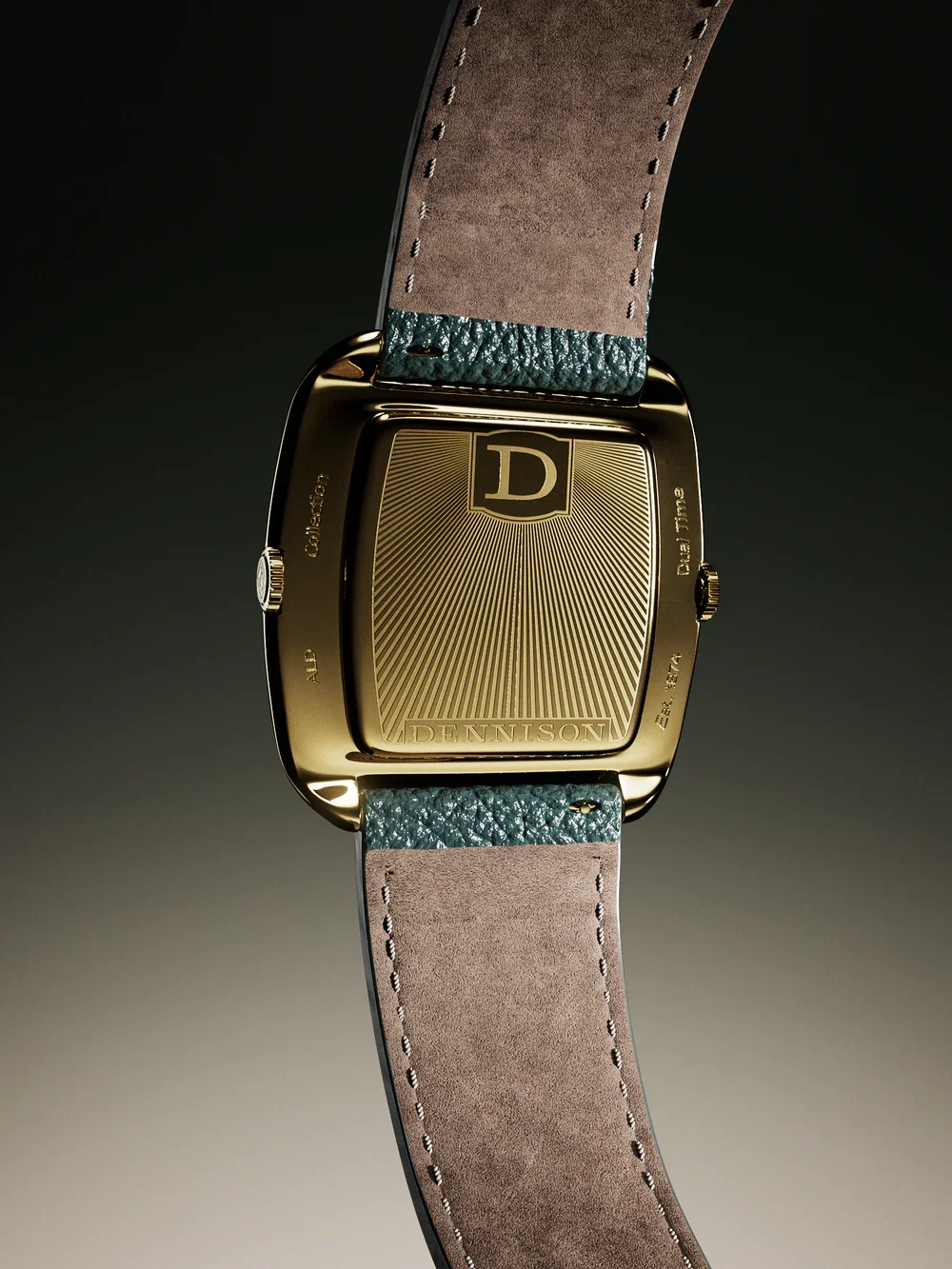
Then there is Dennison, which is currently one of the most eyebrow-raising value plays if you simply want the look without paying the full stone dial tax. The appeal here is straightforward. You get serious visual impact, often in classic stones like malachite, lapis, or similar, at prices that feel almost too reasonable for what your eyes are getting. This is the route for someone who wants to enjoy colour and material without turning it into a high stakes purchase.
Why this trend is not going away
Stone dials are not a one season gimmick. They are a symptom of where enthusiasts are drifting. People are tired of chasing specs and arguing about marginal gains. Increasingly, the emotional hit matters more. Texture matters. Material matters. The feeling that your watch is not identical to everyone else’s matters.
What will separate the winners from the noise is not who uses the most exotic rock. It is who integrates it best. The best stone dial watches do not scream “look, it’s stone.” They quietly make everything else look a bit boring.
All Image Credits to Manufacturer.