
Bianchet Watches: Brilliant Engineering, But Not Without It’s Critics
Swiss independent watchmaking has become one of the most crowded corners of modern horology. Every year brings another ultra thin tourbillon, another skeletonised movement and another founder determined to prove they can disrupt the establishment. Few brands embody that ambition more than Bianchet, a young manufacture that has quickly carved out a reputation for futuristic high horology and unapologetically technical design.
Founded in 2017 by Rodolfo Festa Bianchet and Emmanuelle Festa Bianchet, the brand has built its entire identity around the Golden Ratio and Fibonacci mathematics, applying those principles to everything from case architecture to movement design. Rather than producing traditional dress watches or vintage inspired sports models, Bianchet went all in on aggressively modern tonneau shaped tourbillons with exposed mechanics, lightweight materials and extreme engineering claims.
The result is a collection that immediately grabs attention. Whether that attention turns into emotional connection is a different conversation entirely.
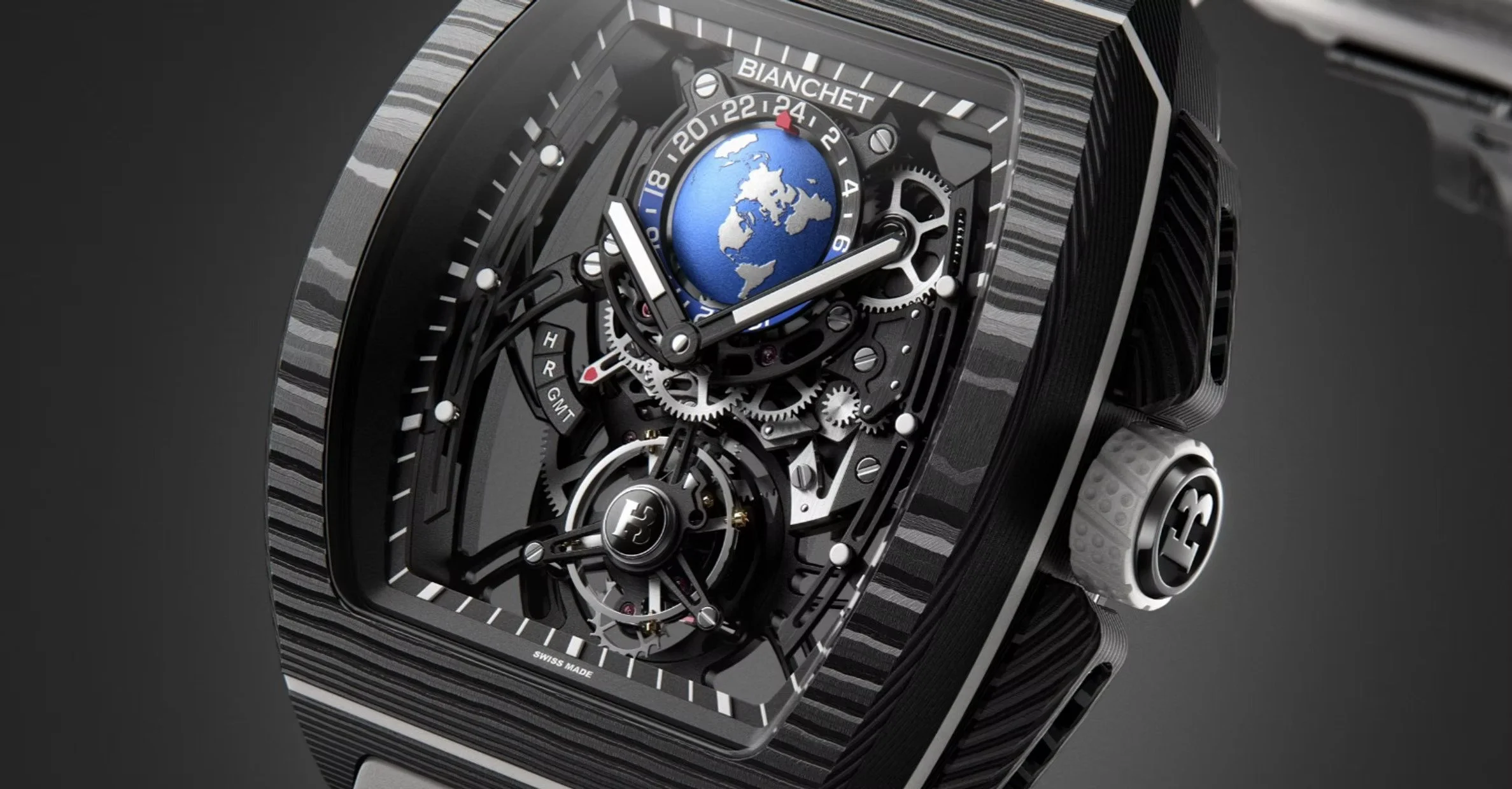
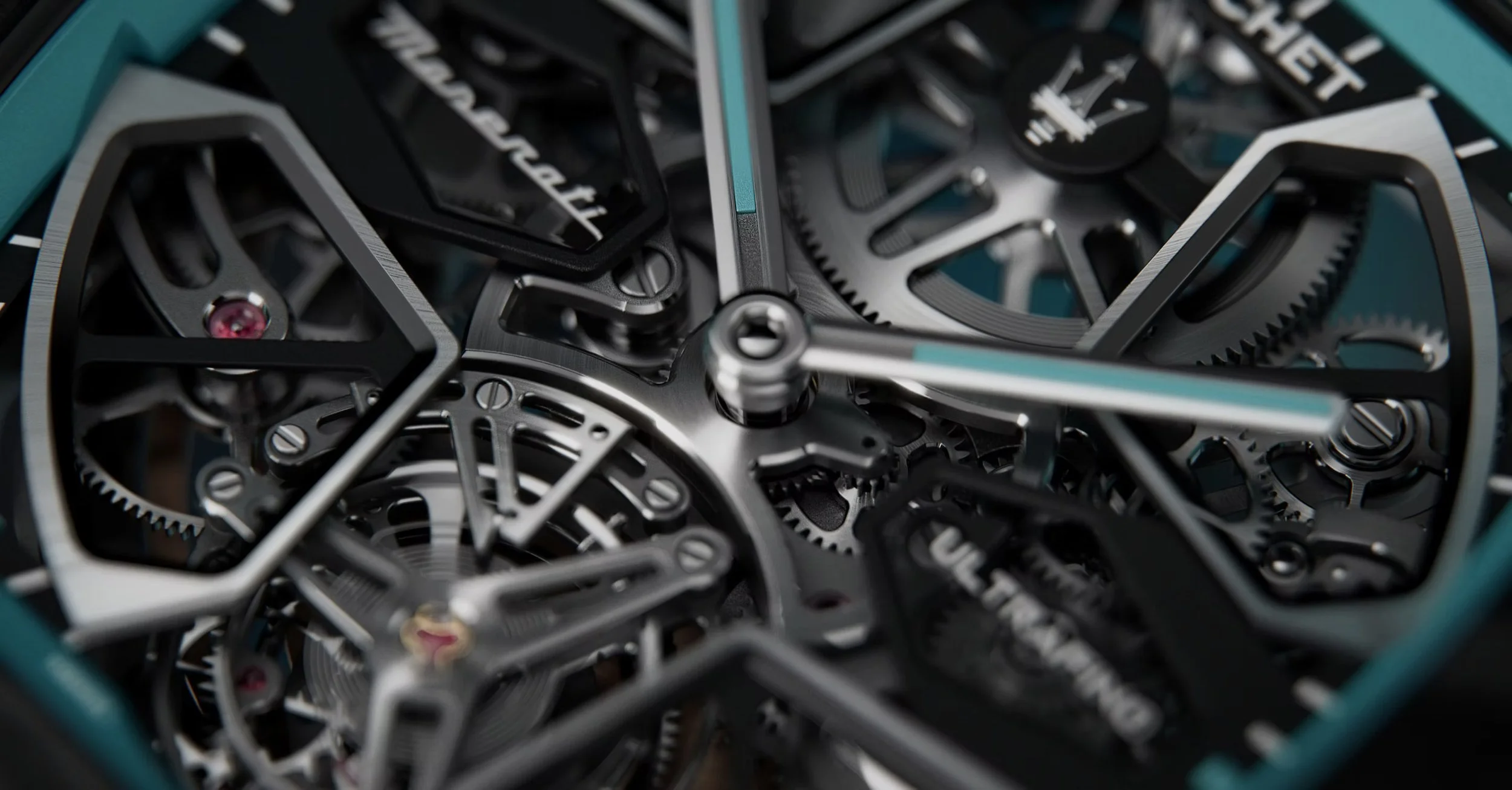
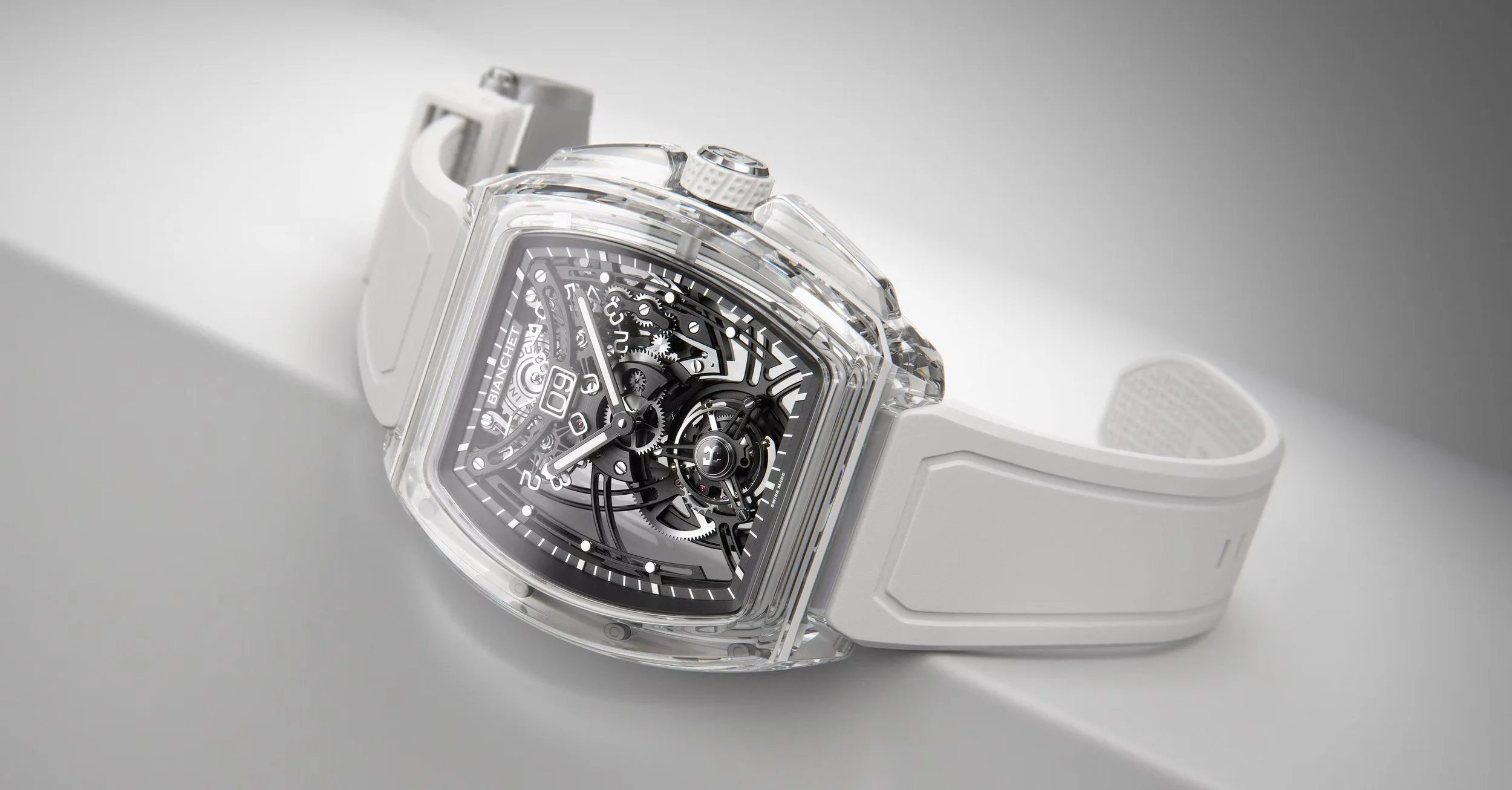
One thing Bianchet undeniably gets right is technical execution. The watches are remarkably sophisticated for such a young maison, particularly when you consider the complexity involved in developing in house flying tourbillon calibres. Their movements are ultra thin, highly skeletonised and extensively hand finished, with some bridges reportedly requiring over 30 hours of bevelling work alone.
Performance is another major talking point. Bianchet leans heavily into the idea that its watches are not delicate pieces of haute horology designed purely for safes and velvet trays. Shock resistance ratings of 5,000G and water resistance up to 100 metres are repeatedly emphasised throughout the collection. That combination of exotic engineering and sports watch durability is clearly aimed at the same clientele drawn to brands like Richard Mille.
And that is where things become complicated.
The Bianchet UltraFino Tonneau collection is technically impressive, but visually it is difficult to ignore the Richard Mille comparisons. The curved tonneau case, exposed movement architecture, integrated straps and lightweight carbon construction all sit firmly within a design language that Richard Mille effectively made its own over the past two decades. While Bianchet certainly adds its own flourishes through geometric symmetry and Golden Ratio based construction, there are moments where the watches feel less inspired by Richard Mille and more like an alternate universe interpretation of the same idea.

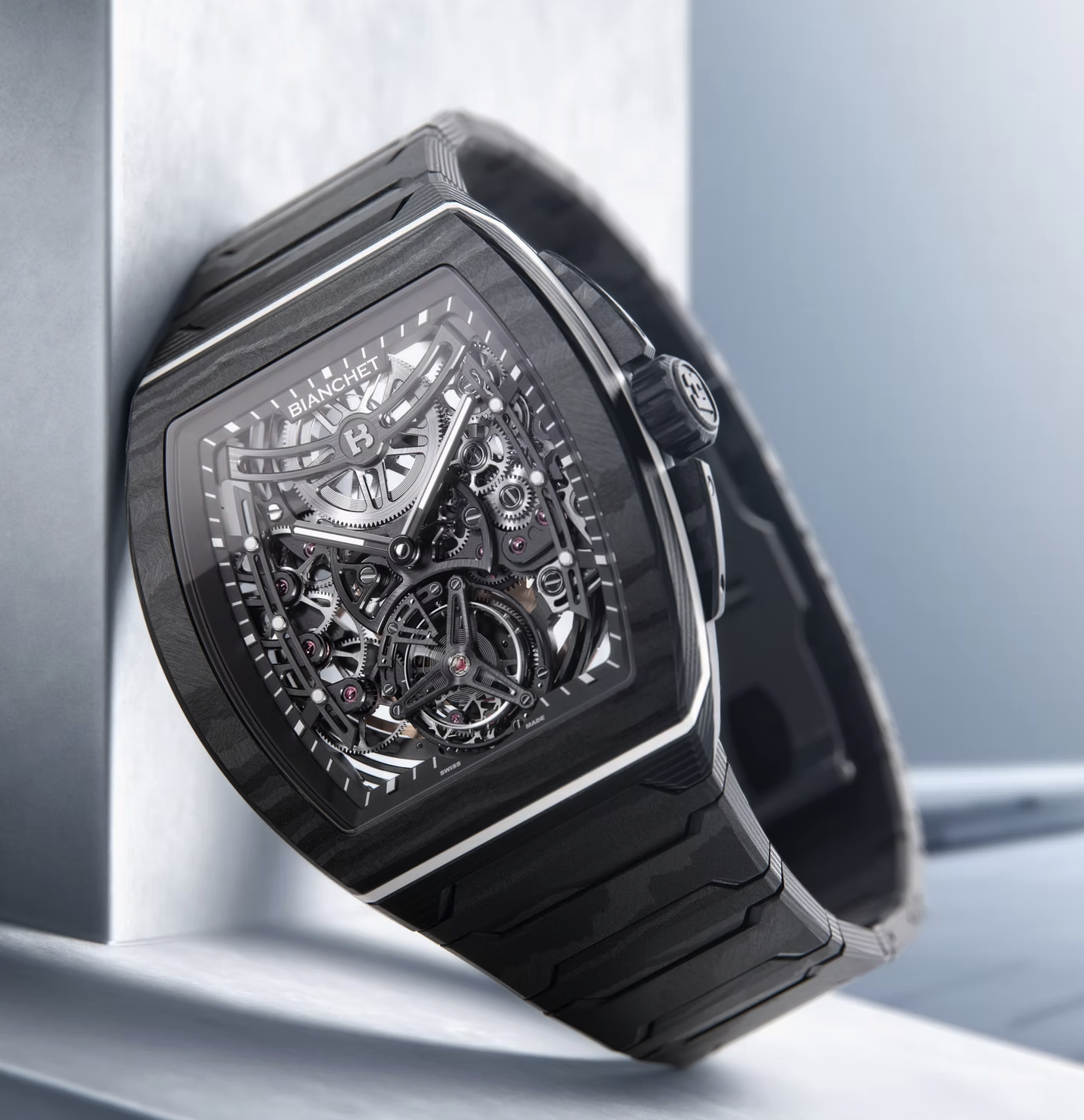
That is not necessarily a criticism. Many collectors will never own a Richard Mille, yet still love the futuristic hyper mechanical aesthetic. Bianchet offers a similarly dramatic wrist presence while positioning itself as a more niche and artisanal proposition. But it does raise the unavoidable question every emerging independent faces today: how do you stand out when the market leader already dominates the visual identity of the category?
The new Rotondo collection
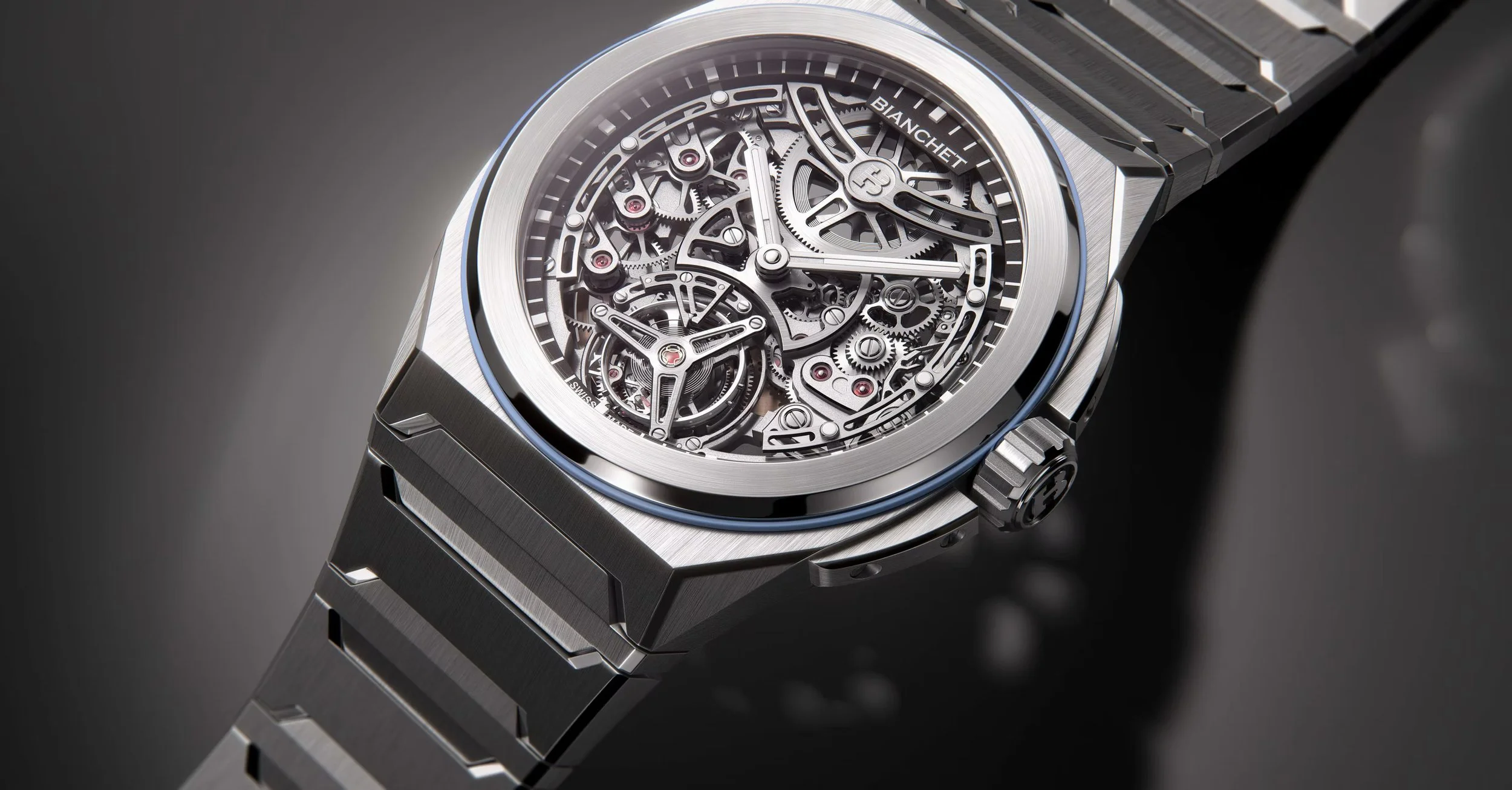
To the brand’s credit, Bianchet has recently started broadening its horizons. The new Rotondo collection marks the company’s first move away from its signature tonneau form, introducing a more rounded integrated sports watch silhouette while retaining the skeletonised flying tourbillon architecture underneath.
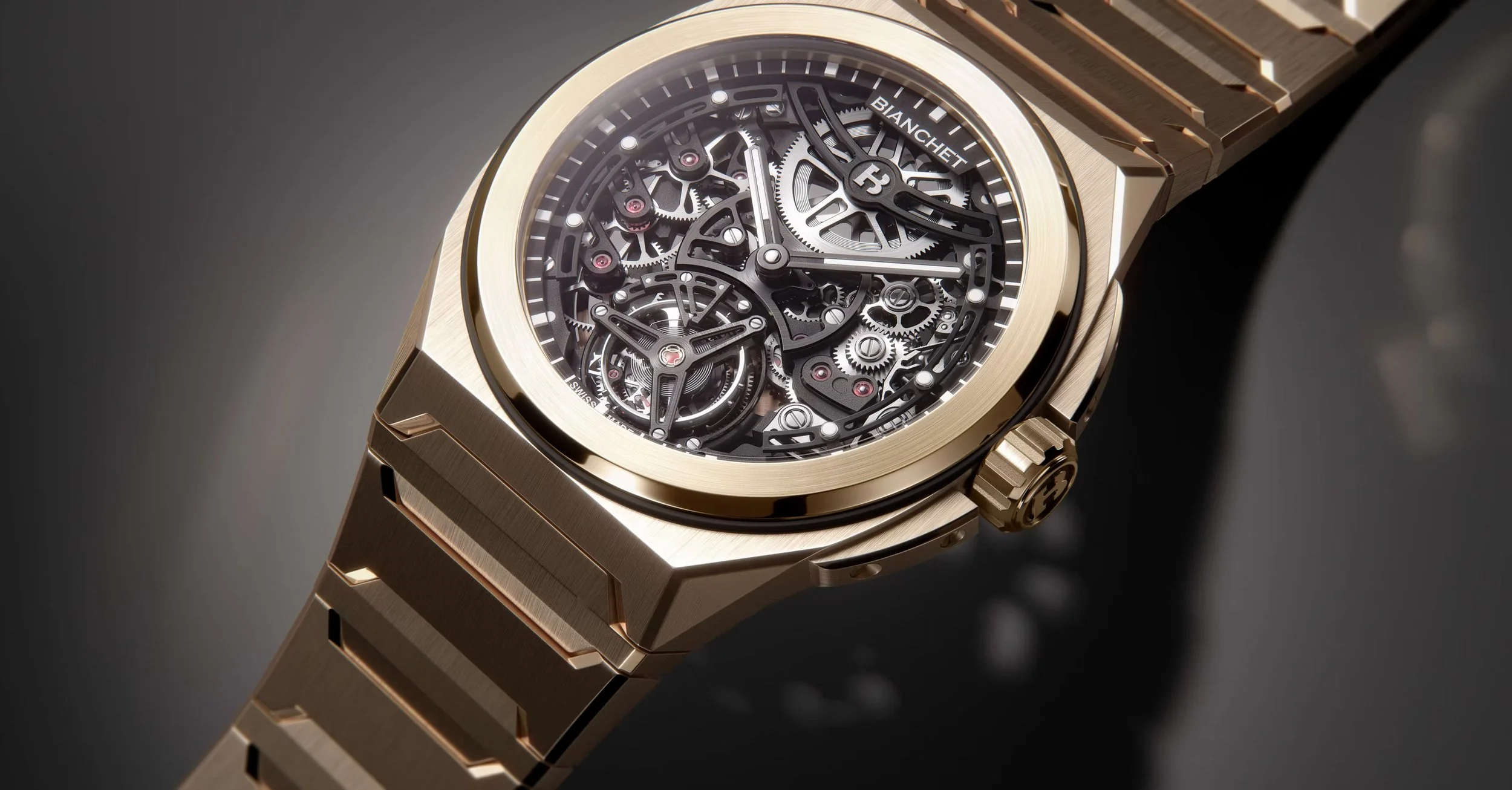
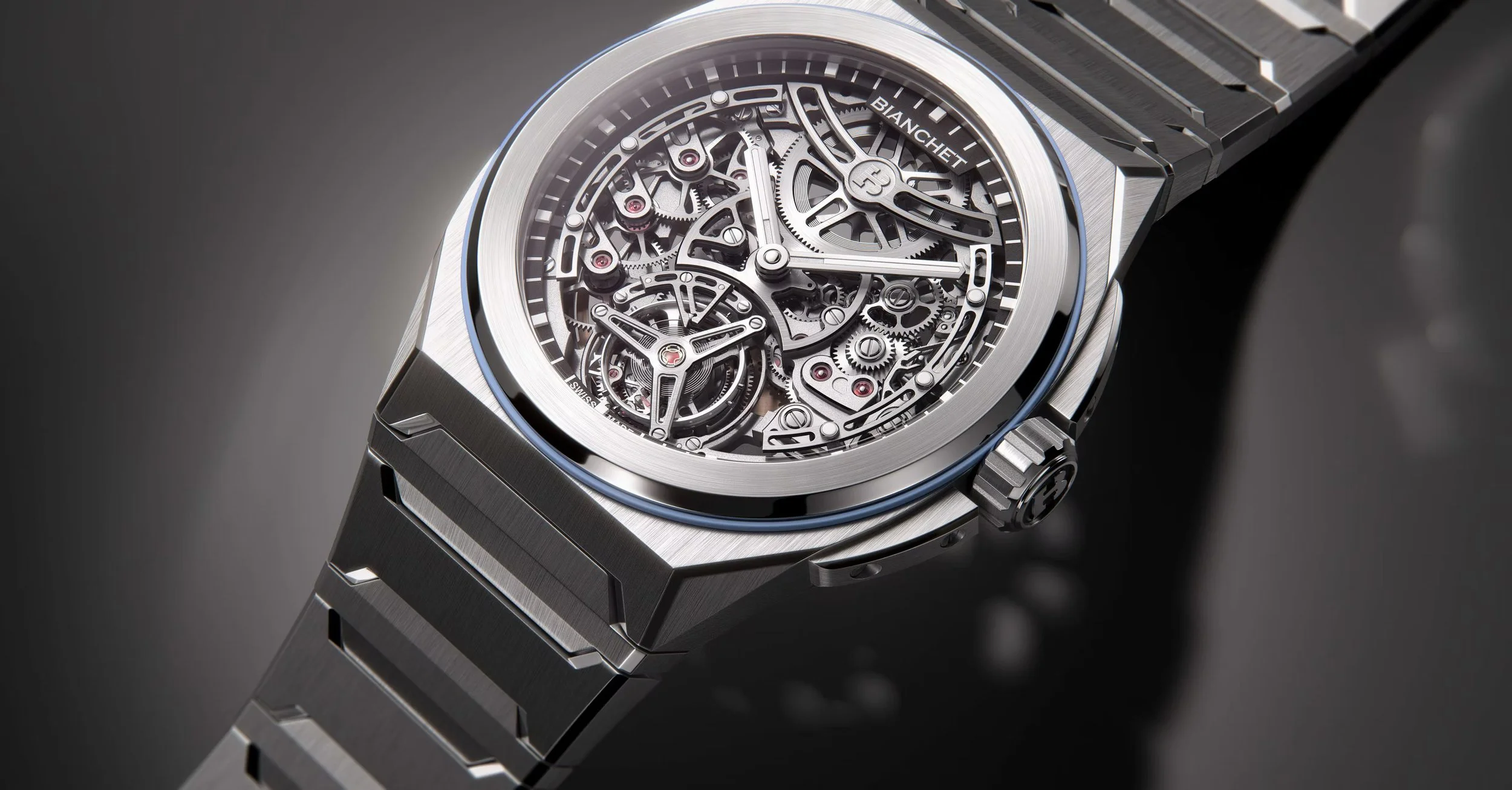
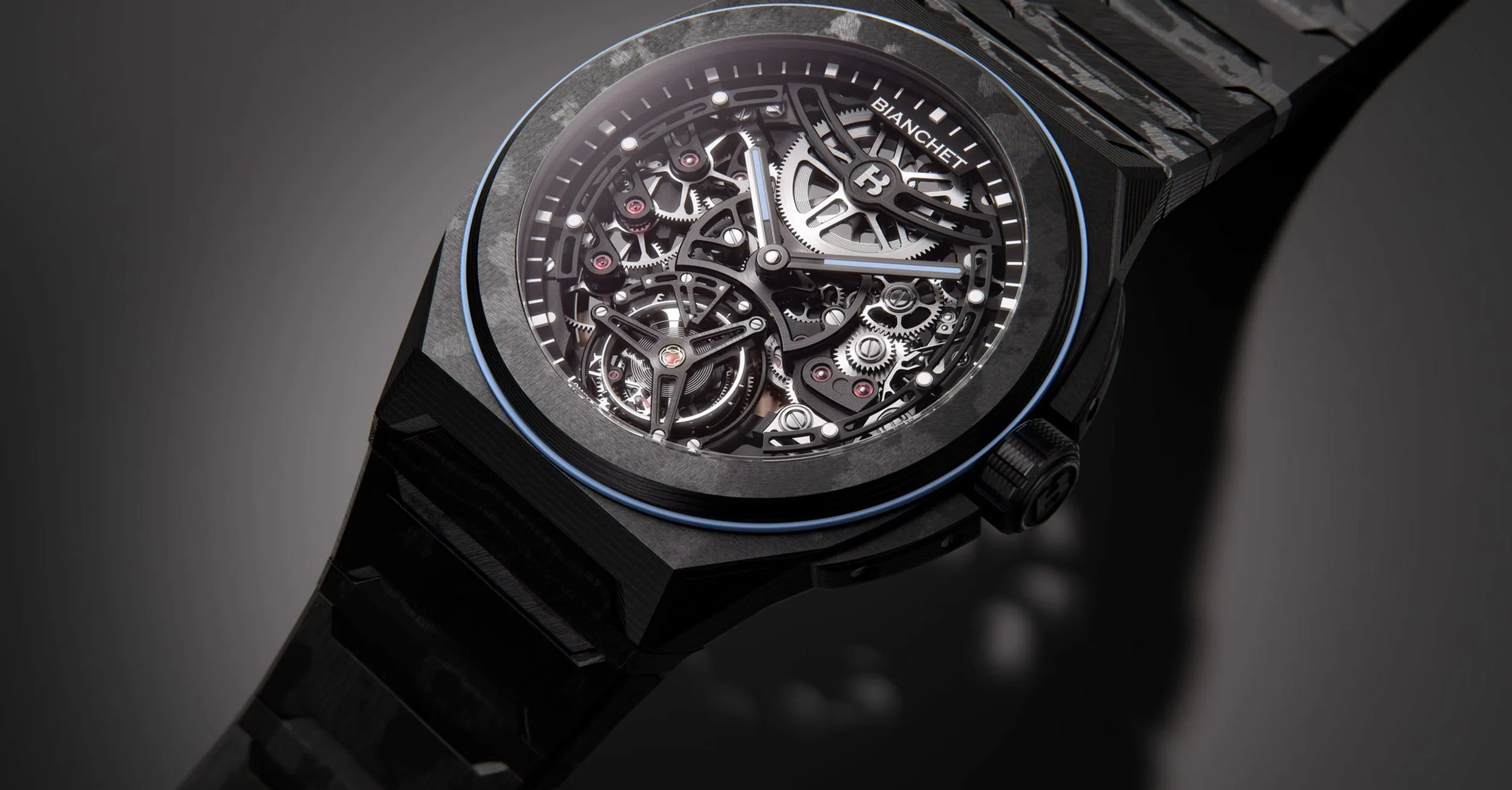
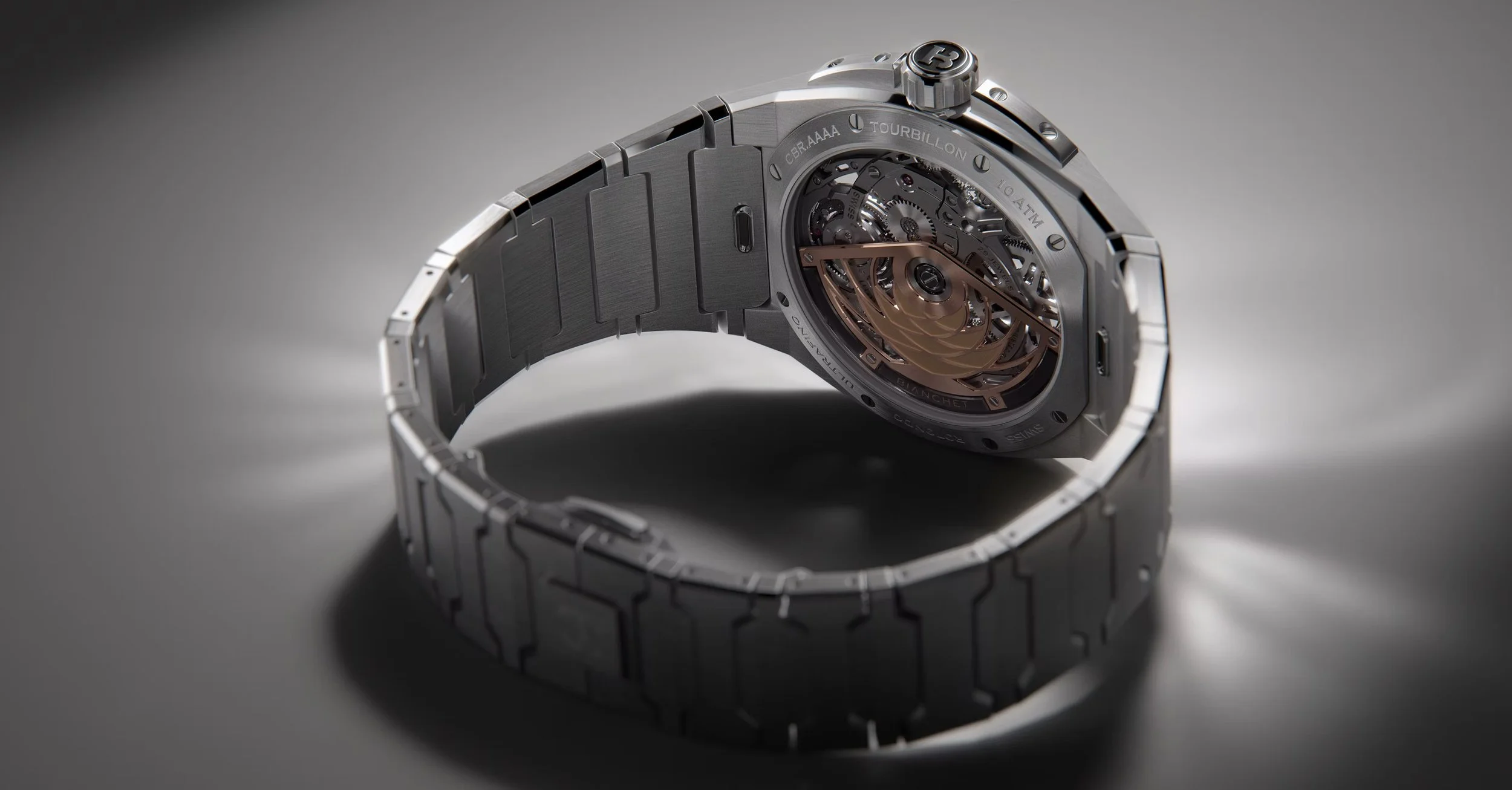
The UltraFino Rotondo is arguably the most interesting watch Bianchet has produced so far because it feels less derivative and more self assured. Available in titanium, carbon and even full gold configurations, the watch combines a 39.5mm rounded case with the brand’s ultra thin UR01 flying tourbillon calibre. Despite measuring just 8.9mm thick, it still maintains the brand’s obsession with structural rigidity and lightweight performance.
Visually, the Rotondo feels cleaner and more resolved than some of the earlier references. The integrated bracelet works particularly well, and the rounded bezel softens the otherwise highly angular movement design. It is still unmistakably modern haute horology, but there is a maturity here that suggests Bianchet may finally be moving towards a clearer identity of its own.
And perhaps that is the real challenge facing brands like Bianchet today.
The level of engineering in contemporary independent watchmaking is astonishing. We now live in a world where young brands can produce skeletonised titanium flying tourbillons with microscopic tolerances, hand finished components and advanced carbon composite cases that would have seemed impossible twenty years ago. Technically, Bianchet deserves enormous respect for what it has achieved in such a short time.
But luxury watches have never been purely about engineering.
The most iconic brands in horology possess something harder to manufacture than tourbillons or carbon fibre cases. They have mythology. Character. Instantly recognisable identity. They have the elusive X factor that transforms an impressive watch into a truly desirable one.
Bianchet makes beautifully engineered, beautifully finished and undeniably ambitious watches. Yet like many modern high horology independents fighting for attention in an increasingly saturated market, the brand still feels like it is searching for that final ingredient which elevates technical excellence into genuine emotional connection.
