
There are new watch brands, and then there are new watch brands.
Some arrive with a familiar looking three hander, a reasonably attractive dial and a Kickstarter campaign ready to go. Others seemingly decide that the sensible way to introduce themselves to the world is with a highly complicated tourbillon, a proprietary movement and production numbers so small that you have a better chance of finding a quiet pub in central London on a Friday night.
Cavasino falls firmly into the latter camp.
Based in Le Brassus, at the heart of Switzerland's Vallée de Joux, Cavasino is the creation of Didier Cavasino, an engineer with roots in competitive mechanics and 17 years of experience within Swiss watchmaking. His ambition is to combine modern engineering with traditional Swiss craftsmanship, working alongside specialist artisans to create highly exclusive mechanical watches.
The result so far is split across two collections: the DCR 01 and the DCT 02.
While the two share a common mechanical DNA, they represent two distinctly different interpretations of what Cavasino believes modern haute horlogerie can be. And this is where things get rather interesting.
The DCR 01: Where Cavasino Begins
The DCR 01 is more than simply a watch collection. It is effectively the foundation upon which Cavasino has been built.
The collection's movement was the first calibre created by the maison and represents three years of development. At its centre is a flying tourbillon, accompanied by a micro rotor and twin barrels, all arranged within an unusually architectural movement design.
There are 196 components in the calibre, with extensive hand finishing throughout.
Bridges feature hand beveling and Côtes de Genève, while the movement incorporates polished steel components, hand finished wheels and a white gold micro rotor that is engraved and hand hammered before being finished with translucent enamel. Even components that will never be seen once the movement is assembled receive attention, including circular graining on the underside of bridges.
Basically, Cavasino has taken the phrase "if you can't see it, why bother?" and thrown it directly out of the nearest window.
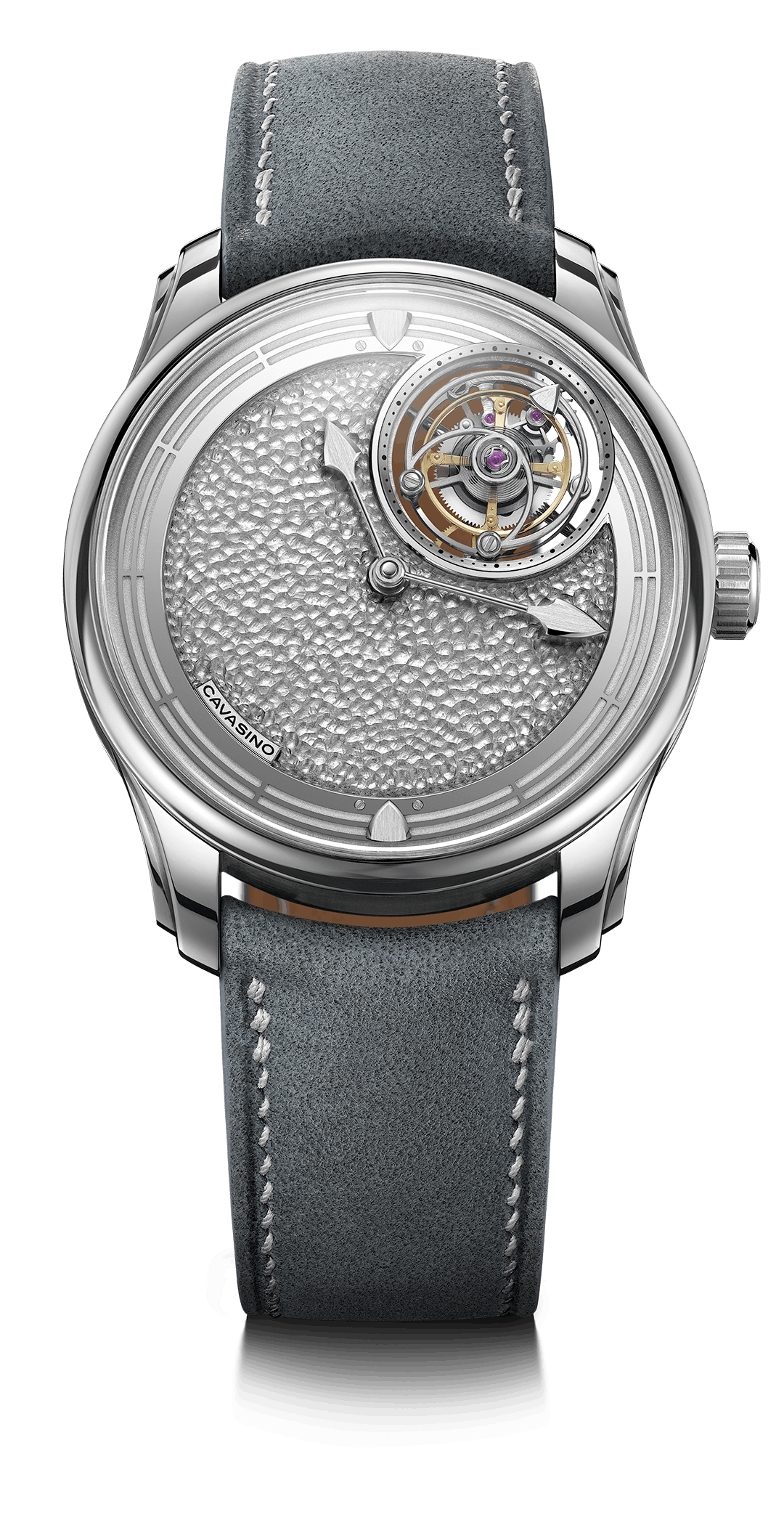
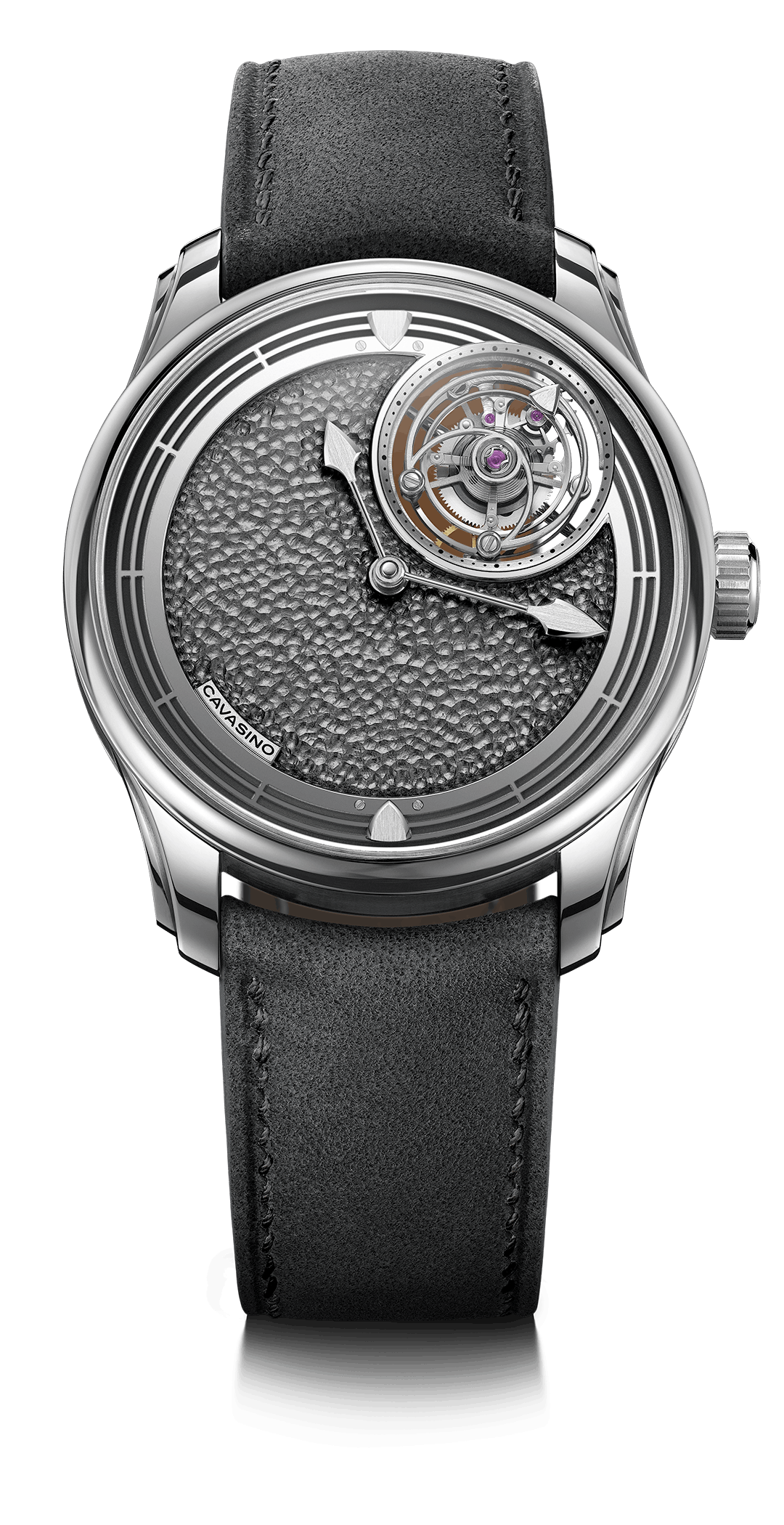
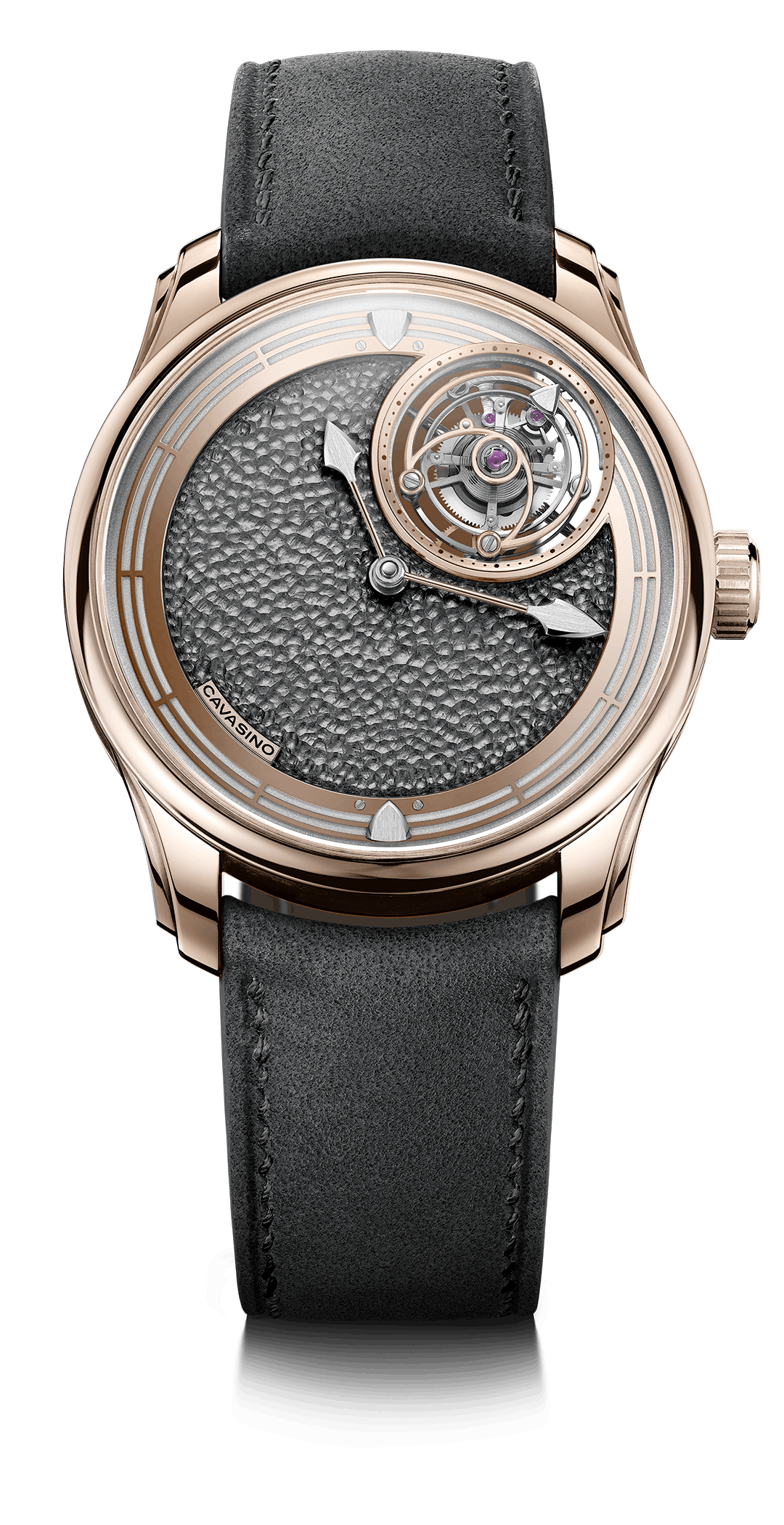
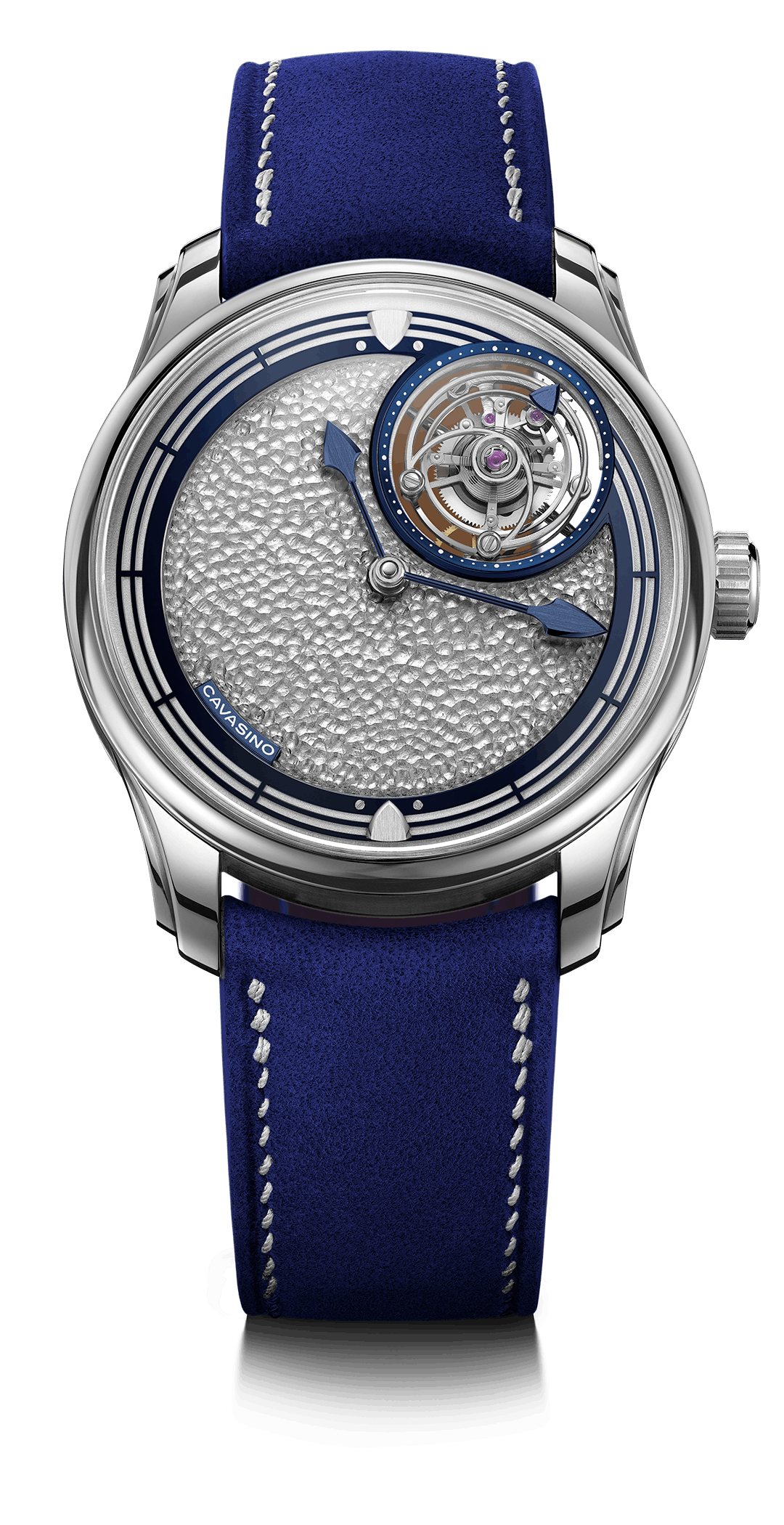
Four DCR 01 Editions
The DCR 01 collection is deliberately tiny. Just 50 watches were created across four different case executions, making the collection as much a statement of intent as a conventional product range.
The DCR 01 Titanium is limited to just 20 pieces and uses Grade 5 titanium, giving the inaugural tourbillon a distinctly technical character.
The DCR 01 Platinum follows with 12 pieces, bringing a considerably more traditional precious metal presence to the design.
Then comes the DCR 01 Rose Gold, limited to just eight pieces. The warm 5N rose gold changes the character of the watch considerably, softening the otherwise technical architecture and giving the movement a warmer visual presence.
Finally, there is the DCR 01 Steel, of which just five pieces were produced. Five. For context, some brands produce more watches in a particularly productive afternoon. The cases themselves are made in collaboration with Voutilainen & Cattin SA and use Grade 5 titanium, 904L stainless steel, 5N rose gold and platinum. Each is finished using a combination of polished, satin and brushed surfaces.
The result is an inaugural collection that manages to combine traditional haute horlogerie with a decidedly contemporary mechanical aesthetic. But Cavasino wasn't finished there.
Enter The DCT 02
If the DCR 01 is the foundation, the DCT 02 is Cavasino asking what happens when that foundation is pushed considerably further.
According to Didier Cavasino, the DCT 02 takes the architecture of the DCR 01 and pushes it in a new direction, while placing the master artisan at the centre of the finishing process. The underlying architecture remains the same, but the visual language changes dramatically.
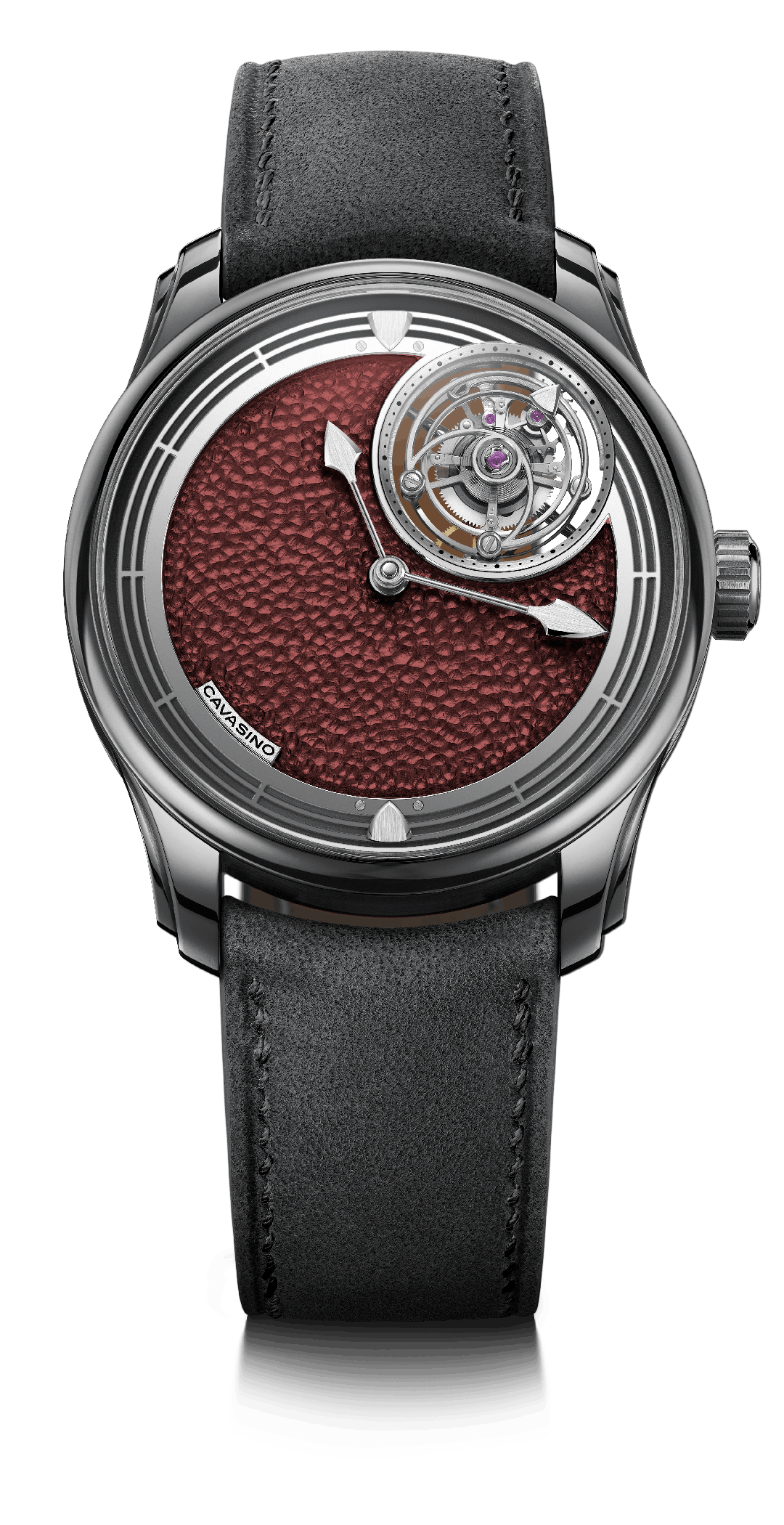
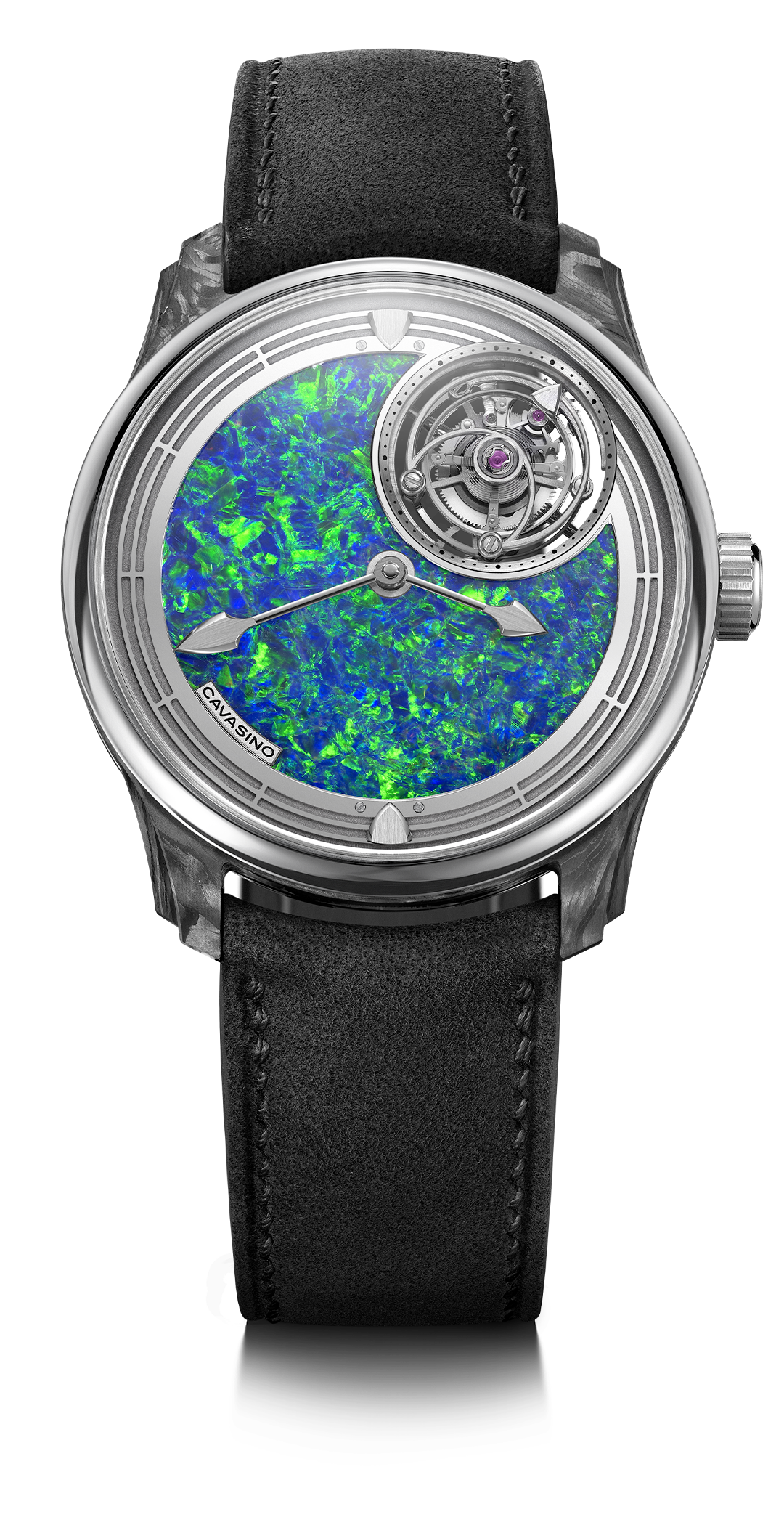
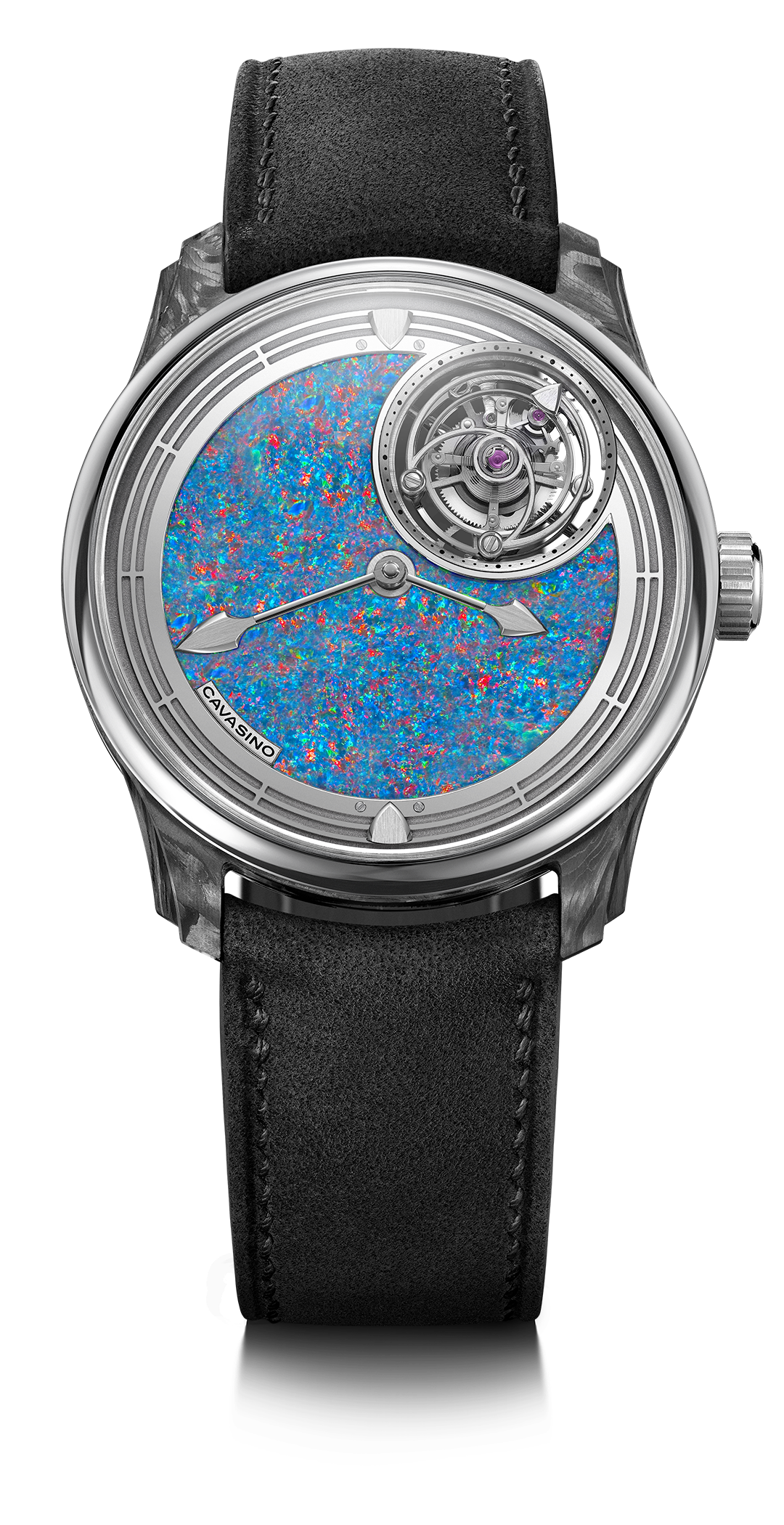
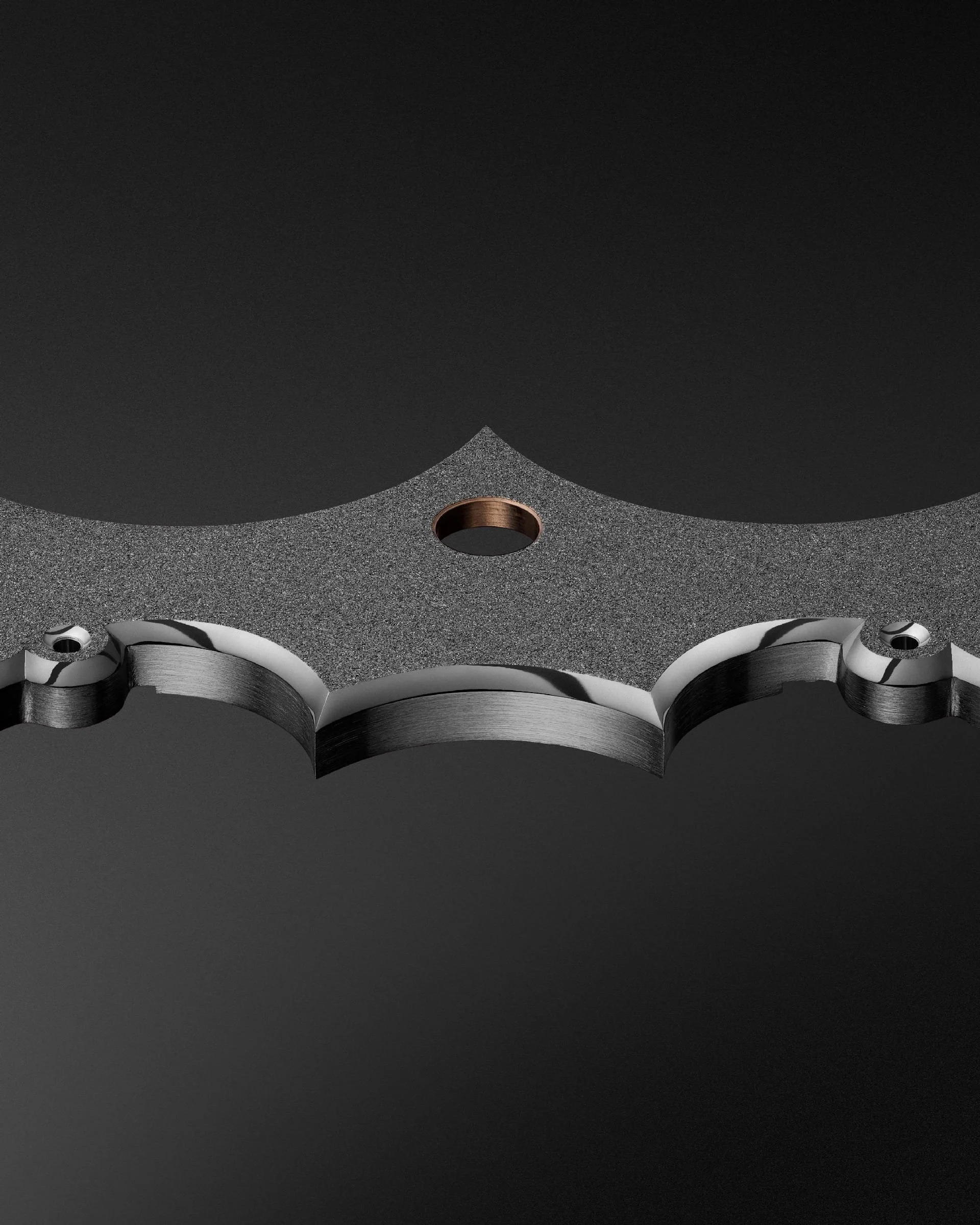
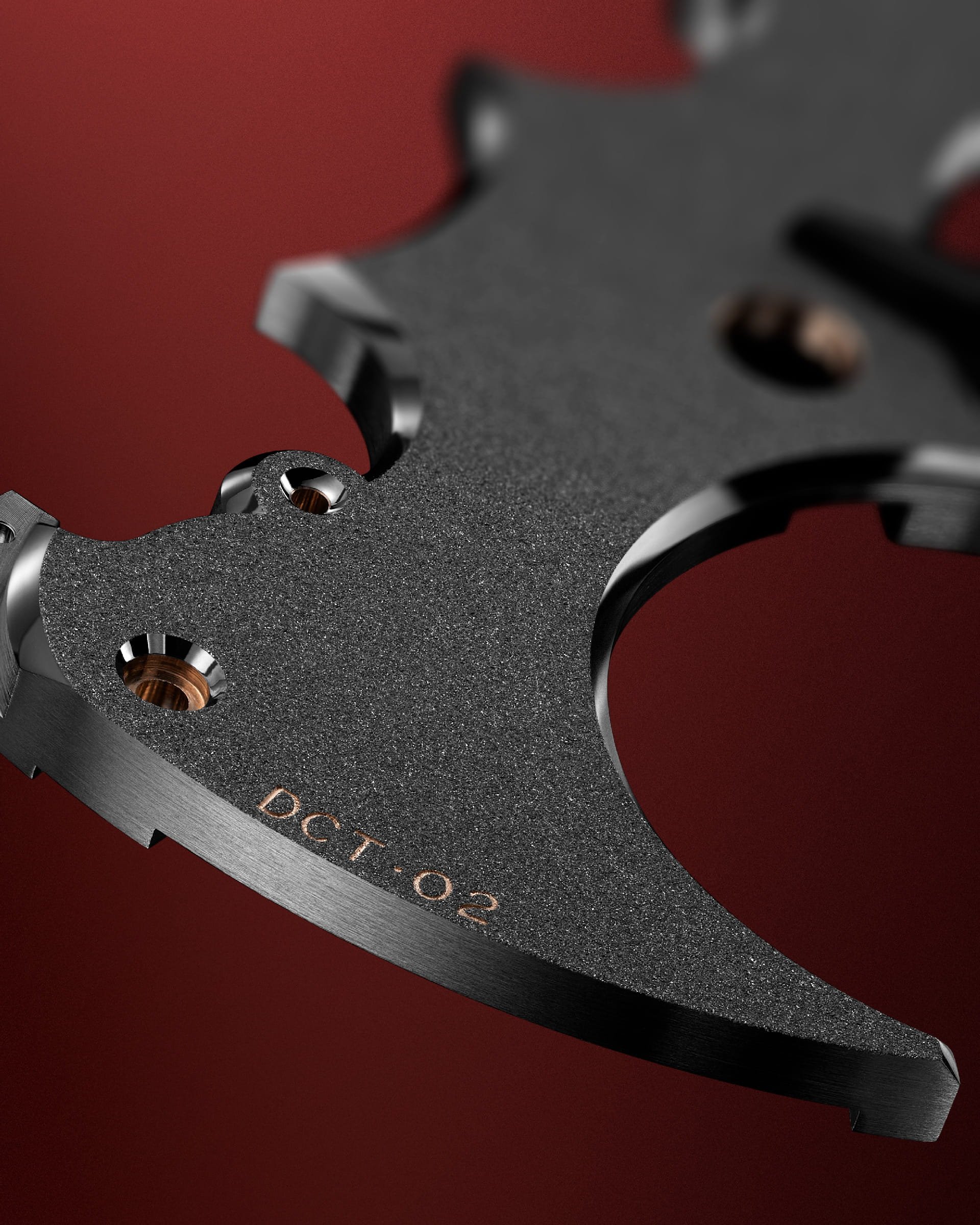
The traditional finishing associated with the DCR 01 gives way to something much more contemporary. The bridges and main plate of the DCT 02 are produced entirely from titanium, an incredibly demanding material to finish by hand.
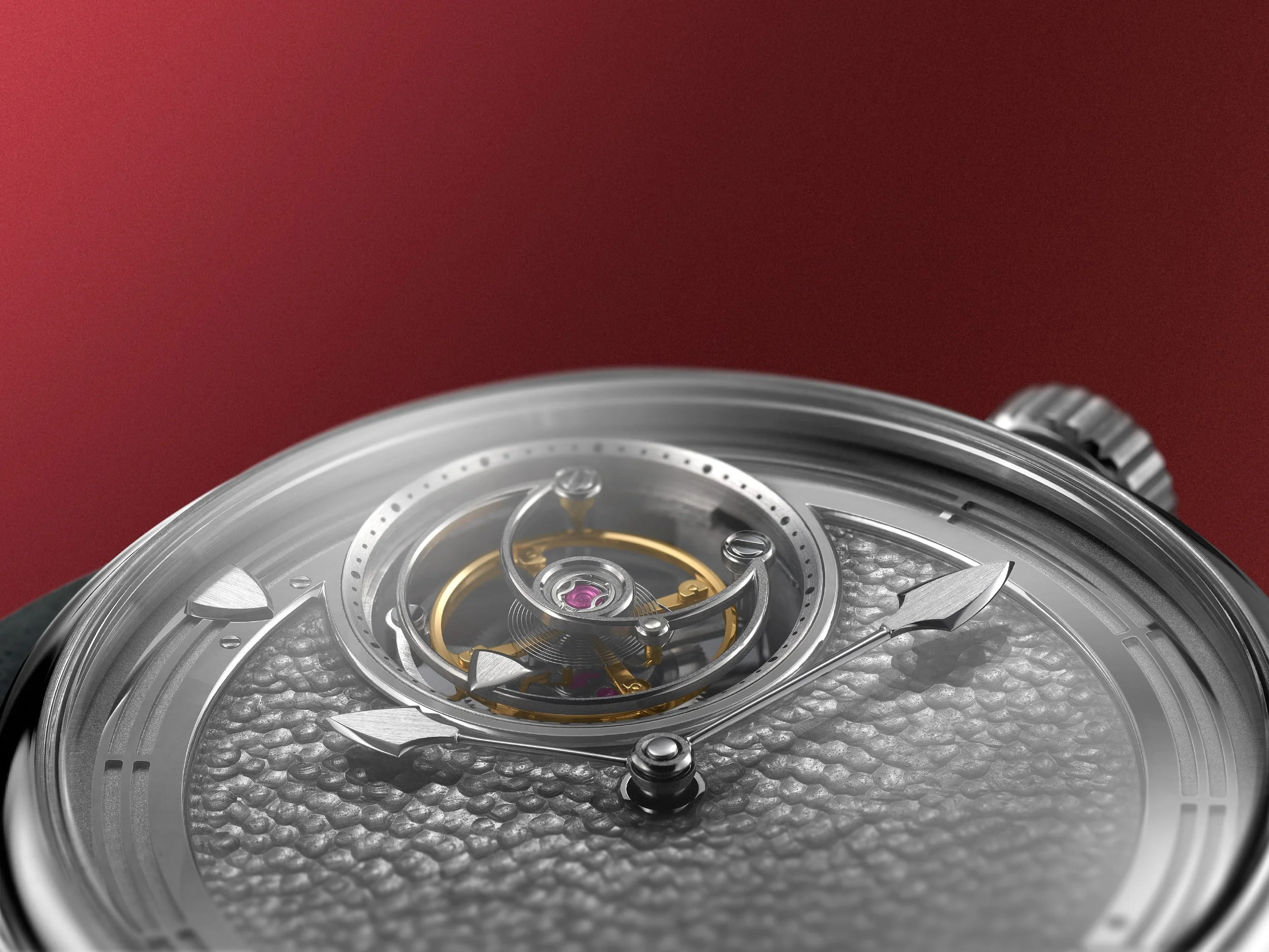
Rather than traditional Geneva stripes, the bridges receive a bold hand grained finish.
It gives the movement a much more architectural appearance and, frankly, makes it look like someone has taken a traditional haute horlogerie movement and given it a rather serious architectural renovation.
Engineering Meets Emotion
Perhaps the most striking development with the DCT 02 is the use of materials.
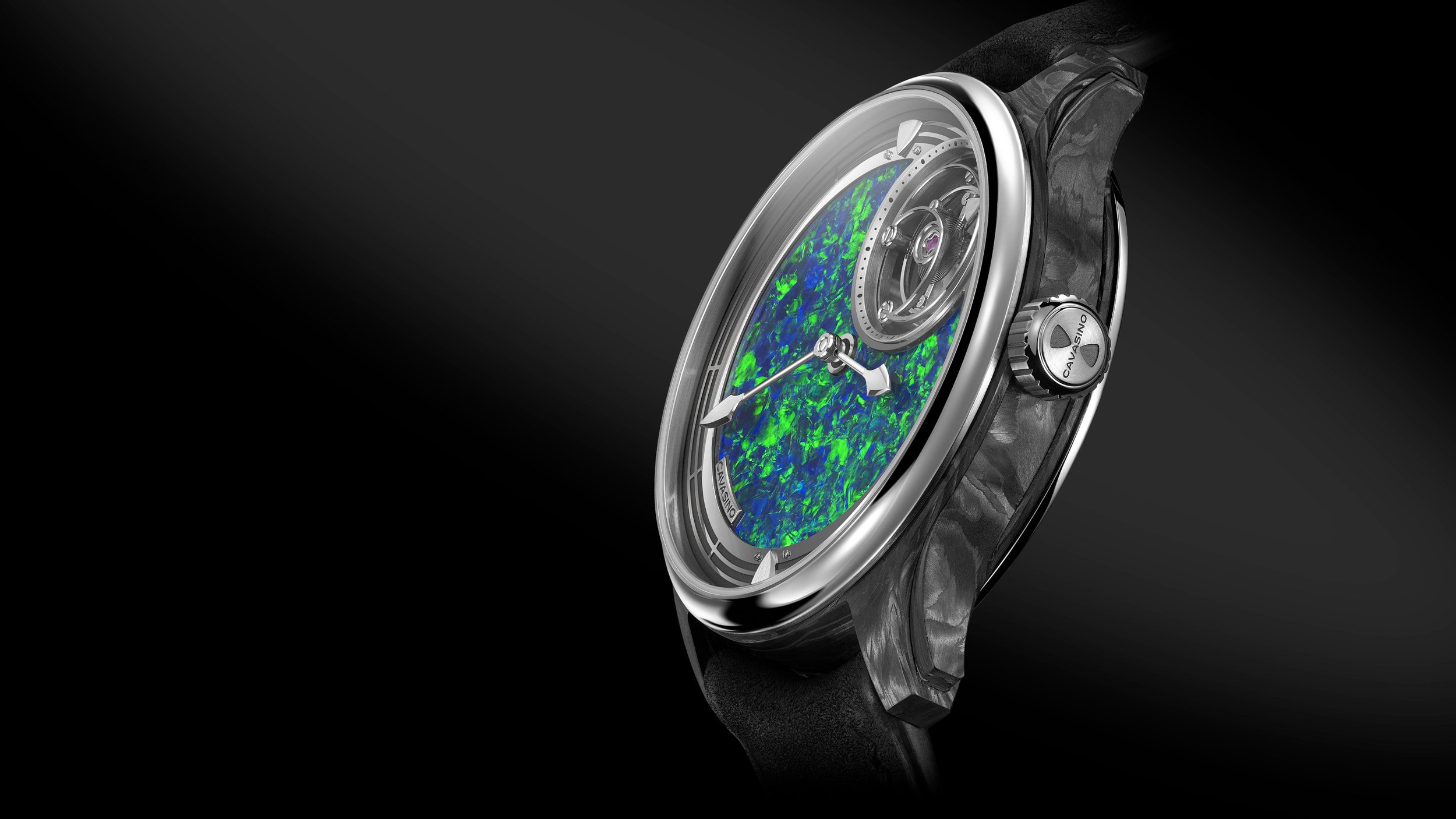
The DCT 02 Carbonium Opal Green combines Carbonium with natural Australian opal, creating a sharp contrast between an advanced engineered material and something that has been doing its own thing in nature for rather a long time.
The green edition is limited to just 10 pieces.
There is also a DCT 02 Carbonium Opal Red, limited to five pieces.
The opal isn't simply there as a decorative flourish. Its natural variation means every piece has its own visual character, creating a much more organic contrast against the technical Carbonium construction.
Then there is the DCT 02 Tantalum Edition, limited to eight pieces.
It is a considerably more monochromatic proposition, but one that allows the movement architecture and hand finishing to take centre stage.
A Modern Take On Traditional Finishing
One of the most interesting things about the DCT 02 is that Cavasino hasn't simply decided to abandon traditional watchmaking in favour of modern materials.
Instead, it is combining the two.
The movement's twin barrels are hand guilloché by Brodbeck Guillochage, bringing an extremely traditional decorative technique into a movement that otherwise looks thoroughly modern.
Rose gold wheels and chatons add warmth to the predominantly titanium construction, while the platinum micro rotor receives a contemporary hammered finish inspired by the maison's original subscription watch.
It is this contrast that seems to define Cavasino.
Old techniques.
New materials.
Traditional craftsmanship.
Modern engineering.
And a rather unhealthy obsession with finishing.
Two Collections, One Philosophy
Although the DCR 01 and DCT 02 look different, they aren't completely separate ideas.
The DCT 02 deliberately builds upon the architecture established by the DCR 01.
That makes the two collections particularly interesting when viewed together.
The DCR 01 represents Cavasino's opening statement. It demonstrates the brand's approach to movement architecture, finishing, materials and the use of independent artisans.
The DCT 02 takes that same foundation and changes the visual language.
Where the DCR 01 leans more heavily into the established traditions of Swiss haute horlogerie, the DCT 02 deliberately introduces stronger contemporary elements.
In Cavasino's own words, the DCR 01 celebrates the great traditions of Swiss haute horlogerie, while the DCT 02 takes the movement in an entirely different direction.
And that distinction is important.
This isn't simply a case of releasing the same watch in a new case material and calling it a new collection.
The philosophy behind the movement has evolved.
The People Behind The Watches
For all the talk of materials, tourbillons and beautifully finished movements, there is another part of Cavasino that deserves attention.
The people.
Didier Cavasino describes the craftsmen and specialists involved in the project as more than partners, referring to them as friends. The brand has been deliberately built around collaboration with specialists who bring individual expertise to different elements of each watch.
That philosophy is important because independent haute horlogerie is ultimately about people.
A machine can produce a component to incredibly tight tolerances, but hand finishing still depends on an individual craftsman's skill, patience and experience.
Cavasino says its components are produced to tolerances of around two microns, combining advanced machining and optical control with traditional hand finishing techniques.
It is an approach that neatly sums up the brand.
Technology gets you incredibly close.
Human craftsmanship takes you the rest of the way.
Not A Watch For Everyone
Cavasino is operating at the very top end of the watchmaking world, where production numbers are measured in single digits rather than thousands.
That inevitably means these aren't watches designed for mass appeal.
The DCR 01 collection was limited to 50 pieces in total, while the individual DCT 02 editions are similarly restricted, with five, eight and 10 piece runs depending on the configuration.
But perhaps that is precisely the point.
Cavasino isn't trying to become another luxury watch brand producing tens of thousands of watches a year.
It is attempting to establish itself within the world of independent Swiss haute horlogerie, where individuality, craftsmanship and extremely limited production are part of the appeal.
Winding Things Up
Cavasino may be a young name, but its watches certainly don't feel like tentative first steps.
The DCR 01 arrived as the brand's inaugural statement, built around a proprietary tourbillon movement, traditional Swiss finishing and an extremely limited run of just 50 watches.
The DCT 02 then takes that same movement architecture and starts playing with the possibilities. Titanium bridges, contemporary hand graining, guilloché barrels, tantalum, Carbonium and natural Australian opal all bring a more experimental character to the collection.
Put simply, the DCR 01 shows us where Cavasino came from.
The DCT 02 gives us a rather better idea of where it might be going.
And that makes Cavasino a brand worth keeping an eye on.
Because when your first two collections involve flying tourbillons, proprietary movements, master artisans, hand guilloché and production numbers that could comfortably fit around a small dinner table, you get the feeling this isn't a brand planning to play it safe.
