
Indie Leaning Collectors: Who They Are, Why They Exist, And How To Tell If You Are One
There is a certain type of watch person who walks into a room, spots the obvious hype piece, nods politely, and then spends twenty minutes talking about a brand you have never heard of that makes forty seven watches a year out of a workshop behind a bakery in Helsinki.
Not in an annoying way. Not in a “my taste is better than yours” way. More in a “this is the fun bit of the hobby” way.
That is the indie-leaning collector.
They are not necessarily anti Rolex or anti big brands. They just get their dopamine from the stuff happening at the edges. The brave design decisions, the weird materials, the tiny teams, the prototypes, the stories that have not been worn smooth by marketing departments.
What “indie leaning” actually means
An indie leaning collector is someone whose default curiosity pulls them towards independents and microbrands, even if they also own mainstream watches. They like the idea that a watch can be a little rough around the edges, as long as it has soul.
They are usually more interested in intent than status. More interested in design choices than logo recognition. More interested in meeting the people behind the thing than proving anything to strangers.
They also tend to treat watches like a hobby again, not a scoreboard.
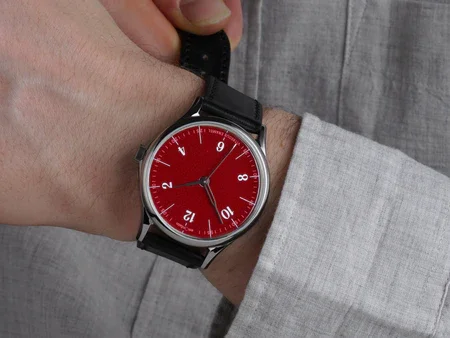
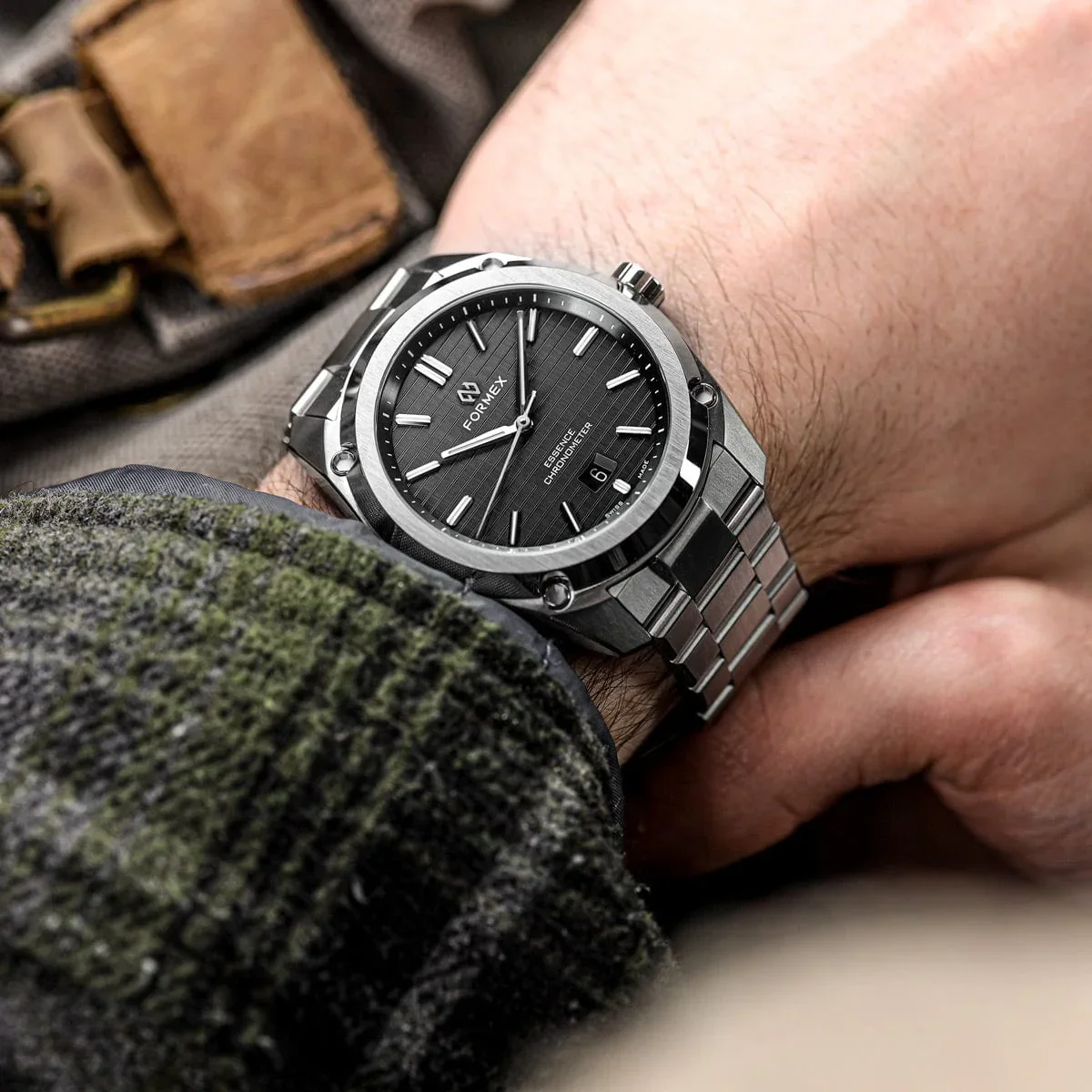
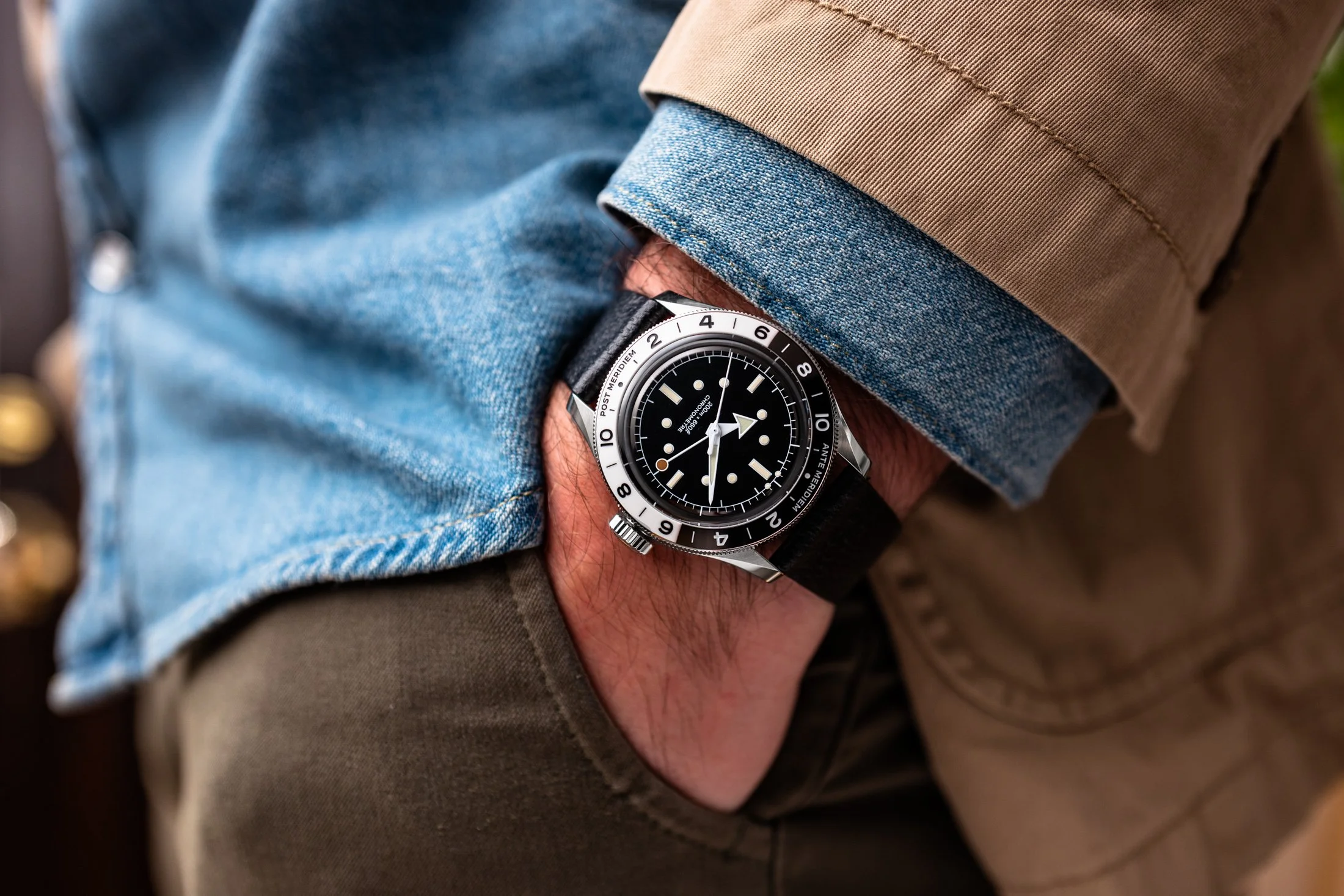
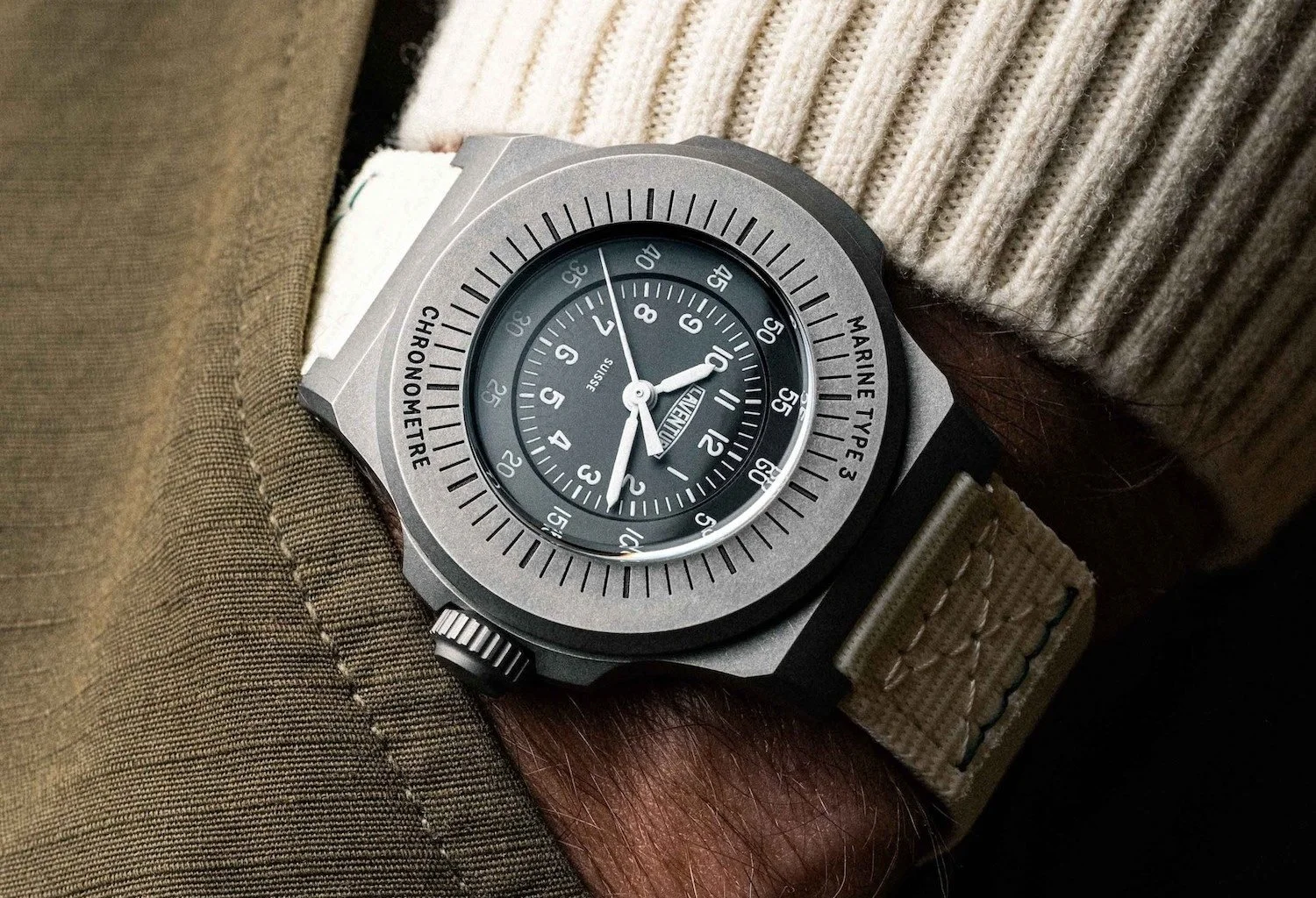
Why are more people becoming indie leaning now
Partly because the mainstream has become predictable. The big brands are brilliant at what they do, but the releases can start to feel like variations on a theme. One millimetre here. A new colour there. A jubilee bracelet where there used to be an oyster. Cue the internet losing its mind for a week.
Independents and microbrands fill the gap. They can take risks because they have to. They can be weird because being weird is a strategy. They can build identity faster because they are not trying to protect a hundred years of legacy every time they choose a handset.
And there is a quiet satisfaction in wearing something that does not require an explanation, but rewards one.
How to spot whether you are an indie leaning collector
If you recognise yourself in a few of these, welcome. You are probably one.
You get more excited by a brand story than a brand name. When someone says, “It is made by two people in a tiny studio,” your brain does not go to resale value. It goes to “show me the details.”
You care about design coherence more than prestige. You notice when the hands do not match the indices. You appreciate restraint. You get irrationally happy when a small brand nails case proportions.
You enjoy the chase, but not the flex. You like discovering. You like learning. You like being early. You do not need the room to know what is on your wrist.
You follow releases that other people miss. You are the person sending links in group chats that get no reaction for six hours, and then someone replies, “That is actually quite cool,” and you feel like you have achieved something.
You have opinions about movements, but you are not snobby about them. You know a Sellita can be brilliant when it is regulated properly. You also know when a microbrand is charging “in house money” for a generic spec sheet.
You like talking to founders. You like seeing sketches. You like the messy middle between idea and finished product. You respect the fact that small brands can be brilliant and flawed at the same time.
You have at least one watch you bought because it felt like a good decision emotionally. It might not be objectively perfect, but you wear it because it makes you happy. You forgive the small quirks because they are part of the relationship.
You are strangely tolerant of waiting lists, as long as they are honest. You can handle “shipping in eight weeks” if you believe the people behind it. What you cannot handle is vague promises and silence.
You have ever said the sentence, “It is not for everyone, but that is why I like it,” and meant it.
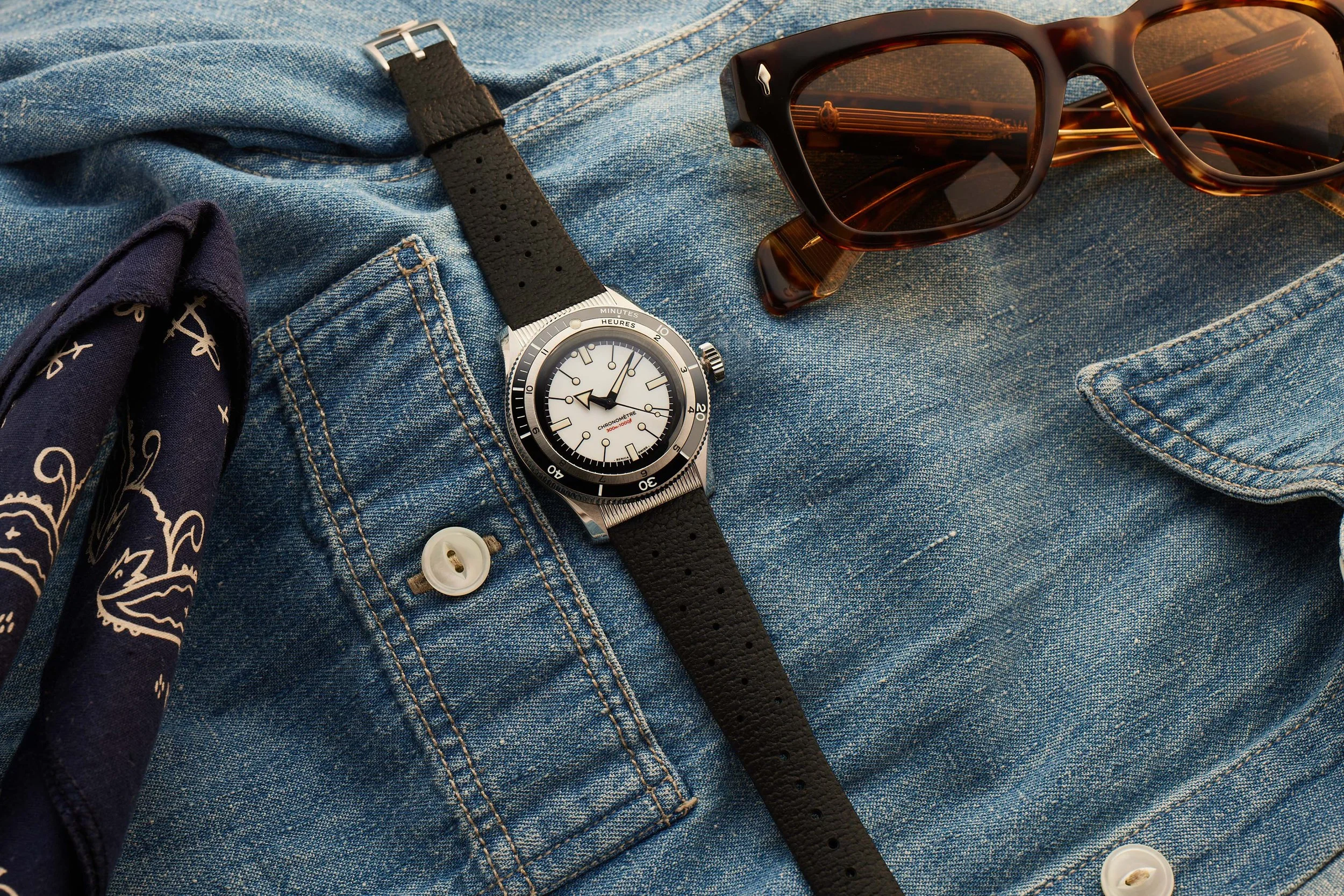
Credit - Serica
The indie leaning collector starter kit
If you are indie leaning, you probably buy with a different checklist, even if you don’t realise it yet.
You look for originality, even in small ways. You look for good typography. You look for finishing that makes sense at the price. You look for a brand that understands its own identity.
You also pay attention to the stuff that matters when the Instagram photos stop working. Case thickness. Lug shape. Crown feel. Legibility. How the watch wears at 4 pm on a Tuesday, not just how it looks on launch day.
And you care about the human layer. You want to know that the people behind the watch would still make it if nobody clapped.
The red flags indie leaning collectors learn to spot
Indie leaning does not mean blindly romanticising small brands. If anything, it makes you sharper.
A brand that borrows too heavily from icons without adding anything of its own is not “inspired”. It is hiding.
A brand that talks about community but does not show up, does not respond, or cannot communicate clearly will eventually frustrate you, no matter how nice the render looks.
A brand that inflates pricing without a clear reason usually reveals itself in the details. Finishing, tolerances, aftercare, and honesty are where the real value lives.
An indie leaning collector does not need perfection. They need integrity.
So, are you one
If the idea of wearing a watch that nobody recognises feels like freedom, you are probably indie leaning.
If you would rather have a great story and a great dial than a great logo, you are probably indie leaning.
If you find yourself cheering for the underdog brands when they nail a release, you are definitely indie leaning.
And if you are already mentally drafting a comment telling me which microbrand is doing it best right now, congratulations. You are home.