
Motorsport watches are having another moment, which is convenient because they never really stopped looking cool.
Cars and watches have always had an easy relationship. Both involve engineering, design, unnecessary expense and men explaining things at great length to people who did not ask. It is a natural fit.
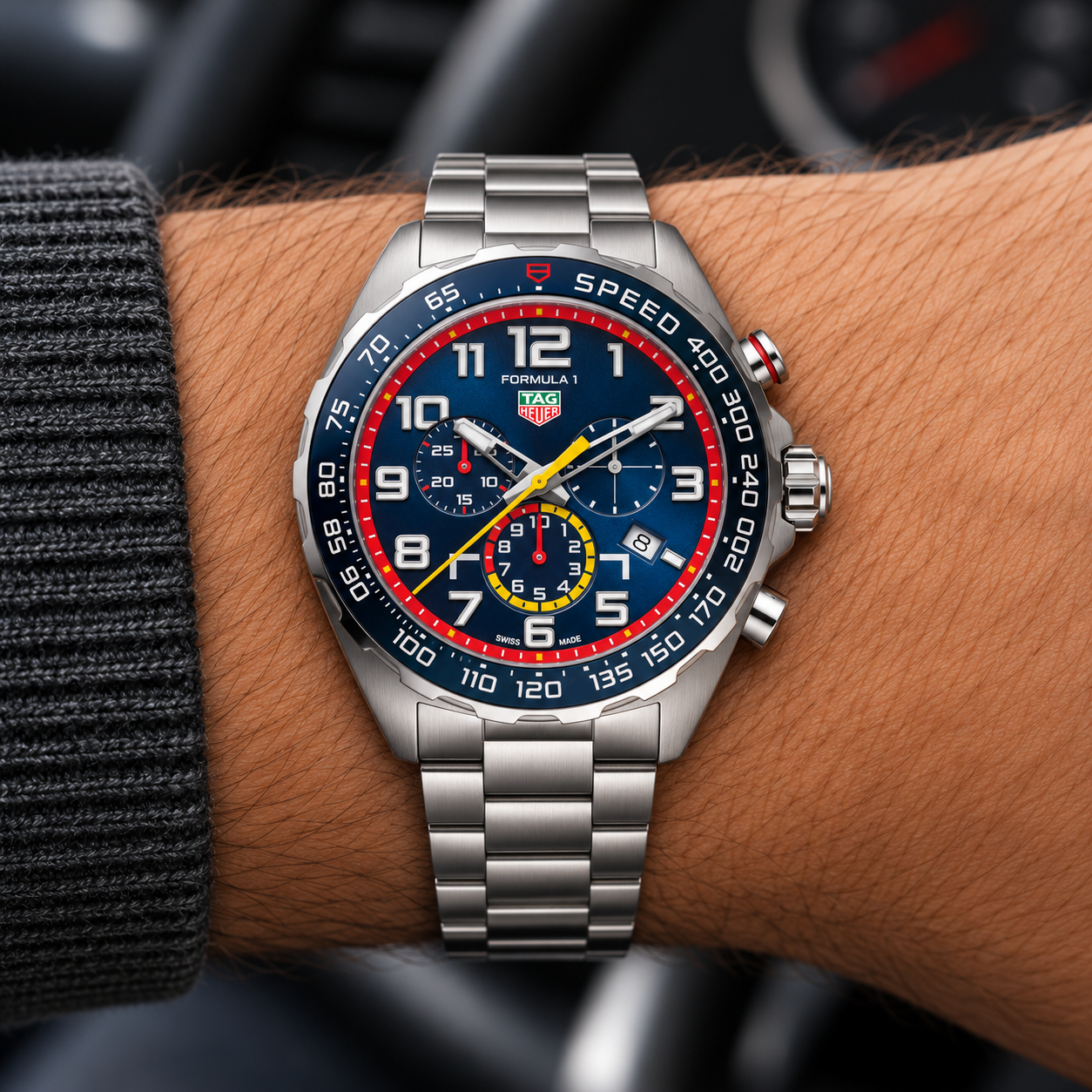
For decades, the obvious reference points were TAG Heuer, Rolex, Omega and the usual big names. Monaco. Daytona. Speedmaster Racing. All excellent. All famous. All so heavily discussed that starting another conversation about them feels like restarting Top Gear from series one.
The more interesting action now is happening with microbrands and independents.
Why? Because they can be more specific.
Big brands often sell motorsport as a glossy lifestyle. Microbrands can build around actual passion. Specific races. Particular eras. Obscure car culture. Dashboard instruments. Rally timers. Pit lane signage. The smell of petrol and mild financial irresponsibility.
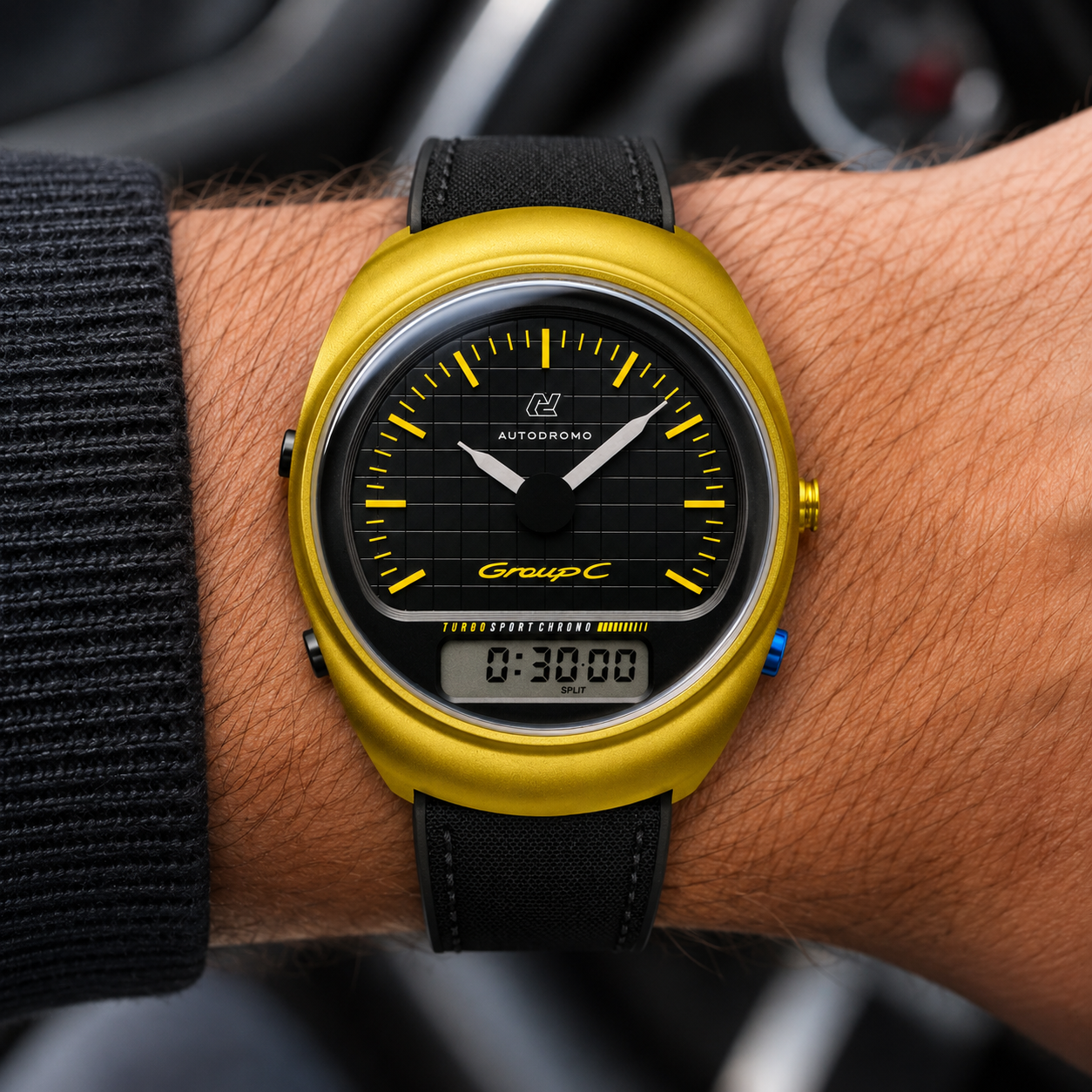
Autodromo is probably the best known example. Its watches do not just borrow motorsport aesthetics. They feel like they understand them. The Group B, in particular, captures the madness of 1980s rallying without looking like a souvenir from a petrol station. Lightweight, angular and properly distinctive, it has become something of a modern cult watch.
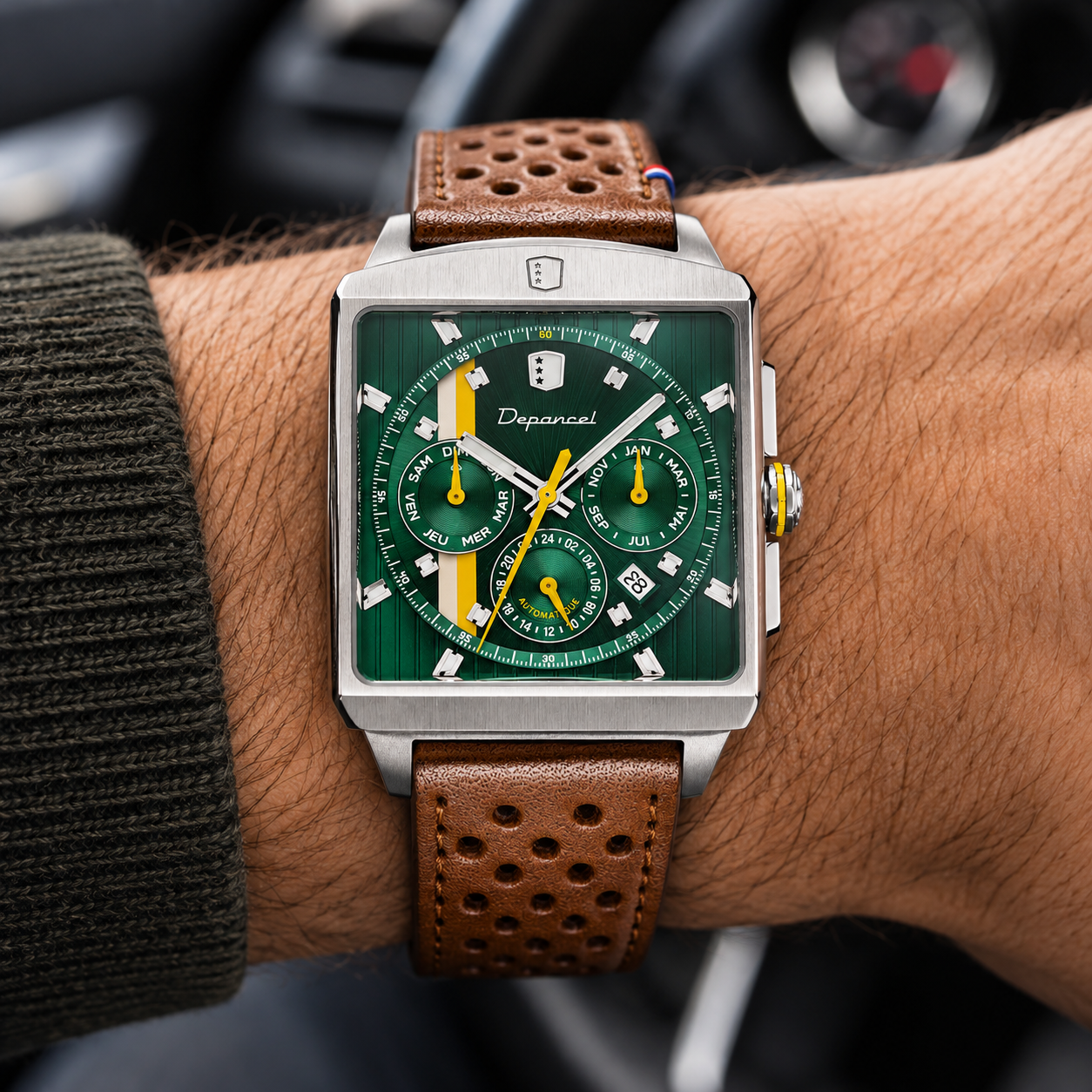
Depancel takes a more French, design led approach. Inspired by classic cars, architecture and racing culture, the brand’s watches often feel like they were sketched beside an old Alpine rather than generated from a spreadsheet. There is warmth there. A sense of romance.
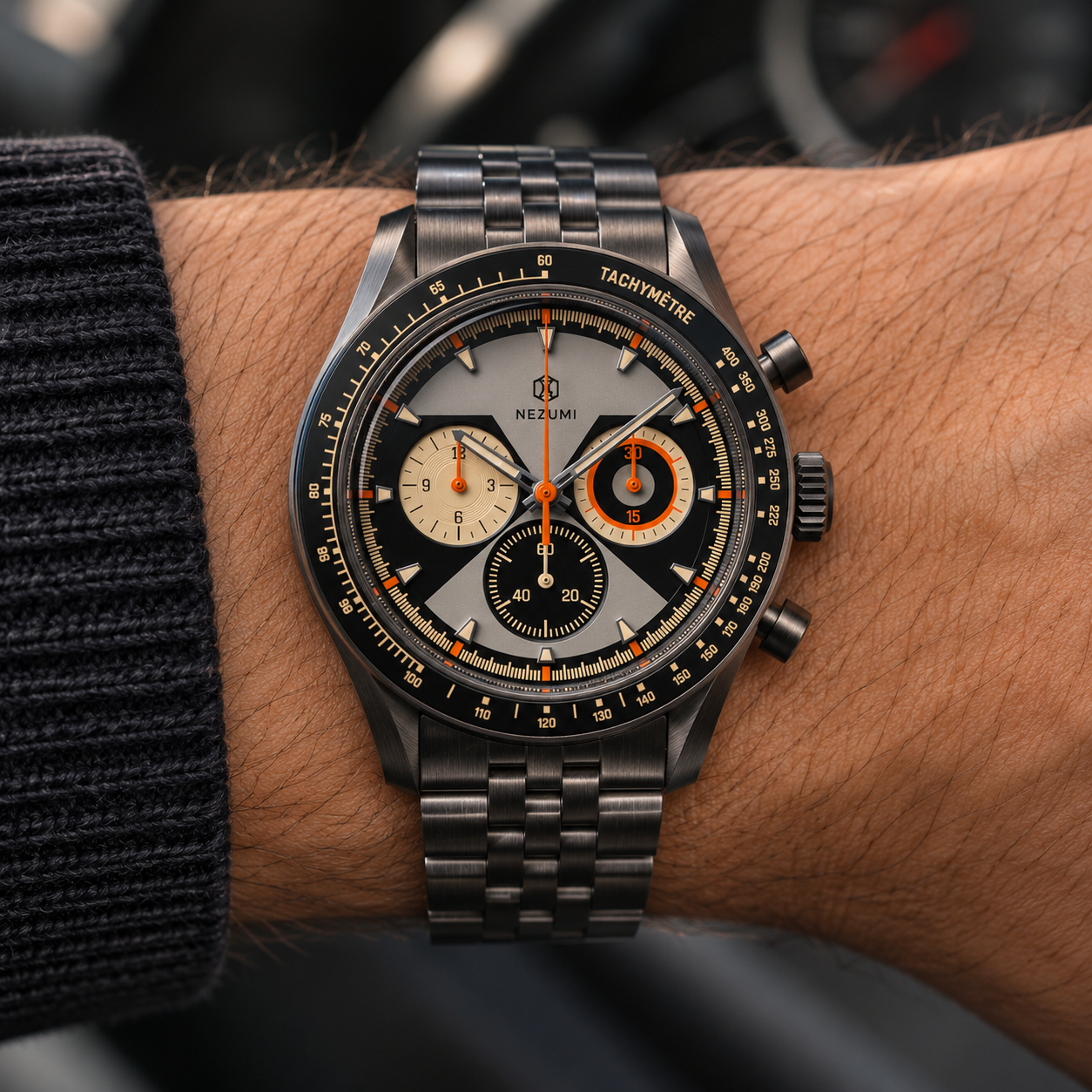
Nezumi delivers retro chronograph energy with excellent restraint. Its Voiture line has that golden age of motorsport feel, but it avoids becoming a pastiche. That is important. The vintage inspired watch market is full of pieces that look like they are trying to sneak into Goodwood on a fake moustache.
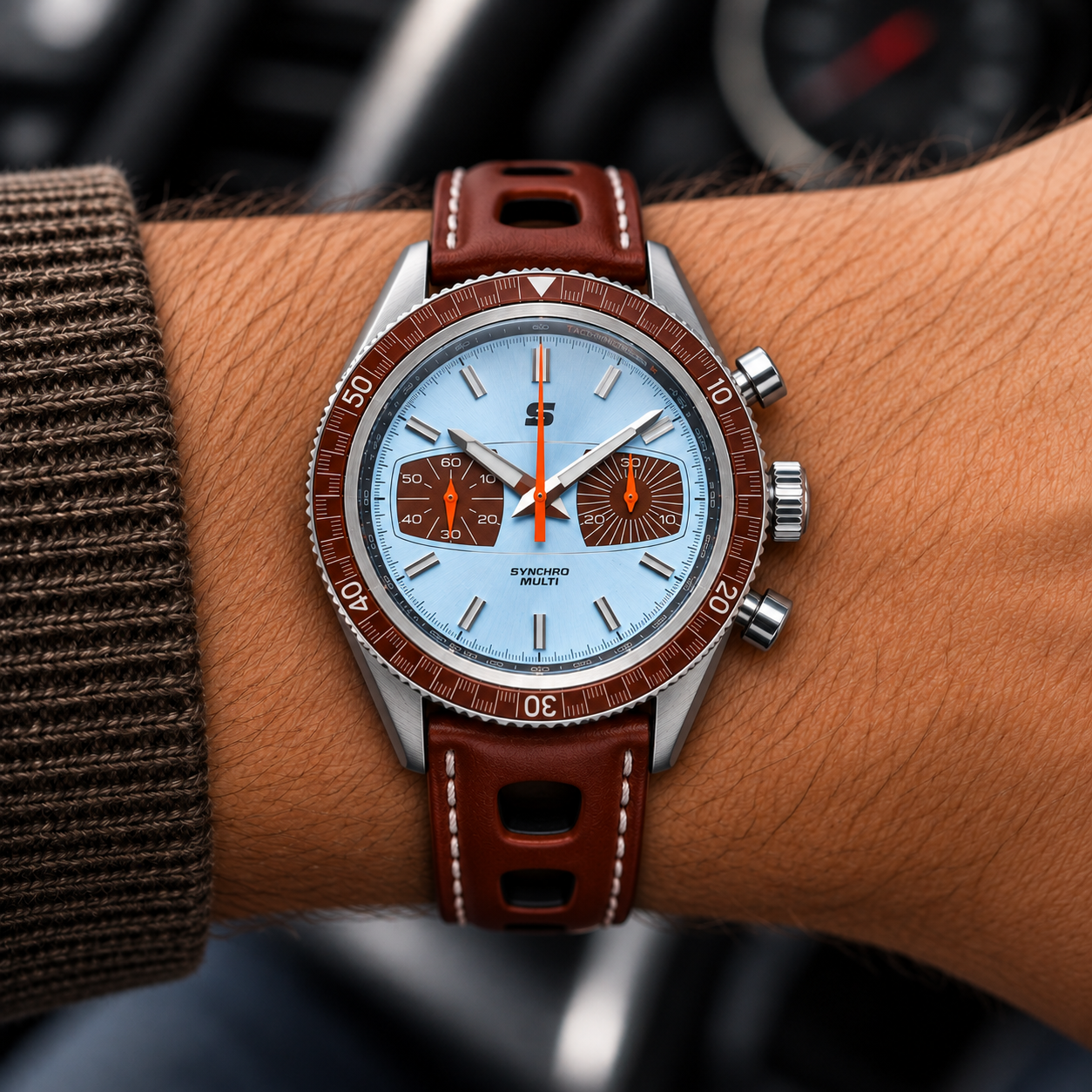
Straton is more overtly playful. Big colour, bold shapes and proper 1970s attitude. These are watches for people who want the full racing poster effect. Not subtle, but then neither was a Lancia Stratos, and nobody sensible complains about that.
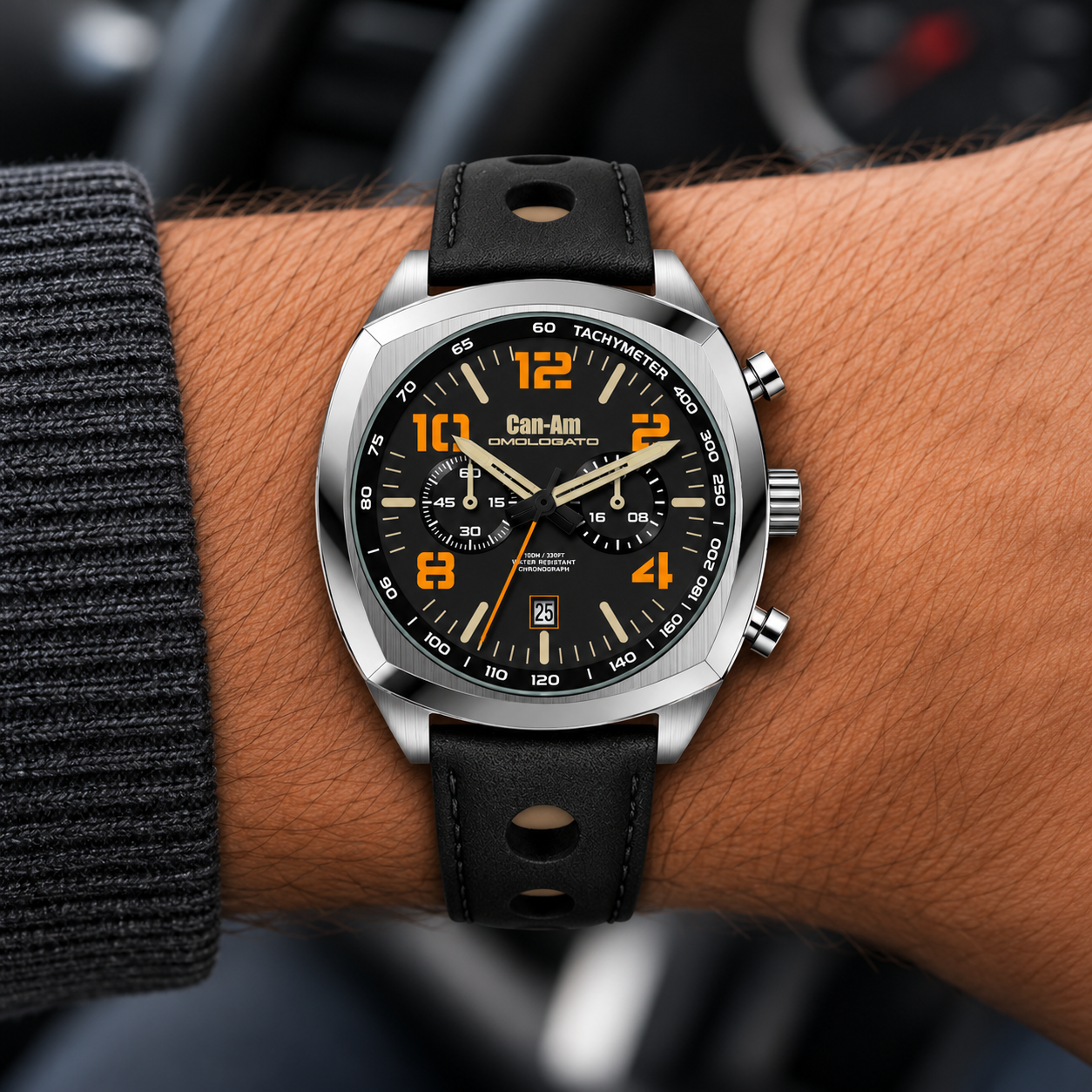
Omologato deserves mention too. The brand has built itself around racing partnerships and motorsport storytelling. Some pieces are stronger than others, but the intent feels genuine. In a world where many watches claim “racing DNA” because someone once photographed them near a steering wheel, that counts for something.
The reason microbrand motorsport watches work so well is that motorsport itself is tribal. People love particular races, teams, cars and eras. A watch inspired by Le Mans is very different from one inspired by Group B rallying. A piece influenced by Italian sports cars will not feel the same as one shaped by British club racing.
Microbrands can lean into those niches without needing global consensus.
That is where the fun is.
Of course, there are risks. Motorsport design can easily become cluttered. Too many stripes, numbers, sub dials and tyre tread textures and suddenly the watch looks like a promotional mug from a touring car event. Restraint matters, even when the subject is loud.
The best brands understand that you do not need to draw an entire race car on the dial. A colour reference, case shape or timing scale can be enough.
That is the sweet spot. Evocation, not imitation.
Winding Things Up
TAG Heuer will always own a huge part of the motorsport watch conversation, and rightly so. But the most interesting modern racing watches are often coming from smaller brands with sharper stories and fewer corporate handbrakes.
Autodromo, Depancel, Nezumi, Straton and Omologato prove that motorsport watches can still feel fresh, personal and genuinely cool.
The best ones do not just remind you of racing. They make you want to go somewhere. Preferably by the scenic route.
All watch photography featured in this article is credited to its respective owners, including brands, photographers and publications.