When we talk about the British watchmaking renaissance, the media almost always defaults to London or the English countryside. We hear about the design studios of Farer in Berkshire, the technical powerhouse of Christopher Ward in Maidenhead, or the historical elegance of Fears in Bristol.
But if you pull back the lens, a fierce, friendly and deeply cultural rivalry is brewing right under our noses. Scotland, Wales, and Ireland are producing some of the most innovative independent watches on the planet and they are challenging England’s corporate dominance with pure, unadulterated soul.
Let’s look at how the Four Nations stack up in the independent watch market. Which country’s philosophy deserves a spot on your wrist?
1. England (The Global Trendsetters)


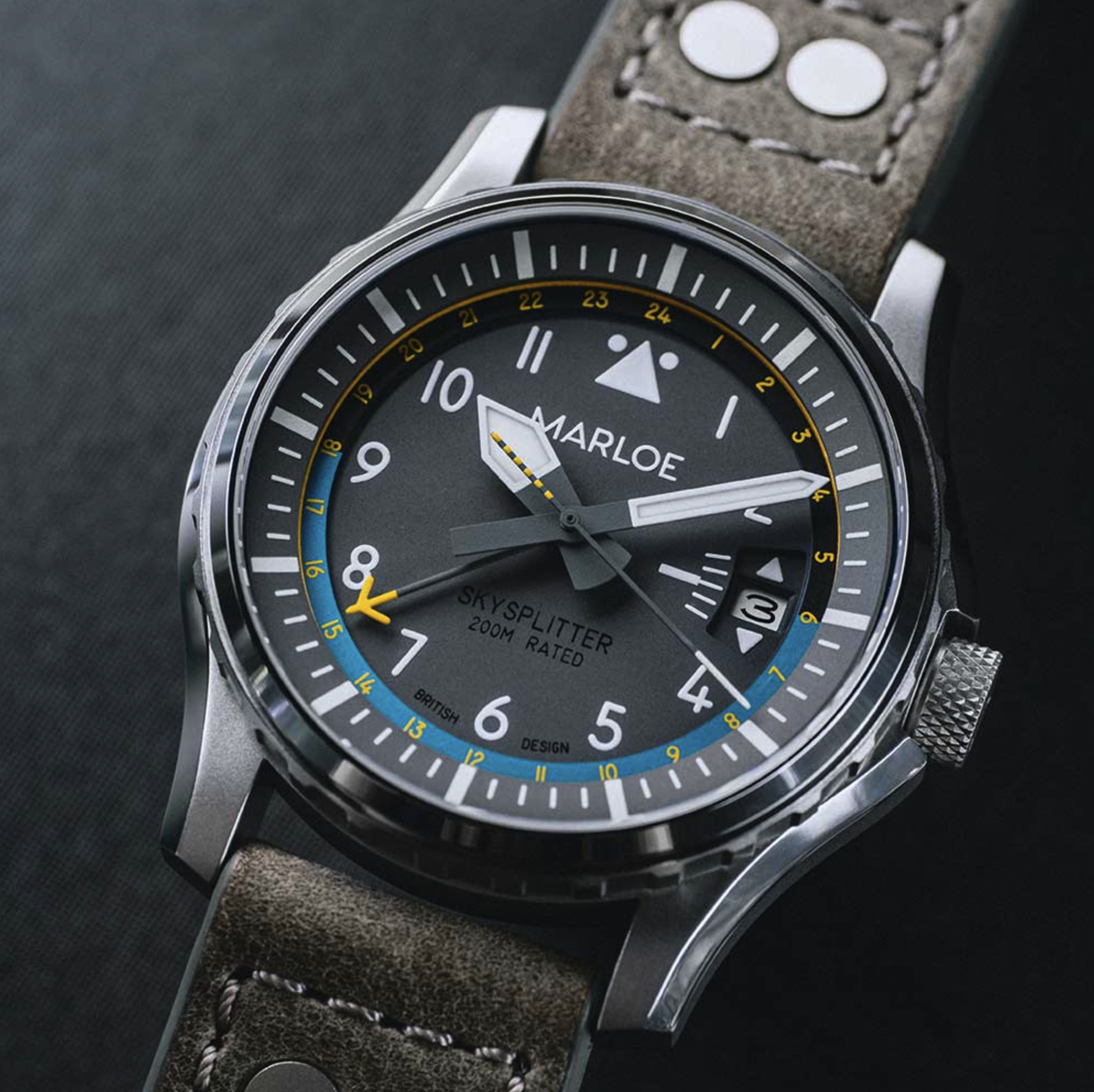

Image credit - Christopher Ward, Farer, Marloe , Fears
England leads the domestic market in pure market volume, innovative hype and aggressive modern design.
Pros:
Commercial Maturity: Better infrastructure, localised distribution networks and reliable customer service that rivals mainstream brands.
High-Concept Complications: Willingness to invest in high-end mechanical innovation (e.g., Christopher Ward's Swiss-bashing chiming Bel Canto).
Masters of Color Theory: Exceptional execution of bold, unique, and fashionable dials (Farer, Studio Underd0g) that break the black/blue dive watch mold.
Strong Resale & Liquidity: Because of global hype and massive enthusiast forums, English independents are easy to buy, sell and trade on the secondary market.
Global Community Power: Unmatched marketing presence and heavy representation at major international watch events.
Cons:
Loss of "Micro" Soul: As the largest brands scale into major corporate entities, they can begin to lose the intimate, under-the-radar independent charm.
Industrial Outsourcing: While designed in England, almost all physical assembly, machining, and movement sourcing happen elsewhere (primarily Switzerland or Asia).
Higher Entry Costs: Premium branding and large-scale marketing campaigns naturally push their average retail prices higher than pure microbrands.
Design Saturation: Because they release a lot of models, their aesthetics can occasionally feel like they are chasing fast-moving internet trends.
2. Scotland (The Artisanal Purists)

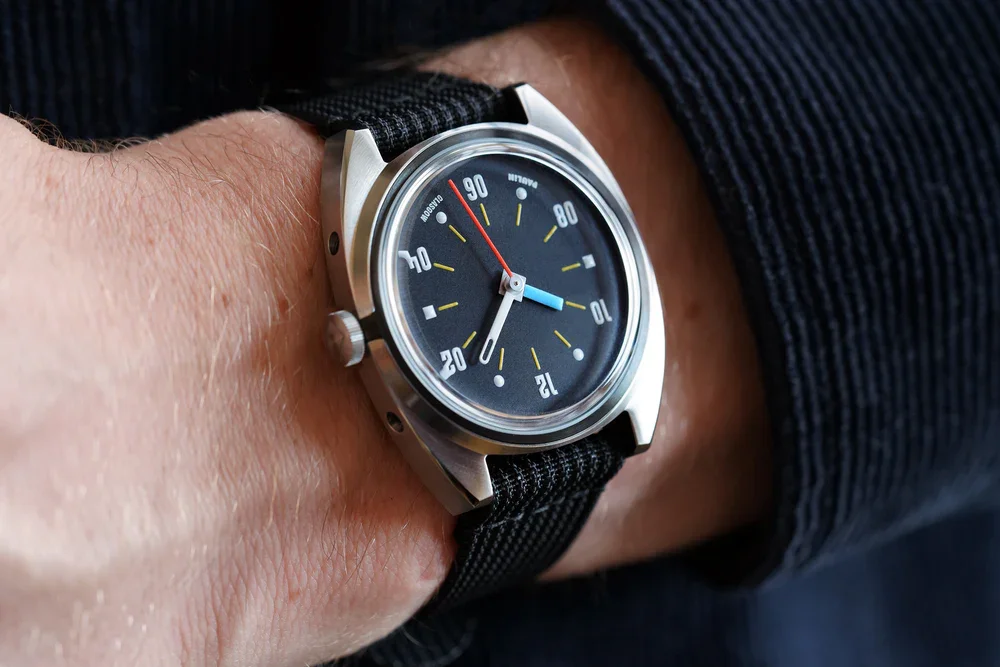
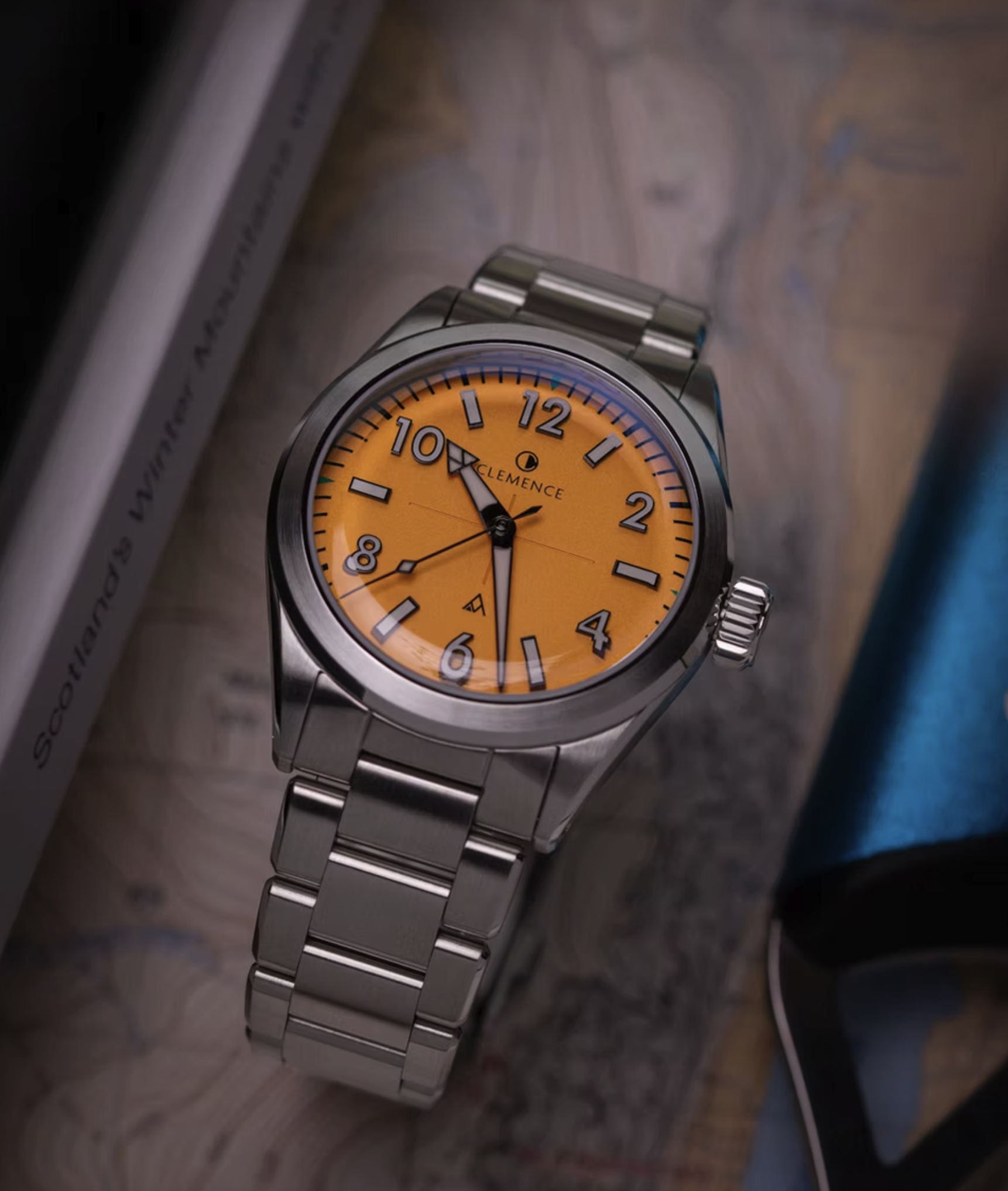
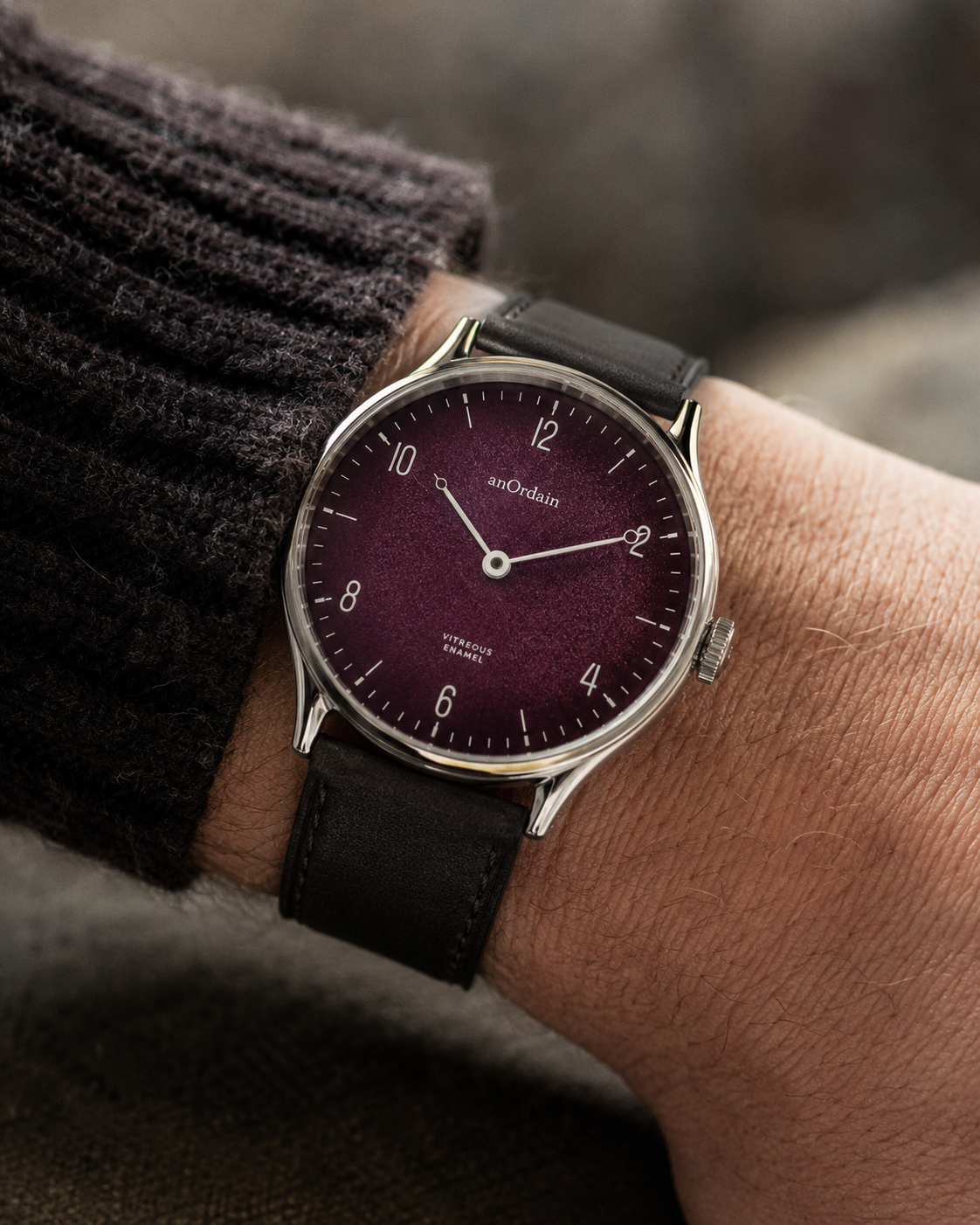
Image credit - AnOrdain, Paulin, Clemence
Scotland represents old-world, slow-cooked patience and meticulous, hyper-focused manual craft.
Pros:
True In-House Craft: World-class horological art happening entirely on-site (e.g., anOrdain’s newly built Southside Glasgow factory).
Vitreous Enameling Mastery: Bringing an incredibly rare, unforgiving, high-luxury dial technique down to an accessible independent price point.
Exceptional Exclusivity: Wearing a Scottish indie means owning a piece of a tiny, carefully curated annual production batch.
Obsessive Quality Control: Small-scale production means a single watchmaker or craftsman oversees the piece, resulting in pristine execution.
Aesthetic Timelessness: Design languages are focused on texture, depth, and bespoke typography that will never look outdated.
Cons:
The Infinite Waiting List: Multi-year bottlenecks and closed allocation lists make actually buying one incredibly difficult.
High Secondary Market Premiums: Scarcity leads to flippers charging massive markups on the used market, pricing out regular enthusiasts.
Safe Movement Choices: To focus entirely on the dial art, they often rely on standard, workhorse Swiss calibers (Sellita/La Joux-Perret) rather than movement innovation.
Limited Variety: A hyper-focus on specific craft techniques means fewer case shapes, fewer complications (like GMTs or Chronographs) and small catalog variety.
Aesthetic Subtlety: If you don't care about the microscopic perfection of glass or enamel, the overall watch silhouette can look quite simple from a distance.
3. Ireland (The Industrial Rebels)
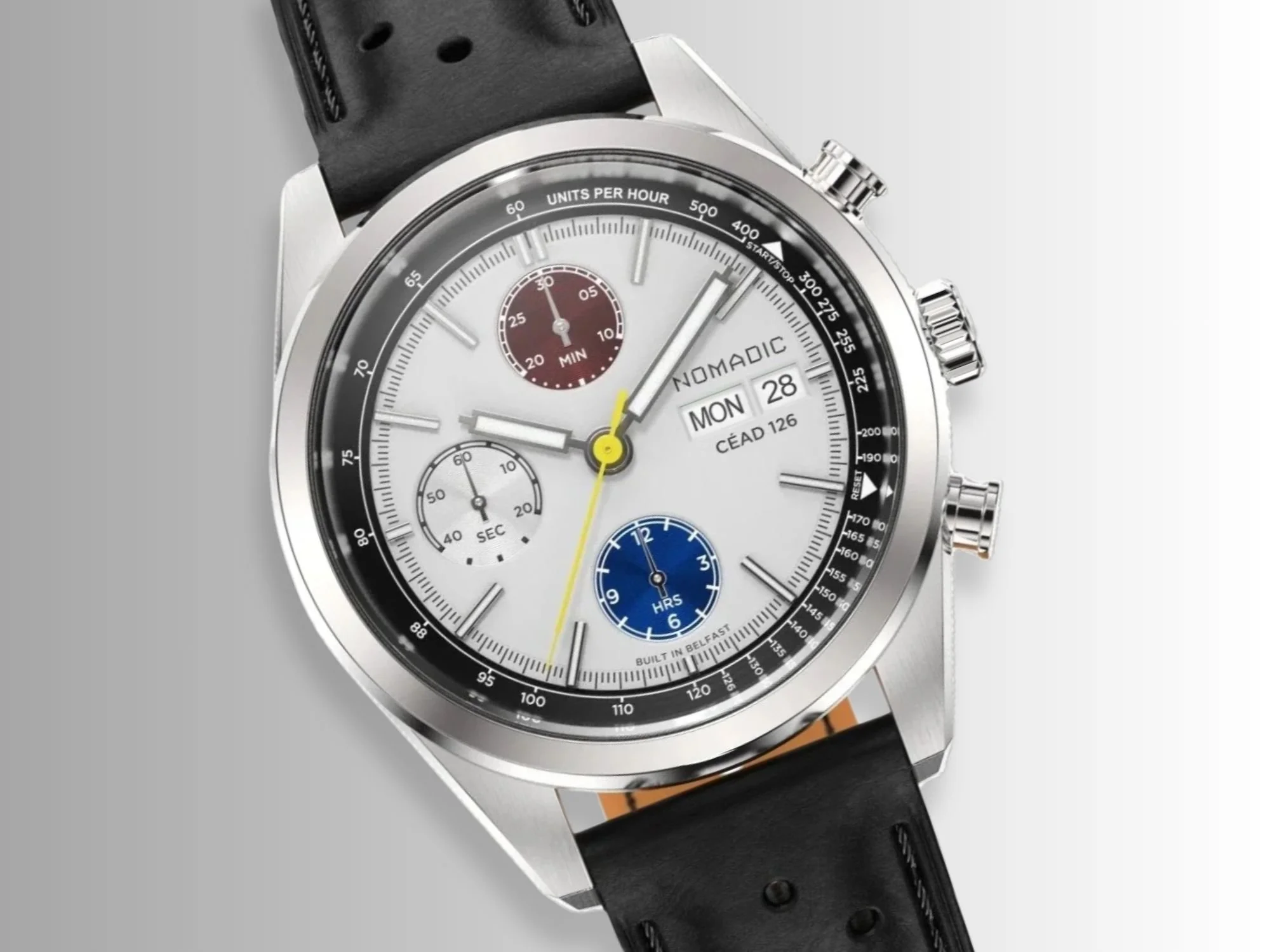
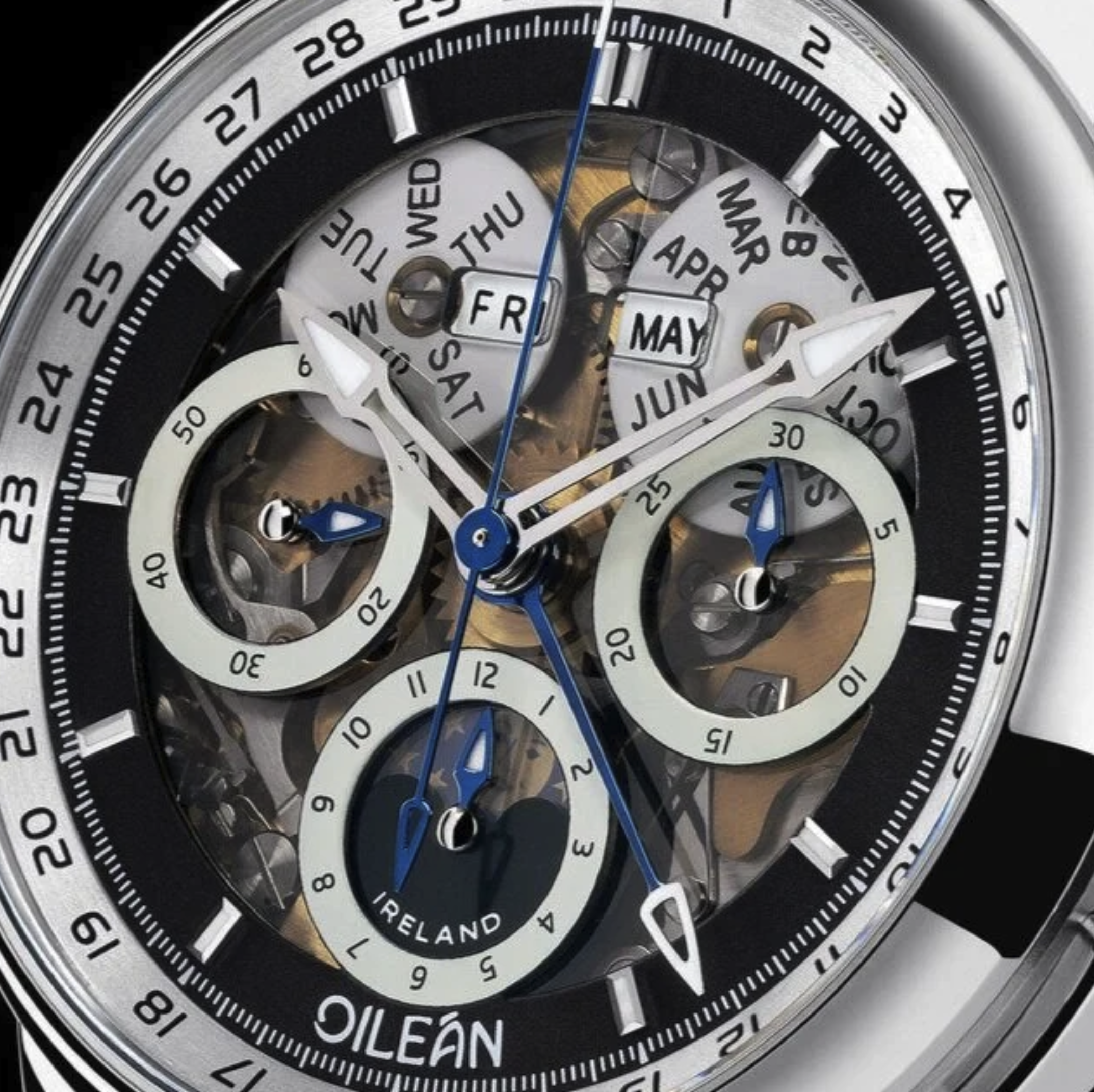
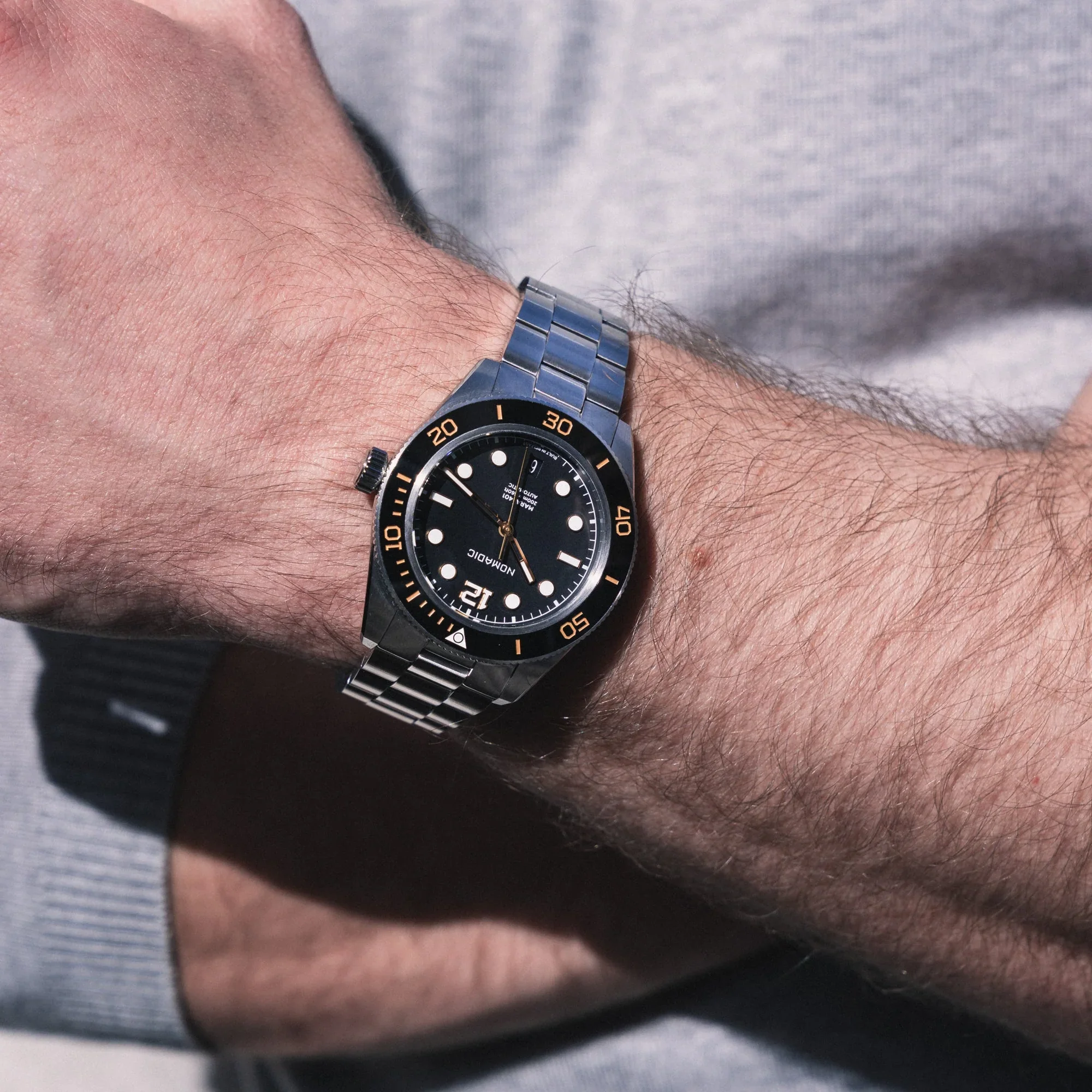
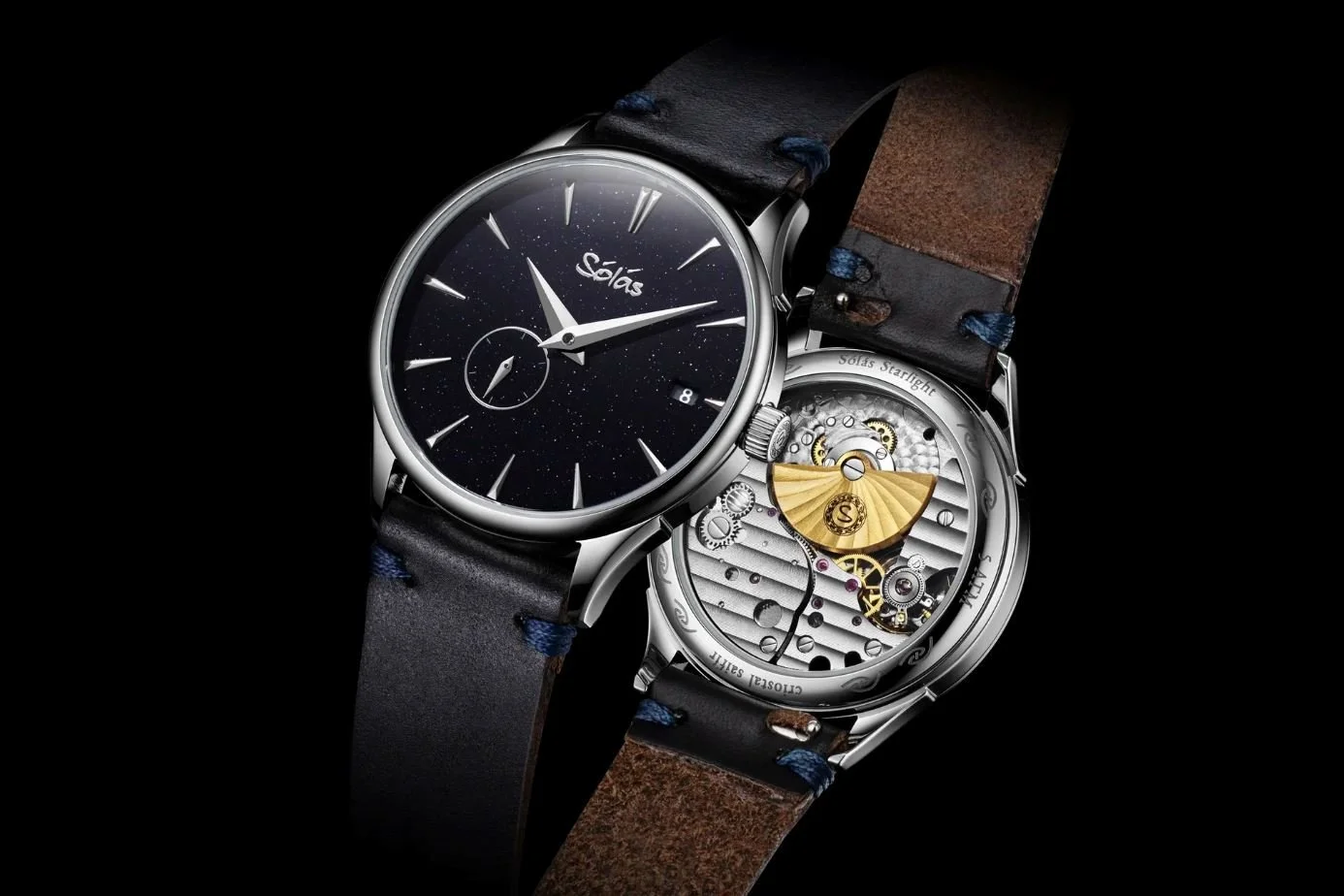
Image credit - Nomadic, Oilean, Sólás
Ireland blends heavy industrial history, storytelling, and aggressive, non-traditional engineering choices.
Pros:
Defiant Design Choices: Unafraid to look unique, using rare micro-rotor movements and glittering aventurine glass (Sólás).
Rich Local Narrative: Intimate, proud storytelling woven straight into the watch geometry (e.g., Nomadic’s shipyard cranes hands and Belfast harp signatures).
Sustainable Material Innovation: Utilising unique local components, such as sustainably tanned Irish salmon skin leather straps.
The Ultimate Underdog Vibe: Zero corporate pretense; you are buying directly into a highly passionate, small-team grassroots movement.
Overbuilt Utility: A strong focus on rugged, practical everyday wearability that honors tough industrial roots.
Cons:
Polarising Design Accents: Local nods (like bold yellow crane hands or shamrock drop indicators) can feel a bit too niche or "literal" for global buyers.
Niche Secondary Market: Harder to flip or trade quickly on global forums compared to hyped English or Swiss alternatives.
Slower Component Sourcing: Smaller regional footprints can mean longer waiting times for pre-orders or replacement parts.
Fewer Heritage Blueprints: Unlike the French or Swiss, they have fewer archival designs to pull from, meaning they have to invent everything from scratch.
Uphill Brand Recognition: You will spend a lot of time explaining what the brand is to non-watch friends who only look for Swiss logos.
4. Wales (The Landscape Romantics)
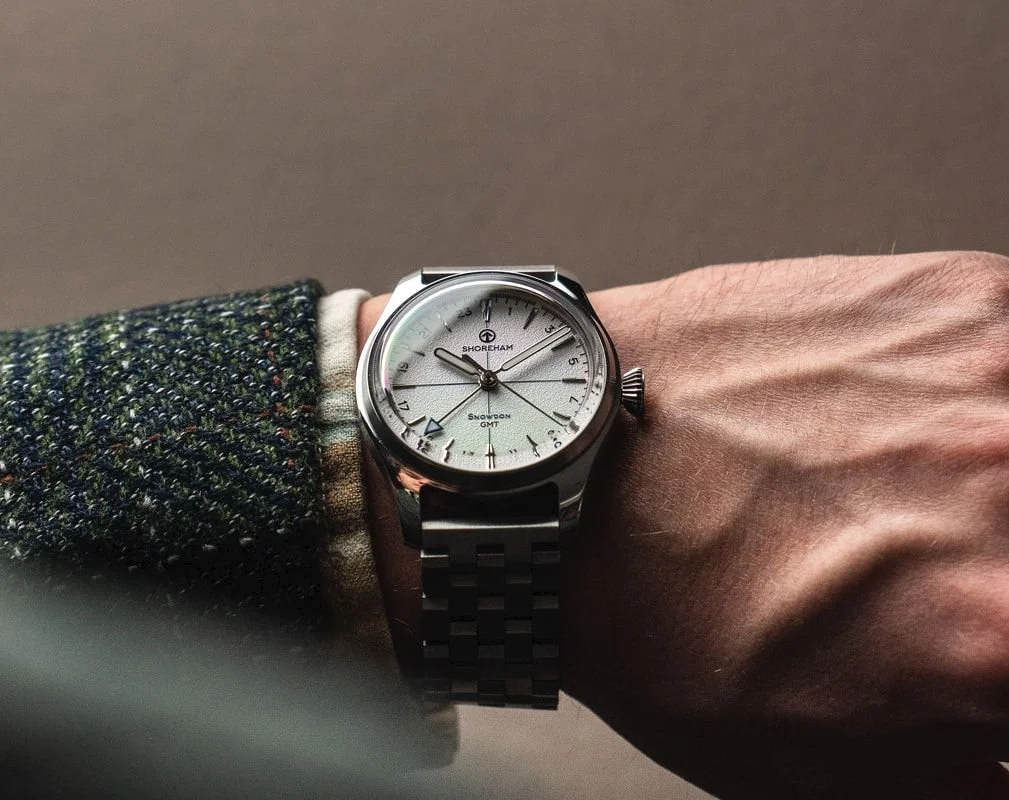
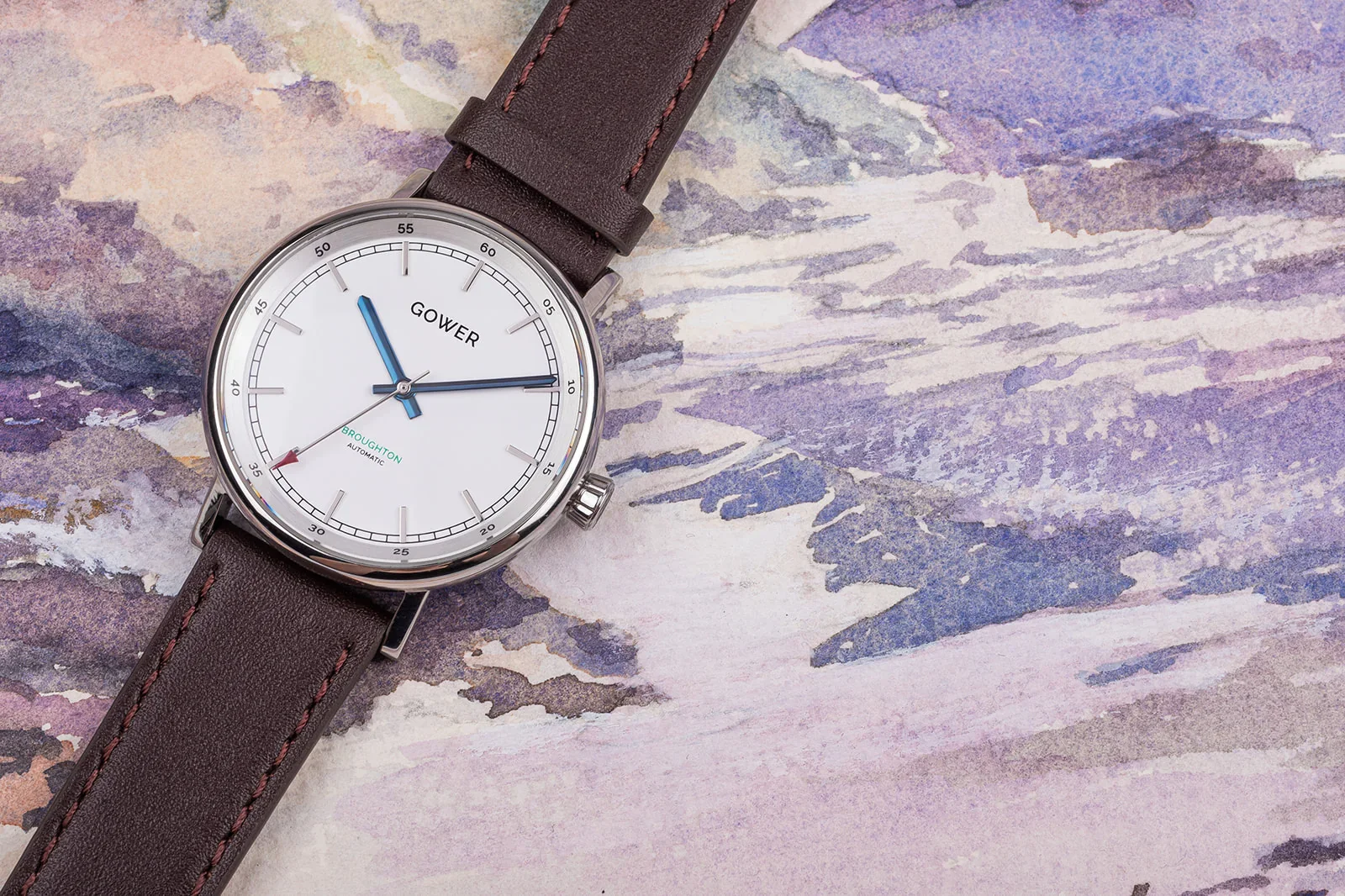
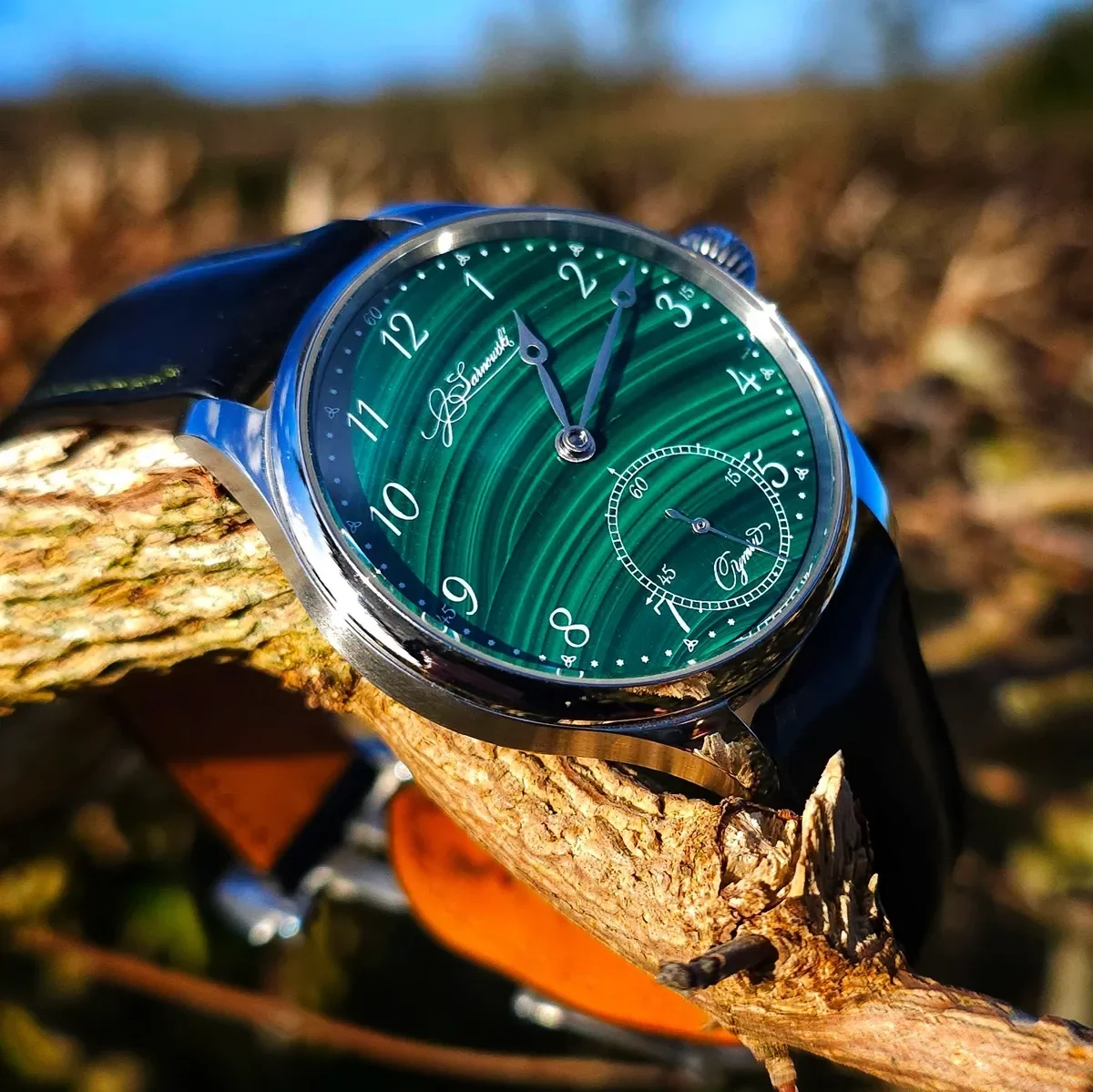
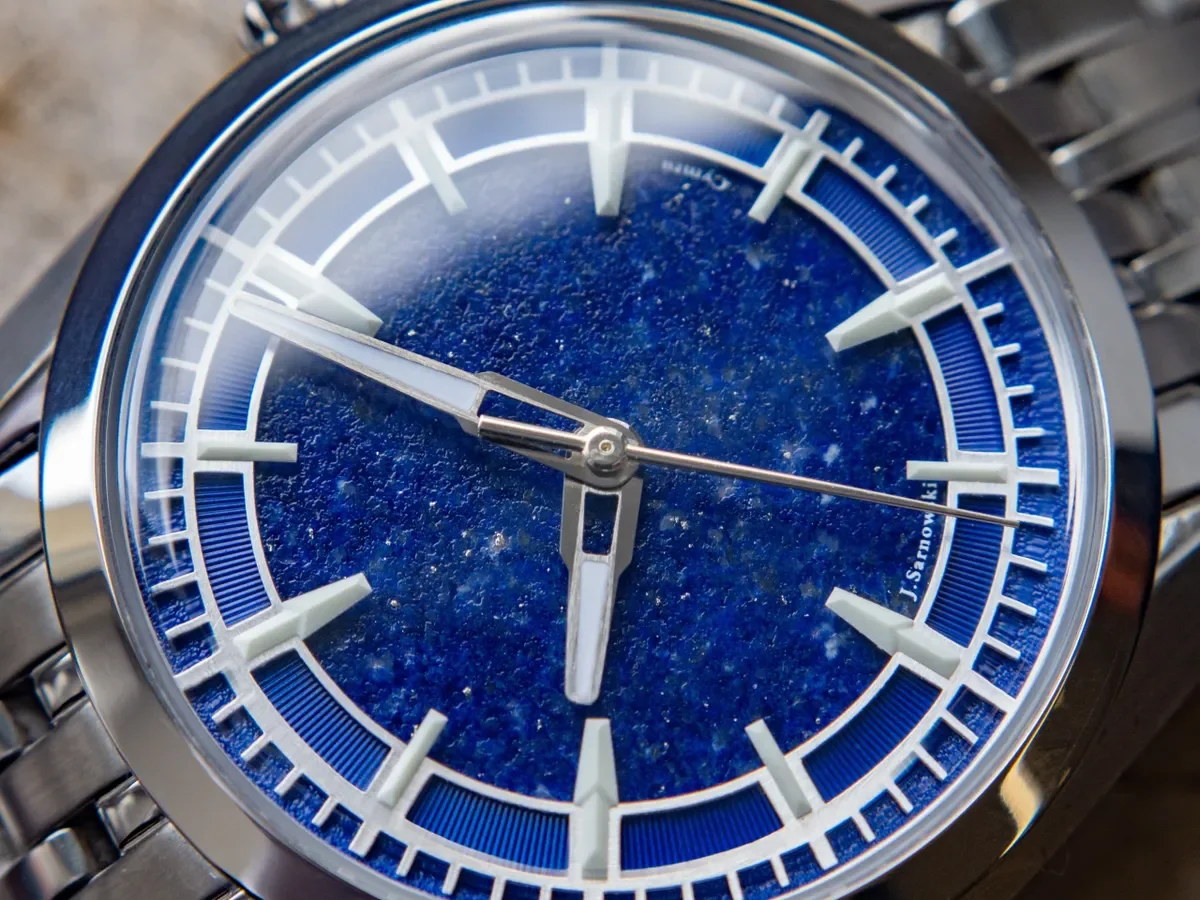
Image credit - Oriorwaith J. Sarnowski, Gower, Shoreham
Wales represents the quiet, scenic and budget-conscious entry point to independent regional watchmaking.
Pros:
Exceptional Value for Money: Highly accessible retail points that make getting into independent mechanical watches easy for anyone.
Poetic, Scenic Concept: Dials and lines directly inspired by local maritime bays and rugged national park coastlines.
Community-Driven Roots: Heavily reliant on direct kickstarter or enthusiast feedback, ensuring the buyer's voice shapes production.
Under-the-Radar Charm: A pure conversation starter—you are almost guaranteed to be the only person in the room wearing one.
Clean, Uncluttered Aesthetics: Focused on elegant, traditional silhouettes rather than loud colors or aggressive tool aesthetics.
Cons:
Heavy Reliance on Off-The-Shelf Parts: To keep costs low, they use highly accessible, stock global components (like Seiko NH movements and standard cases).
Lower Finishing Complexity: You won't find mirror-polished bevels, hardened steel coatings, or intricate hand-chamfering at this price level.
Crowdfunding Delivery Risks: Relying on micro-batch or Kickstarter runs can occasionally mean production delays or extended delivery timelines.
Minimal Global Presence: Very limited international marketing or review coverage outside of the local UK enthusiast bubble.
Safe Design Approach: Can sometimes border on looking like generic, clean microbrand field or dress watches if the landscape narrative doesn't grab you.
Finding Balance Across the Borders
Ultimately, this internal rivalry proves that there is no single correct approach to independent watchmaking within the British Isles.
If your priority is a vibrant, trendsetting aesthetic backed by seamless global logistics, England’s market leaders offer a compelling package. If you view watches as meticulous micro-art and possess the patience for extensive build queues, Scotland’s slow-craft ethos is unmatched. Meanwhile, the industrial grit of Ireland and the quiet, landscape-driven romance of Wales provide brilliant, storytelling alternatives for collectors looking to step off the beaten track.
The true beauty of the current independent landscape is that you no longer have to look to Switzerland to find a watch that perfectly aligns with your personal values!
Which Nation Are You?
English = The Trend-Conscious Collector 🏴
Scottish = The Macro-Lens Purist 🏴
Irish = The Industrial Romantic 🇮🇪
Welsh = The Pragmatic 🏴