The New Grand Tour: British Eccentricity VS Continental Sophistication
If you are looking to buy an independent watch in 2026, the global map looks completely different than it did a decade ago. The monolithic dominance of "Swiss Made" as the only badge of honour has cracked.
In its place, a fascinating cultural rivalry has emerged right across the English Channel. On one side, you have a booming British Renaissance redefining how color and storytelling are used on a dial. On the other, the Continental Europeans (France, Germany, Italy, and Scandinavia) are double-downing on architectural minimalism, military heritage, and avant-garde engineering.It’s a battle of watchmaking philosophies.
Which region deserves a slot in your watch box?
The British Camp: Maverick Design & Narrative
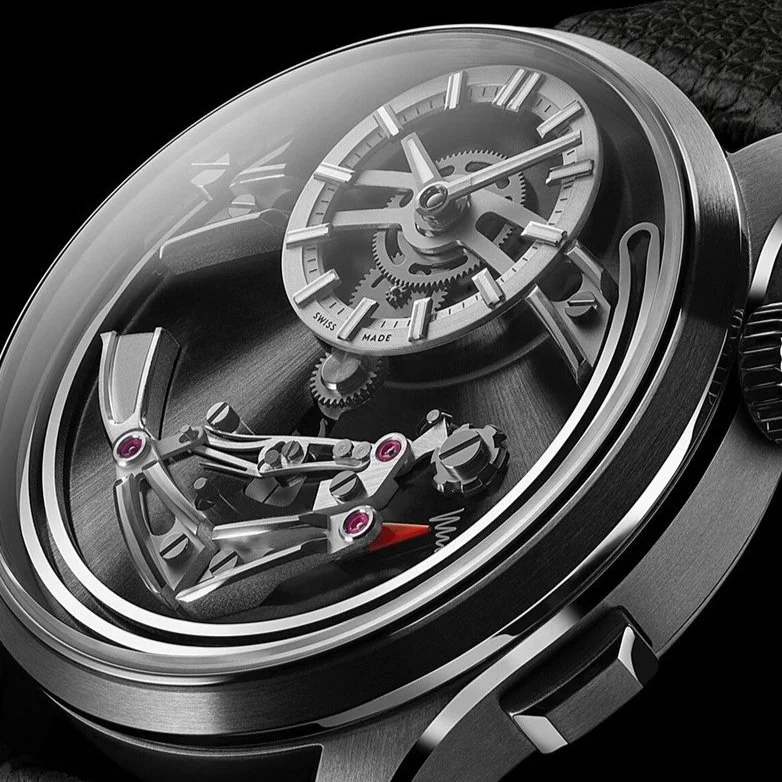
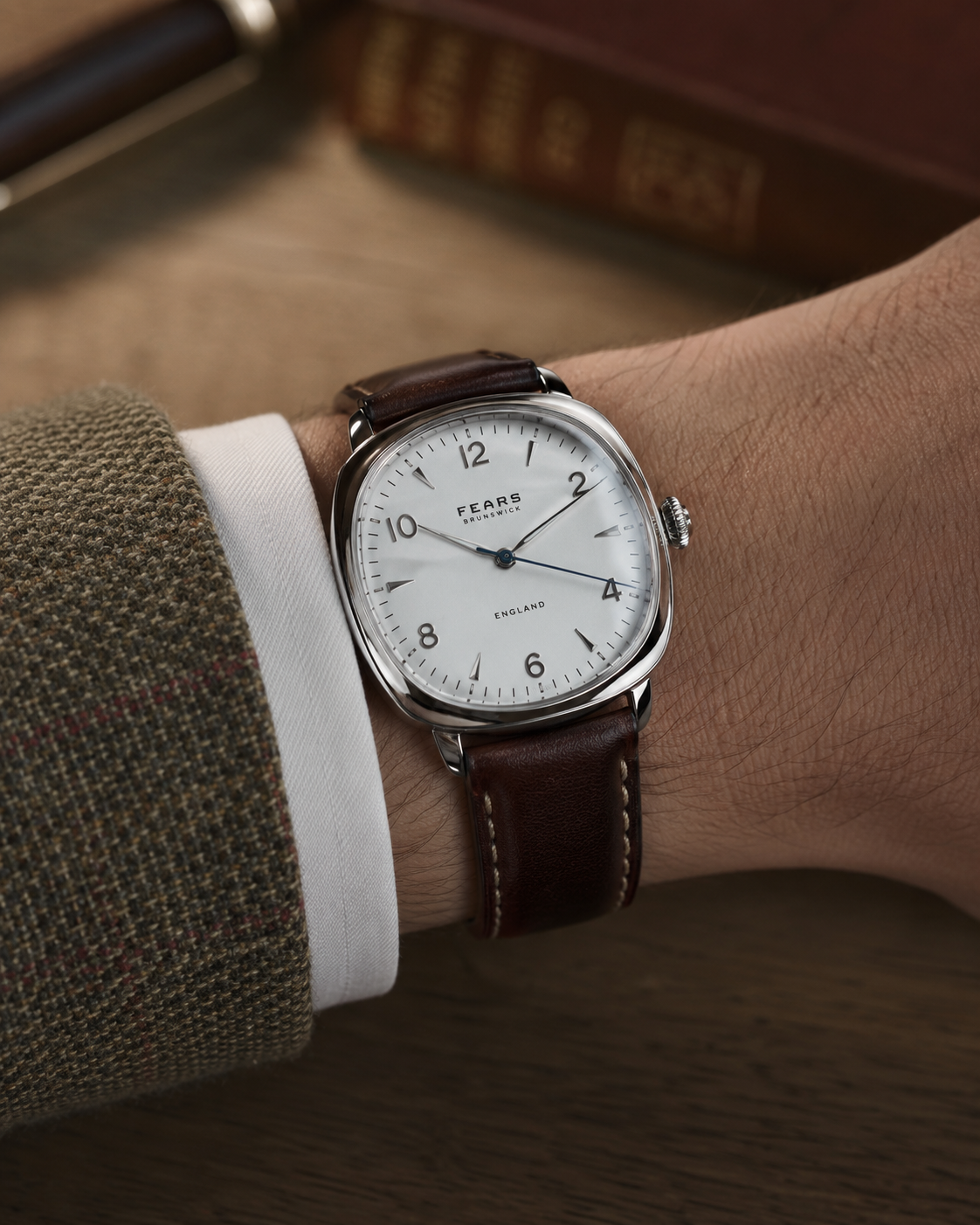
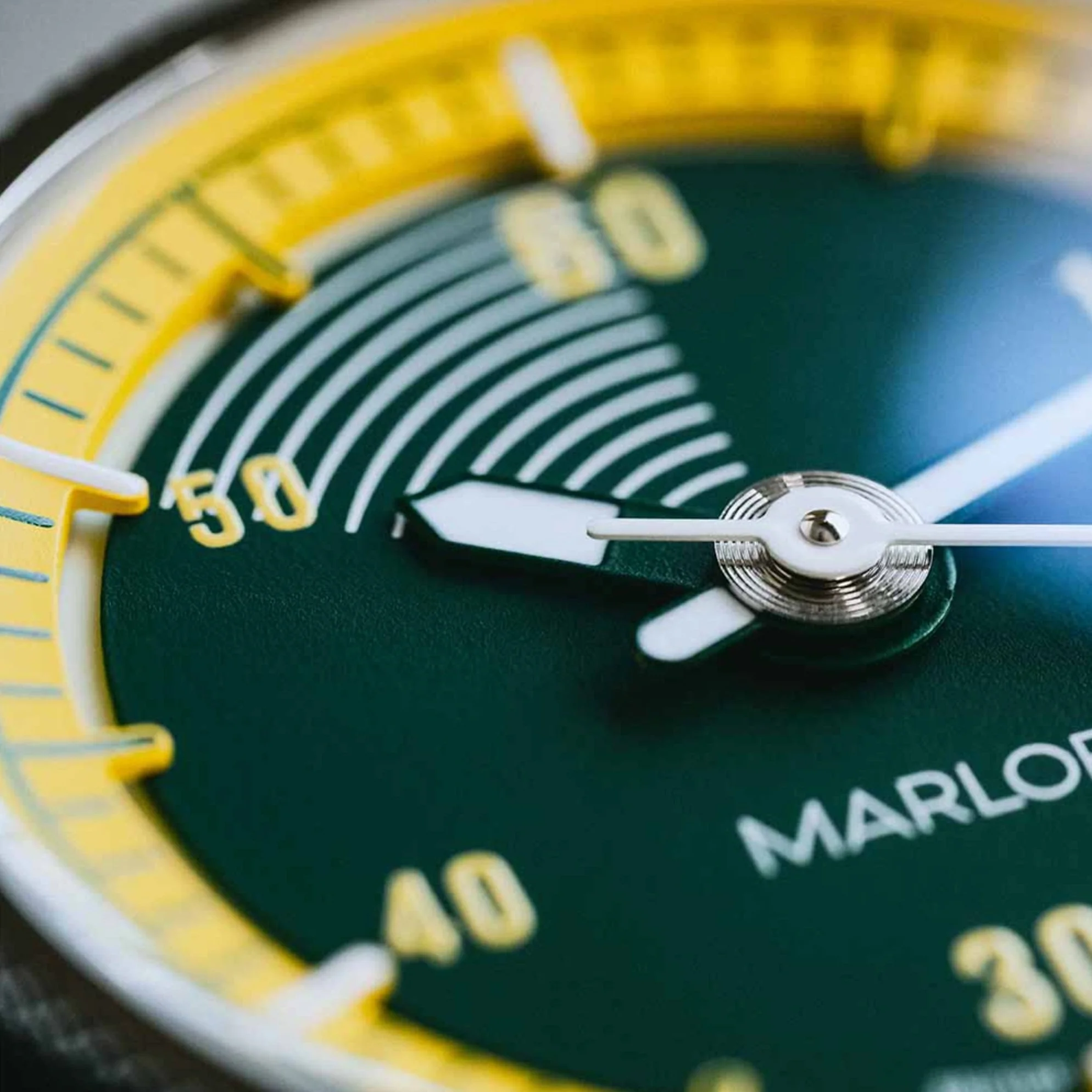
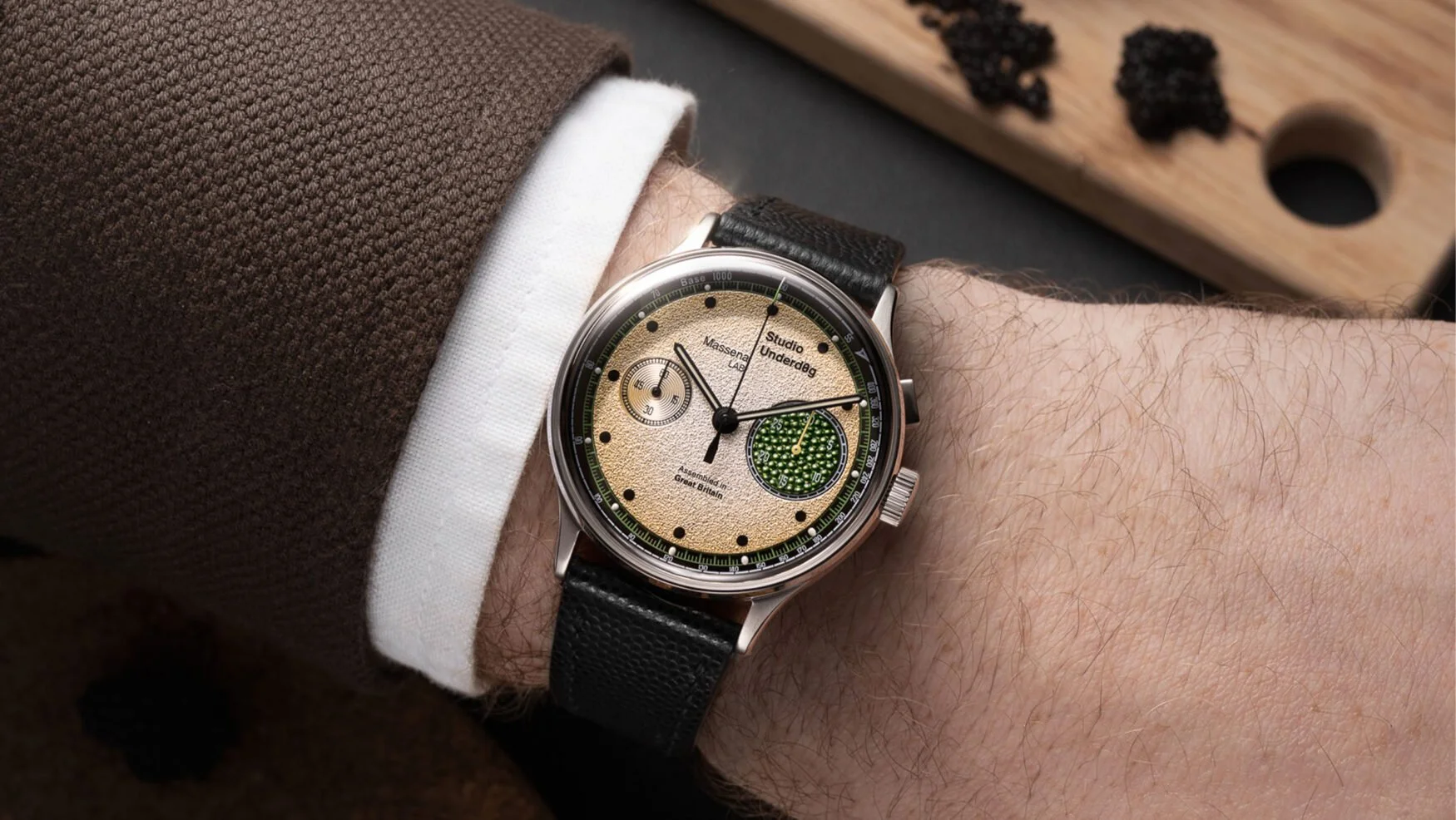
British watchmaking doesn't try to out-Swiss the Swiss. Instead, brands like Farer, Studio Underd0g, Christopher Ward and Fears lean into what Britain has always done best: glorious eccentricity, literary narrative, and brilliant tailoring.
The Design Language: Bold, unapologetic use of colour. Think of Farer’s malachite stone dials or Studio Underd0g’s vibrant, playful colourways. British watches treat the dial like a canvas for personality rather than just an instrument panel.
The Vibe: These are watches designed to spark a conversation at a pub or a creative studio. They are heavily backed by a tight-knit community, celebrated annually at massive events like British Watchmakers' Day in London.
The Benchmark Piece: The Christopher Ward Bel Canto or a Fears Brunswick. They represent a willingness to take massive creative risks with complications and case geometries that corporate luxury giants wouldn't dare touch.
The Continental Camp: Heritage, Minimalism & Utility
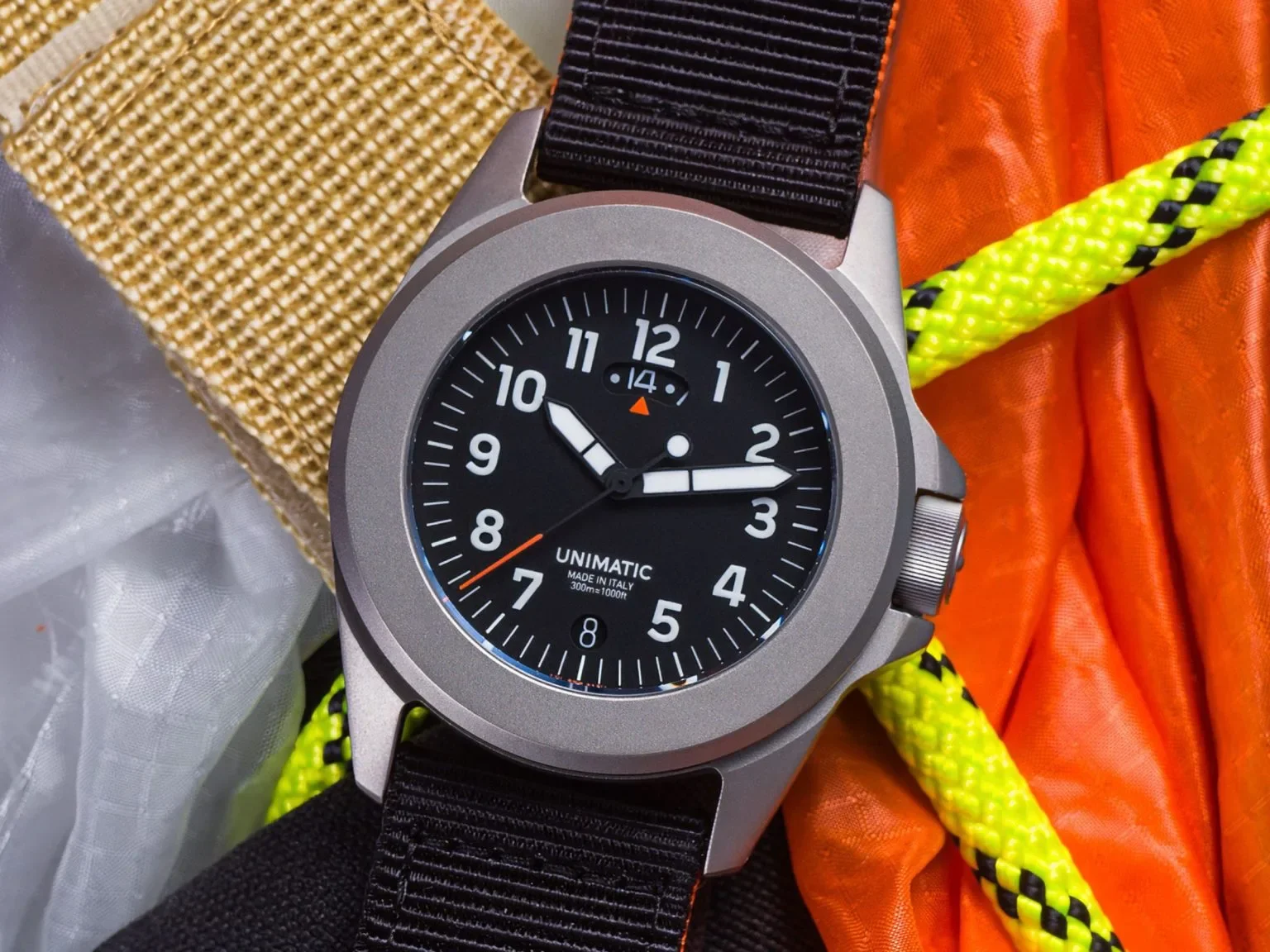
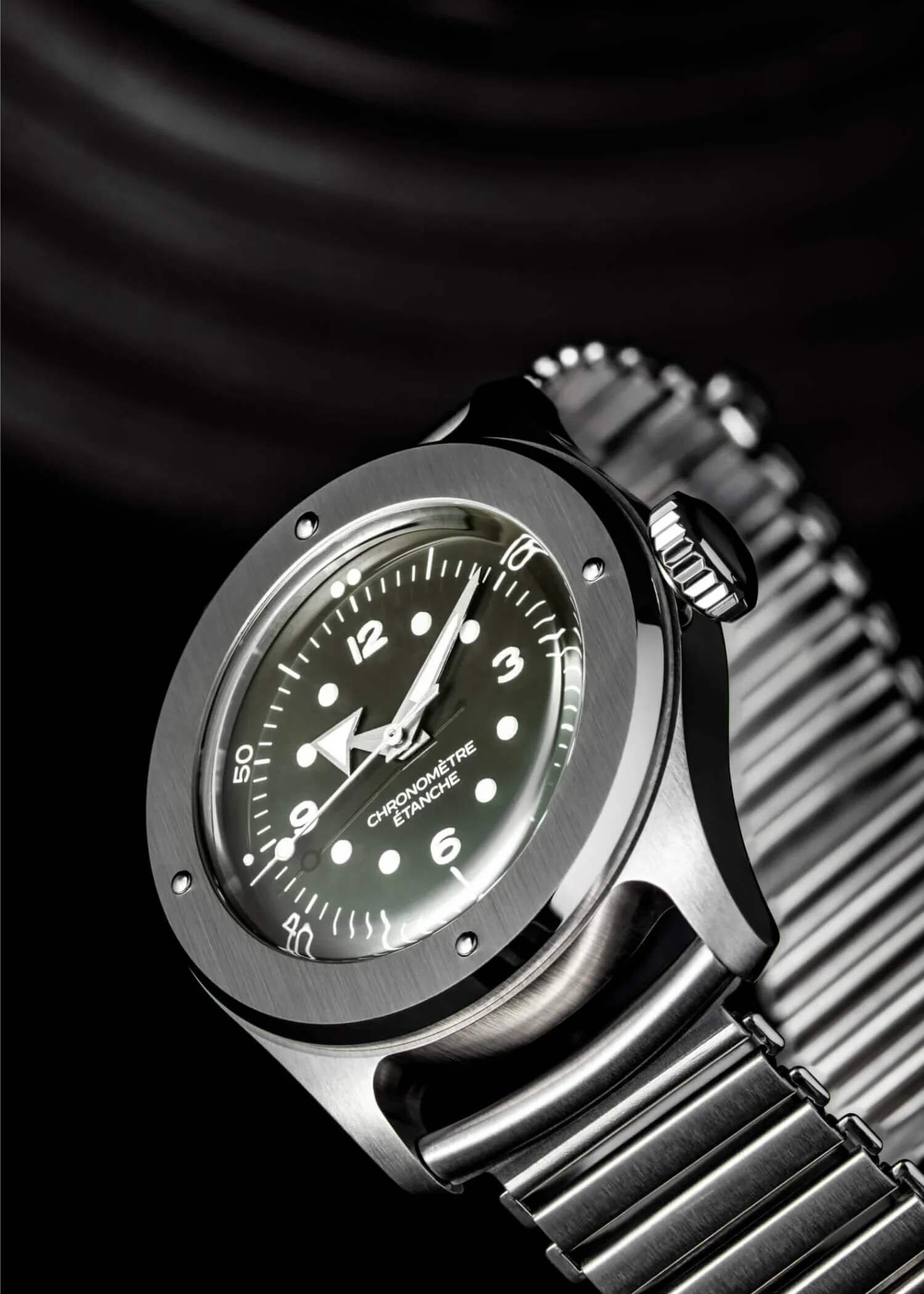
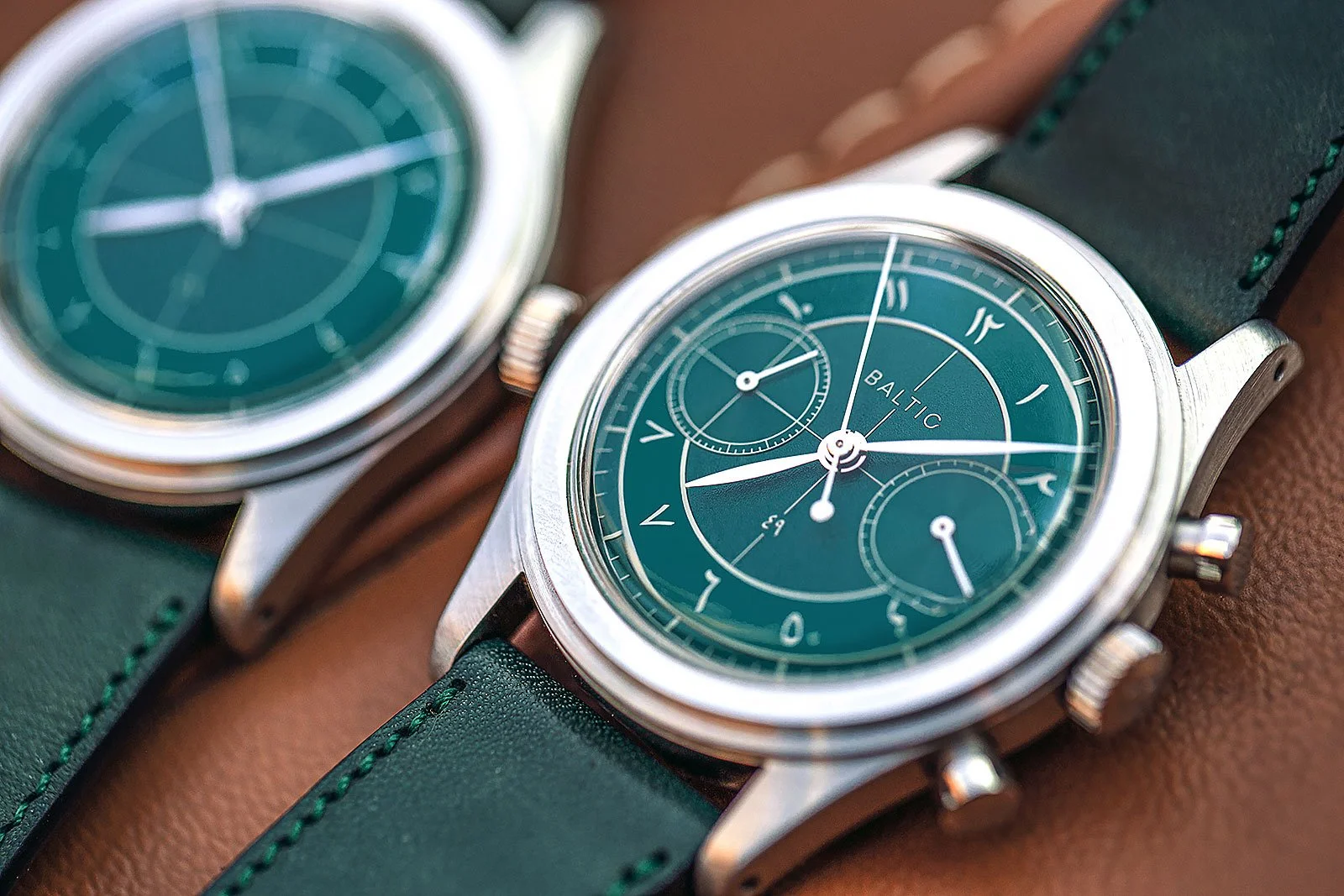
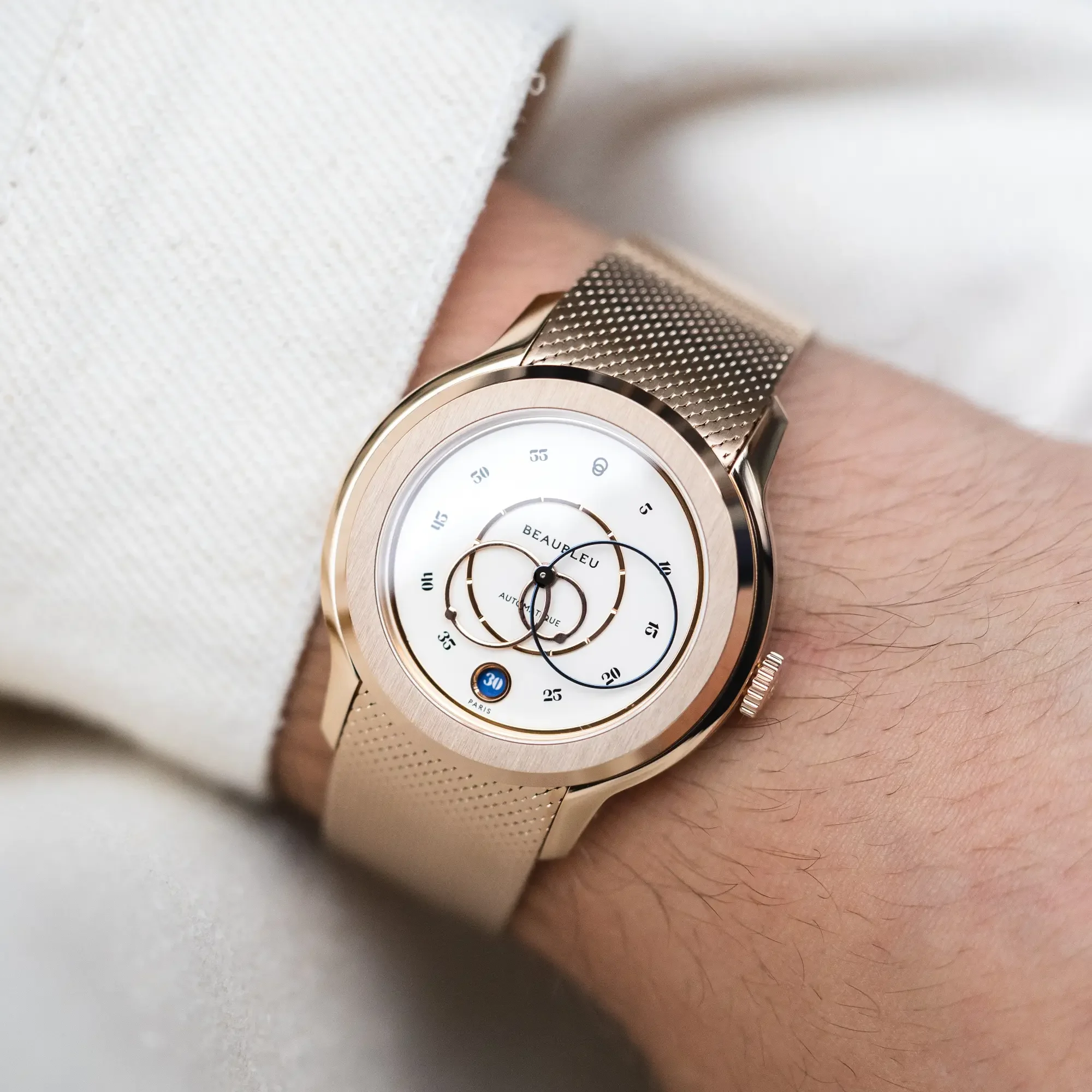
Jump across the Channel, and the philosophy shifts instantly from artistic narrative to structural purpose.
The European microbrands—hailing from France (Serica, Baltic, H.G.P.), Germany (Circula, Sternglas), Italy (Unimatic), and Scandinavia (Straum, Tangens)—are obsessed with execution, historical weight, and industrial design.
The Design Language: Severe, precise, and romantic in a historic sense. You have the brutalist, sterile minimalism of Italy's Unimatic, the razor-sharp Bauhaus lines of Germany's Sternglas, and the romantic, mid-century military curves of France's Serica.
The Vibe: These brands don't use loud colors to get your attention; they use perfect case proportions, historical provenance, and tactile utility. When a French brand like Airain or Sherpa drops a watch, it is rooted deeply in mid-century naval or aviation blueprints.
The Benchmark Piece: The Serica 5303 Diver. It is an absolute masterclass in how to build a highly capable, original tool watch that looks effortlessly sophisticated on a riveted bracelet.
The Cultural Crossroad
Choosing between these two regions comes down to what you want your watch to say about you.
The British Wave
Core Strength: Colour theory, custom typography, playful complications
Key Players: Farer, Christopher Ward, Marloe, Studio Underd0g
The Continental Guard
Core Strength: Historic tool lineage, case finishing, utilitarian restraint
Key Players: Serica, Baltic, Unimatic, Yema, Airain.
The Verdict
The real winner here is choice. British brands are leading the charge when it comes to creativity, colour and personality, producing watches that feel fresh, expressive and genuinely fun to wear. Meanwhile, Continental European makers continue to excel in heritage, restraint and timeless design, creating pieces that feel purposeful and effortlessly sophisticated.
Ultimately, both camps prove that great watchmaking is no longer defined solely by where a movement is made. In 2026, design philosophy matters just as much as specifications. Whether you gravitate towards the playful confidence of Farer and Christopher Ward or the understated precision of Serica and Baltic comes down to one simple question: do you want your watch to start a conversation, or quietly tell a story?
Over to You!
Do you prefer the colourful, rule-breaking design of a brand like Farer, or the serious, vintage military execution of a brand like Serica?
Which philosophy rules your wrist?