
Let us clear something up before anyone dives into the comments in a state of outrage. This list is intentionally not ranked in any particular order, because putting affordable luxury brands in order is a sure fire way to start arguments, lose credibility, and second guess your own judgement.
These are simply ten brands we rate highly in 2026. As always, this is subjective and rooted entirely in what we want to wear.
The affordable luxury segment continues to go from strength to strength. Positioned just beneath the traditional heavyweights, it is where some of the smartest watchmaking is happening right now. Heritage brands are refining their identities, independents are stepping up their technical game, and a new wave of players is delivering serious value without cutting corners.
This is the space where price meets purpose. Where you can still access mechanical credibility, considered design, and genuine brand substance without pushing into eye watering territory.
So here are ten that deserve your attention…
Tudor
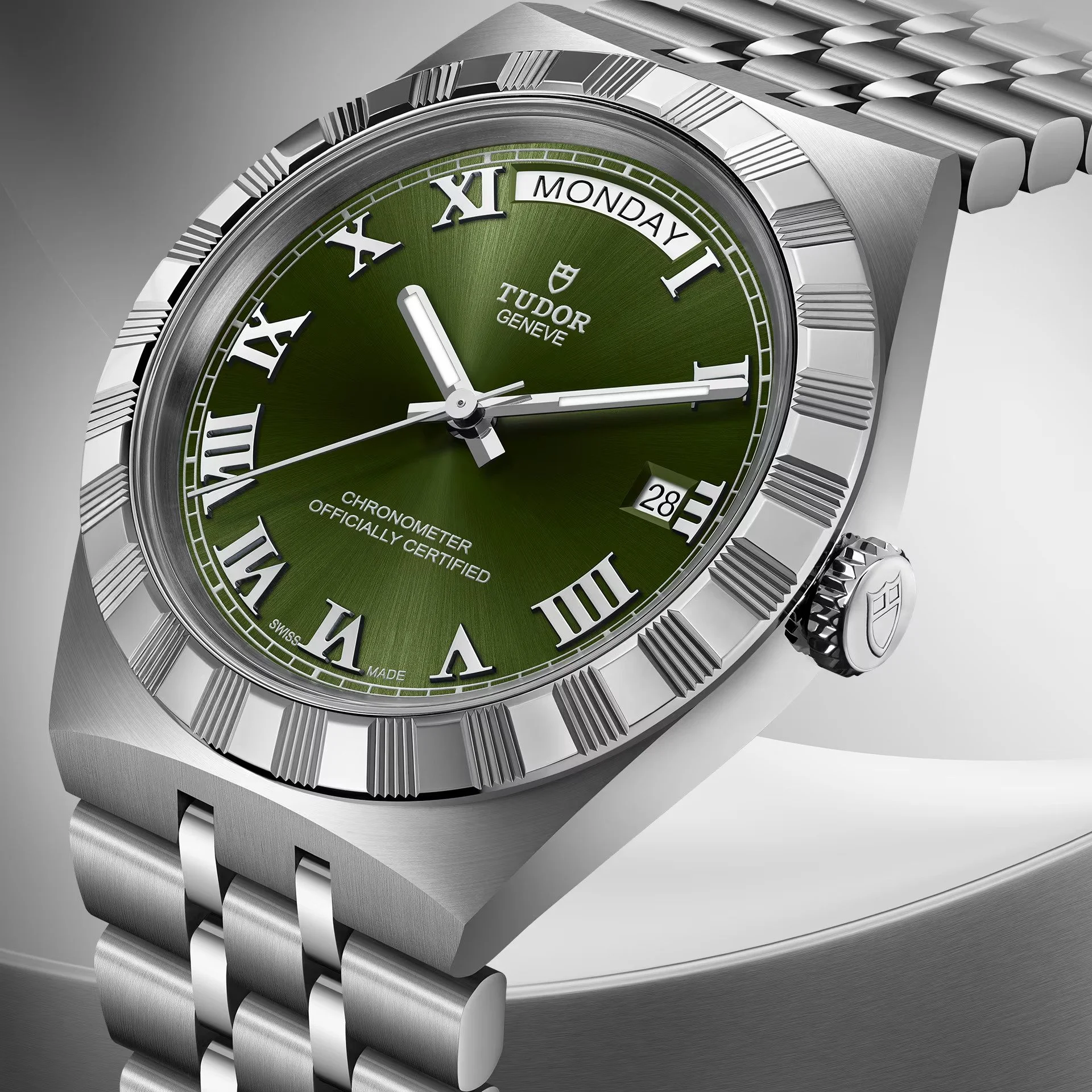
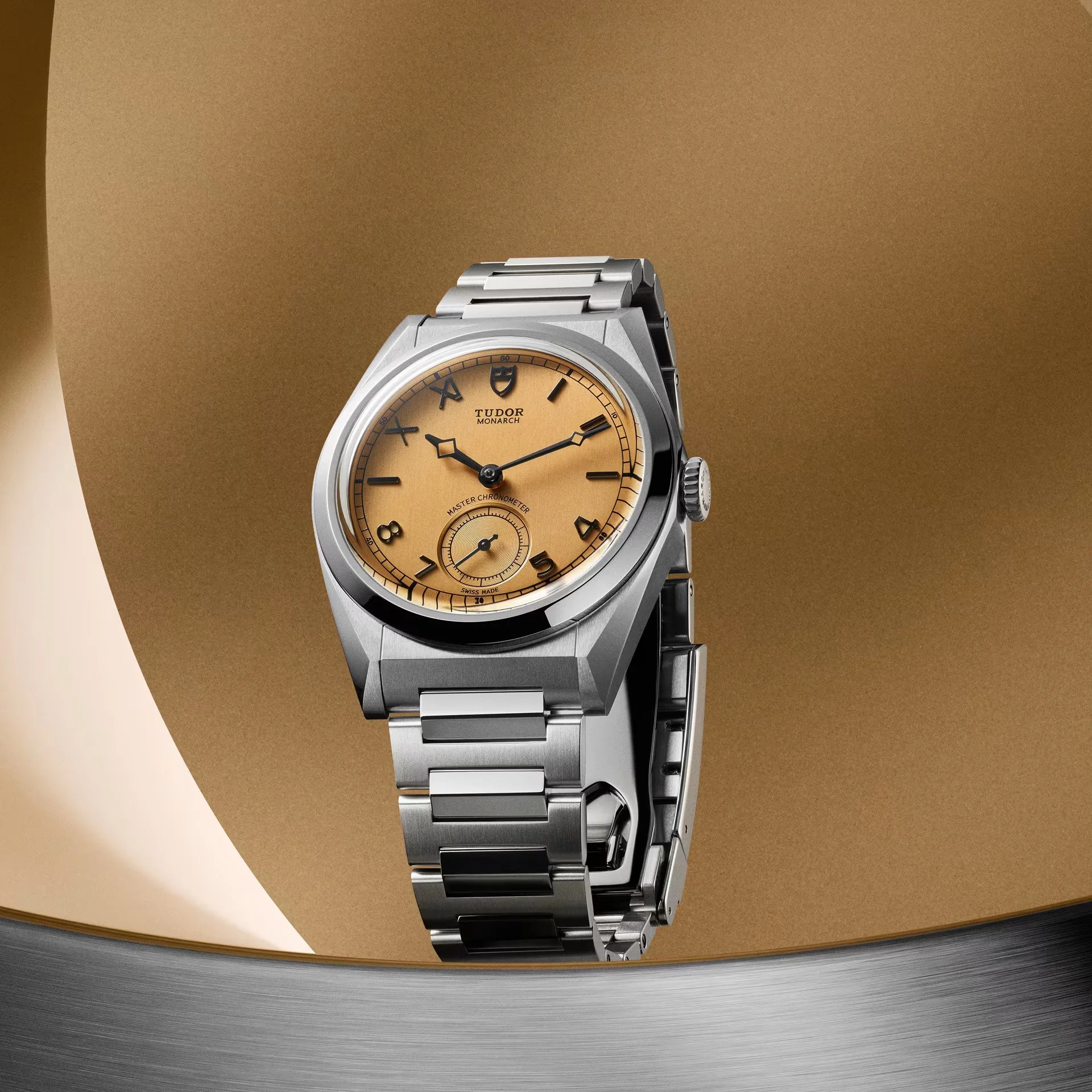
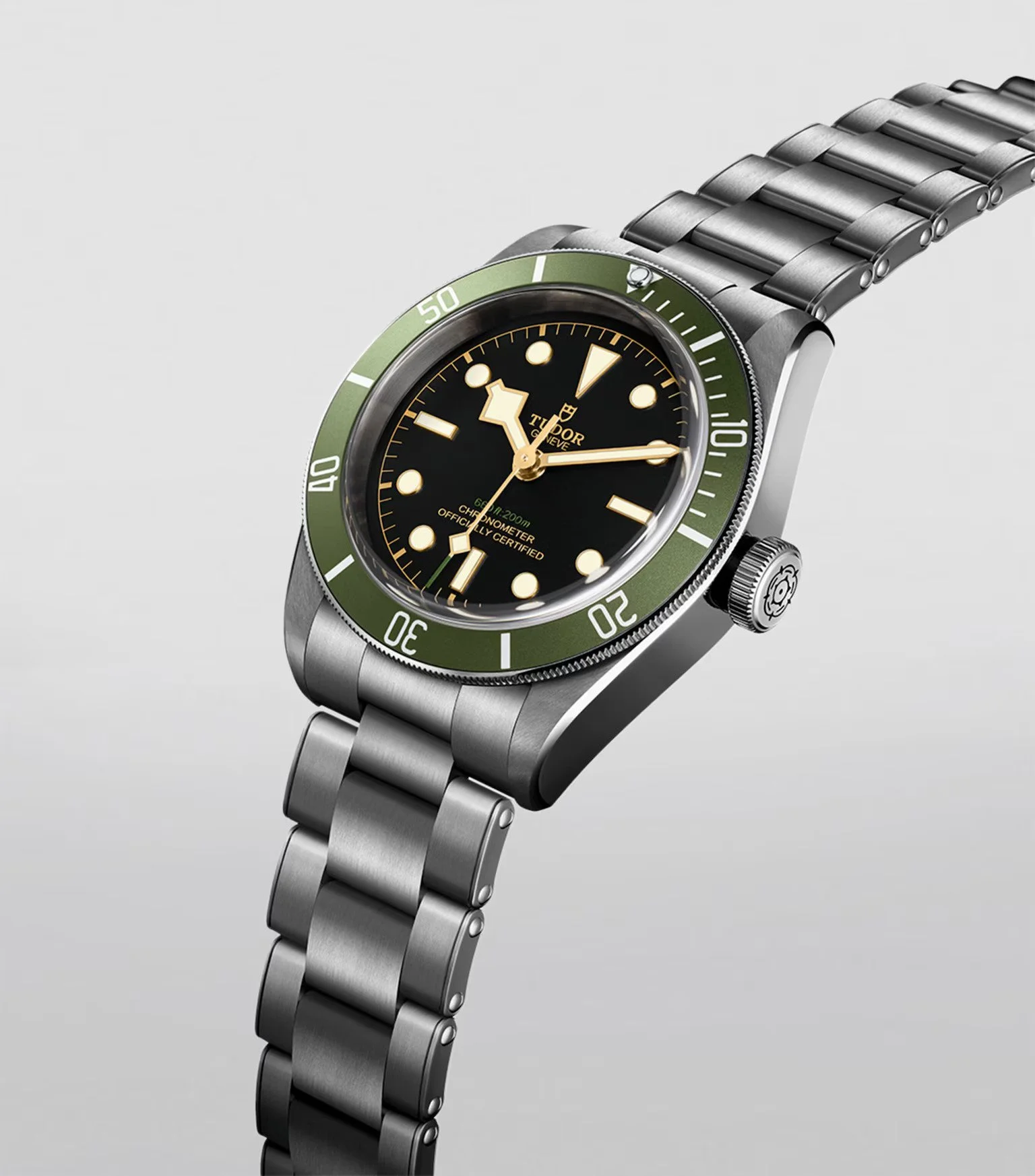
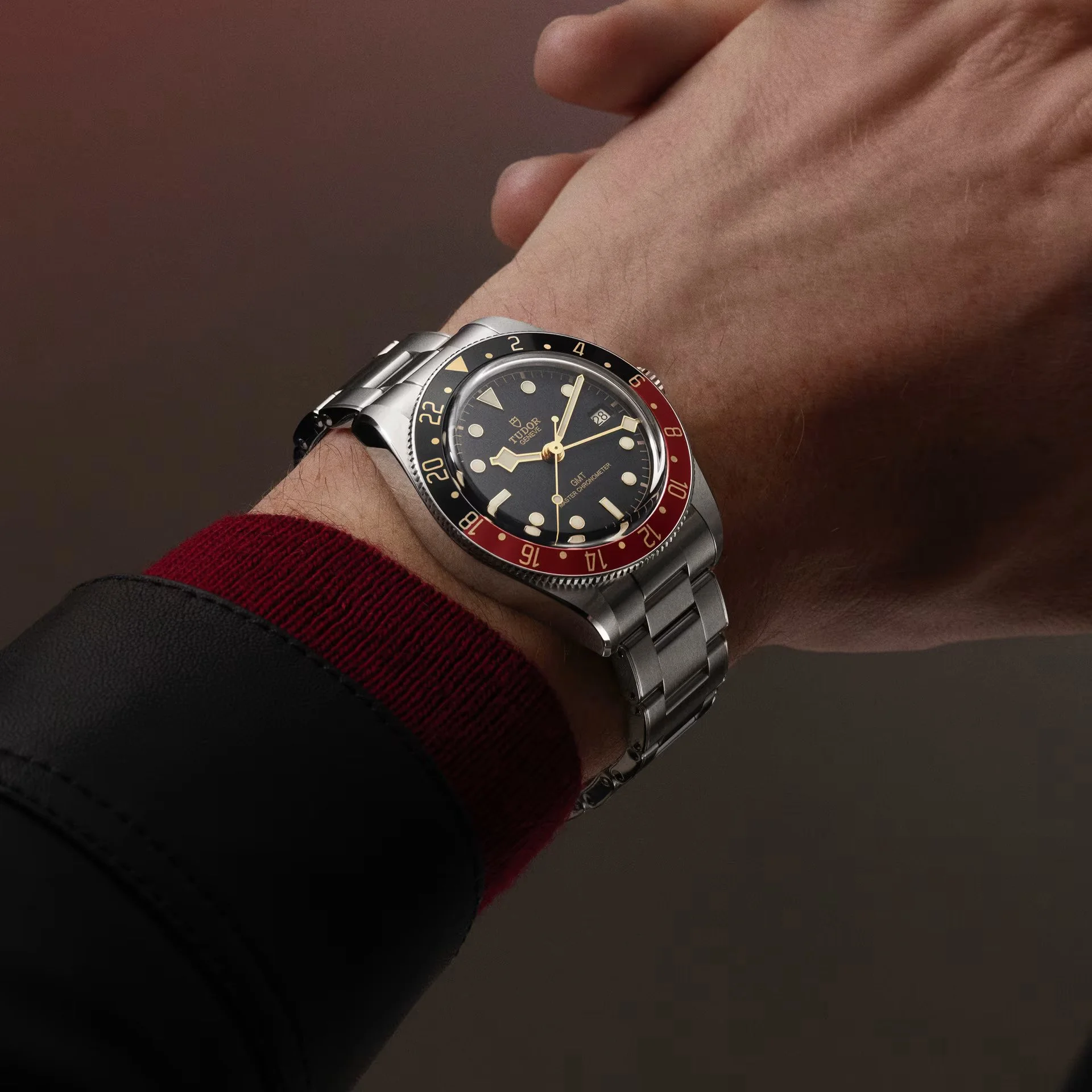
Tudor sits in that sweet spot where heritage meets relative accessibility, effectively offering Rolex-adjacent quality without the Rolex tax. With robust in house movements, METAS certified models and genuinely tool ready designs like the Black Bay and Pelagos, the brand delivers serious horology in the £3,000 to £5,500 range. It earns its place here because few brands balance build quality, design credibility and everyday wearability quite as convincingly at this level.
Omega
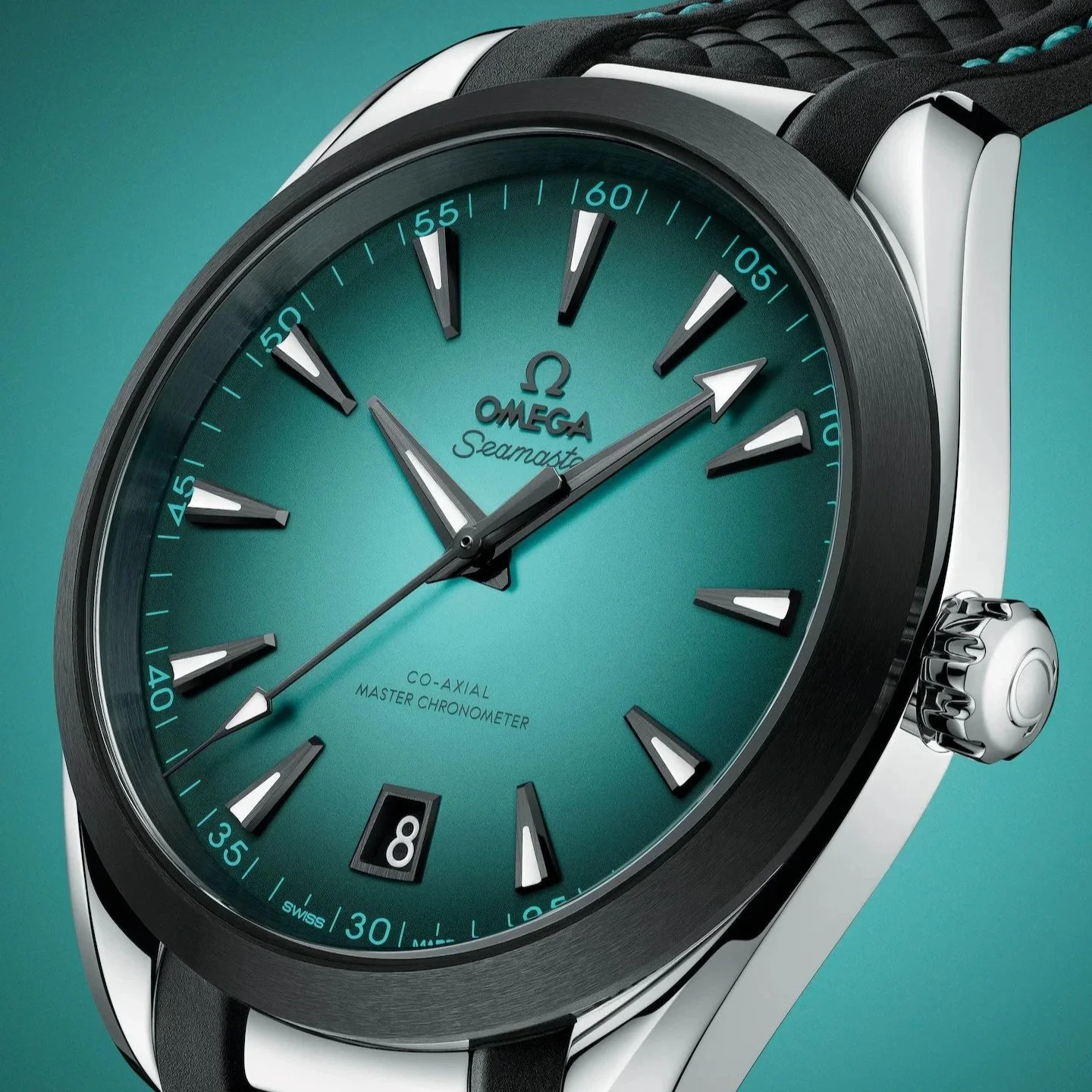
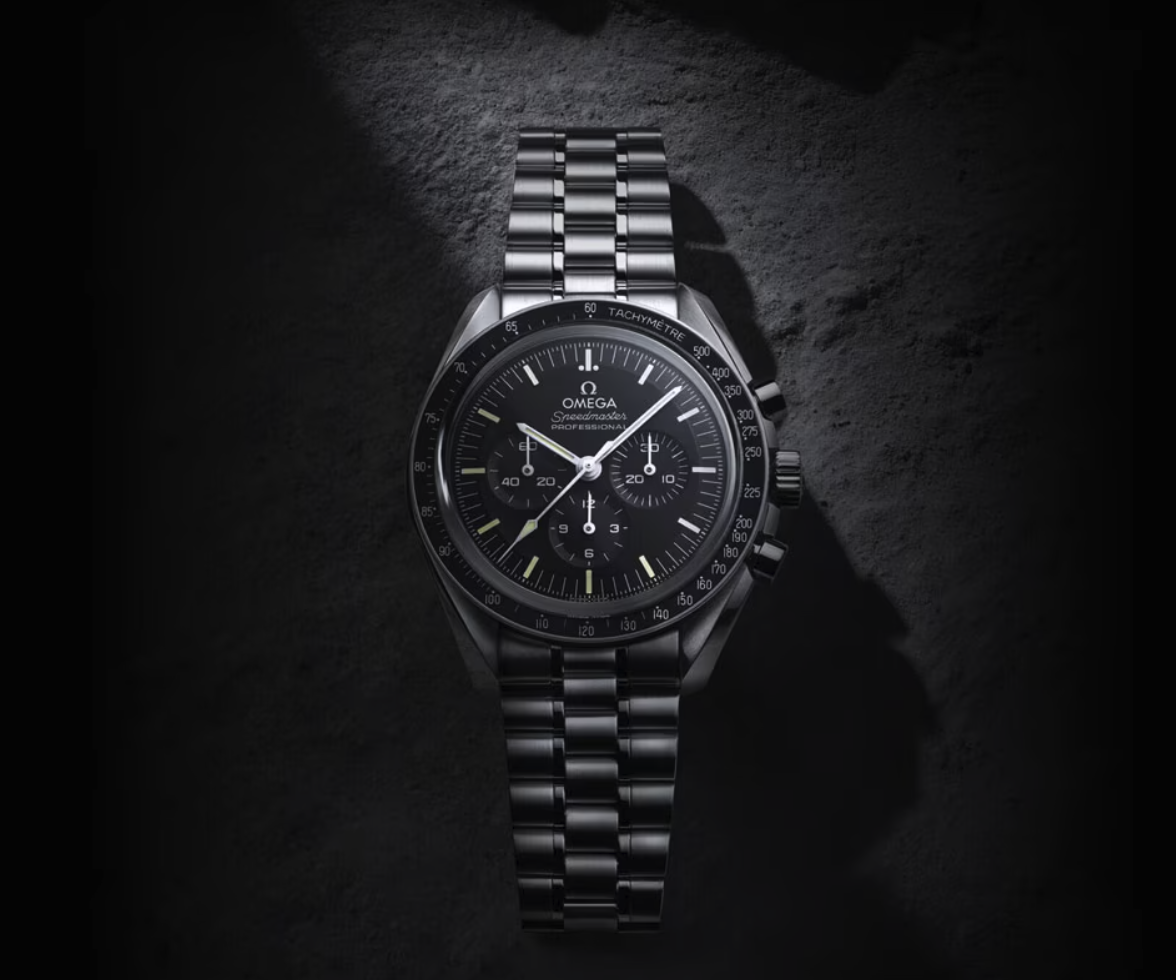
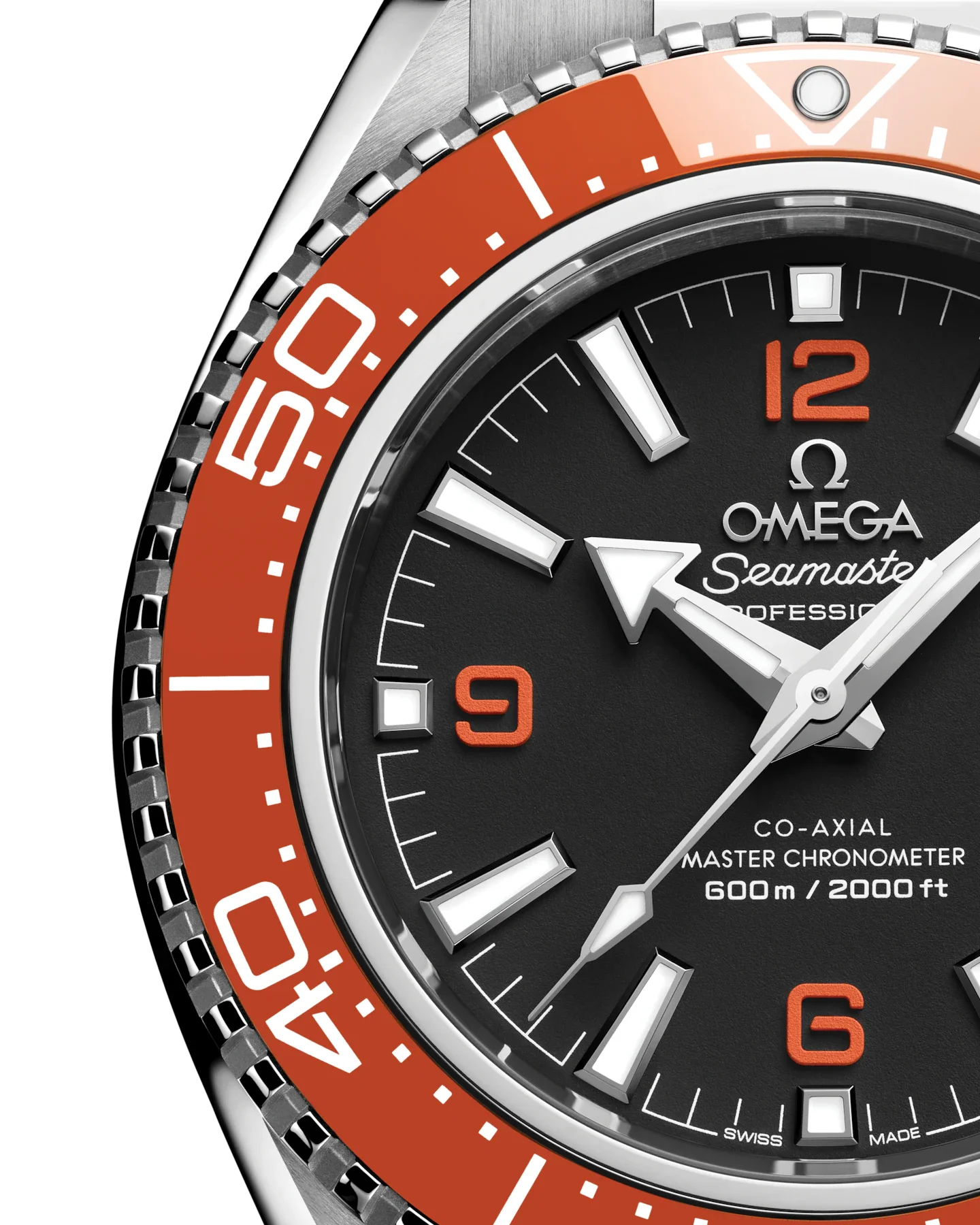
Omega is arguably the benchmark for accessible high luxury. With co axial escapements, Master Chronometer certification and a history tied to everything from space exploration to Bond, the brand offers genuine innovation alongside pedigree. Entry points sit around £3,500 (excluding the MoonSwatch), stretching well into five figures, but even at the lower end you are getting industry leading movement tech and finishing. This is proper luxury watchmaking that still feels just about attainable even though their prices are creeping up each year.

Cartier
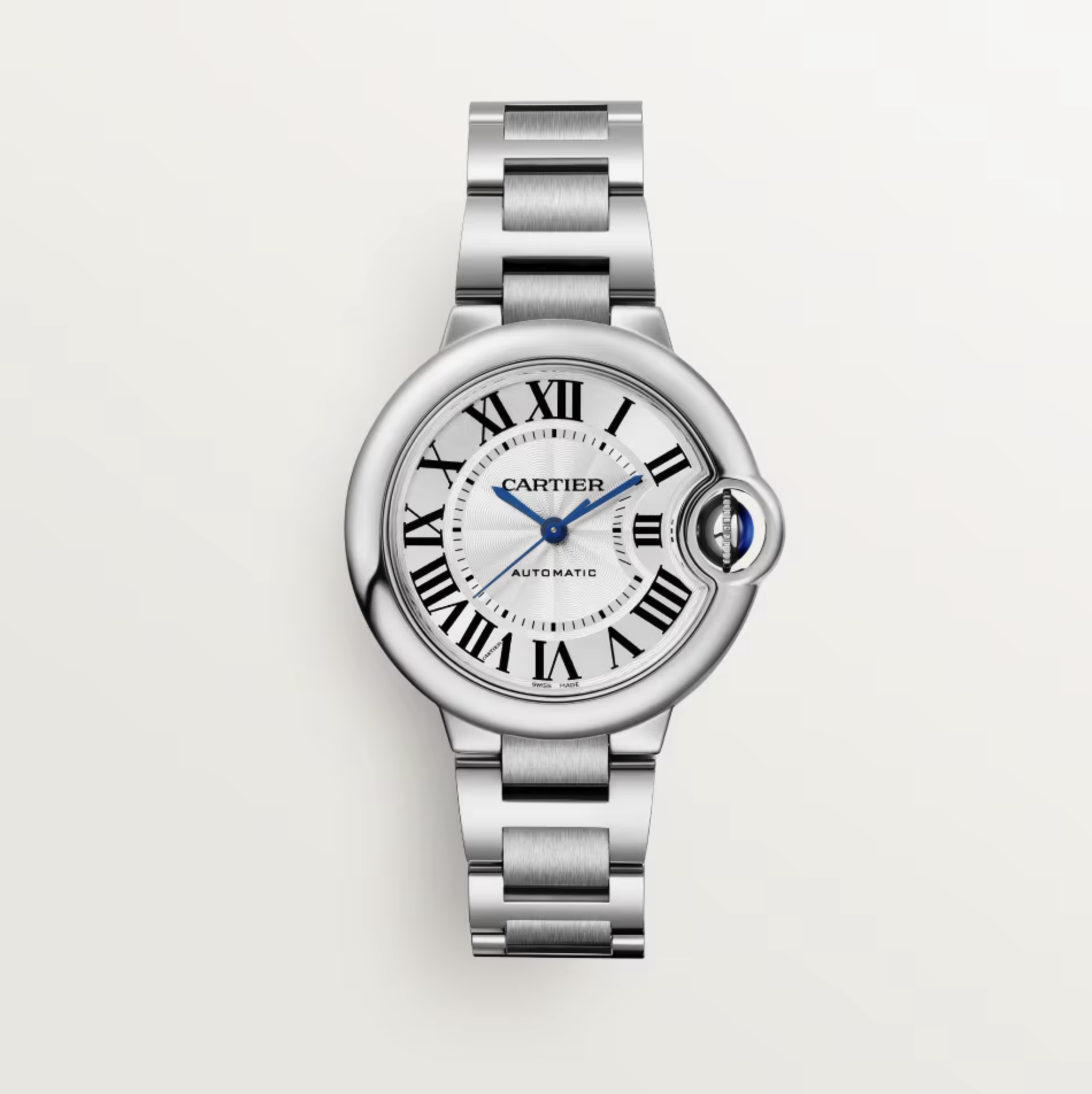
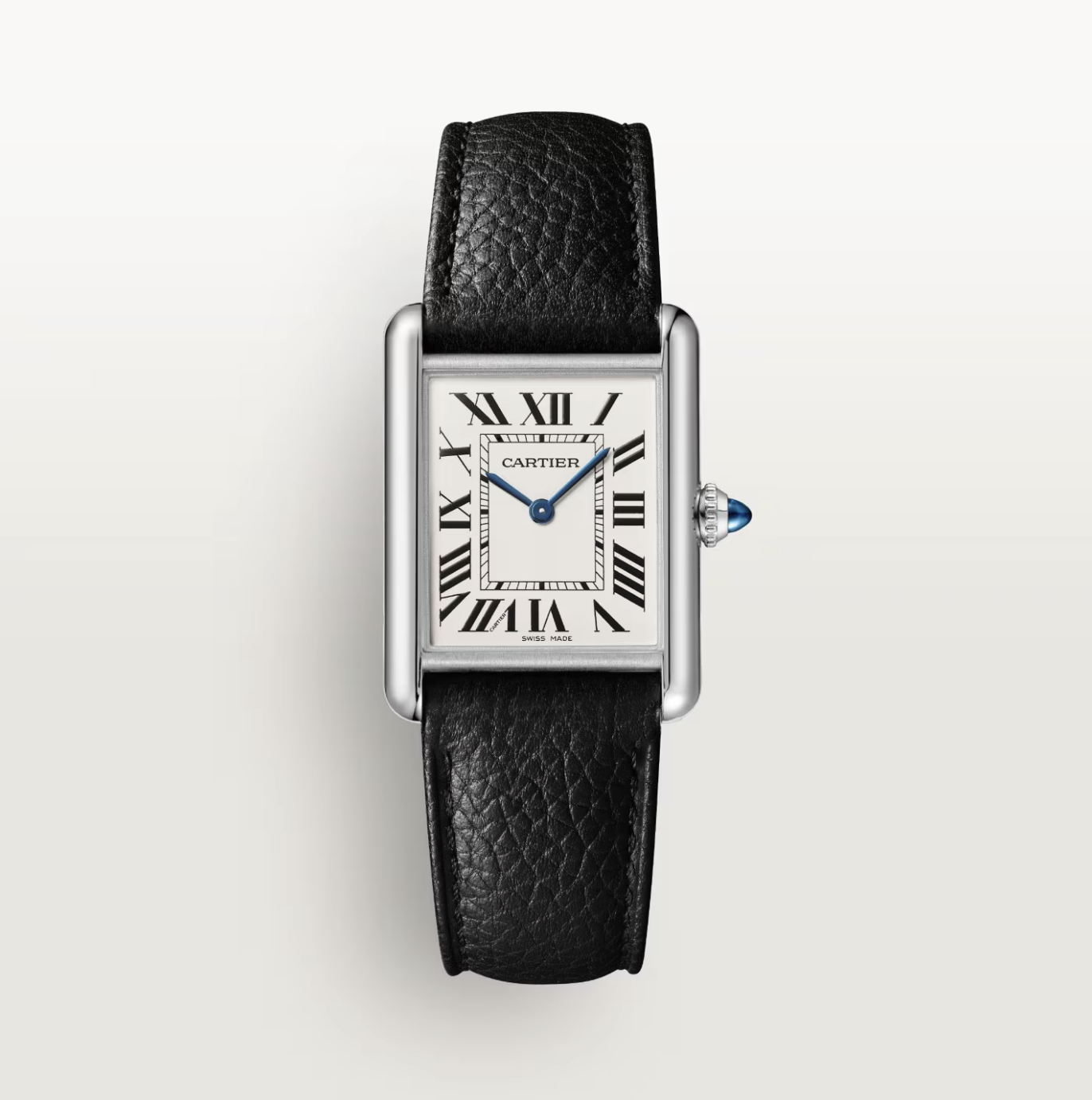
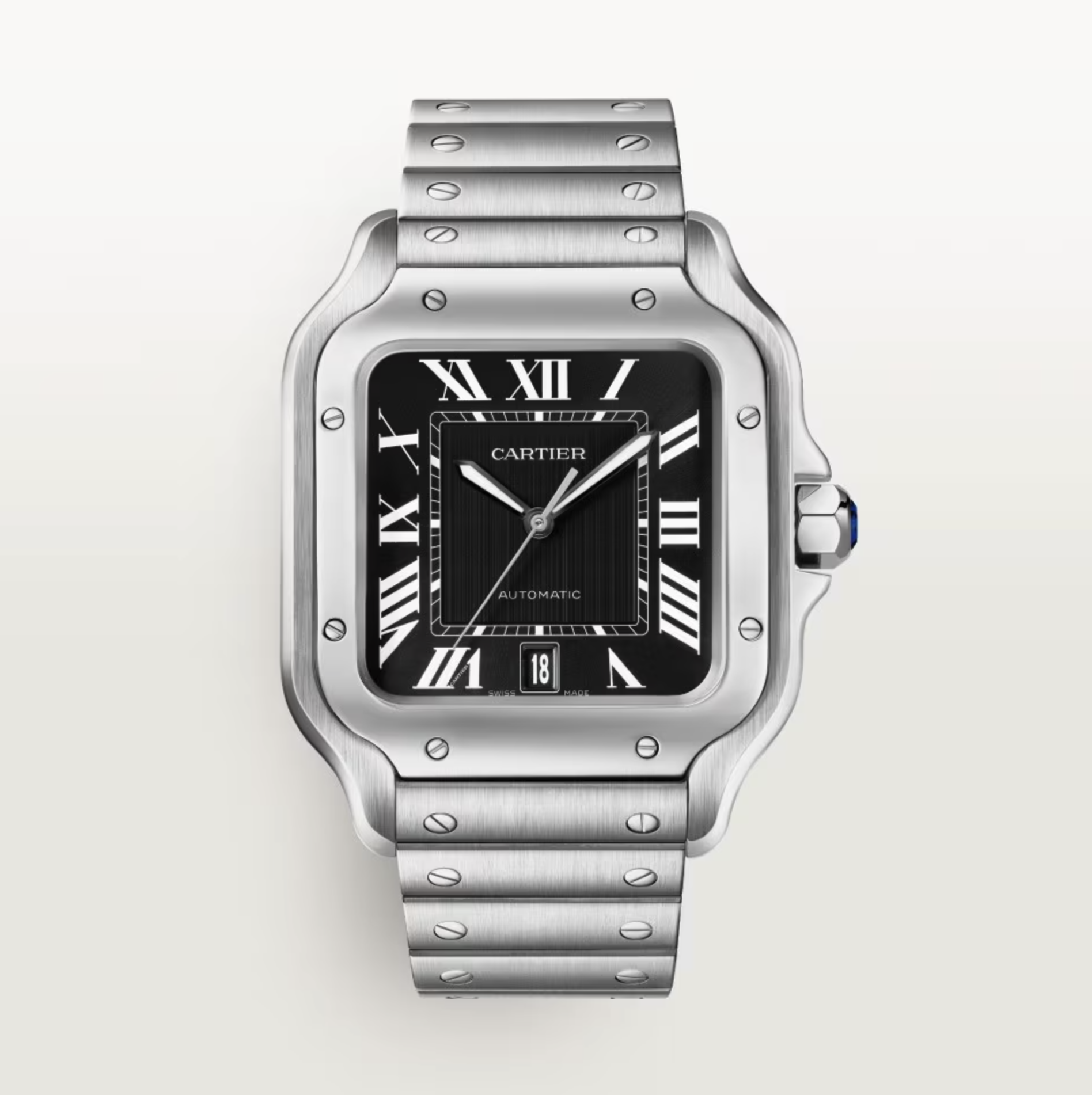
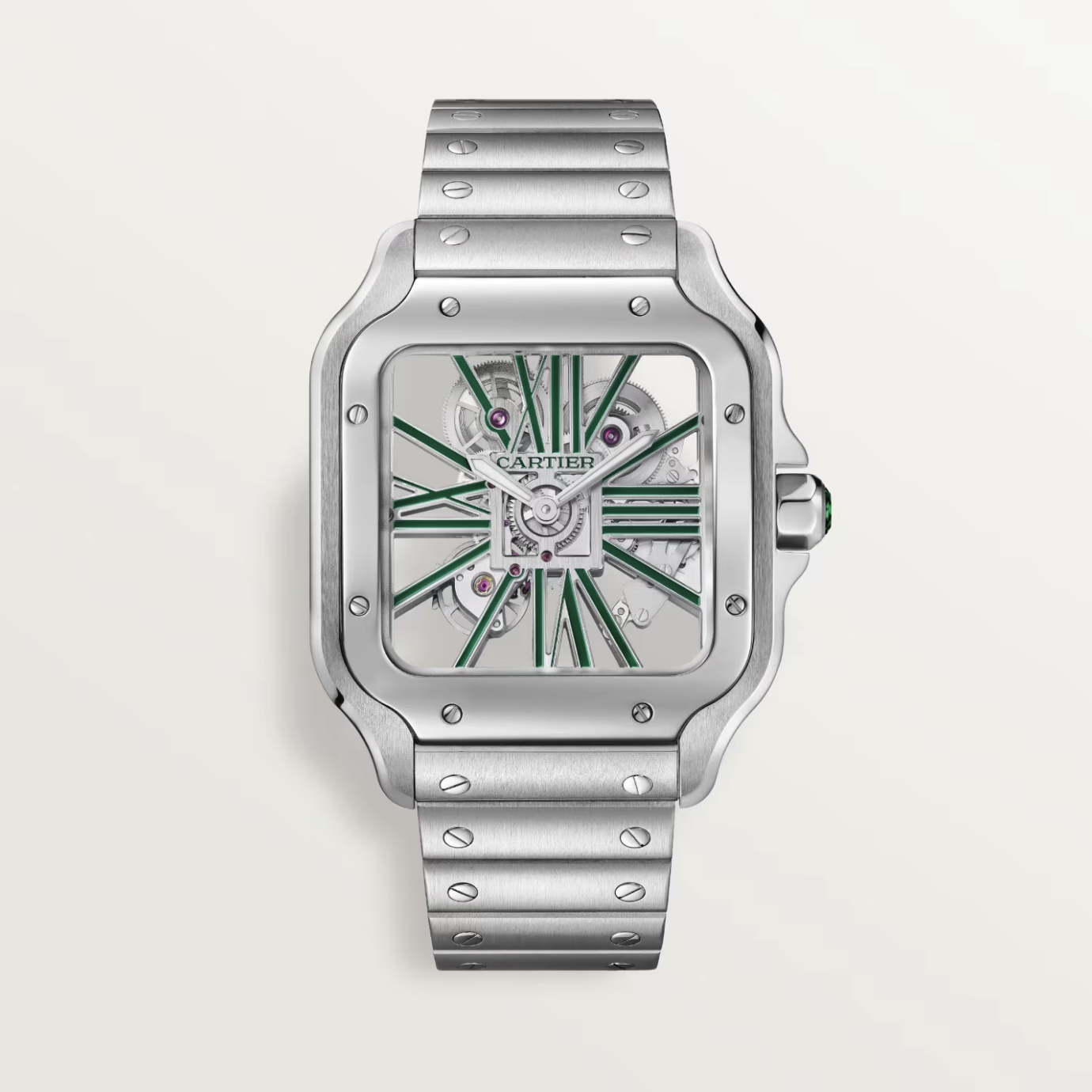
Cartier approaches watchmaking from a design first perspective, and that is precisely why it belongs here. Icons like the Tank and Santos prove that you do not need mechanical complexity to create enduring value. Starting around £3,000, Cartier delivers timeless aesthetics, strong brand equity and a level of refinement that few can match. It is less about spec sheets and more about wearing something culturally significant.
Longines
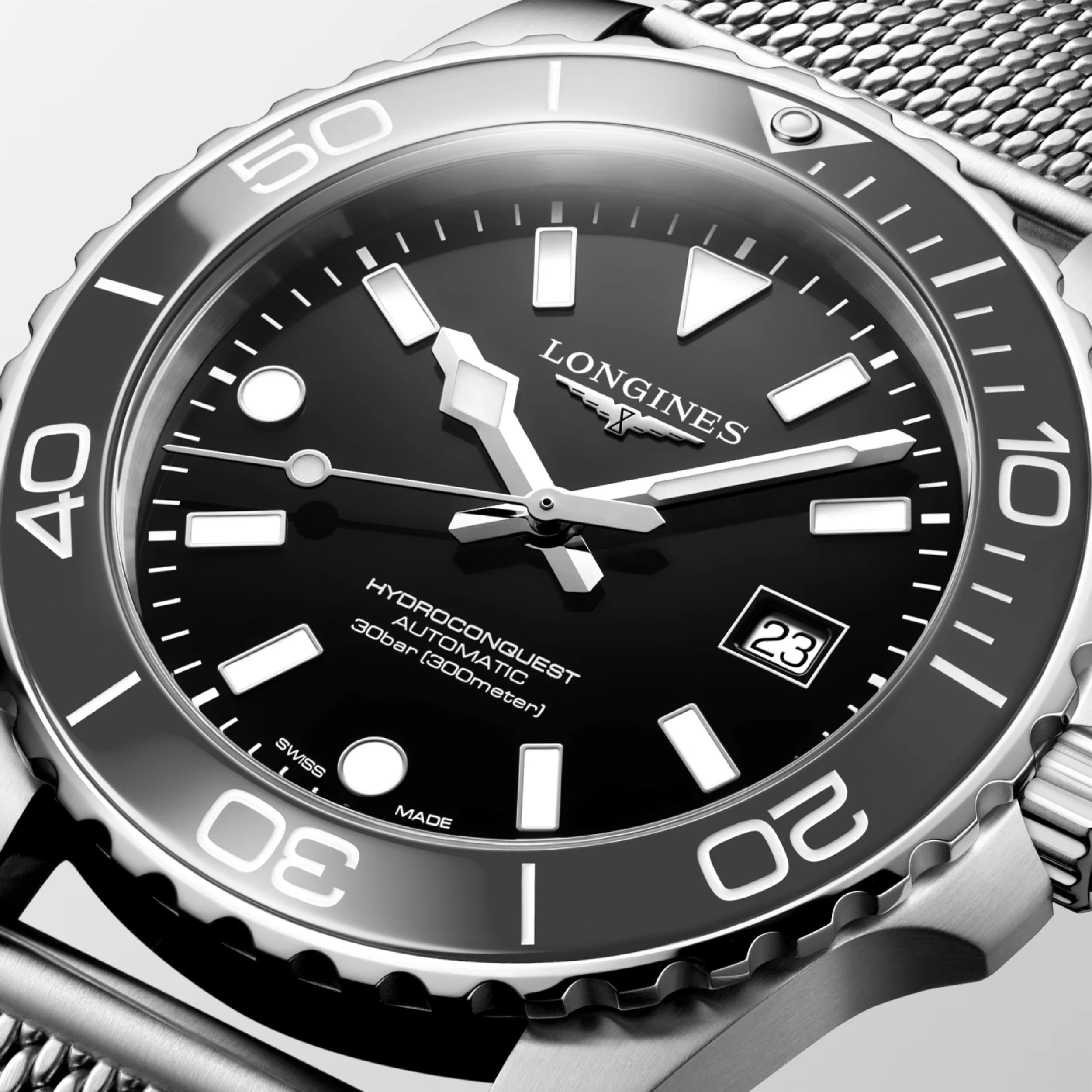
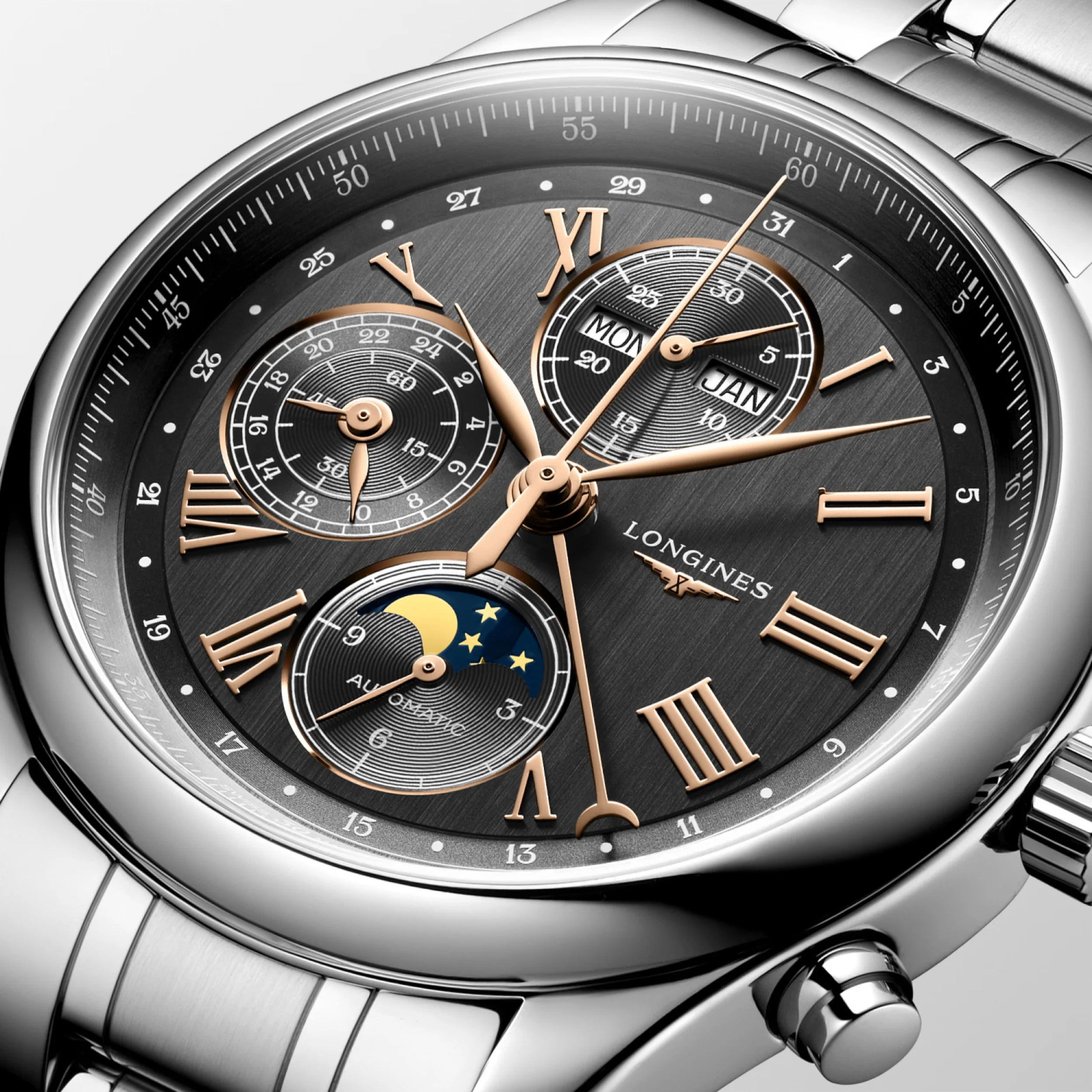
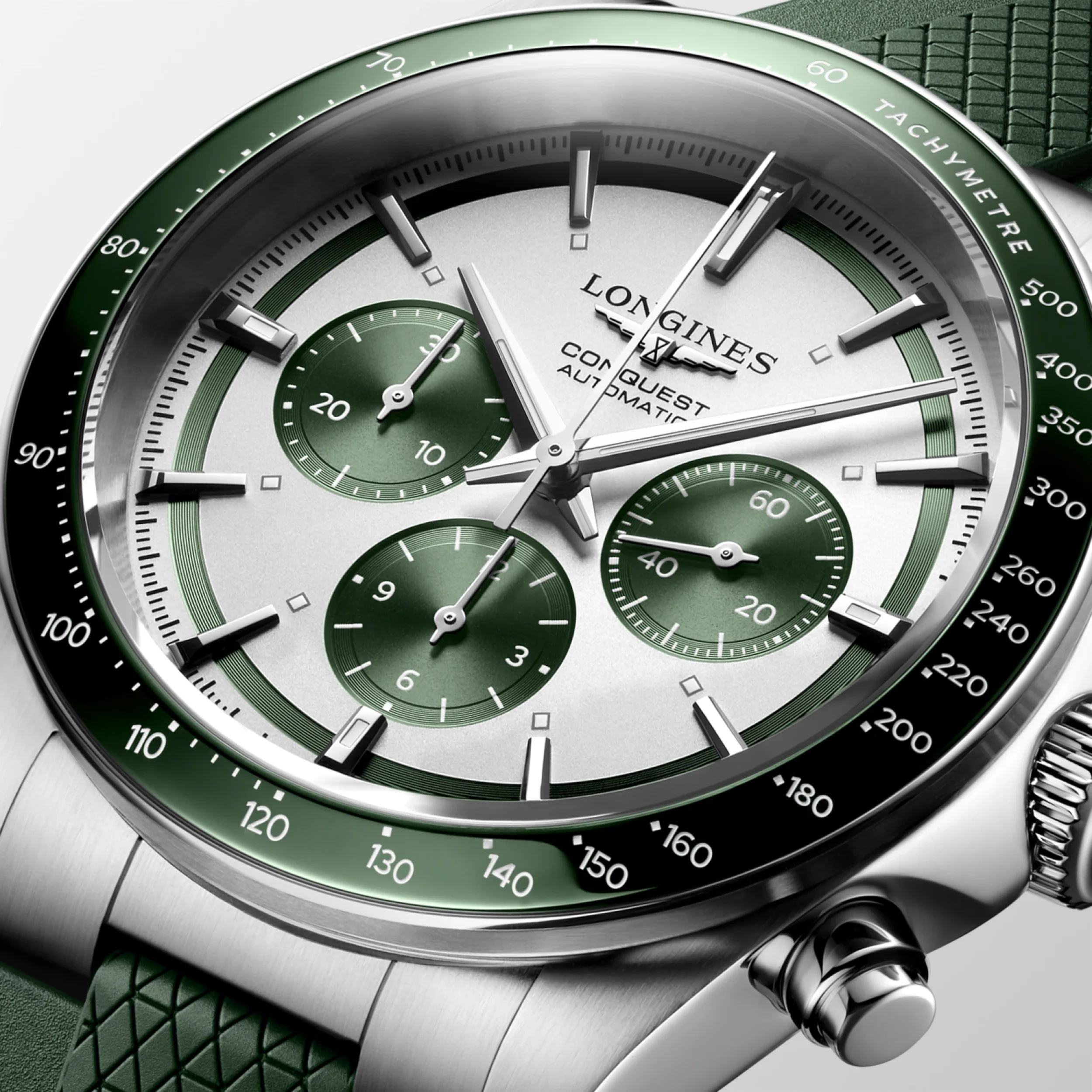
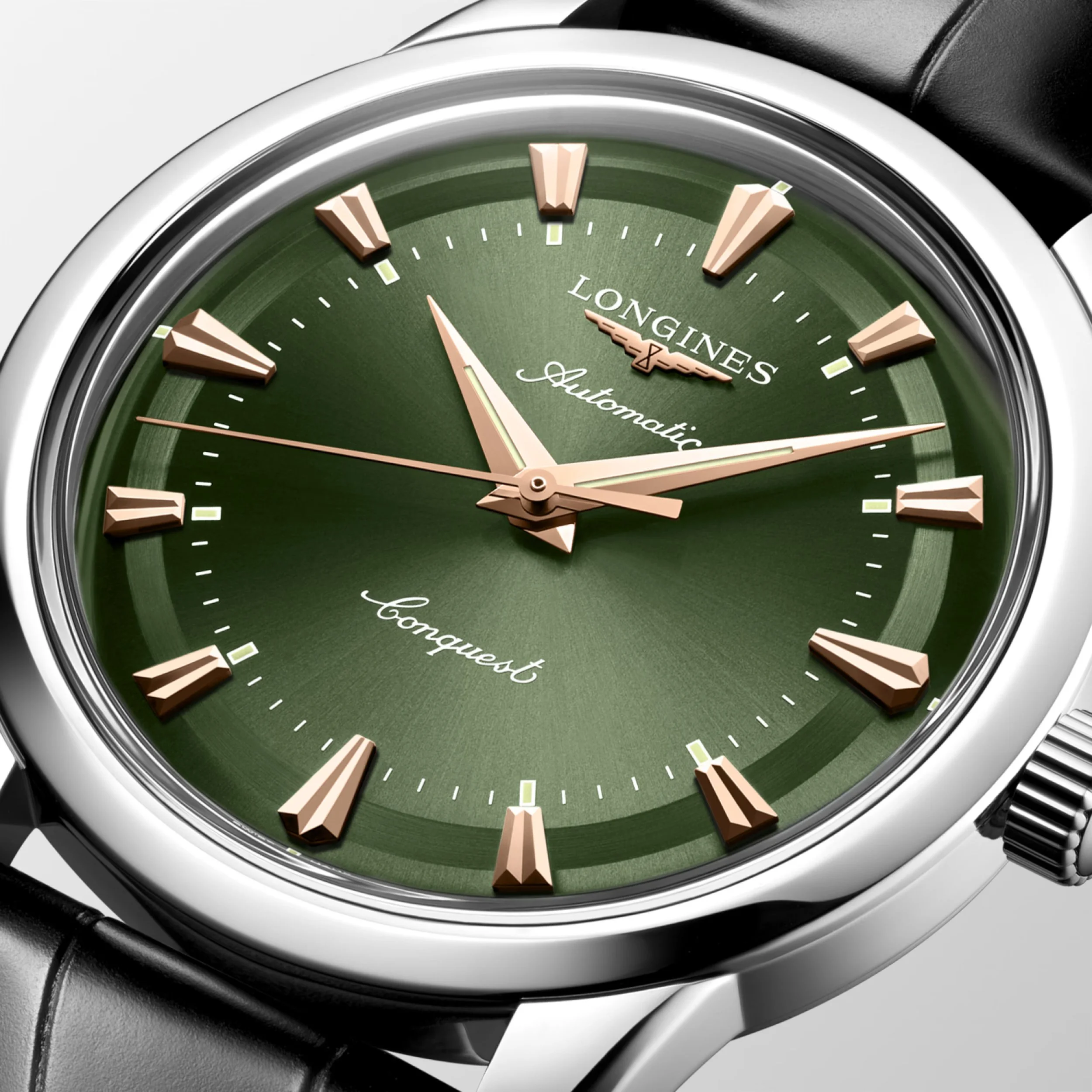
Longines has quietly become one of the best value propositions in Swiss watchmaking. With nearly two centuries of history and a catalogue spanning elegant dress pieces to capable sports watches, the brand consistently over delivers for its price point, often starting around £1,000 to £3,000. Strong ETA based movements, excellent finishing and heritage driven design make Longines a go to for collectors who want substance without overspending. The new HydroConquest is a particular hit and we see this watch becoming one of the brands best sellers in recent years!
Christopher Ward
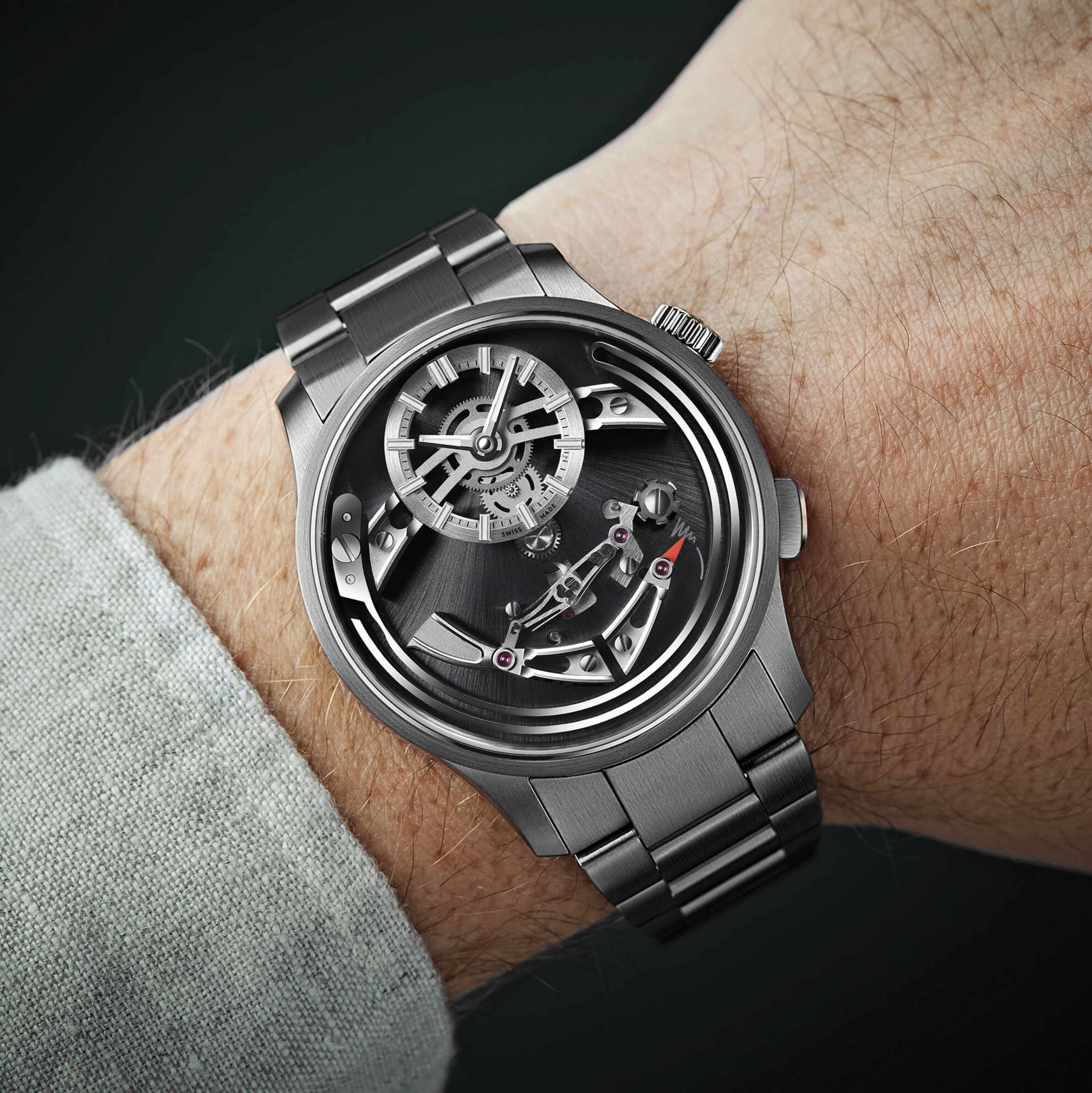
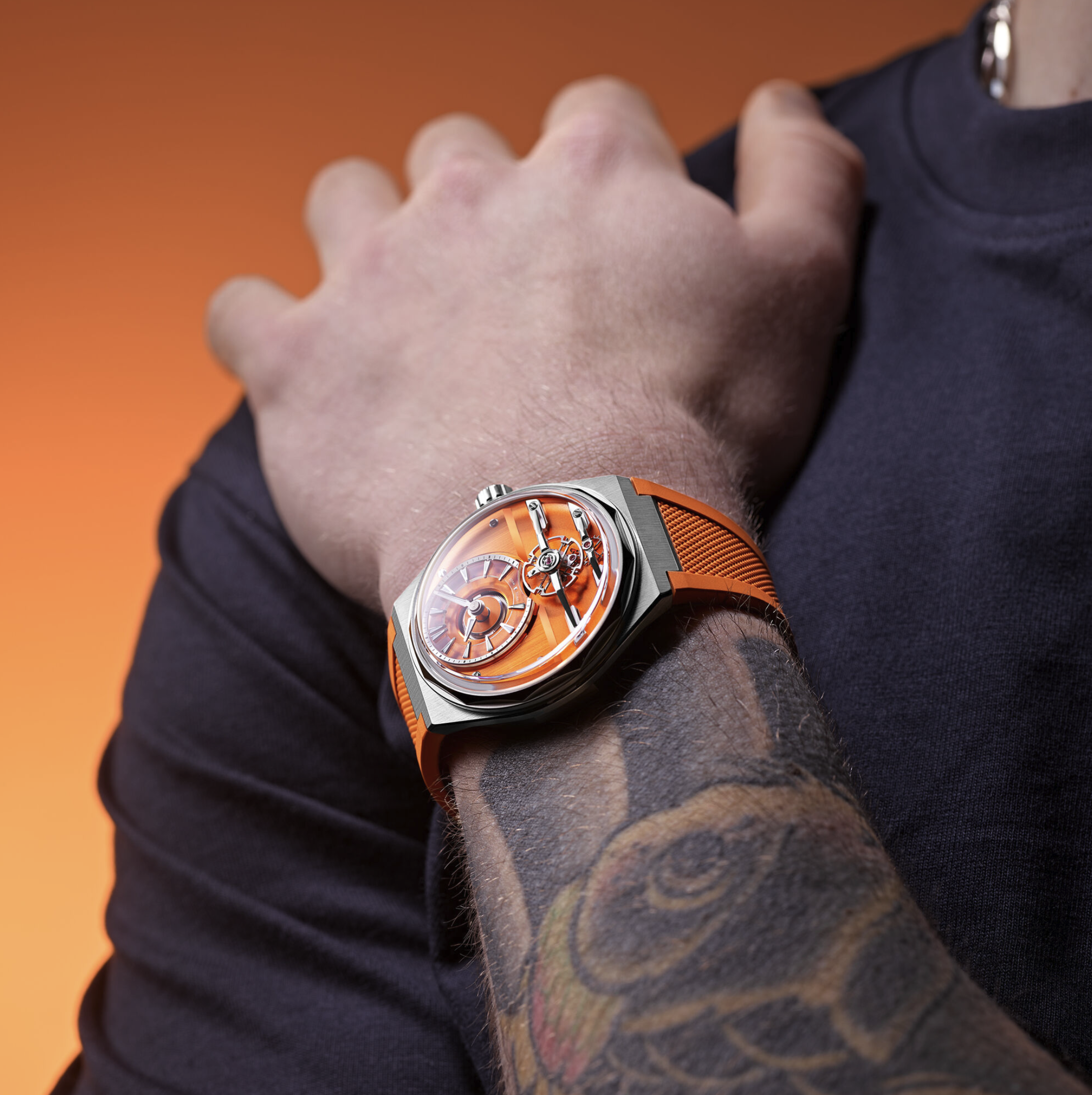
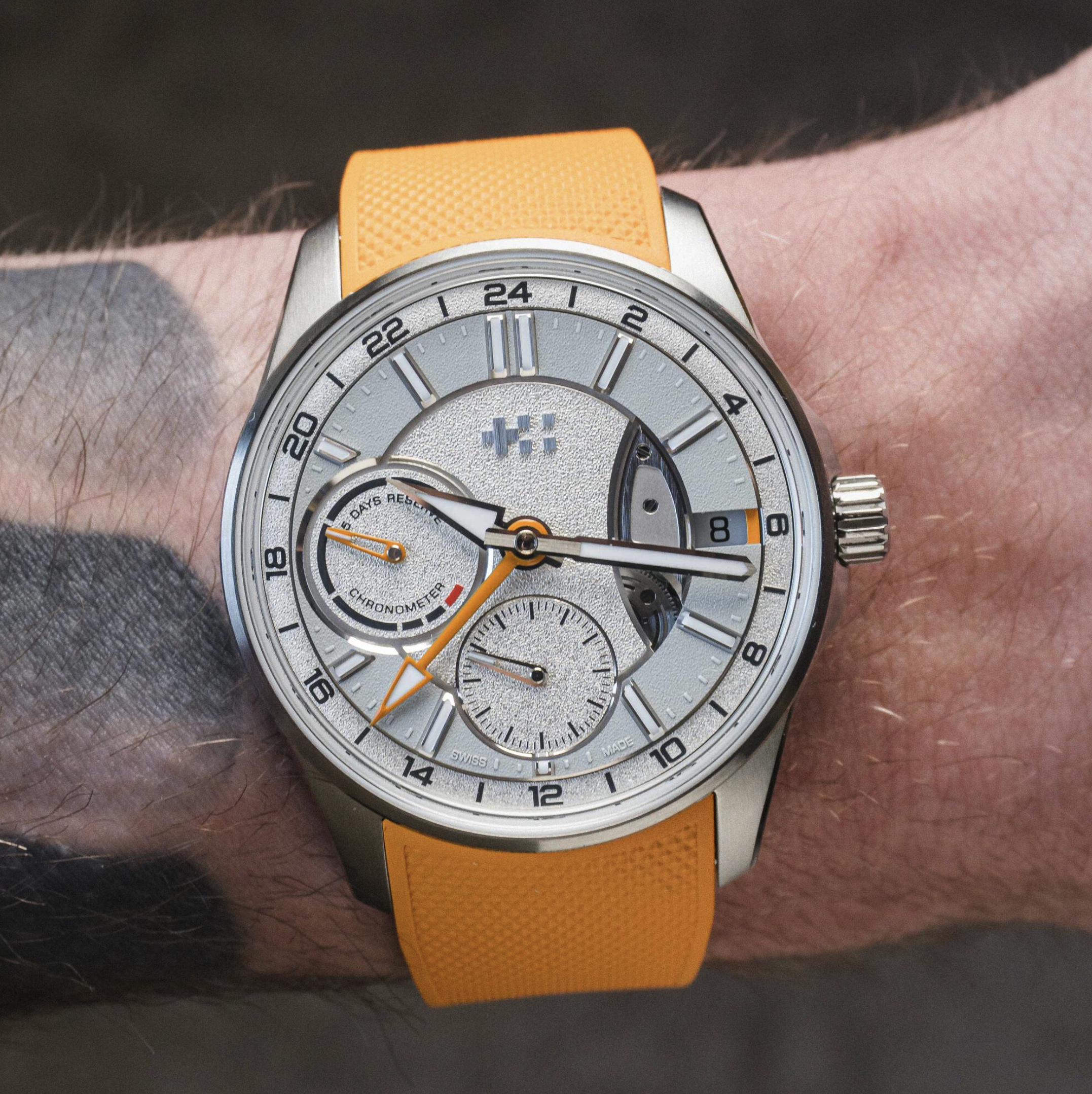
Christopher Ward has built its reputation on disrupting traditional pricing models. By selling direct to consumer, the brand removes retail markups and channels that saving into higher spec watches. The result is COSC certified pieces, in house calibres and impressive finishing at prices typically between £800 and £2,500. It is one of the clearest examples of modern value driven watchmaking done right.
Oris
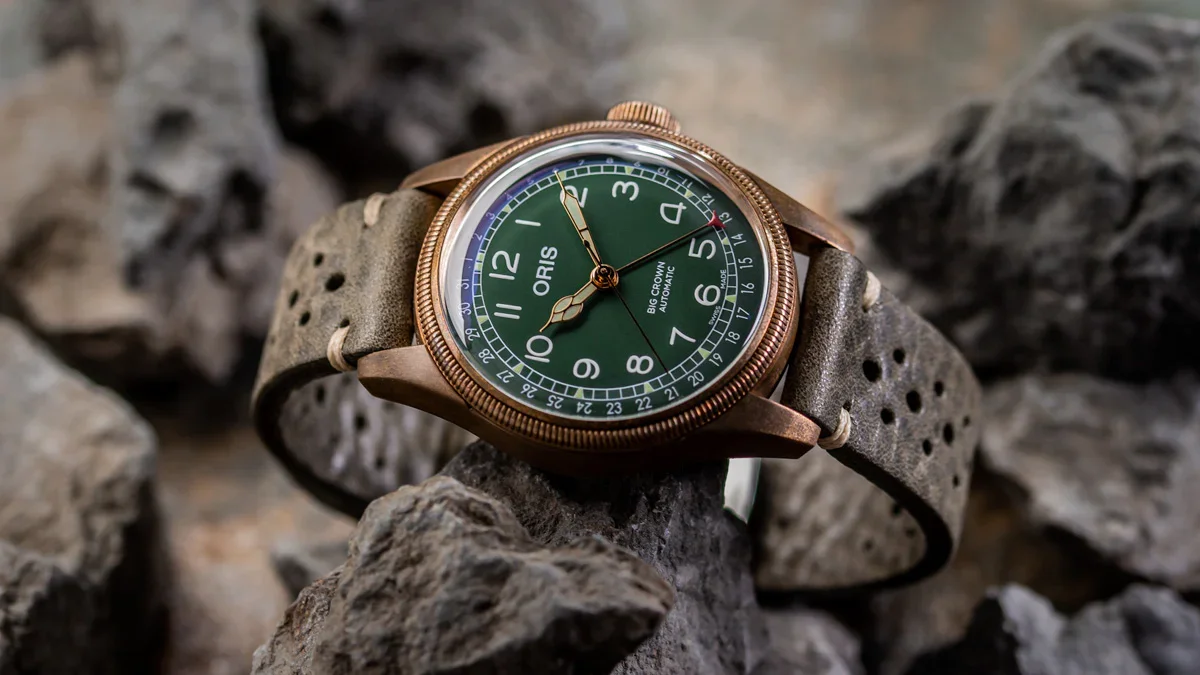
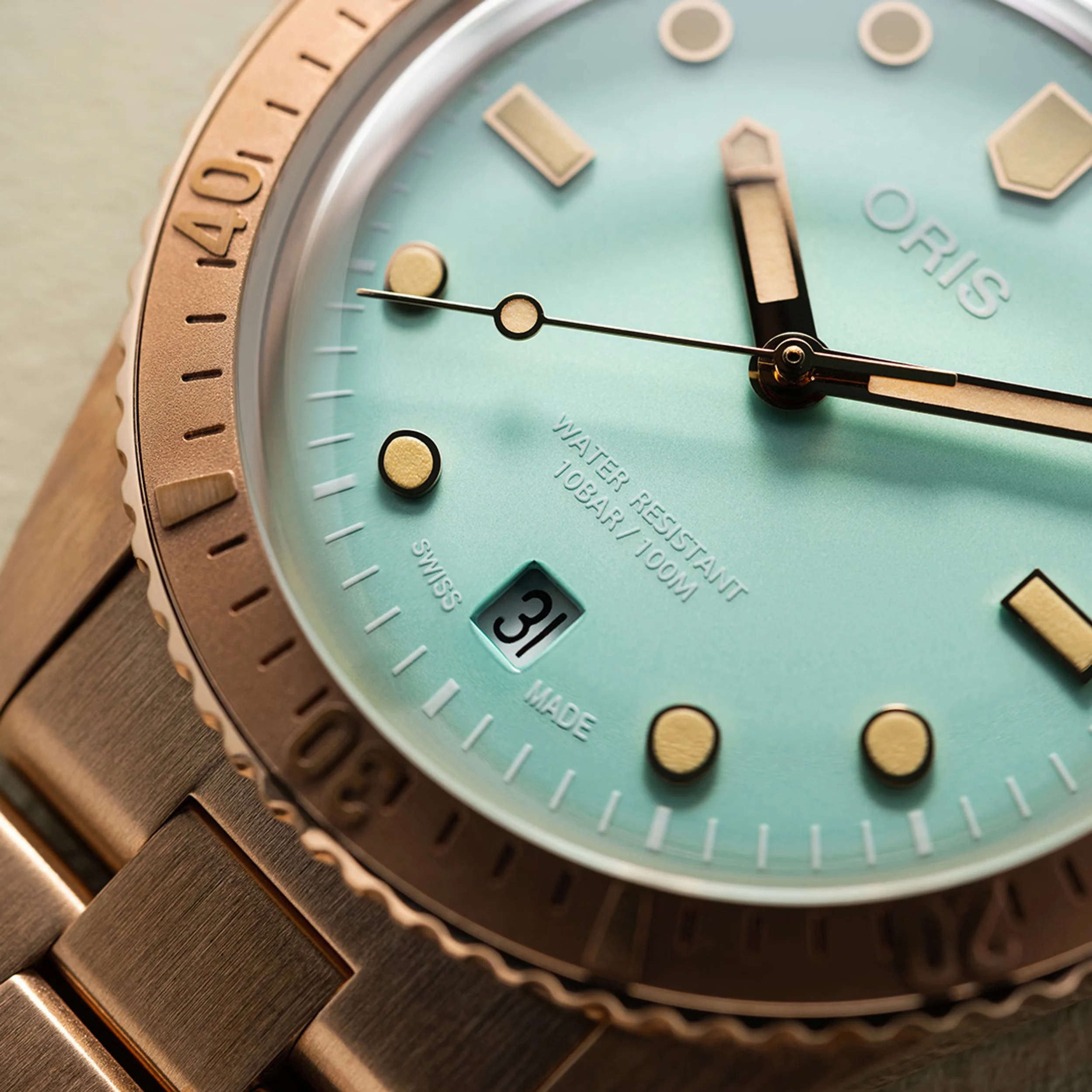
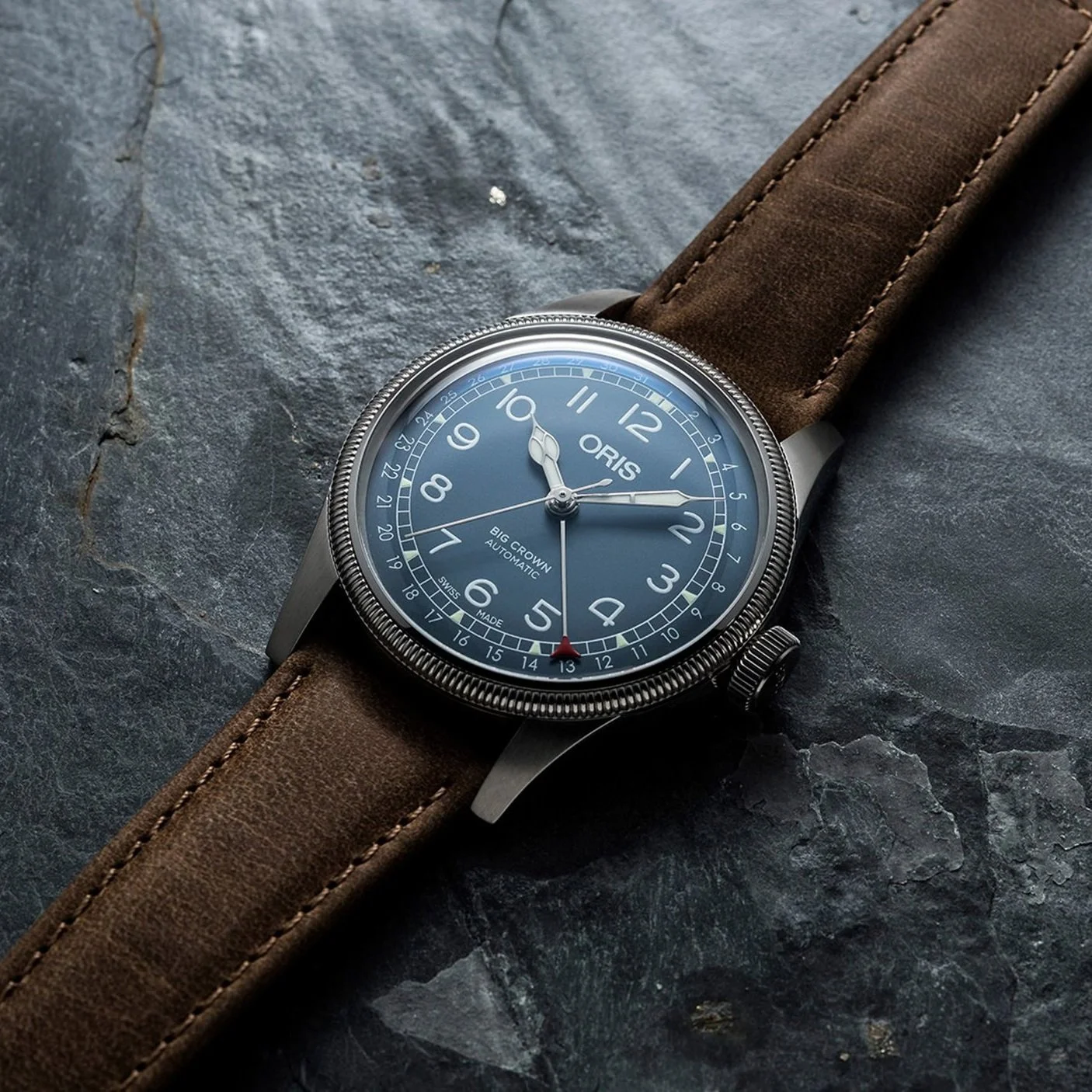
Independent, mechanical only and quietly brilliant, Oris is a brand that enthusiasts tend to discover and then stick with. With prices generally starting around £2,000, you are getting in house calibres, long power reserves and a strong focus on functional tool watches. The Big Crown and Aquis lines in particular offer distinctive design backed by genuine engineering credibility.

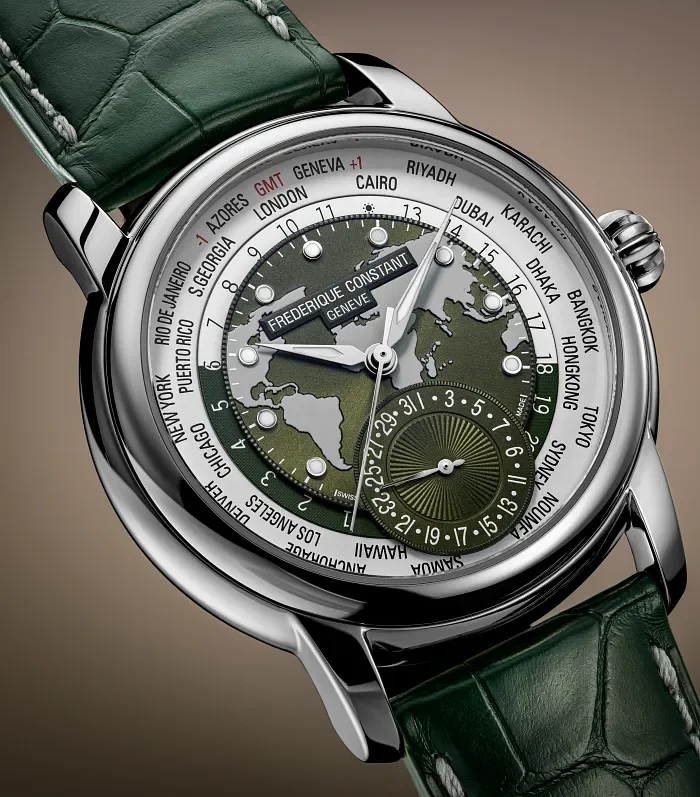
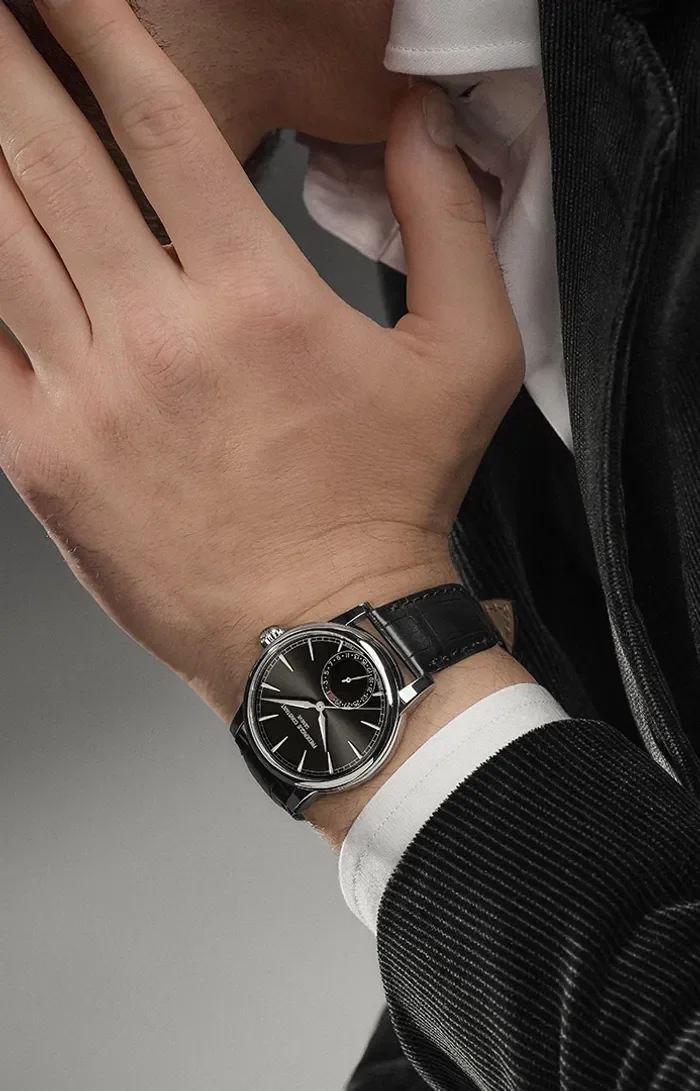
Frederique Constant
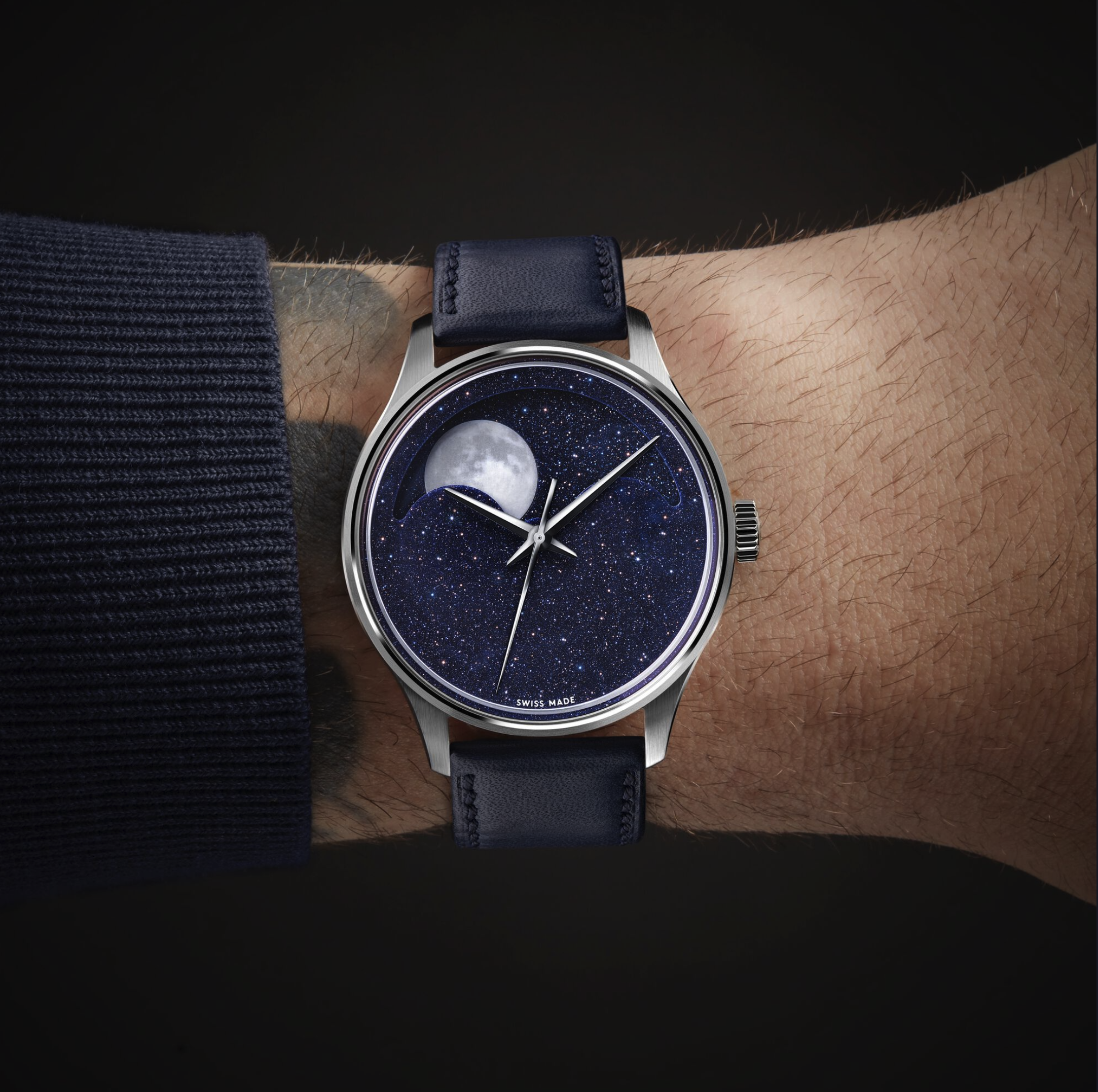
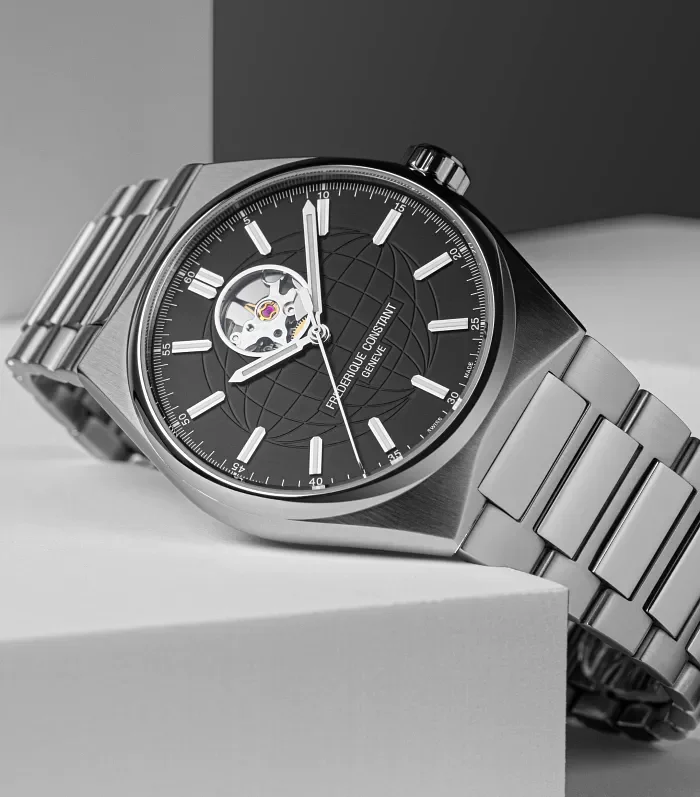
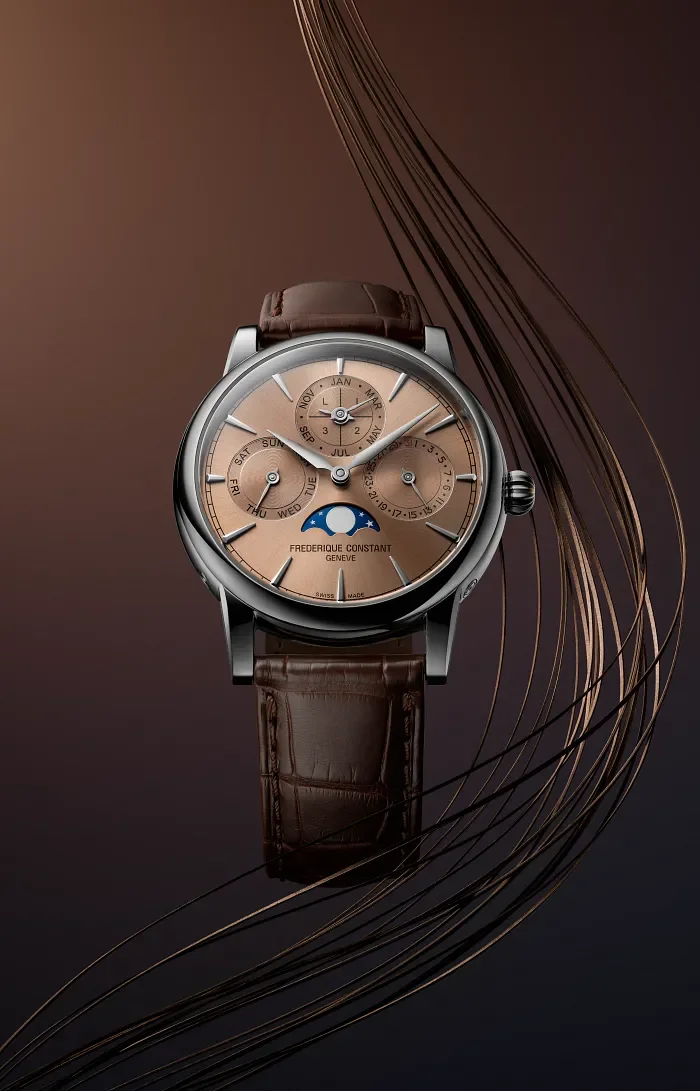
Frederique Constant has made a name for itself by democratising traditional complications. Perpetual calendars, moonphases and in house movements appear here at a fraction of the price you would expect elsewhere, typically between £1,000 and £4,000. It is classical Swiss watchmaking with a modern pricing philosophy, making complications far more accessible than they have any right to be. Yes they have watches at nearly £10,000, but these are bespoke in-house movements that can compete with the biggest names in horology.
Hamilton
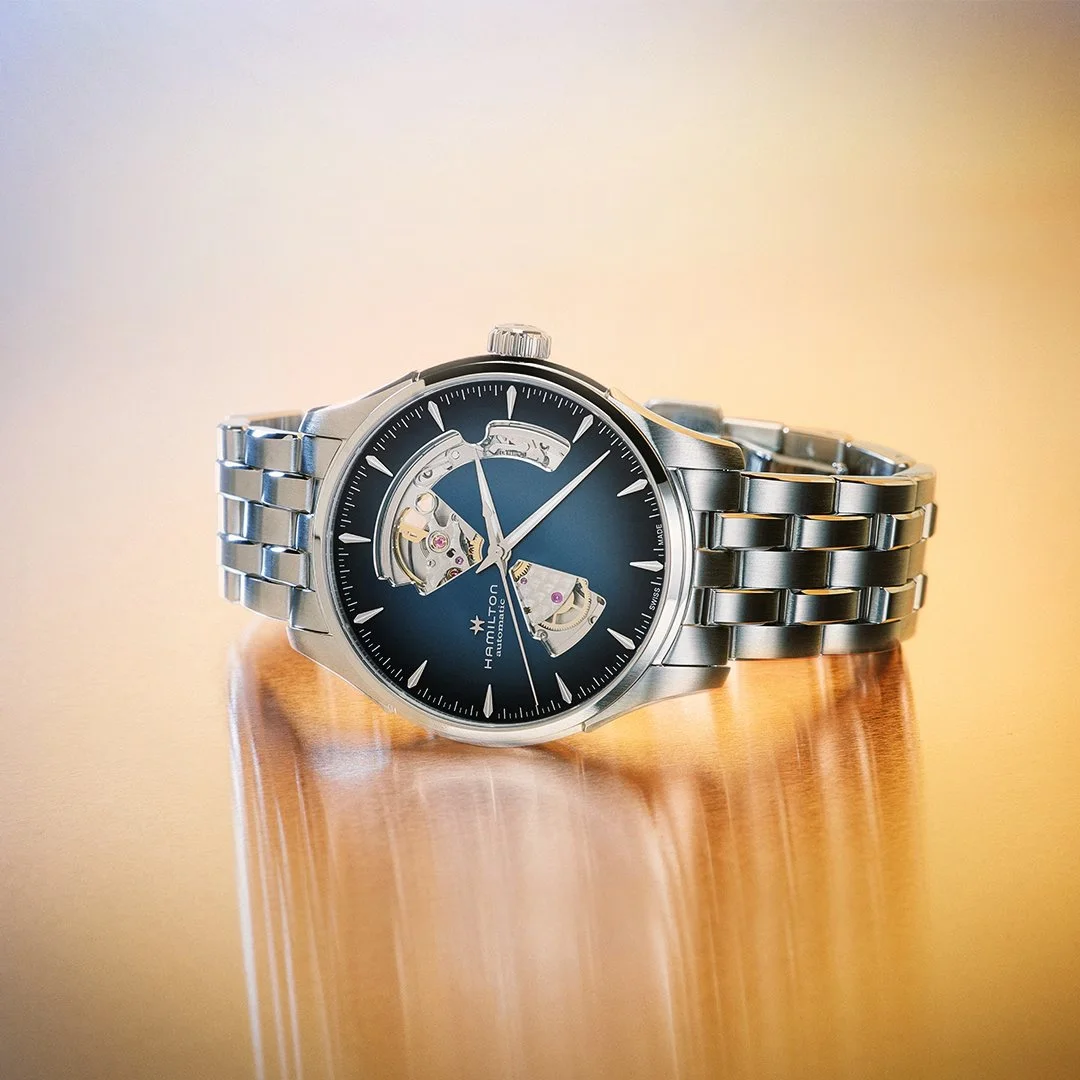
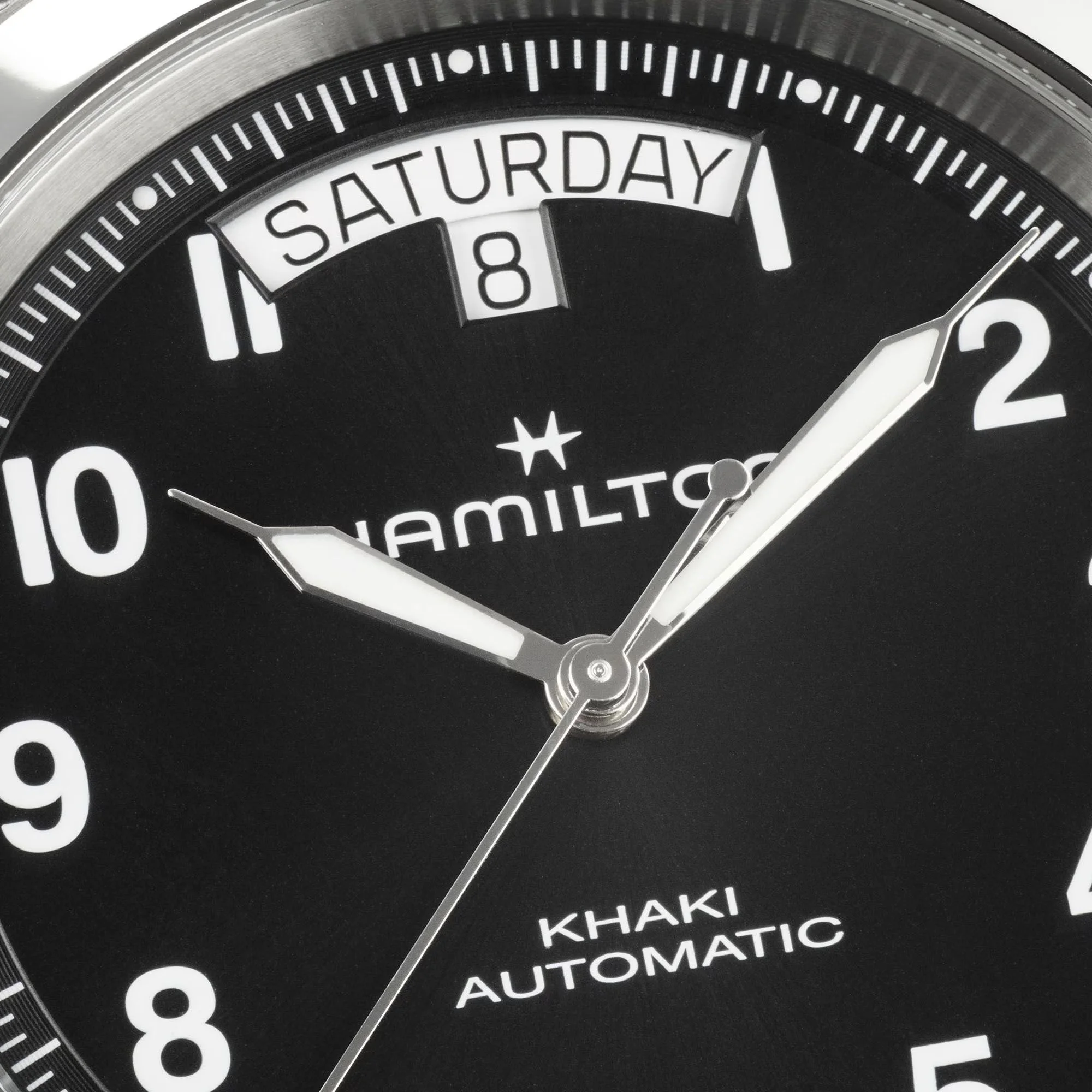
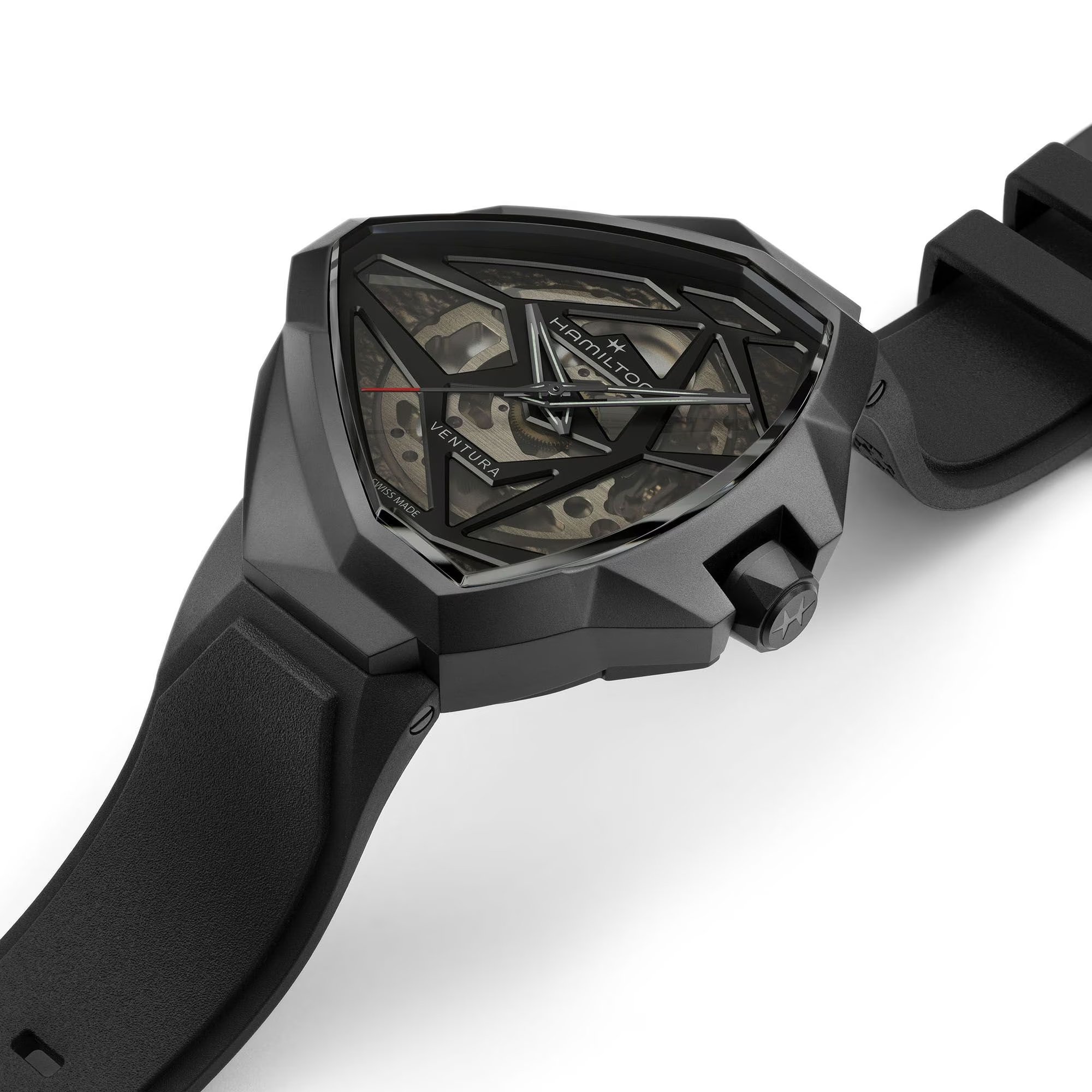
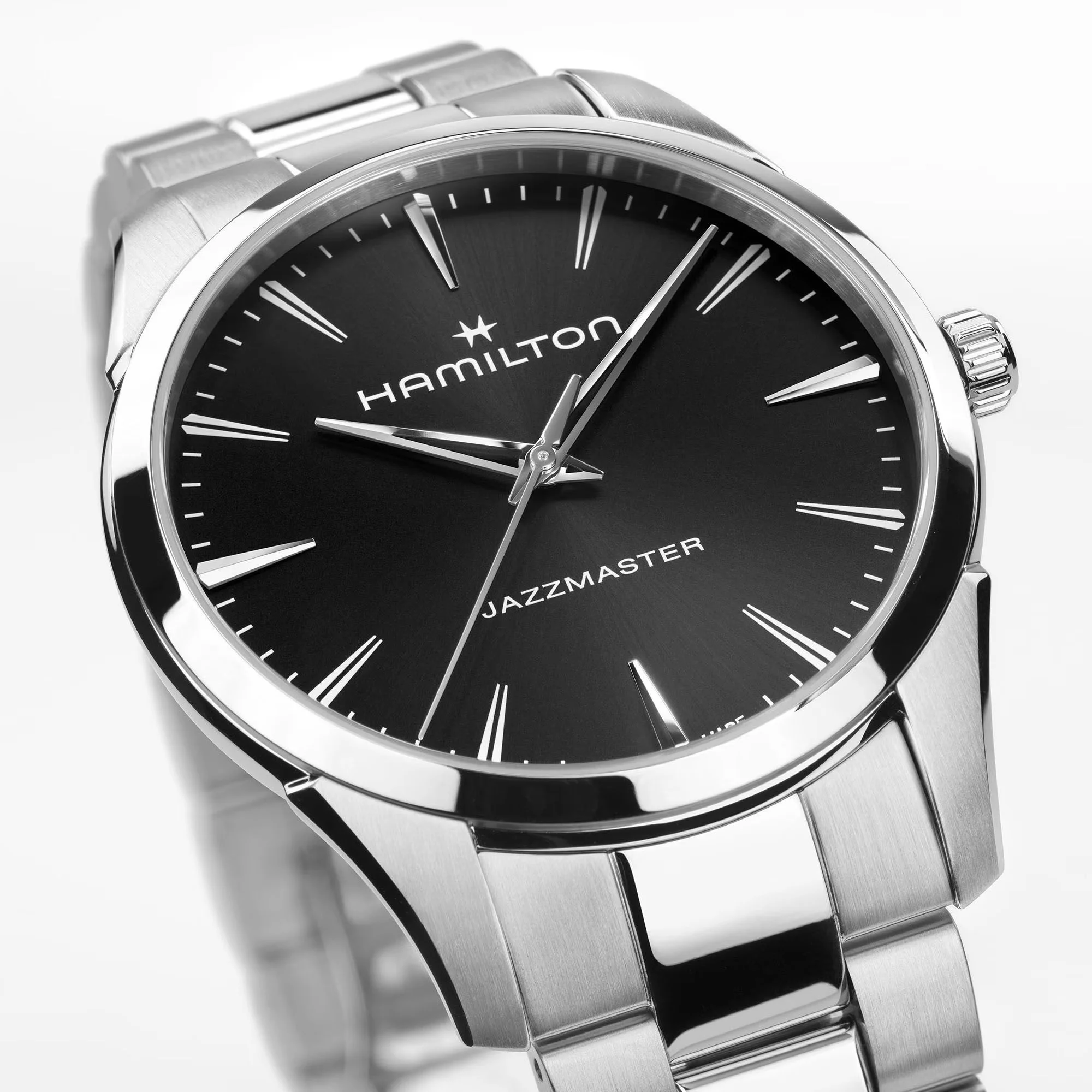
Hamilton occupies a unique position in the affordable luxury space, blending American heritage with Swiss manufacturing under the Swatch Group umbrella. Known for its strong ties to cinema and military watchmaking, the brand offers a wide catalogue that ranges from field watches to more contemporary sports pieces. Prices typically sit between £500 and £1,500, making Hamilton one of the most accessible entry points into Swiss mechanical watchmaking. What sets it apart is the balance of heritage inspired design, reliable ETA based movements and genuine everyday usability. It earns its place here because few brands deliver this level of history, versatility and value at such an approachable price point.
Bell & Ross
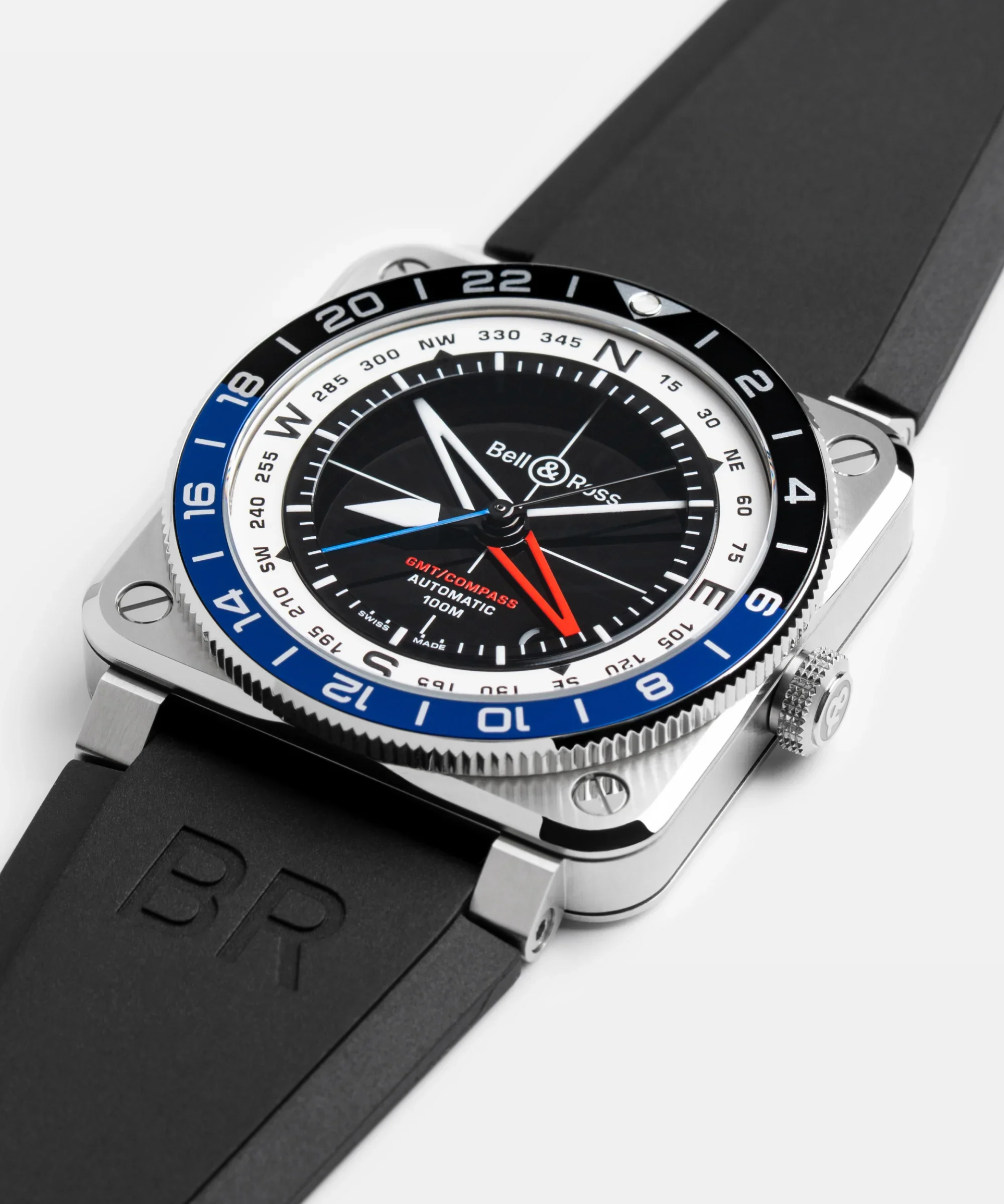
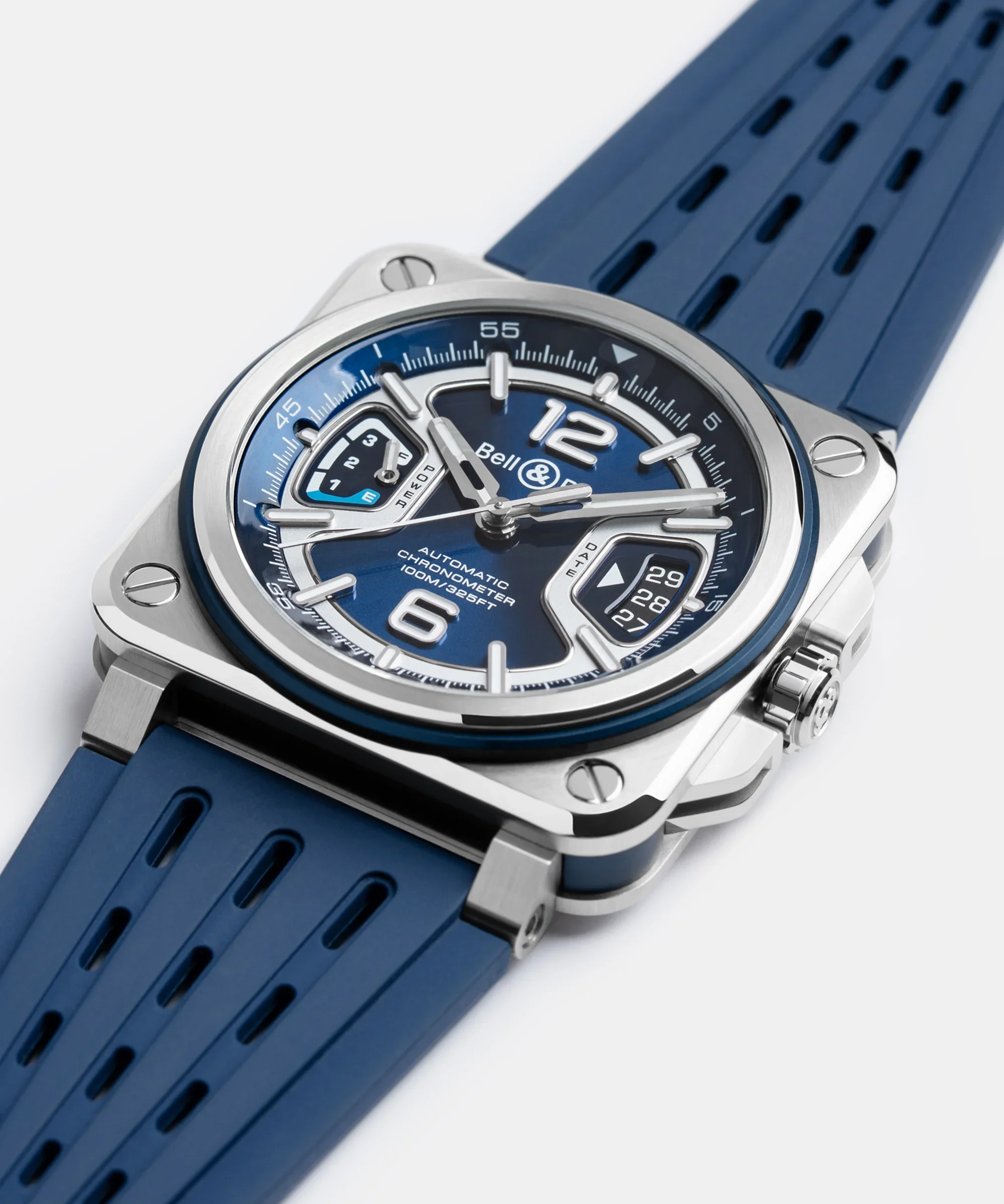
Bell & Ross brings a completely different design language to the table, rooted in aviation instrumentation. Its square case watches are instantly recognisable, and beneath that design sits solid Swiss engineering aimed at professional use. Typically priced from £2,500 upwards, the brand offers niche appeal with genuine tool watch credibility, making it a standout for those wanting something less conventional.


Furlan Marri
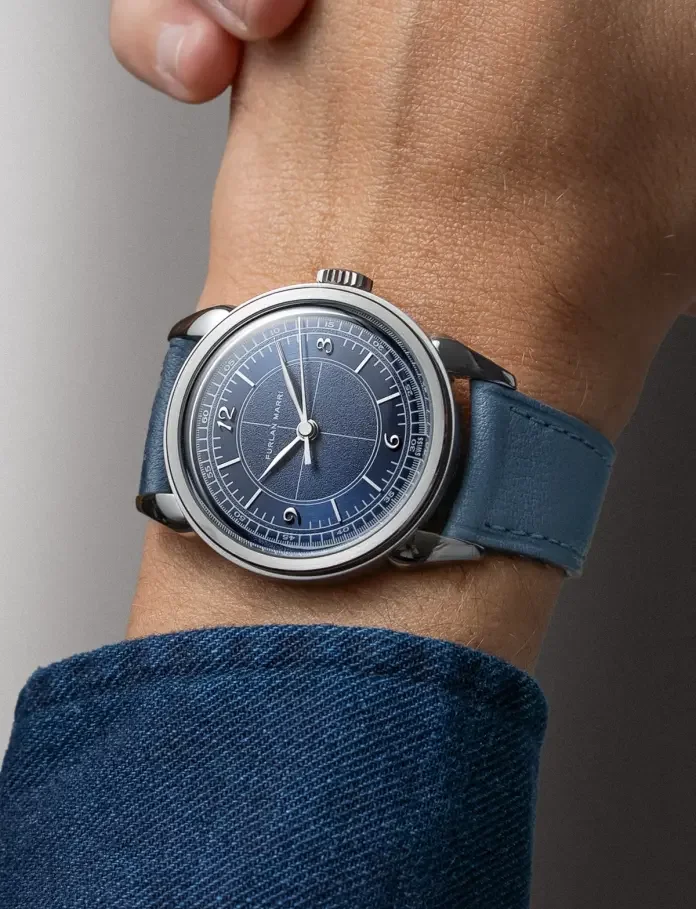
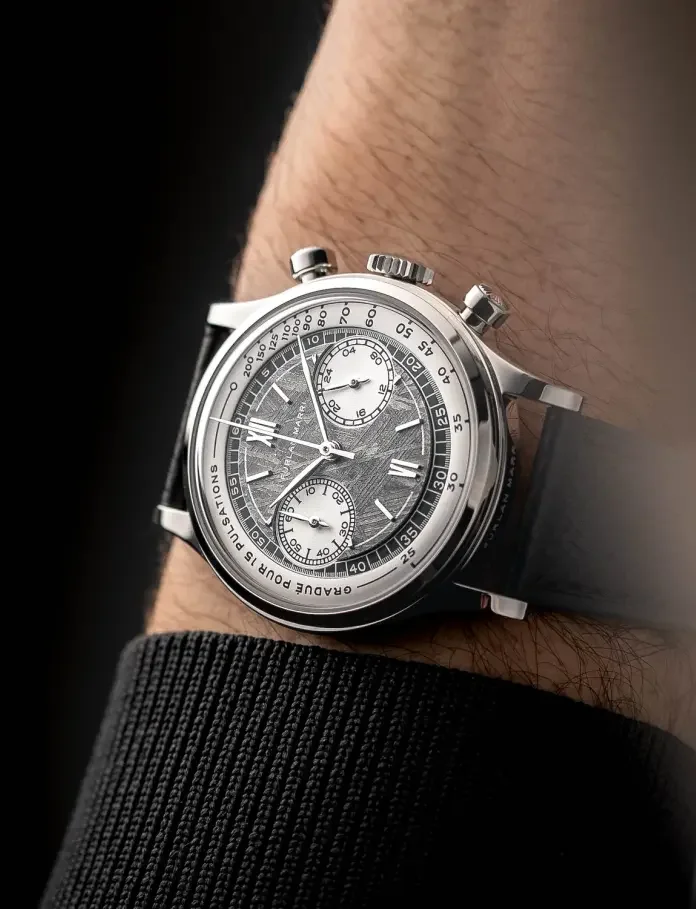
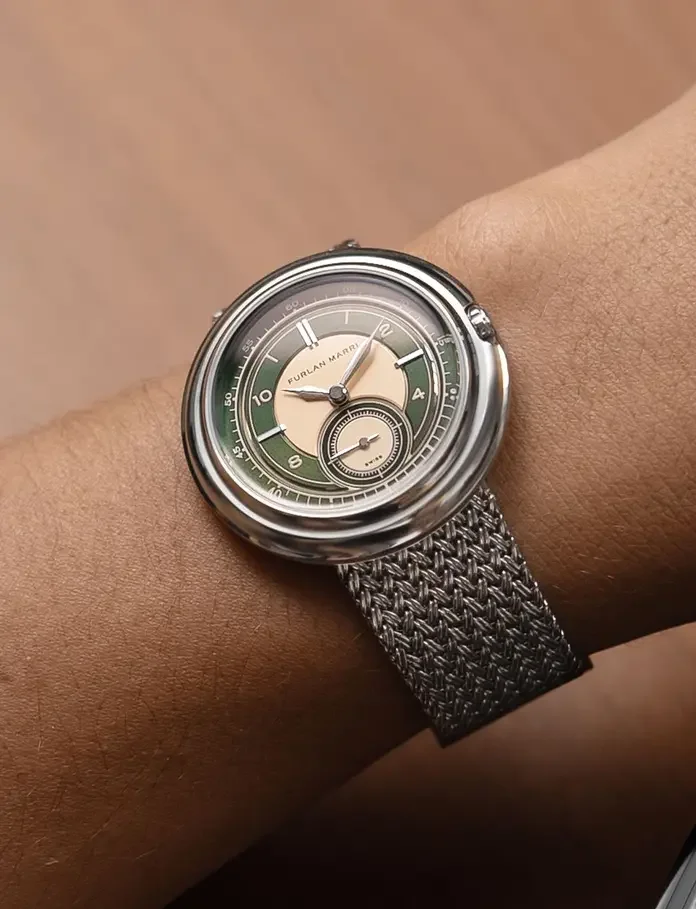
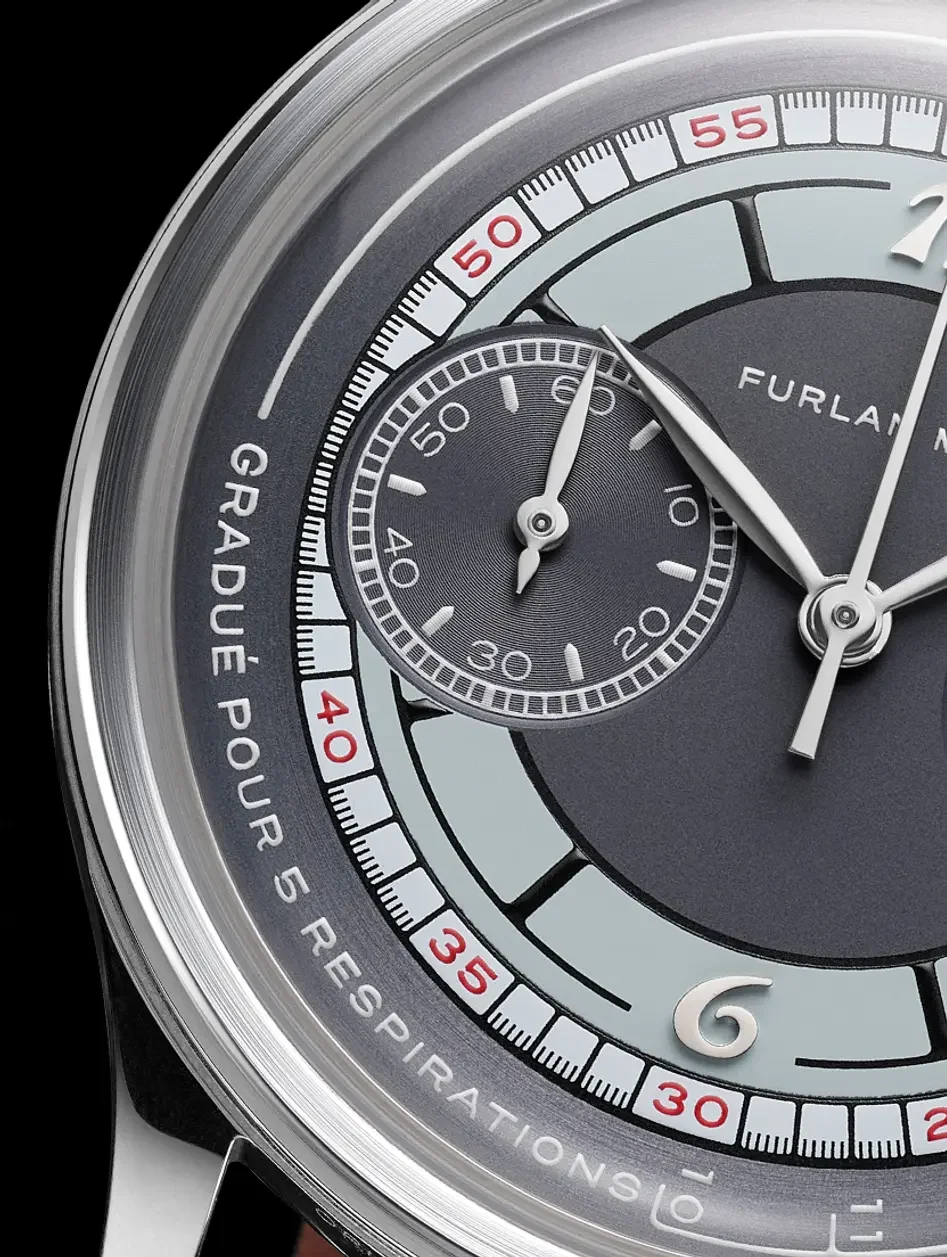
Furlan Marri represents the new wave of accessible watchmaking. Founded in 2021 and already a GPHG award winner, the brand combines vintage inspired design with modern production and clever use of meca quartz movements to keep prices approachable, often under £1,000. It earns its place here not through heritage, but through sheer design quality and an ability to punch well above its weight.
Winding Things Up
Affordable luxury is, ultimately, where the watch world feels most alive. It is the point where heritage brands are forced to justify their reputations, where newer names challenge the status quo, and where buyers can still make genuinely considered choices without drifting into the absurd.
What this list proves more than anything is that there is no single definition of value. For some, it is the technical innovation of Omega or Tudor. For others, it is the design authority of Cartier or the quiet consistency of Longines and Oris. Then you have the disruptors, Christopher Ward and Furlan Marri, proving that smart business models and sharp design can go toe to toe with far more established players.
The reality is you are not choosing between good and bad here. You are choosing between different interpretations of what a great watch should be. Sporty or refined, heritage led or forward thinking, understated or unmistakable.
And that is exactly how it should be.