
The numbers are not the watch
Buying a watch online can feel like trying to choose a car from a list of bolt sizes. Case diameter: 40mm. Thickness: 12.8mm. Lug-to-lug: 48mm. Movement: automatic. Water resistance: 100 metres. Power reserve: 41 hours. Somewhere in the middle of that lot, apparently, is the answer to whether you'll enjoy wearing it.
The specification sheet is useful, but it is not a personality test. It describes dimensions and engineering decisions, not whether a watch will make you grin when you check the time. The trick is knowing which figures help you avoid an expensive mistake, and which can be safely filed under 'interesting, perhaps, at a dinner party attended entirely by watch collectors'.
Start with how it fits
Case diameter: the headline number
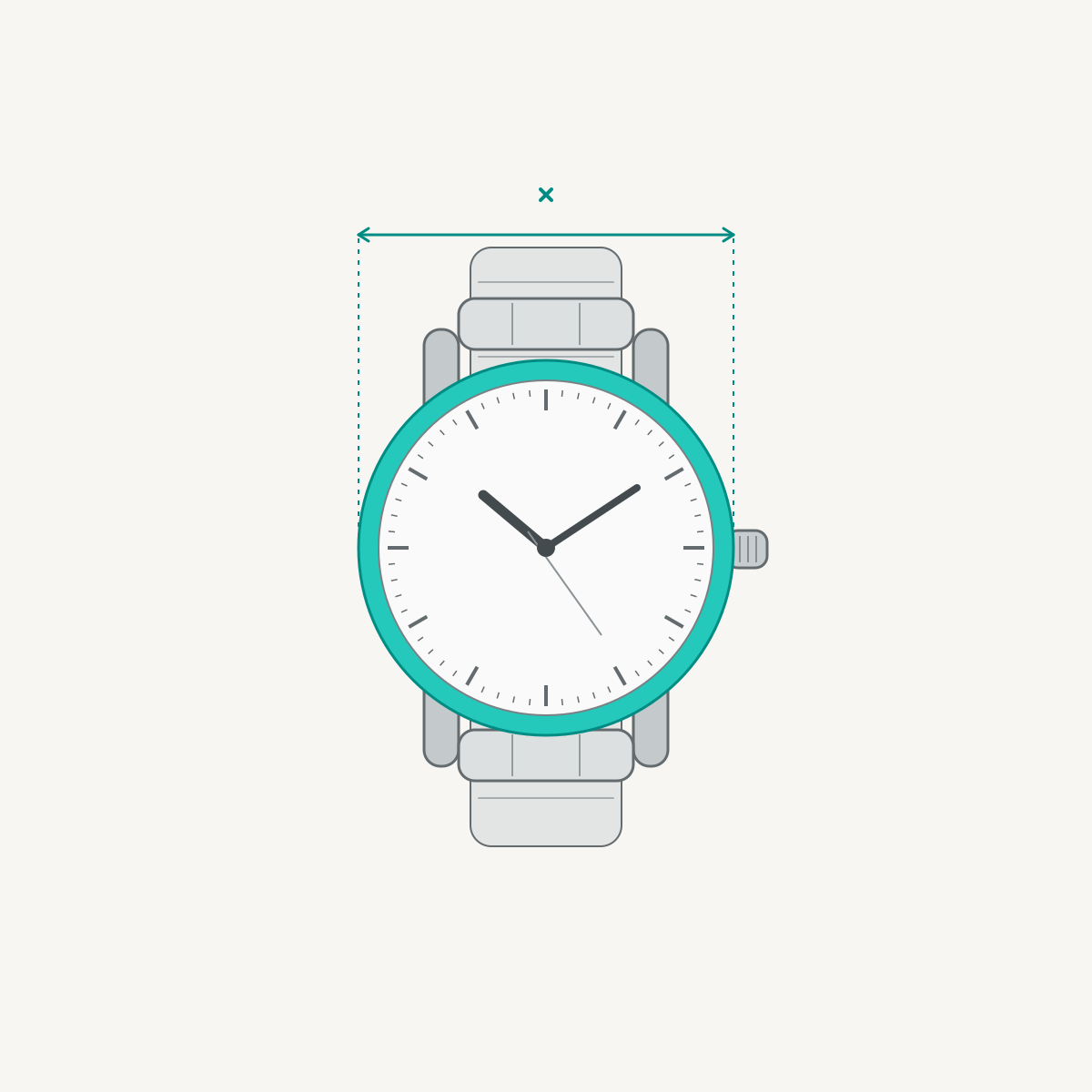
A 40mm watch is not automatically small, large or just right. Diameter is usually measured across the case, excluding the crown, but shapes and measurement conventions vary.
A round case with a slim bezel can look much larger than a chunky diver with the same stated diameter. Square and rectangular watches play by slightly different visual rules again.
Do not buy by wrist circumference alone. Look at photographs of the watch on wrists, preferably with measurements given, and remember that wrist shape matters as much as circumference.
A broad, flat wrist can accommodate a different case profile from a rounder wrist of the same size.
Lug-to-lug: the number people overlook
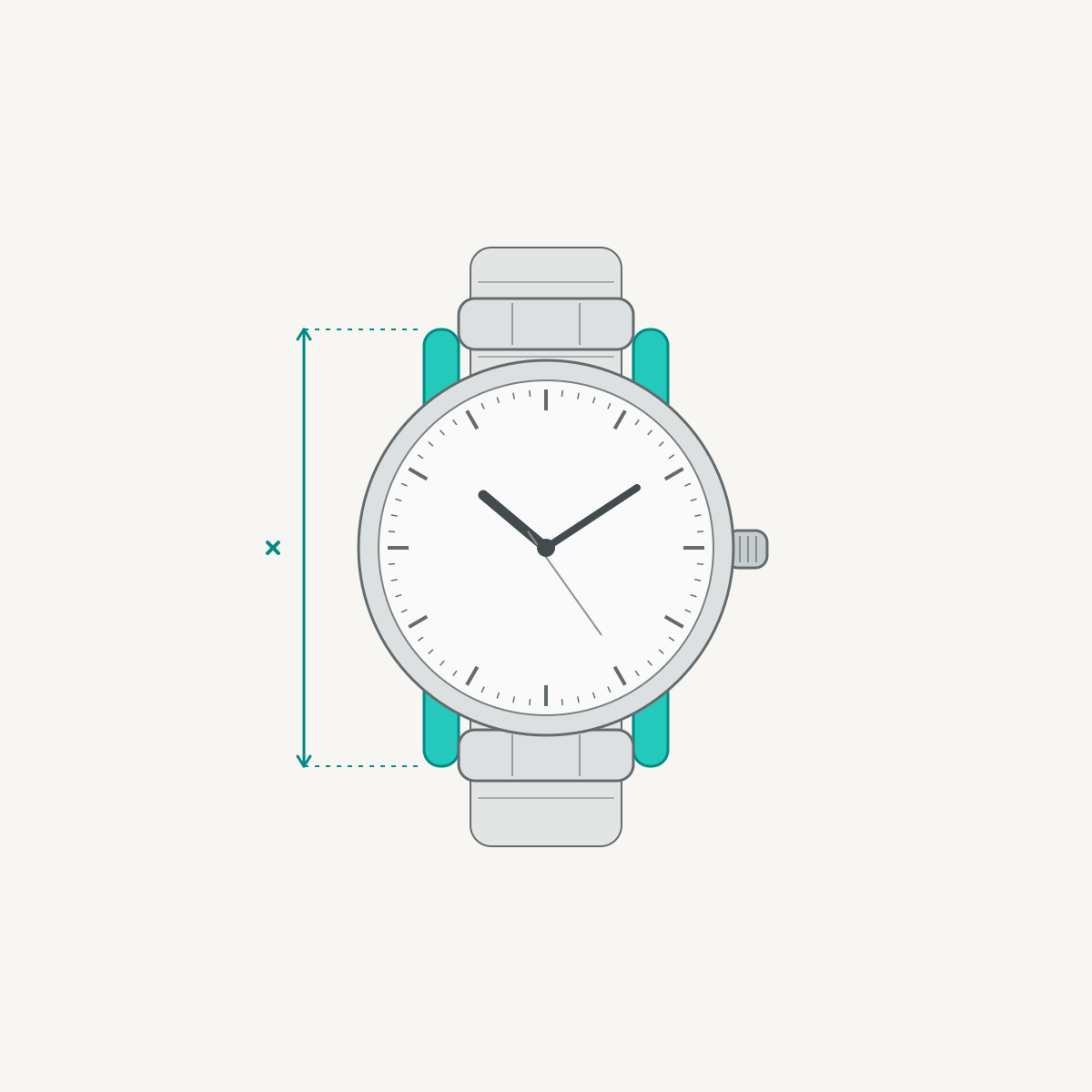
Lug-to-lug is the distance between the ends of the lugs along the watch's vertical axis. It often tells you more about whether the watch will overhang your wrist than case diameter.
But there is a catch: fixed end links on metal bracelets can extend the effective length beyond the published lug-to-lug measurement. If a bracelet flares out before bending down, ask for an end-link-to-end-link measurement or a clear side-on photograph.
A watch that sits securely and follows the wrist tends to feel better than one whose lugs float above the skin. This is why two nominally identical 41mm watches can wear so differently.
Thickness: where comfort meets cuffs
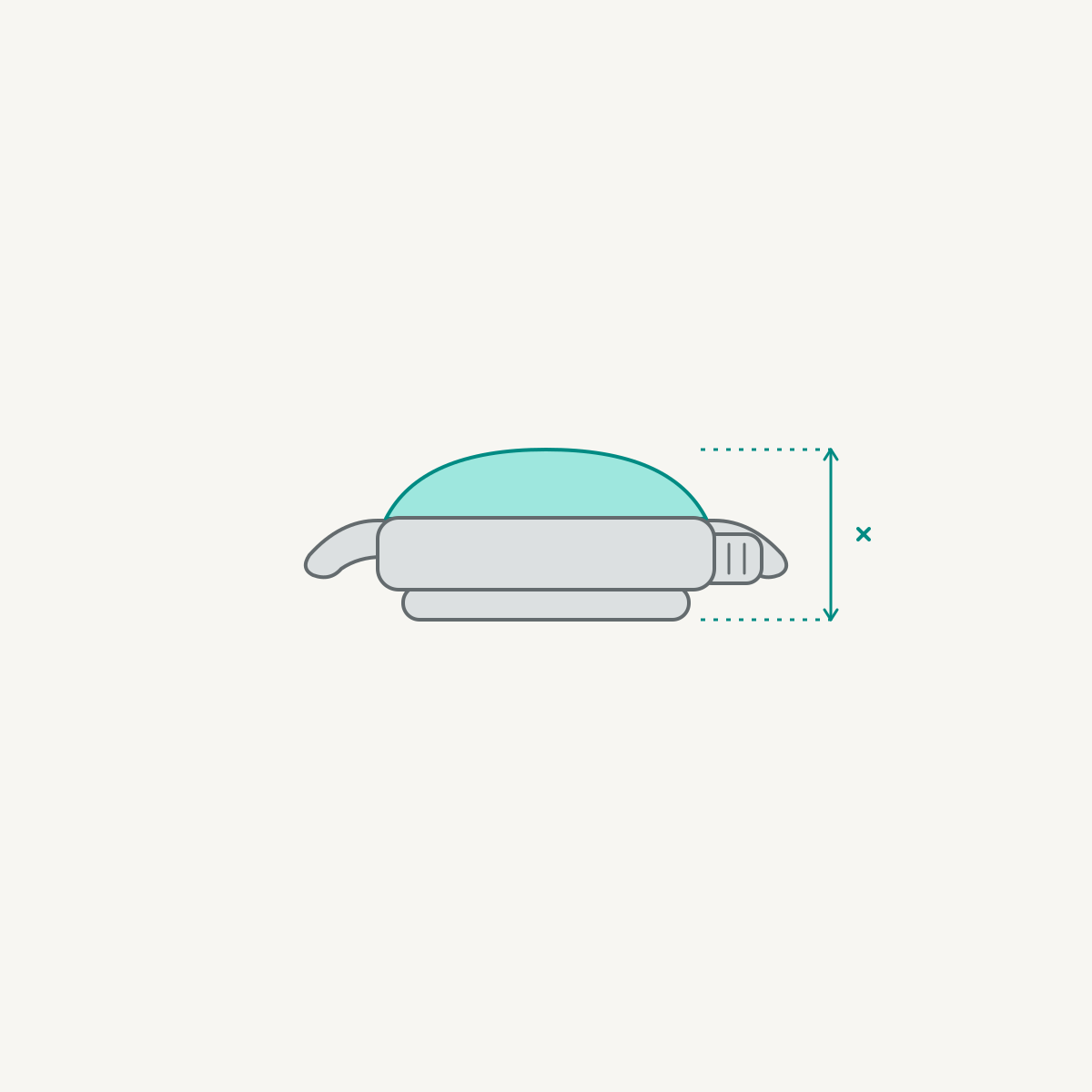
A thick case can be charming on a purpose-built diver and irritating under a shirt sleeve. Look beyond the number.
A domed crystal may contribute to quoted thickness without making the case middle feel especially bulky. A flat caseback and well-shaped lugs can also change how the watch sits.
When possible, try the watch on with the clothes you actually wear. The test is not whether it fits beneath a perfectly staged jacket cuff.
It is whether you forget about it while working, driving and reaching into your pocket for your keys.
What the movement numbers really say
Automatic, hand-wound or quartz?
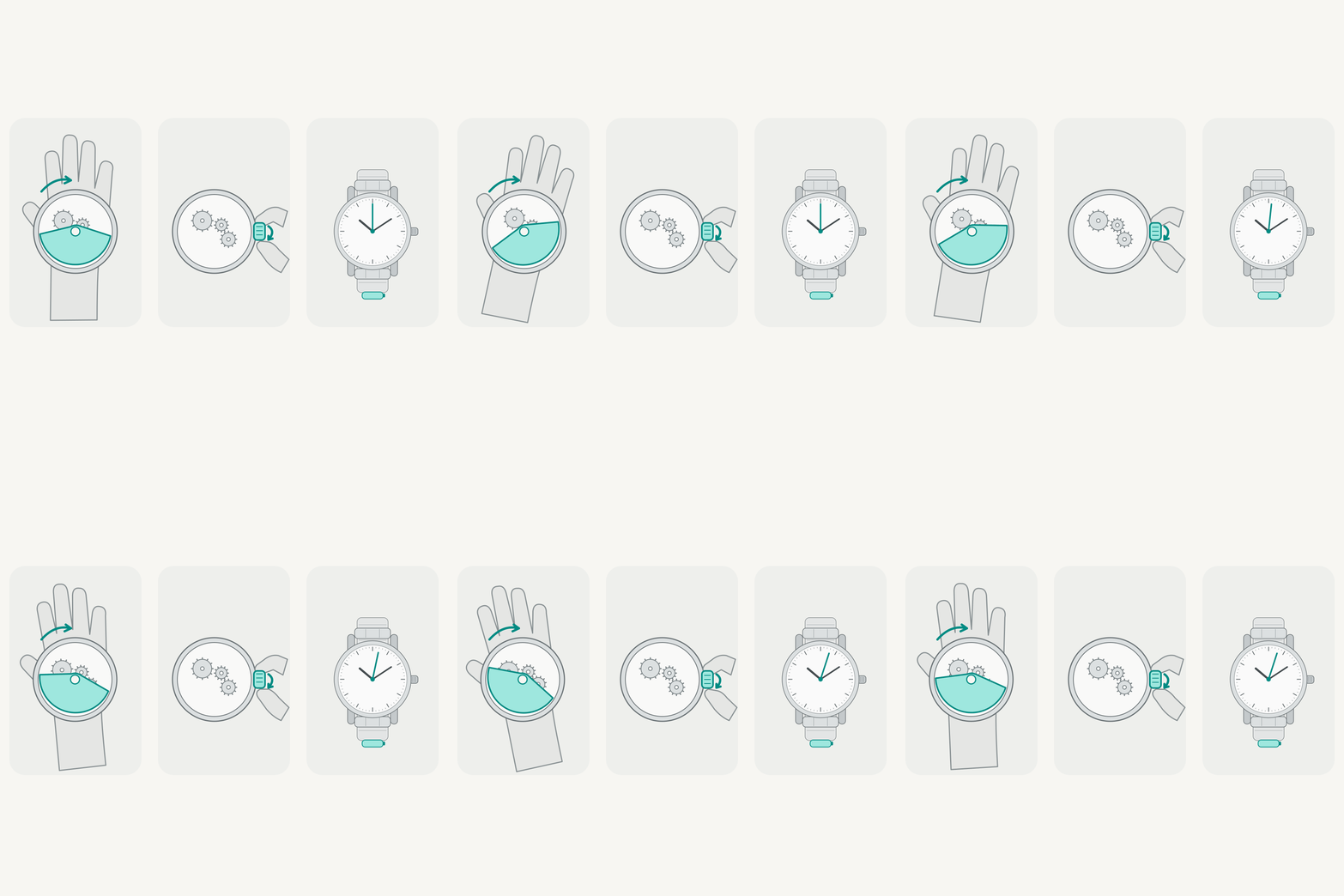
Movement type is a choice about ownership, not a league table of virtue.
An Automatic Movement, includes a rotor to the back of the movement which turns with motion. This charges the main spring and ensures the watch works whilst being worn.
A hand-wound mechanical watch asks for regular interaction. Whilst an automatic winds through wrist motion, both can stop if left unworn long enough.
Quartz is generally convenient and accurate using a conventional watch battery.
Three very different options which are suited to varying needs. A more complicated movement does not necessarily make a better daily watch.
Power reserve: useful, but not everything

A power reserve describes approximately how long a fully wound mechanical movement can run without further winding.
A 41-hour reserve may see you through a night and part of the next day; a longer reserve may suit a rotation of several watches. Neither figure guarantees consistent timekeeping at every point as the spring runs down.
Seiko's published 4R35/4R36 specifications, for example, list approximately 41 hours of duration, automatic winding with manual winding capability, and 21,600 vibrations per hour.
That is meaningful information about a particular movement family, not a promise that every Seiko performs identically.
Accuracy: read the small print
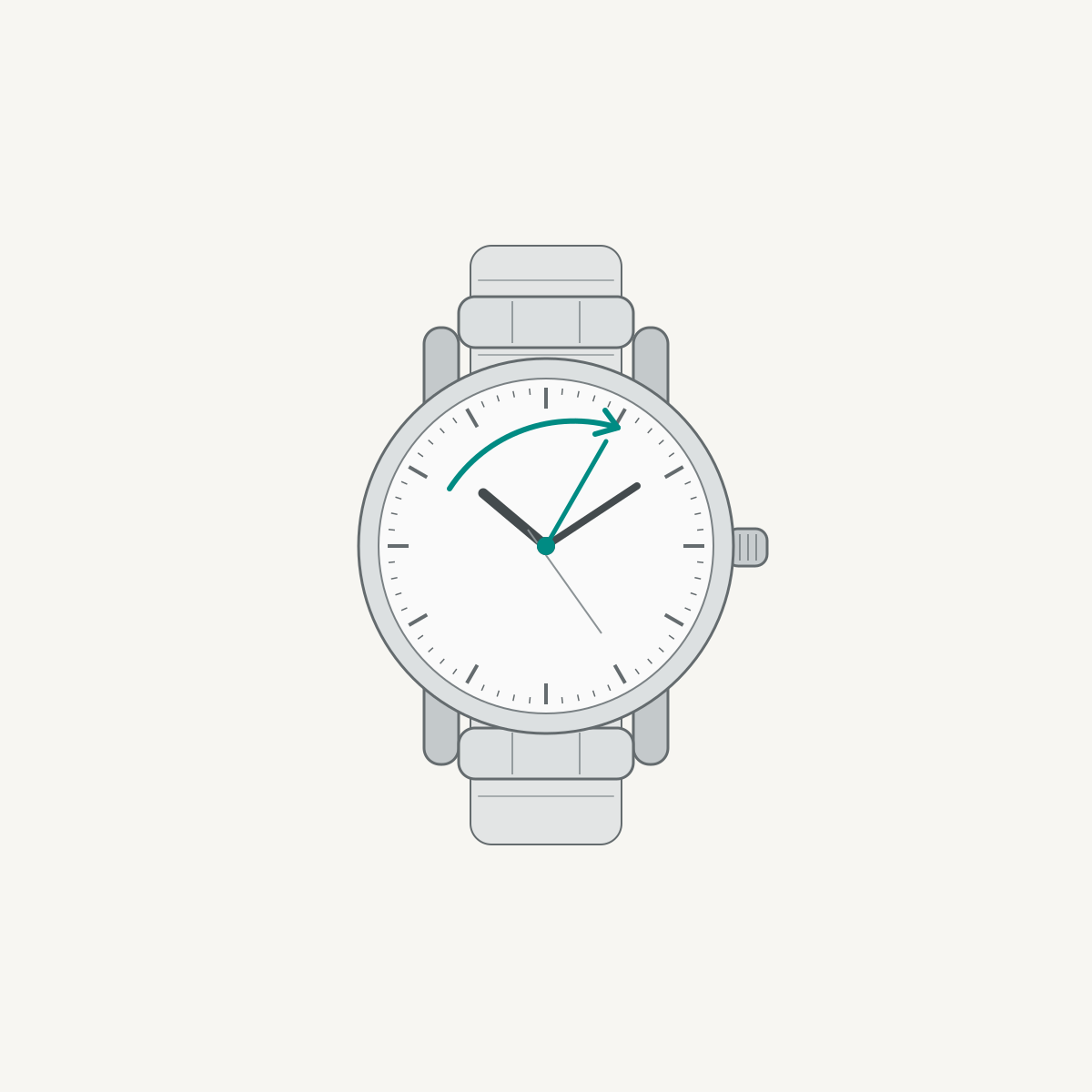
Manufacturers may specify accuracy in seconds per day, sometimes with testing conditions.
Mechanical accuracy changes with position, temperature, winding state and use.
Seiko explicitly advises judging real-world rates across several days rather than treating a single day as definitive.
A number printed in a brochure should be understood in the context of the maker's testing method.
Beat Rate: check your timings
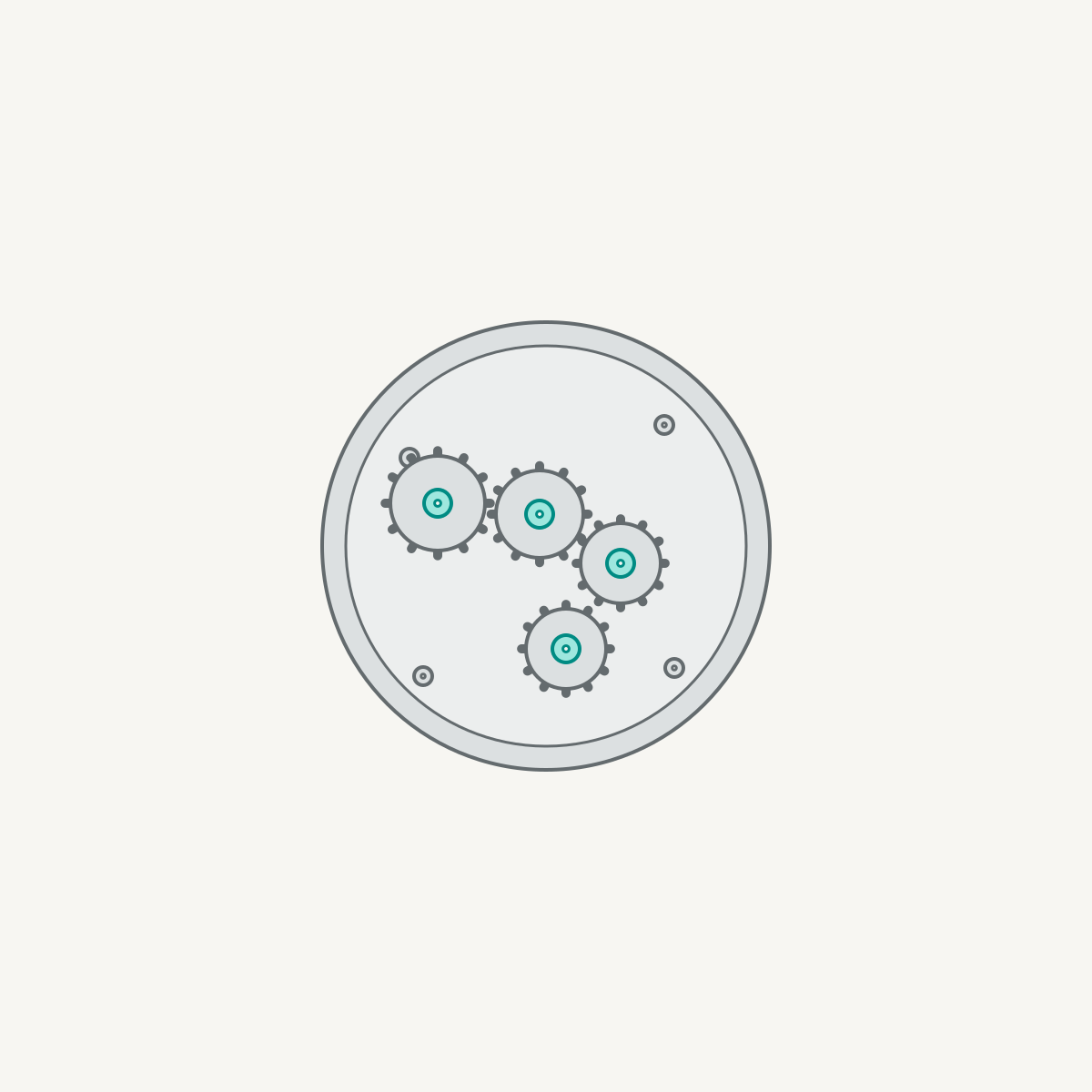
Beat rate and jewel count are equally easy to over interpret.
A higher frequency can influence seconds-hand appearance and movement design, but it does not by itself prove superior durability or precision.
Jewels are functional low-friction bearings; their count is not a quality score.
The watch is not collecting loyalty points.
Materials, crystal and water resistance
Steel, titanium and the feel on the wrist
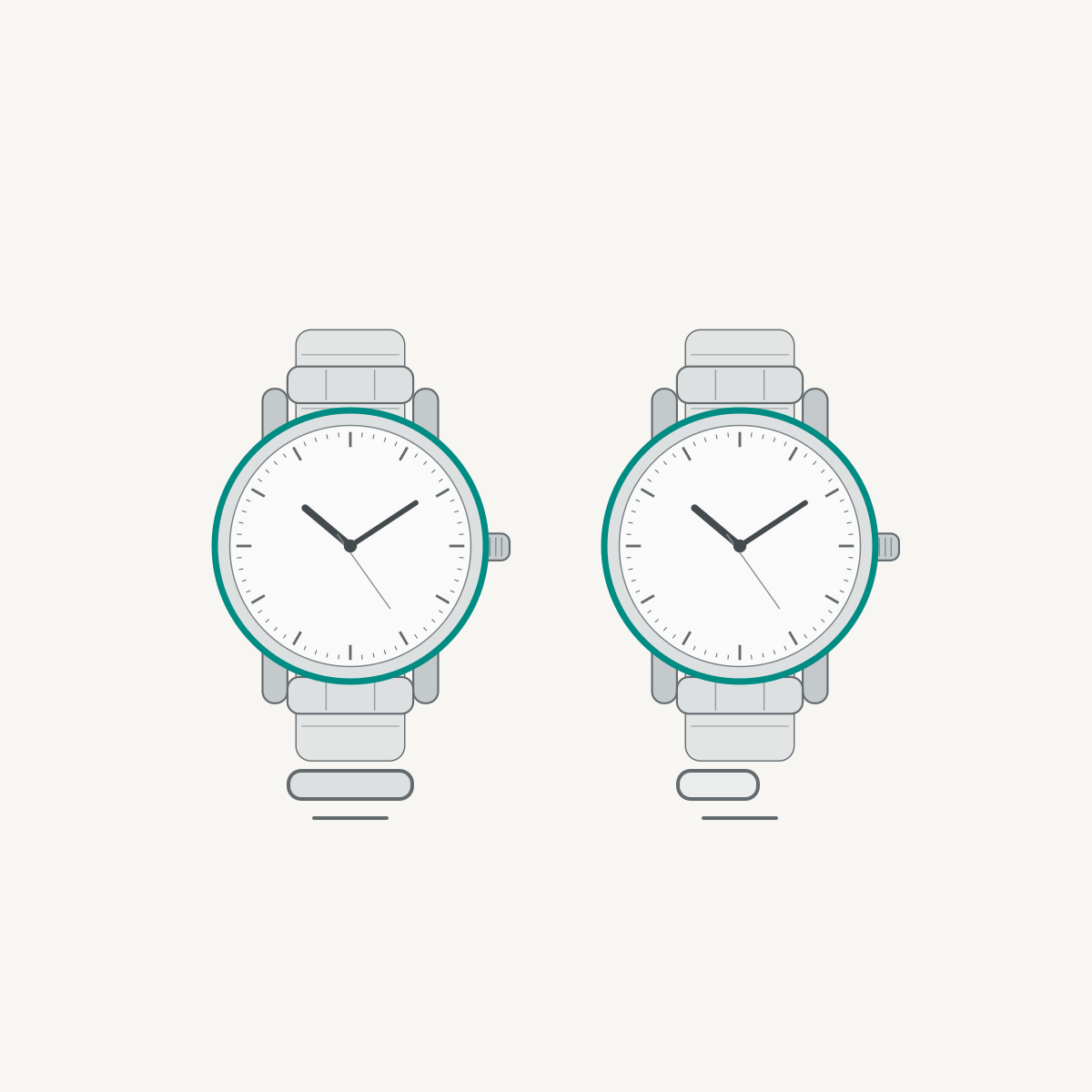
These are simply the materials that the watch and potentially the bracelet are made from.
Steel is familiar, versatile and often satisfyingly substantial.
Titanium can be noticeably lighter, though alloys, finishing and surface treatments vary.
Neither material is automatically better. A heavier watch may feel reassuring to one person and exhausting to another by late afternoon.
Sapphire, mineral and acrylic
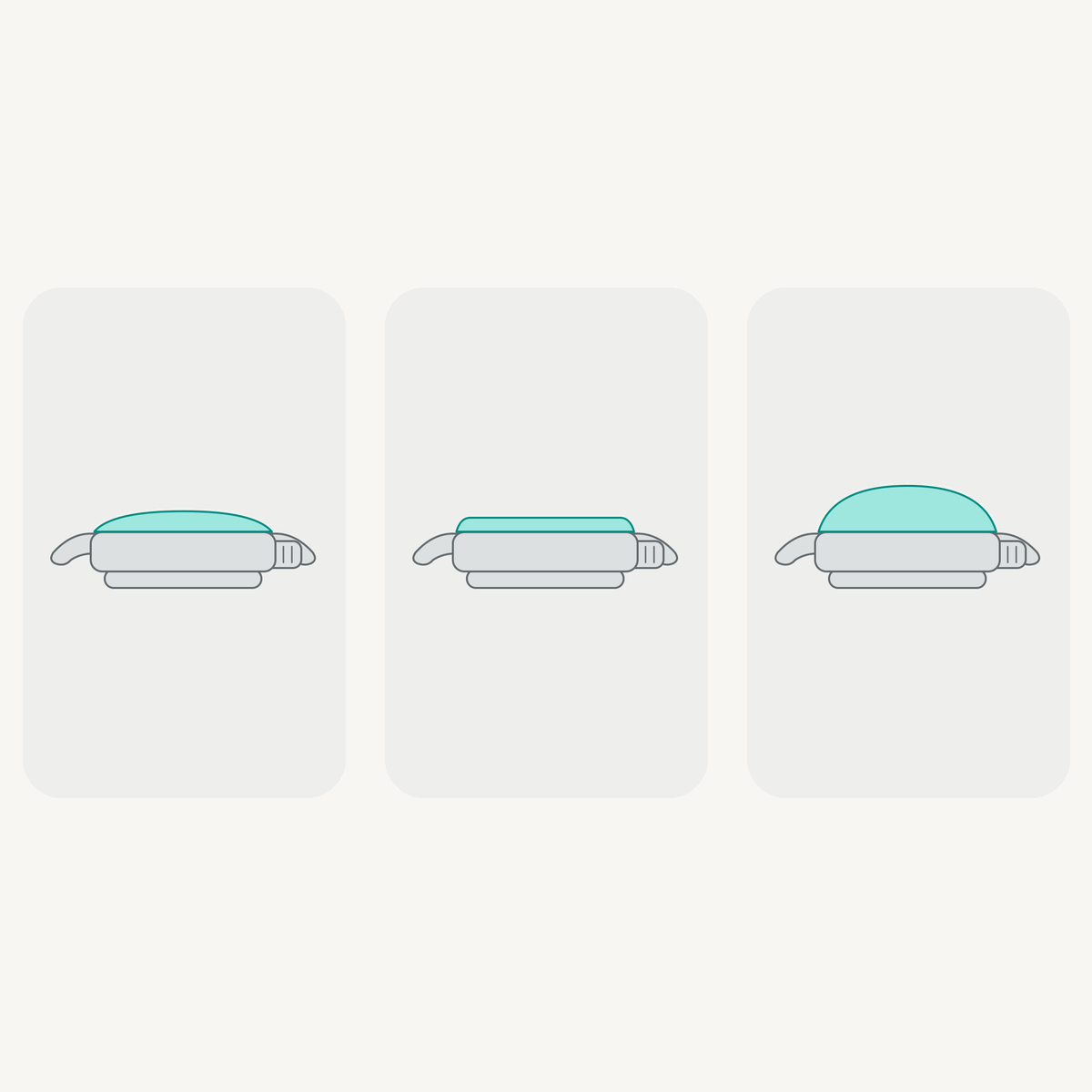
Sapphire is generally valued for scratch resistance, while acrylic can be polished more easily and offers a different vintage character.
Mineral crystal occupies a practical middle ground. Scratches, impacts and replacement costs are different questions, so do not mistake a hard-to-scratch surface for an indestructible one.
Water resistance: not a diving permission slip
A rating such as 50m or 100m describes performance under specified test conditions, not a literal depth at which every activity is safe.
Suitability depends on the maker's guidance, crown construction, seals, age and maintenance.
A rating alone does not tell you whether to press chronograph pushers underwater.
Read the actual manual before taking the plunge, figuratively or otherwise.
The details worth checking before you pay
Bracelet taper, clasp adjustment, quick-release spring bars, replacement strap options, service access and warranty terms rarely dominate the promotional photograph. Yet these are the things that can decide whether a watch becomes a favourite or a beautifully engineered annoyance.
Ask for the bracelet's shortest and longest wearable lengths. Check whether the clasp has tool-free micro-adjustment. See whether the lugs accept ordinary straps or a proprietary integrated system. Consider replacement-part availability if you plan to keep the watch for years.
Winding Things Up
A good specification sheet should help you ask better questions, not make the decision for you. Prioritise lug-to-lug, effective bracelet span, thickness and movement practicality. Then consider materials, water resistance and the small ergonomic details that make daily ownership pleasant.
And once the numbers have done their job, look at the watch again. If you still love it, you may have found the right one. If you only love its specification sheet, perhaps you are shopping for a spreadsheet instead.