
What Is a Mechanical Watch Movement? Explained
In the world of watchmaking, few things are as captivating as the mechanical movement — the beating heart of a traditional timepiece. Long before batteries and digital circuits, watches ran entirely on finely engineered gears, springs, and balance wheels. Today, mechanical movements remain a symbol of craftsmanship, artistry, and precision engineering. But how do they actually work? Let’s break it down.
What Is a Mechanical Movement?
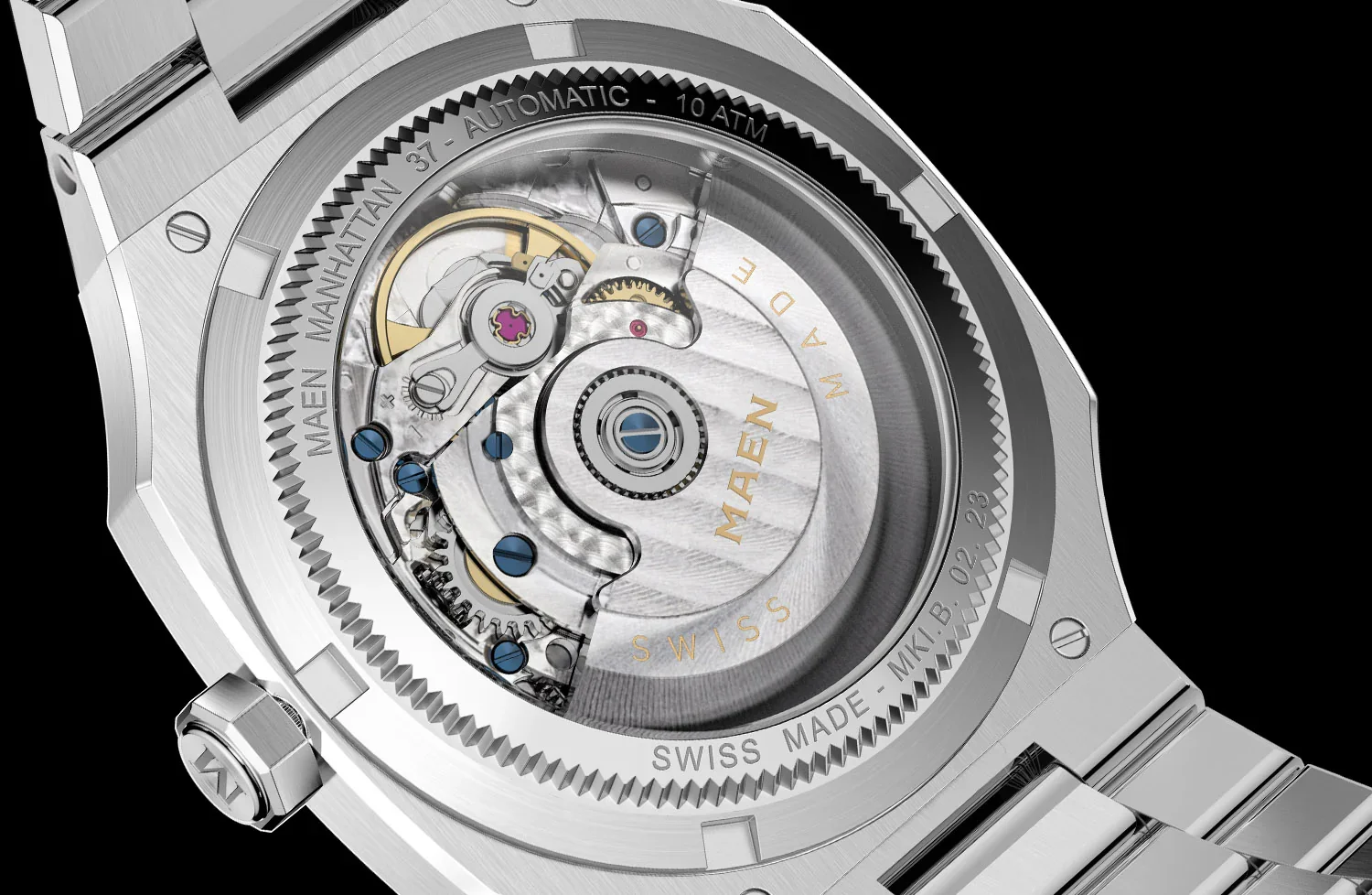
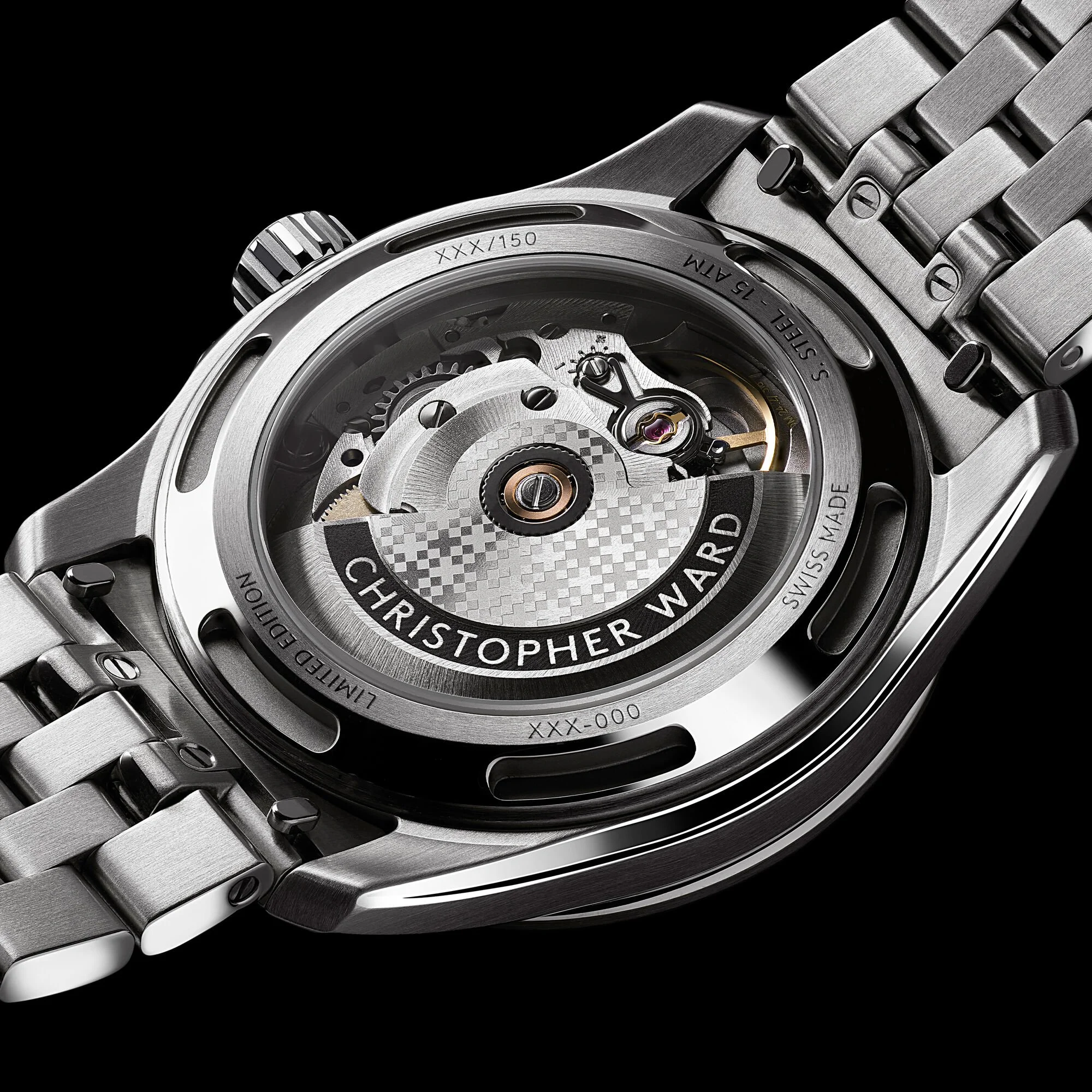
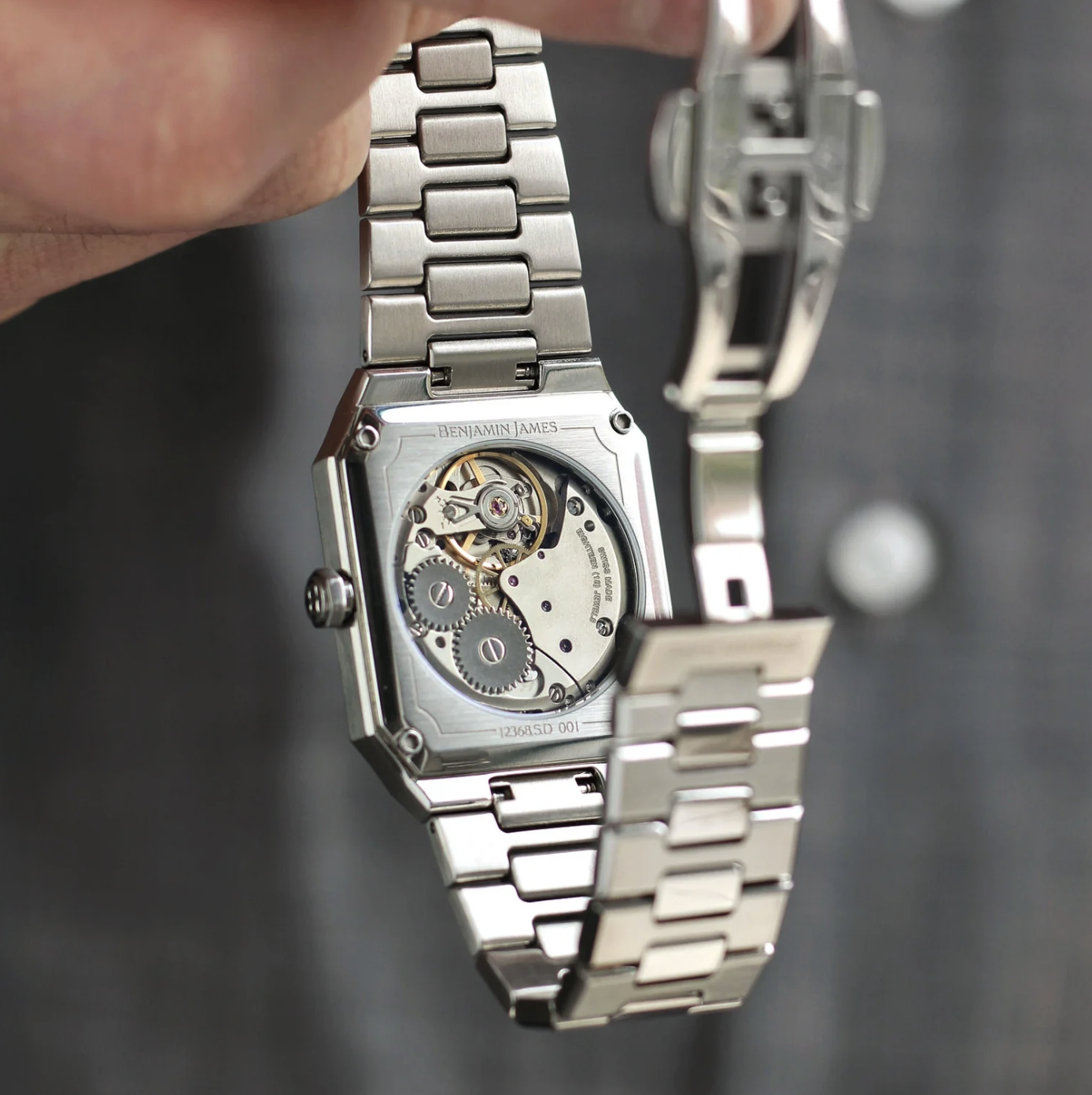
A mechanical watch movement (often called a calibre) is the internal mechanism that powers a watch without the use of electronics or batteries. Instead, it relies on a mainspring — a tightly wound coil of metal — that stores energy when wound by hand or automatically through wrist motion.
This stored energy is released gradually through a series of intricate gears, driving the hands around the dial with remarkable accuracy.
There are two main types of mechanical movements:
Manual (Hand-Wound) – The wearer winds the crown regularly to tighten the mainspring.
Automatic (Self-Winding) – The movement features a rotor that spins with wrist motion, automatically winding the mainspring.
Both types share the same mechanical soul — hundreds of precisely crafted components working together in perfect harmony.

How Does It Work? The Key Components
Every mechanical movement is a miniature marvel of engineering. Here are the essential parts that make it tick:
Mainspring – Stores the watch’s energy.
Gear Train – Transfers power from the mainspring to the escapement.
Escapement – Regulates energy release in consistent, timed beats.
Balance Wheel – Oscillates back and forth, controlling the rhythm of timekeeping (much like a pendulum in a clock).
Dial Train and Hands – Convert all that motion into the movement of the watch hands you see on the dial.
It’s an elegant, endlessly repeating process: energy is stored, regulated, and displayed — all through pure mechanics.
Why Enthusiasts Love Mechanical Watches
While quartz and smartwatches offer convenience and accuracy, mechanical watches hold a deeper emotional and artistic value. Each movement is a piece of micro-engineering — often hand-assembled, decorated, and finished by skilled artisans.
Collectors admire mechanical watches for:
Craftsmanship – A blend of art and precision engineering.
Longevity – A well-maintained mechanical watch can last generations.
Character – The subtle ticking, the smooth sweep of the second hand, and the visible mechanics (especially through a transparent caseback) tell a story of time itself.
Owning a mechanical watch isn’t just about keeping time — it’s about appreciating how time is made.
Final Thoughts
A mechanical movement represents more than just a way to measure minutes and hours — it’s a living mechanism powered by energy, balance, and rhythm. Whether hand-wound or automatic, it connects you to a centuries-old tradition of human ingenuity and timeless craftsmanship.
So the next time you hear that gentle ticking from your wrist, remember: you’re not listening to a machine — you’re hearing time in motion.
