
What Makes Microbrands Different from Independents (and Why We Love Them)
At The Wind Up, we’re proudly flying the flag for microbrands. These are the watchmakers who take risks, care about design more than marketing, and make watches because they genuinely love them. They’re not chasing shareholders or celebrity endorsements — they’re trying to make something great for people like us.
But there’s still a bit of confusion around what a microbrand actually is, especially compared to an independent. The two share some DNA, yet they live in very different worlds. And if you’re just getting into watches, or simply want to understand where your next purchase fits in, it’s worth knowing how they differ.
So, let’s break down the difference, explore why microbrands are leading the most interesting part of the watch scene right now, and name the three brands currently setting the pace — including one that’s proving just how good British watchmaking can be.


What Exactly Is a Microbrand?
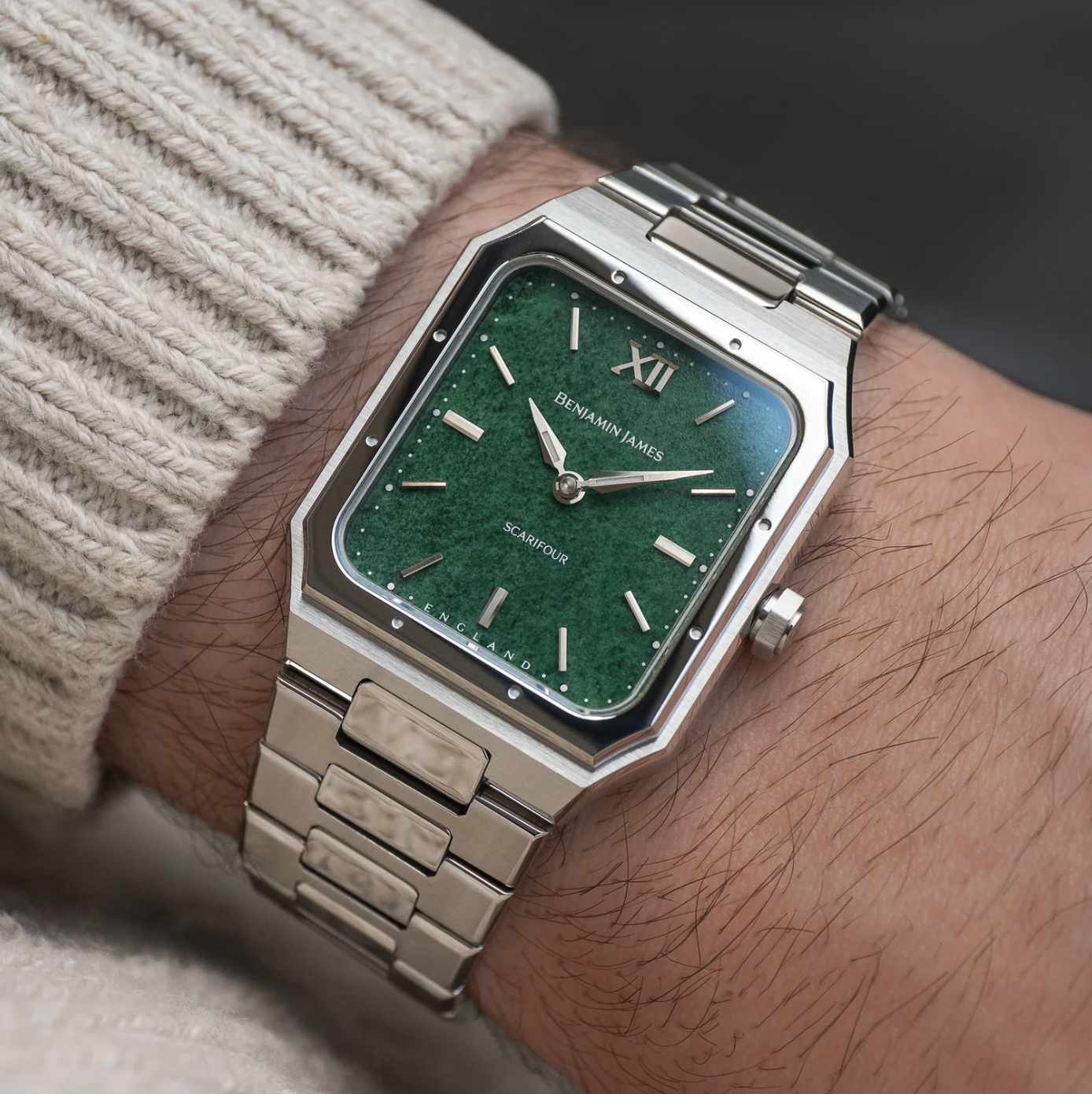
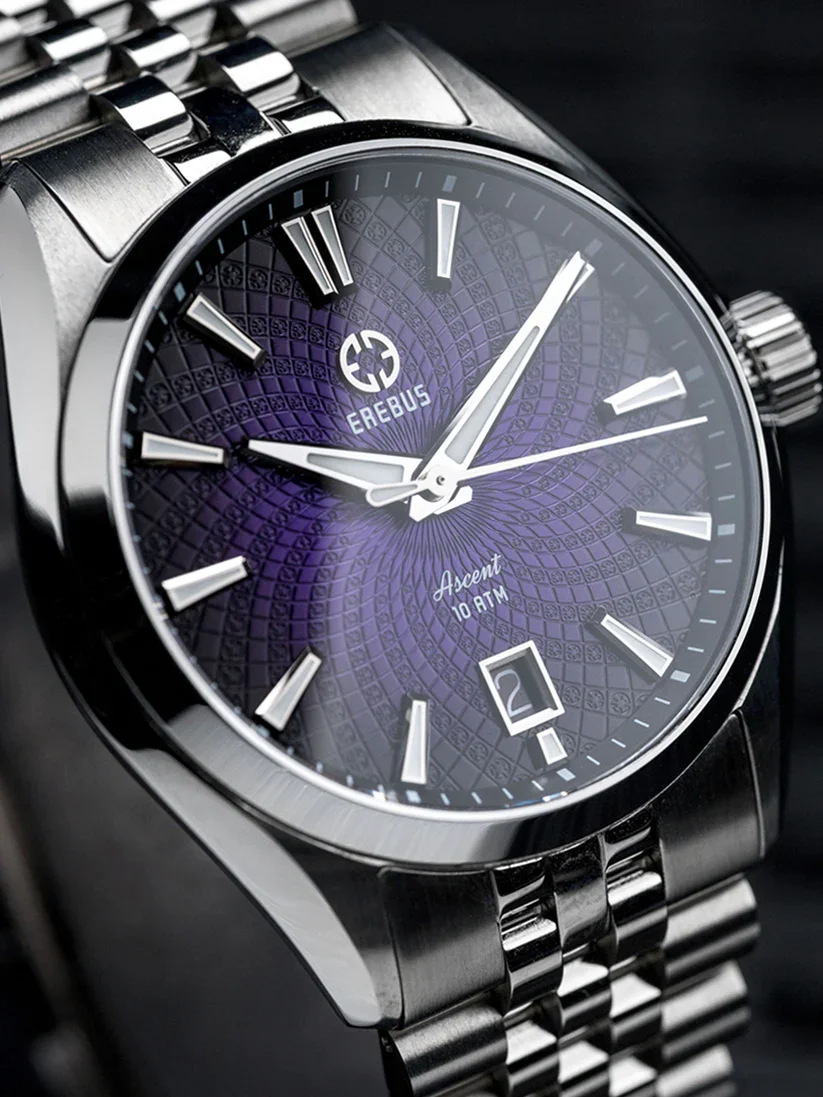
A microbrand is typically a small, independent company that designs its own watches but relies on outside suppliers for many of the components — movements, cases, dials, crystals and straps. They often assemble the watches themselves or work closely with trusted partners.
These brands live or die by their design. They have to earn attention, not buy it. That’s why microbrands are often the ones taking creative risks — smaller cases, new materials, unusual colourways — while the big names are still debating whether “cream dial” is too bold.
Microbrands usually sell directly to customers online, cutting out the traditional retail mark-up. That’s what keeps prices sensible, often under £2,000, while still delivering serious quality.
Most importantly, microbrands feel personal. You can email the founder, comment on their Instagram post, and actually get a reply. Try that with Rolex.
And What About Independents?
Independent watchmakers are a different animal. They tend to operate on a much smaller scale than the big luxury houses but at a far higher technical level than most microbrands.
Where a microbrand buys a movement, an independent often makes one. They produce their own components, employ full-time watchmakers, and finish parts by hand. They aren’t focused on affordability — they’re focused on mastery.
Think F.P. Journe, H. Moser & Cie, or Czapek. These are the brands that collectors whisper about. They command five-figure prices because they offer something few others can: complete creative and technical control.
The line between microbrand and independent can blur, especially when a brand like Christopher Ward starts producing its own movements. But the philosophy remains different — one is about accessibility and passion, the other about precision and prestige.
Why Microbrands Matter
Microbrands are where most of the excitement in watchmaking lives today. They don’t have the pressure of quarterly reports or the burden of heritage. They can just make something interesting — and sell it to people who actually care.
They’re also refreshingly honest about value. They don’t pretend to be Swiss aristocracy. They tell you what movement they use, where the case comes from, and why they chose that strap. There’s no smoke and mirrors, just straightforward watchmaking done well.
And while independent brands create the kind of watches you admire from afar, microbrands make the ones you actually buy and wear. That’s why at The Wind Up, we think they represent the real future of watch collecting — creative, transparent, and human.
Our Top Three Microbrands Right Now
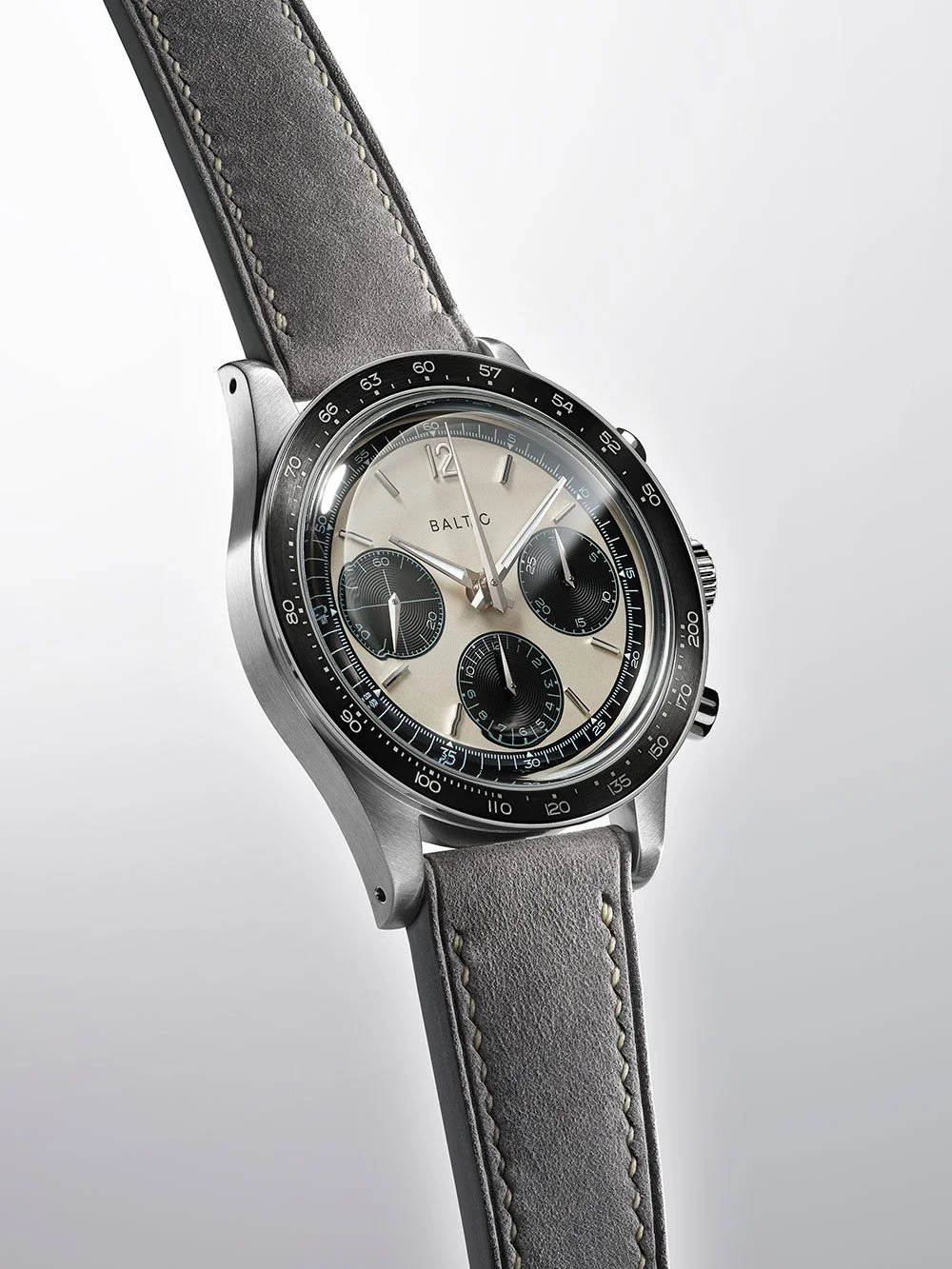
1. Baltic (France)
Baltic has become the unofficial benchmark for modern microbrands. Their formula is simple but effective — vintage-inspired design, solid construction, and pitch-perfect proportions. Watches like the Aquascaphe and MR01 prove you can build something beautiful and dependable without breaking the £1,000 mark.
What makes Baltic so impressive is consistency. Every release feels carefully considered. They’ve built a community that genuinely believes in the brand, and they continue to refine their craft without inflating their prices or losing their charm.
Baltic started as a small French brand and is now brushing up against independence, but it still feels close to its roots — and that’s why collectors love it.
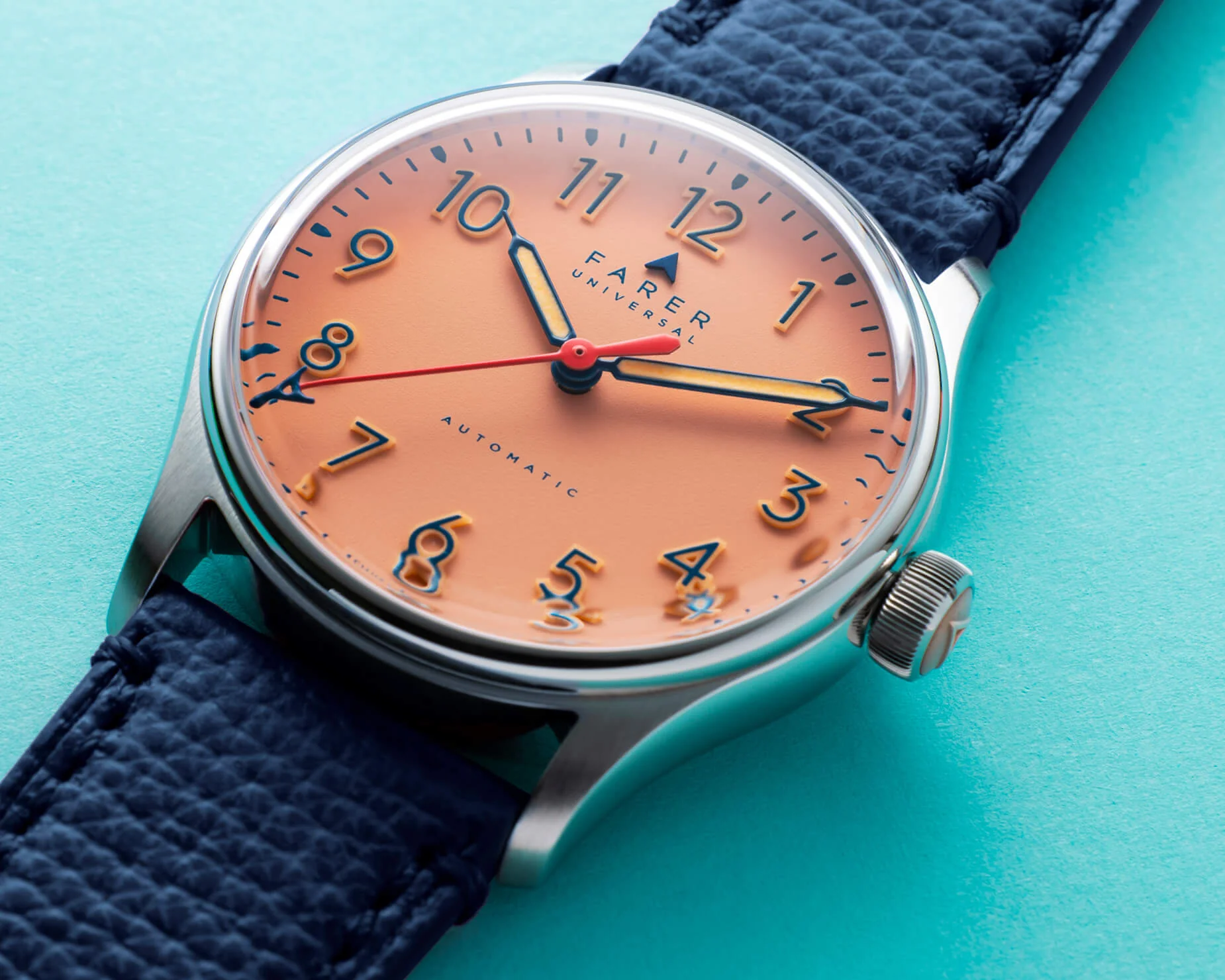
2. Farer (UK)
Farer is quietly redefining what British design can look like. They make colourful, characterful watches that combine Swiss movements with British flair — and the results are seriously good.
Each watch has its own personality, from the Aqua Compressor divers to the Lander GMTs, often featuring Farer’s trademark use of bold colour. Their watches are modern but unmistakably classic, and they strike that rare balance between playfulness and precision.
Farer isn’t trying to imitate the Swiss greats. They’re building something fresh, with a style that feels distinctly British — smart, creative, and confident.
3. Christopher Ward (UK)
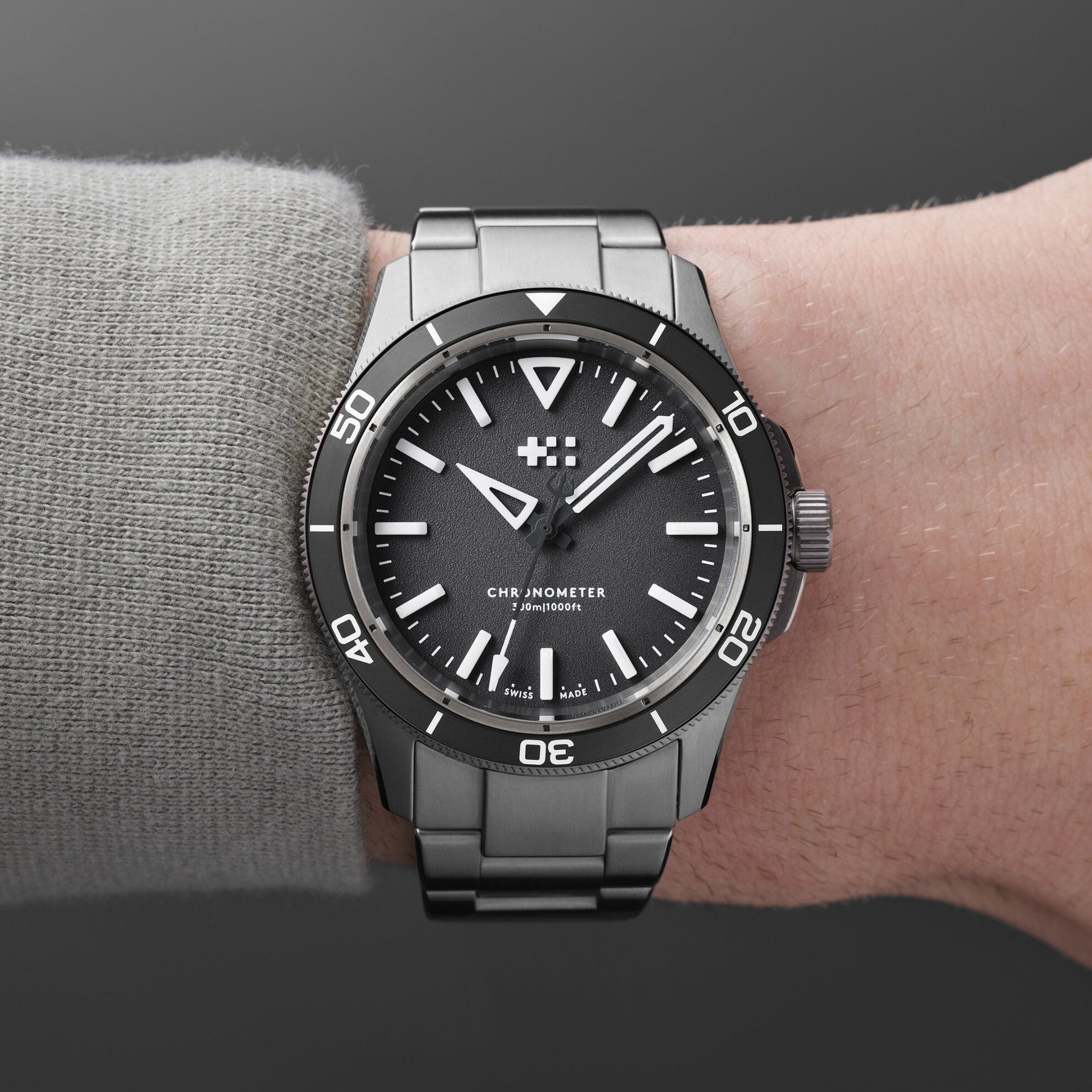
If Baltic set the standard for microbrands, then Christopher Ward has gone one step further and blurred the boundary between micro and independent. This is a brand that started small, stayed self-funded, and yet now produces its own movements — an almost unheard-of feat at this price point.
The C1 Bel Canto turned the industry’s head in 2023 by offering chiming complications and finishing that embarrassed watches ten times its price. Their latest Sealander and 12 lines continue to show that design and engineering can coexist beautifully.
What’s special about Christopher Ward is ambition. They’ve built infrastructure, invested in manufacturing, and continued to keep pricing grounded. The result is a brand that embodies everything we love about microbrands — innovation, transparency, and genuine pride — but executed with the maturity of a serious manufacturer.
Our Pick for the Top Company Right Now
For us, the crown belongs to Christopher Ward. They’ve proven that a microbrand can grow without losing its authenticity. They make complicated, beautifully finished watches that still feel attainable.
In a world where too many brands sell hype, Christopher Ward sells craftsmanship. They’ve built something sustainable, transparent, and proudly British — a true success story in modern watchmaking.
Final Thoughts
Microbrands and independents share a rebellious streak, but they play different games. Independents chase perfection. Microbrands chase possibility. And that’s why we love them.
At The Wind Up, we’ll always back the watchmakers who start small, stay curious, and build something real — whether it’s a bold design, a clever complication, or just a watch that makes you smile when you wear it.
Because in the end, it’s not the name on the dial that matters. It’s the story behind it.