
Why Microbrands Are Beating Swiss Brands
There was a time when buying a Swiss watch felt like joining a very serious club.
You would walk into a boutique, whisper the name of a model as if ordering contraband, then be told there was a waiting list, a relationship to build, and possibly be part of a ceremonial blood oath. The Swiss watch industry had the aura, the history, the mountain air and the pricing power.
But something has shifted.
Microbrands and Independents, once dismissed as enthusiastic side projects run from spare bedrooms, are now producing some of the most interesting, wearable and talked-about watches in the market. Meanwhile, parts of traditional Swiss industry look a little like your uncle at a wedding. Still smartly dressed, still respectable, but slightly confused about why everyone is on the dance floor without him.
Swiss watch exports fell in 2025, with the Federation of the Swiss Watch Industry reporting a 1.7% drop in value and a 4.8% fall in exported wristwatch volumes. Asia was particularly soft, with China, Hong Kong and Japan weighing on performance. Resource - fhs.swiss
In plain English, fewer watches are moving, and the old formula of raising prices, limiting supply and polishing the heritage badge until it gleams is starting to look a bit tired.
Both Microbrands and Independents have spotted the gap. More importantly, they have sprinted through it wearing trainers, not handmade leather loafers.
The Market
The first reason they are winning is simple. They are fun.
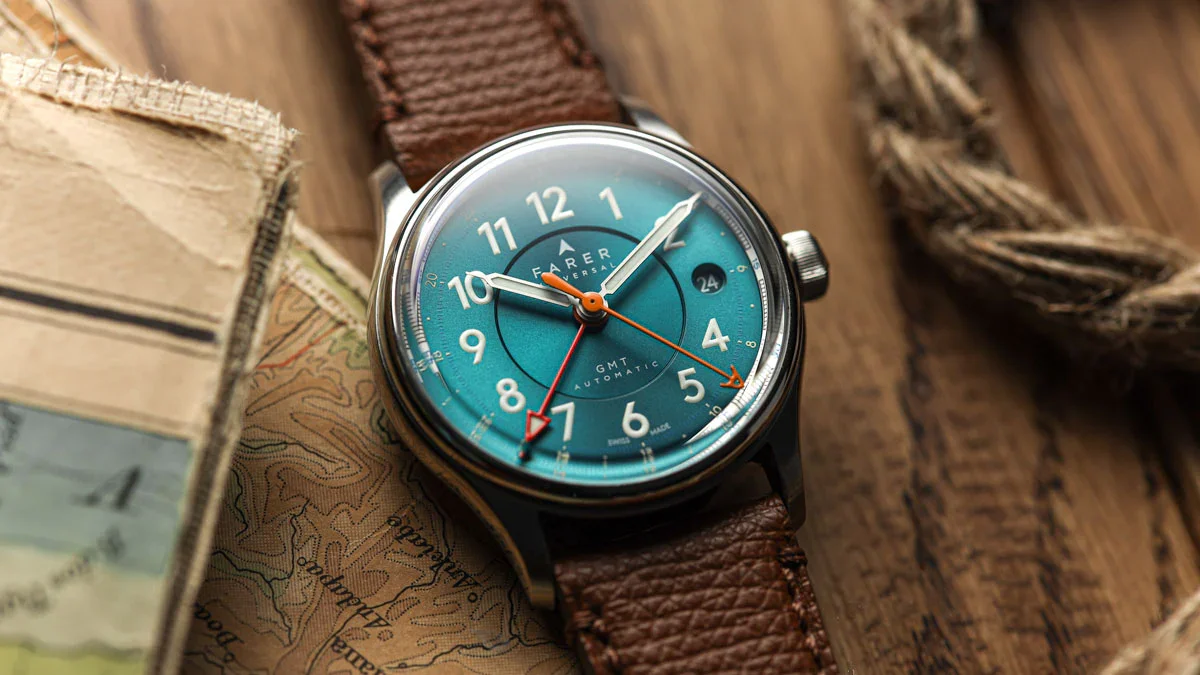
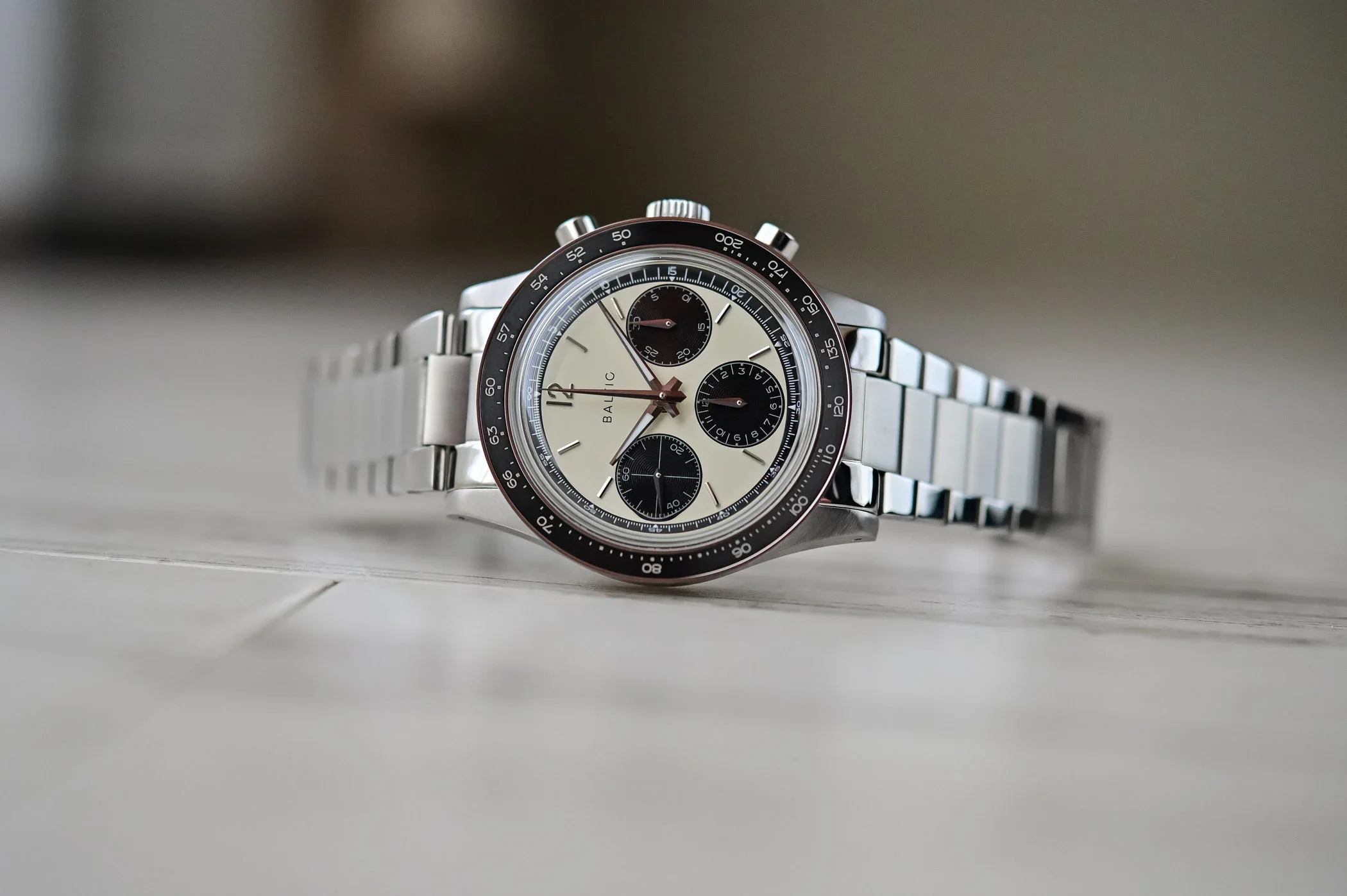
That sounds almost too obvious, but in watches it matters. Enthusiasts are increasingly drawn to brands that feel alive. A microbrand can release a watch inspired by a watermelon or salmon and somehow make it cooler than another black-dial dive watch with a seriously technically appropriate name. Brands like Farer, Christopher Ward, Baltic, Fears, Anordain and Lorier understand that personality is not a crime. In fact, it might be the whole point.
For years, Swiss brands have sold the dream of being one of the clan. Microbrands sell the joy of discovery. One says, “This watch has been made the same way for 60 years.” The other says, “Look at this dial, it looks like a cocktail made by a graphic designer having a breakdown.” Both have their place, but only one feels like it is having any fun.
Value In The Market
The second reason is value. Not cheapness. Value.
There is a difference. Cheap is a hollow watch with a noisy rotor and a strap made from what appears to be recycled school shoes. Value is a well-designed watch with a proper movement, decent finishing, strong proportions and a price that does not require a quiet conversation with your mortgage adviser.
There is a great little book named The Go Giver by Bob Burg in which states that true value is determined by how much more you receive in perceived value than you give in payment.
Microbrands do not carry the same boutique networks, celebrity campaigns, corporate layers or glossy airport adverts showing a man in a tuxedo looking meaningfully at the sea. That means more of the money can go into the watch itself. Enthusiasts notice this. They compare specifications. They look at cases, bracelets, lume, crystals, movements and finishing. Then they ask an awkward question: why is this independent brand giving me more for less?
Get It On The Wrist
The third reason is speed.
Big Swiss brands often move like cruise ships. Beautiful, expensive cruise ships, but cruise ships nonetheless. A new dial colour can feel like a five-year strategic event.
Microbrands can listen, design, test, launch, and adapt quickly. They are close to their audience because, in many cases, their audience helped build them. Instagram comments, forum feedback, YouTube reviews and collector groups shape what comes next.
That intimacy matters. Microbrands feel less like companies selling to customers and more like brands building alongside communities. There is a sense of shared ownership. When a small brand gets it right, people do not just buy the watch. They champion it.
Winding Things Up
Of course, not every microbrand is brilliant. Some are as original as a photocopy of a homage of a tribute. There are still plenty of “limited edition” dive watches that look suspiciously like they were designed by typing “vintage tool watch” into a very tired spreadsheet. But the best microbrands are no longer asking to be taken seriously. They already are.
Swiss brands are not finished. That would be ridiculous. Rolex, Omega, Tudor, Cartier, Longines and the rest are not exactly standing outside Cash Converters holding a sandwich board. The great Swiss names still have history, quality and emotional pull that most brands would sell a kidney for.
But the mood has changed.
Us collectors want character. We want access. We want honesty. We want watches that feel connected to the people making them, not filtered through seventeen departments and a brand ambassador who we are made to believe spends most days kayaking through Patagonia.
Microbrands are beating Swiss brands because they understand the modern enthusiast better. They know watches are not just status objects. They are stories, jokes, design experiments, community badges and little mechanical mood-lifters.
The Swiss still own the mountain. But the microbrands have found the footpath, brought snacks, and made the climb look a lot more enjoyable.
Image Credits to each brand.