
Yes. Absolutely. Without question.
You can wear a dive watch without ever diving, just as you can wear a field jacket without venturing into the wilderness, driving shoes without owning an Alfa Romeo, or a chronograph without ever timing anything more ambitious than your morning coffee.
The reality is that most dive watches will never experience anything more demanding than a swimming pool, a rainstorm or the occasional holiday snorkelling trip. And that's perfectly fine.
Although originally developed as essential instruments for professional and recreational divers, dive watches have evolved into one of the most popular and versatile categories in modern watchmaking.
And for good reason.
Their appeal extends well beyond the water. Robust construction, excellent legibility, practical functionality and reassuring water resistance make them particularly well suited to everyday life. Add in decades of distinctive design heritage, and it's easy to understand why dive watches have become such a cornerstone of modern watch collections.
Whether you're exploring the coastline, travelling, heading into the office or simply looking for a dependable everyday watch, a good diver is more than capable of rising to the occasion.
You don't need to explore the ocean to appreciate a watch designed to withstand it.
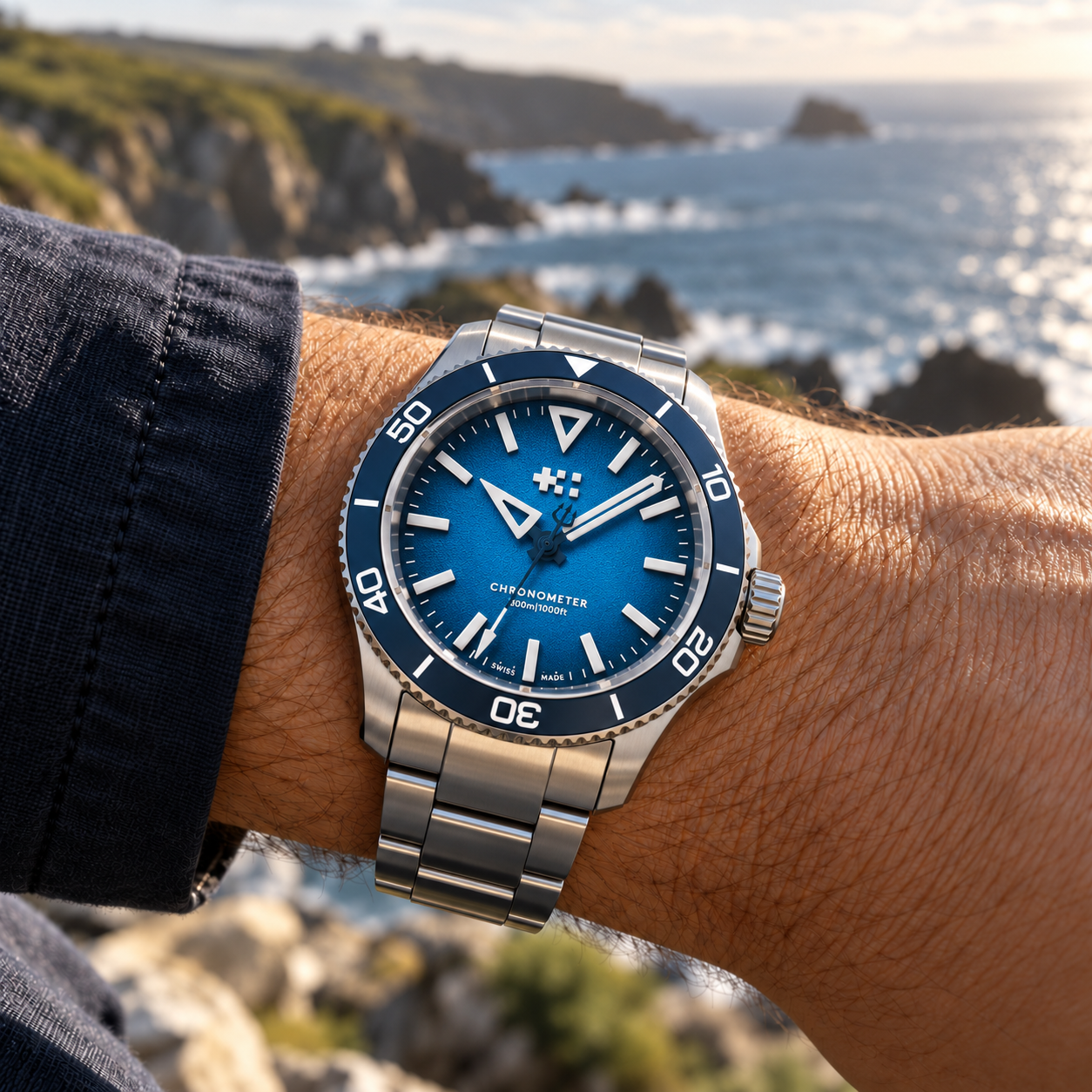
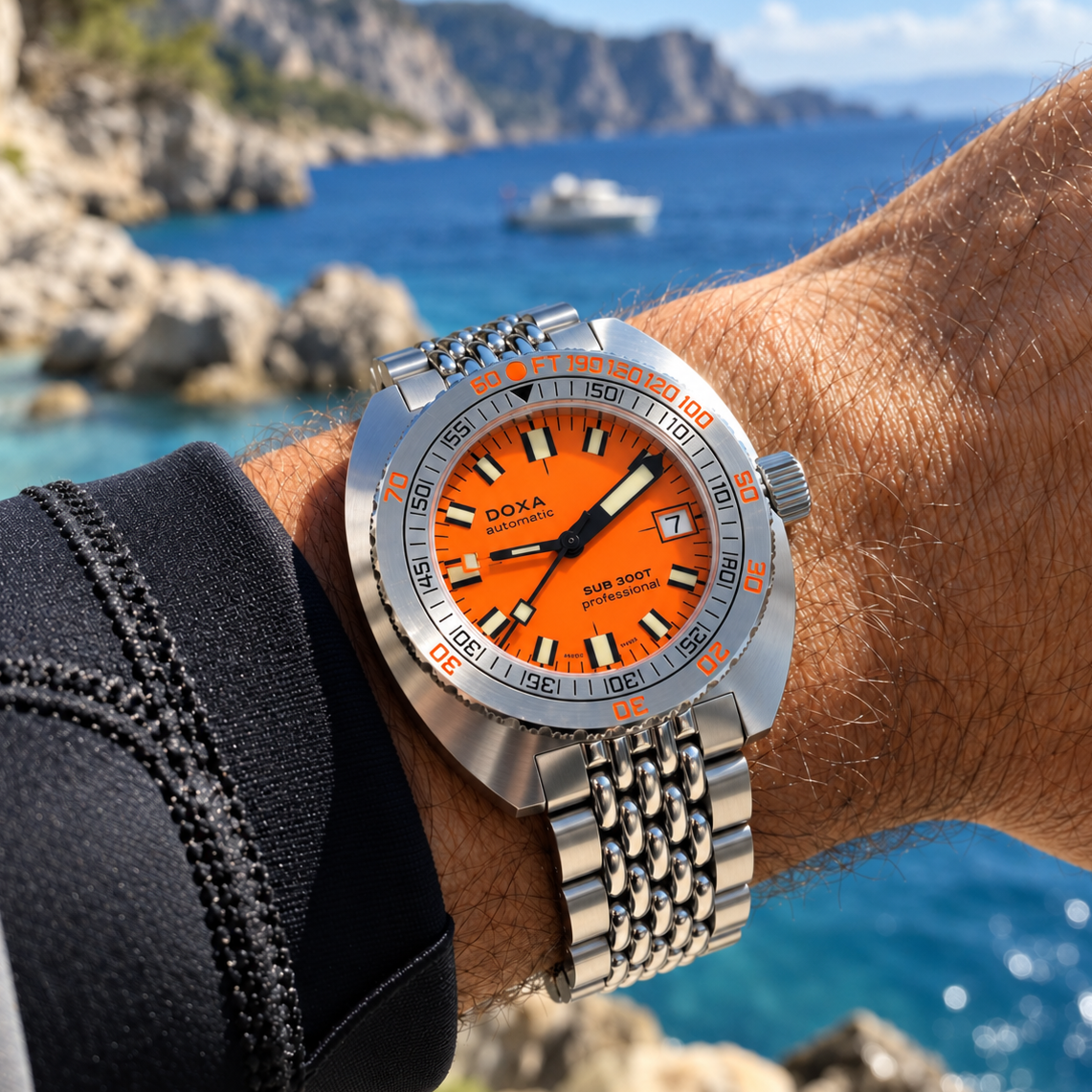
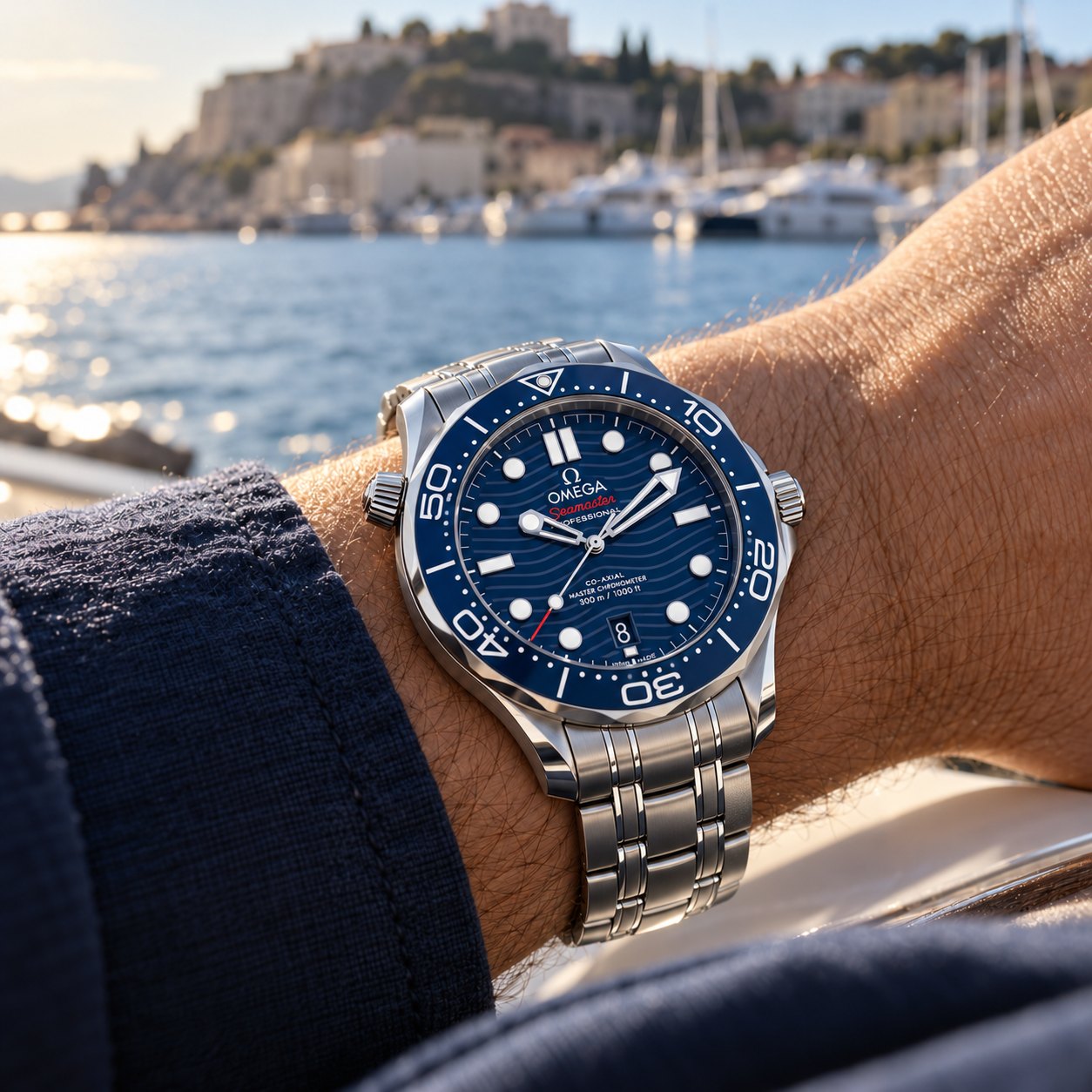
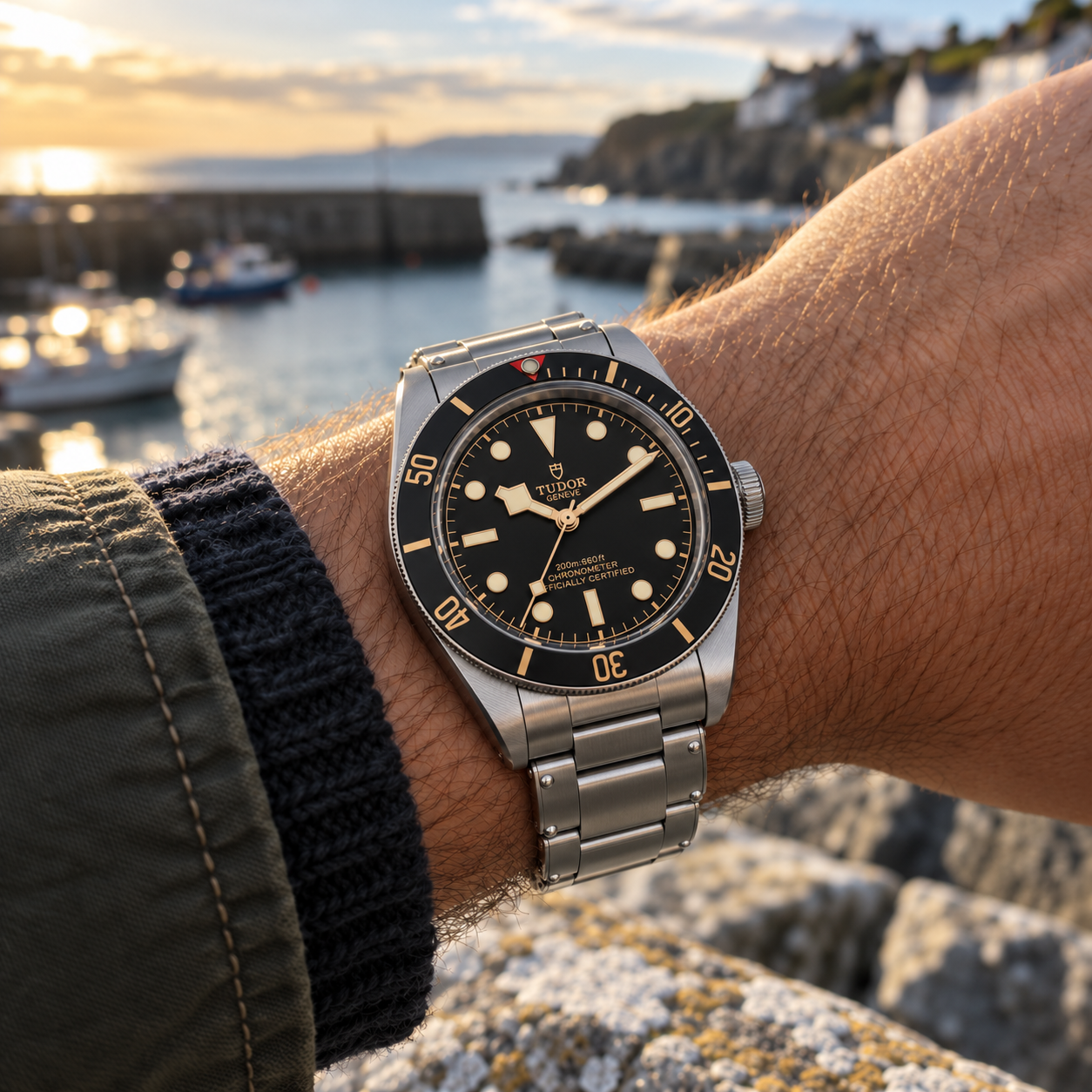
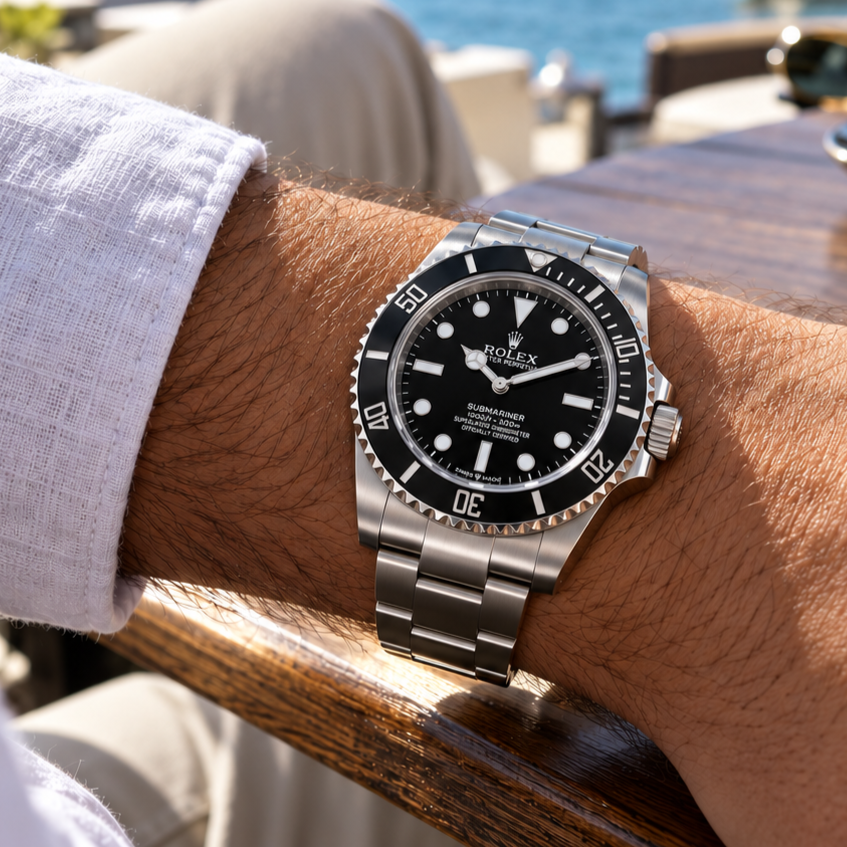
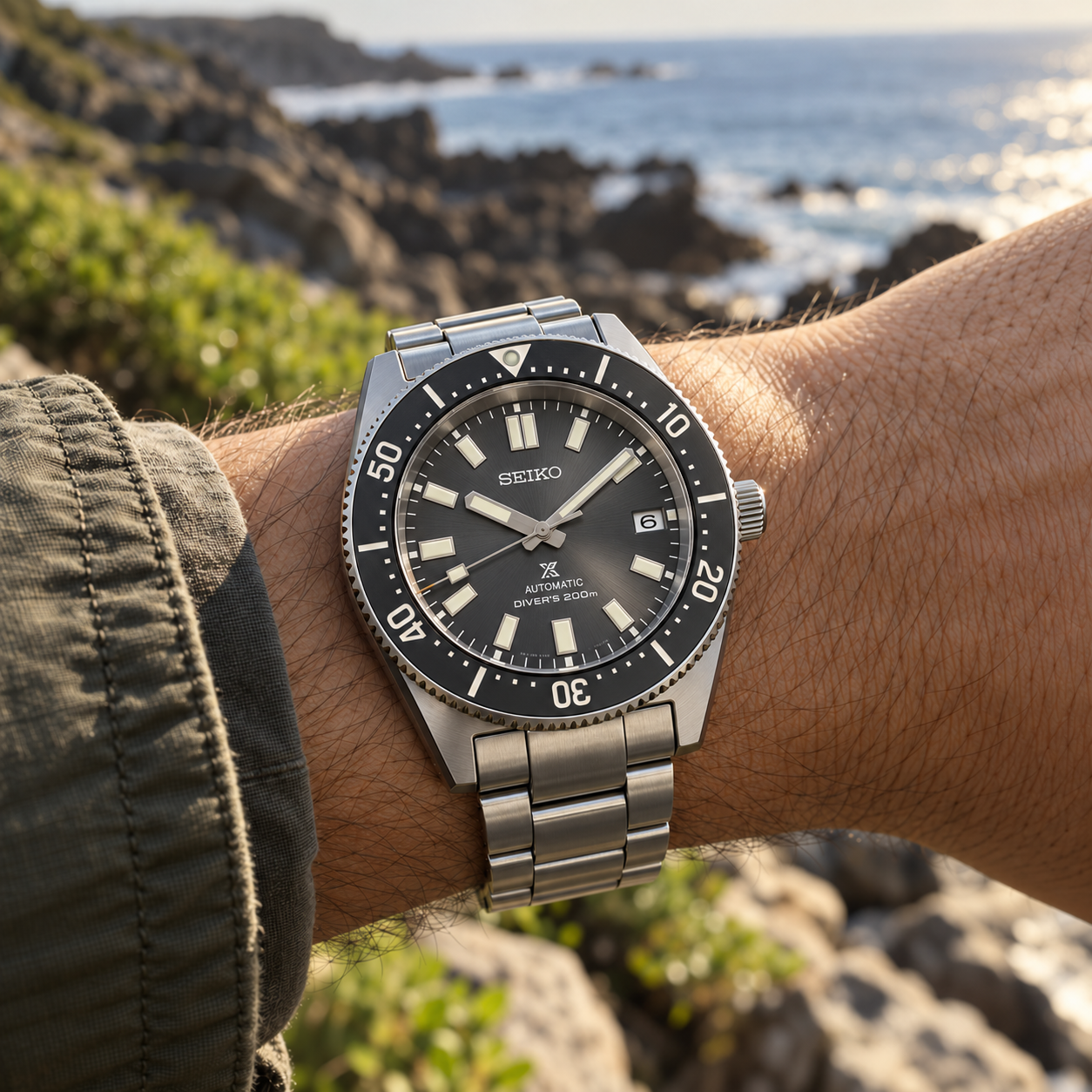
Legibility: Designed to Be Read at a Glance
One of the greatest strengths of a dive watch is its legibility. Originally developed for use in challenging underwater conditions, dive watches typically feature high-contrast dials, generously sized hands, clear hour markers and strong luminous coatings.
These qualities translate particularly well to everyday life. Whether you're travelling, working outdoors or simply going about a busy day, being able to read the time instantly is something we often take for granted. A well-designed dive watch prioritises function without sacrificing appearance, and that simplicity is a significant part of its appeal.
Water Resistance: More Than Just a Number
Water resistance is another obvious advantage, although it is worth understanding what those impressive numbers actually mean.
A watch rated to 200 metres isn't necessarily intended for someone to descend to that depth. Water resistance ratings are established under controlled testing conditions, and actual suitability depends on the watch's construction, condition and intended use.
For everyday wear, though, a properly maintained dive watch offers considerable reassurance. Swimming, rain, accidental splashes and active weekends are comfortably within the capabilities of most modern divers.
There is a practical benefit to their construction, too. Screw-down crowns, robust cases, sapphire crystals and secure bracelets are common features, although not universal. Together, they help make a good dive watch a dependable companion for years of regular use.
It's worth remembering that water resistance is not permanent. Seals deteriorate with age, and any watch regularly exposed to water should be pressure-tested periodically.
The Rotating Bezel: Surprisingly Useful on Dry Land
The rotating bezel is arguably the defining feature of a traditional dive watch, and one of its most useful everyday functions.
Originally designed to track elapsed diving time, a unidirectional bezel can also be used to measure almost any short period. Simply align the bezel's zero marker with the minute hand and read the elapsed minutes as the hand advances.
It's useful for cooking, exercise, parking and countless other situations where reaching for your phone feels unnecessary.
Unlike a chronograph, there are no buttons to operate and no additional complication to maintain. It's a brilliantly simple piece of mechanical design, and one of the reasons dive watches remain so practical decades after their original purpose was established.
Versatility: From the Beach to the Boardroom
Few watch categories offer quite the same versatility as a dive watch.
A stainless steel diver on a bracelet can look equally at home with jeans, casual tailoring or a shirt. Swap the bracelet for a rubber strap, and the same watch takes on a more relaxed, sporting character. A fabric NATO-style strap offers another option, particularly for those who prefer a lighter, more casual appearance.
This adaptability is part of what makes dive watches such popular choices for people who own only one or two watches.
There are limits, of course. A substantial professional diving instrument isn't necessarily the best companion for formal evening wear. But a well-proportioned dive watch, particularly one with a restrained dial and relatively slim case, can cover an impressive range of occasions.
Getting the Proportions Right
Not all dive watches are equally comfortable, and their size deserves some consideration.
Case diameter is important, but thickness, lug-to-lug measurement and overall weight can make an even greater difference to how a watch wears. A compact 39mm diver with a relatively thick case may feel more substantial than a slimmer 41mm alternative.
Models such as the Tudor Black Bay 58 and Seiko Prospex SPB143 demonstrate why balanced proportions are so important. Both offer traditional diving-watch characteristics in dimensions that suit a wide range of wrists.
For many people, a diameter between 38mm and 42mm is a useful starting point, although wrist shape and personal preference matter more than any fixed rule.
It's also worth considering how the watch sits beneath a shirt cuff, whether the bracelet offers sufficient adjustment and whether the weight remains comfortable throughout the day.
Ultimately, the best dive watch isn't necessarily the one with the greatest depth rating or the most impressive specifications. It's the one that feels natural on your wrist and fits comfortably into your lifestyle.
And that is perhaps the strongest argument for wearing a dive watch without ever diving: the qualities that make it useful underwater are many of the same qualities that make it such an excellent everyday watch.
Winding Things Up
You do not need to dive to wear a dive watch. Most people who own dive watches do not dive, and the watch world has somehow continued spinning.
The reason dive watches remain so popular is not because we are all secretly preparing for deep-sea exploration. It is because they are practical, handsome, durable and easy to live with.
A great dive watch is not just a diving tool. It is a life tool, and if the deepest your watch ever goes is the hotel pool, that is fine. Just remember to rinse it afterwards.
Watch photography featured in this article is credited to the respective photographers, brands and publications, as identified in the individual image captions.