
Favre Leuba is giving its ambitious Chief Tourbillon a rather handsome makeover, swapping last year’s sculptural dial for something altogether more traditional. Meet the Chief Tourbillon Guilloché, a limited edition of just 25 pieces that combines a hand engraved blue dial with serious mechanical watchmaking and a design that certainly knows how to make an entrance.
Founded in 1737, Favre Leuba has plenty of history to draw upon, but its recent revival has seen the Swiss watchmaker looking firmly towards the future. The original Chief Tourbillon, unveiled in 2025, marked a significant milestone as the brand’s first ever tourbillon watch. This latest edition builds on that achievement, introducing a beautifully textured dial that brings centuries old decorative craftsmanship into the spotlight.
A Blue Dial With A Difference
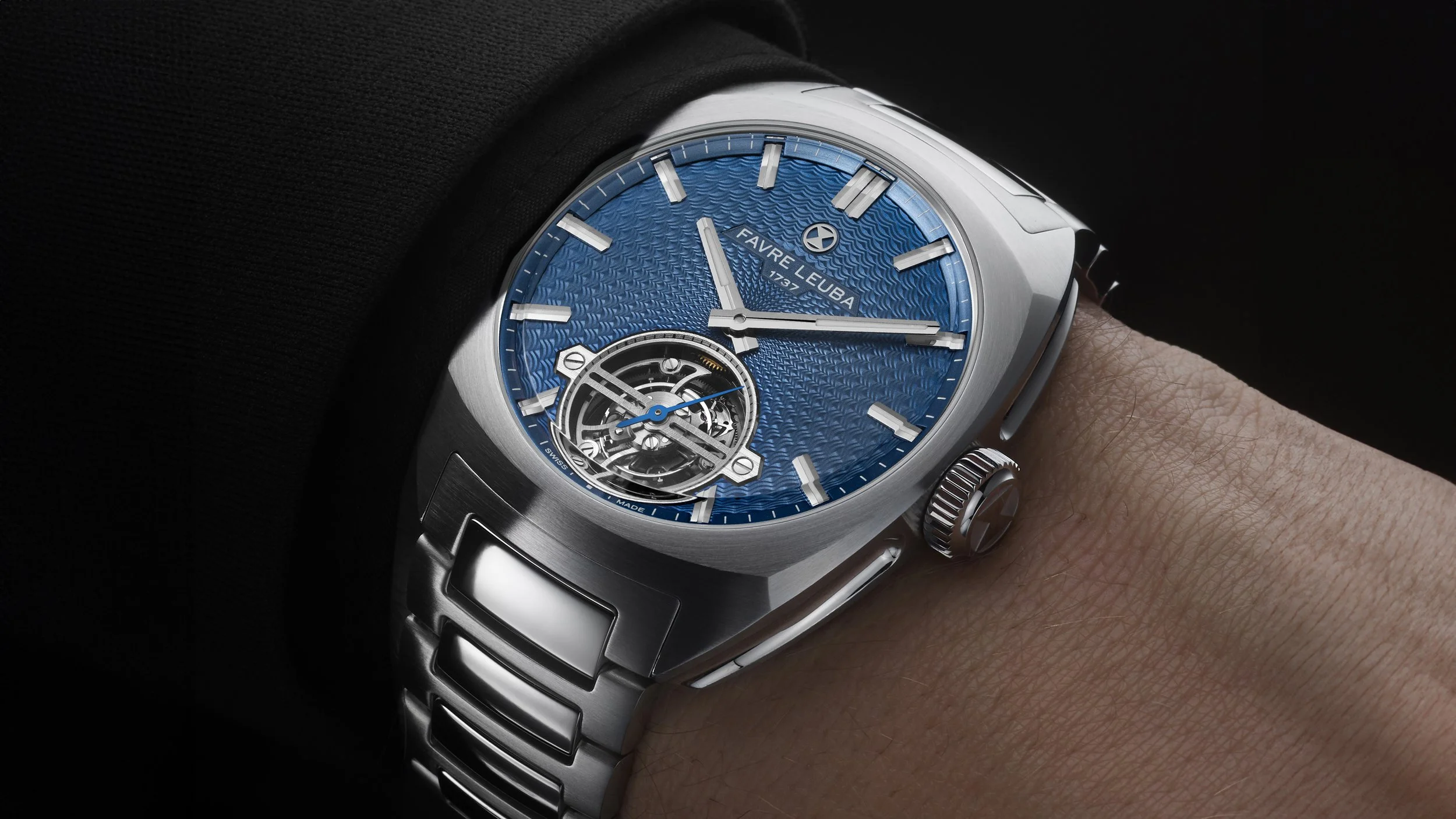
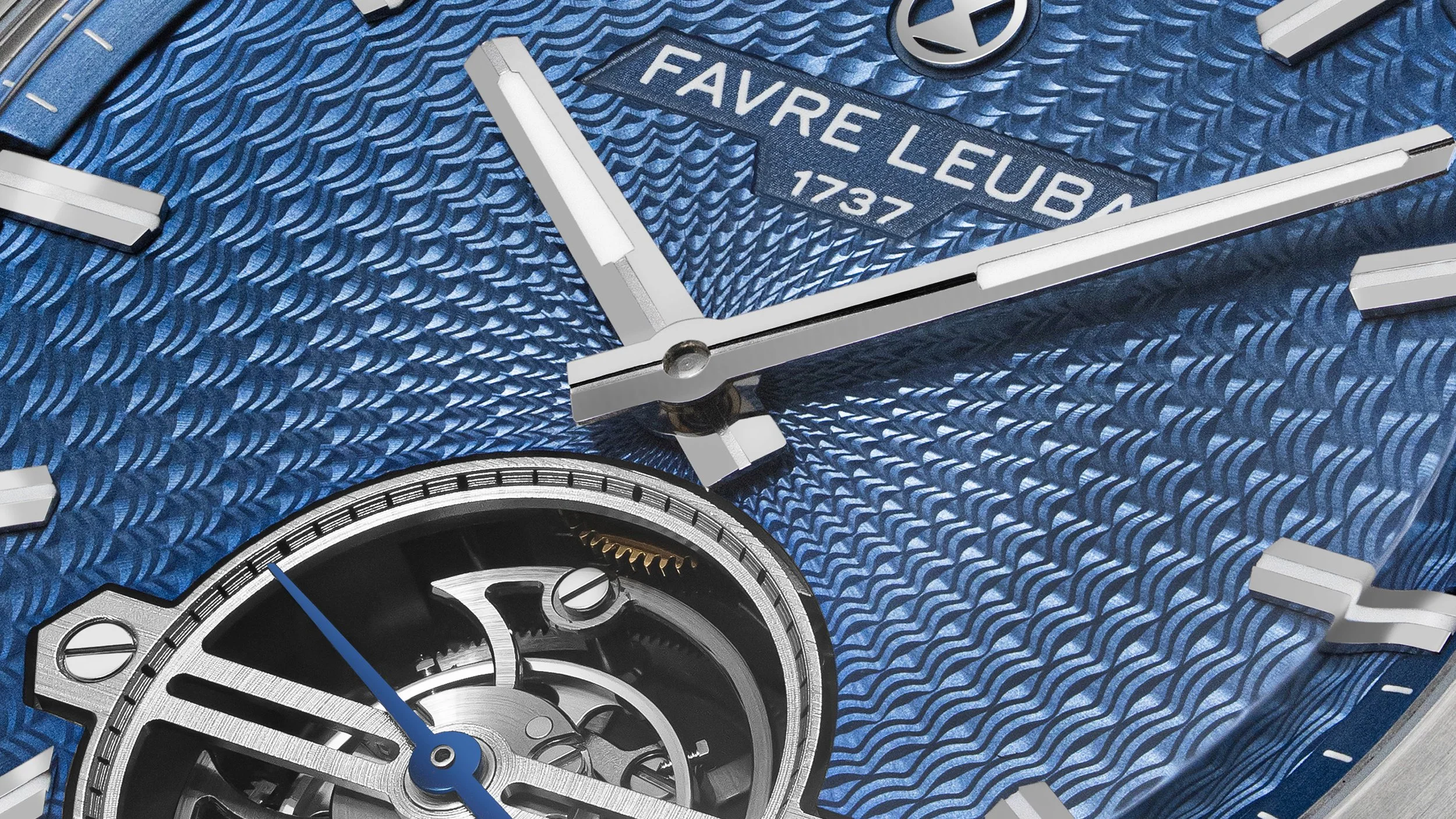
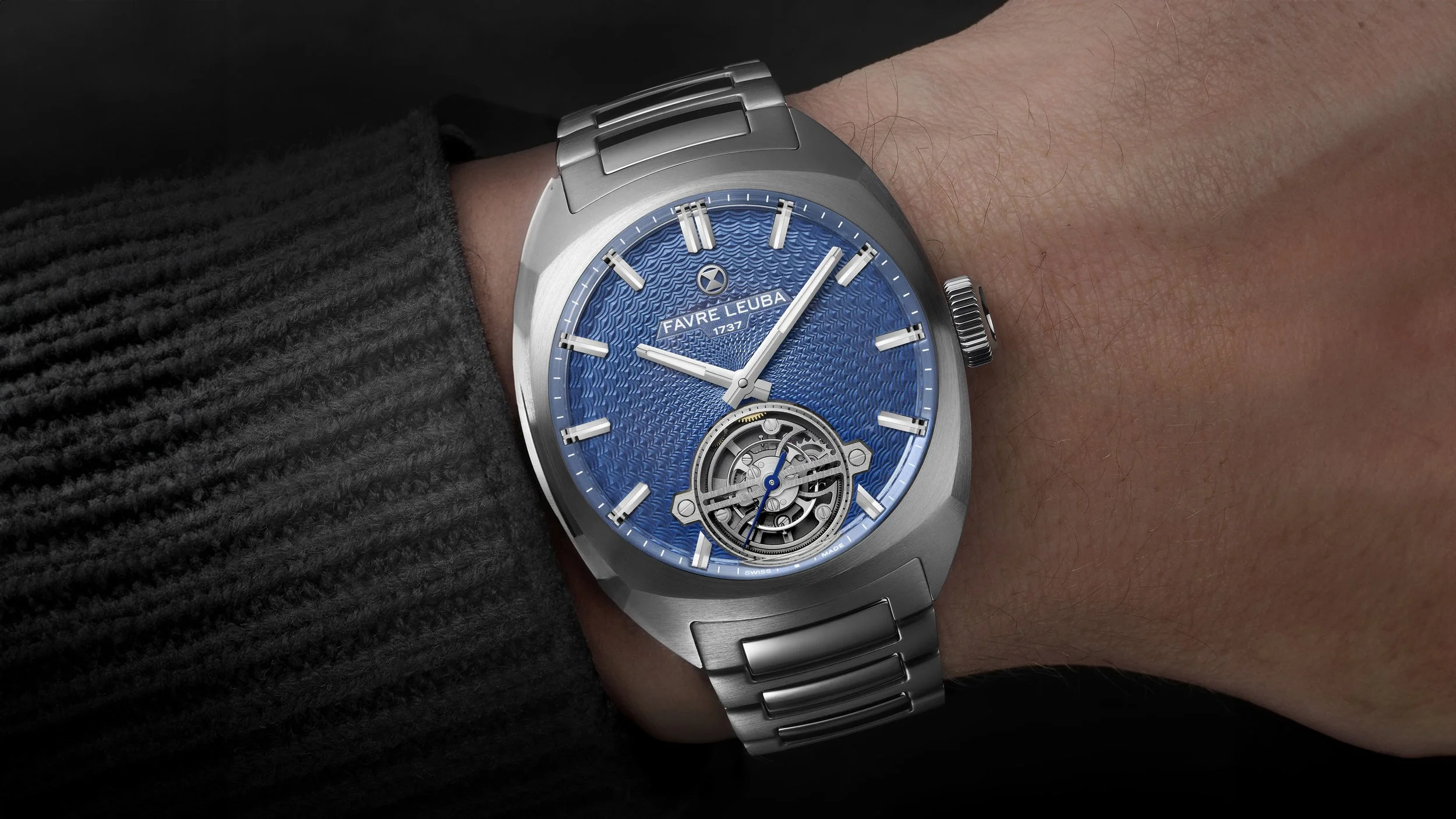
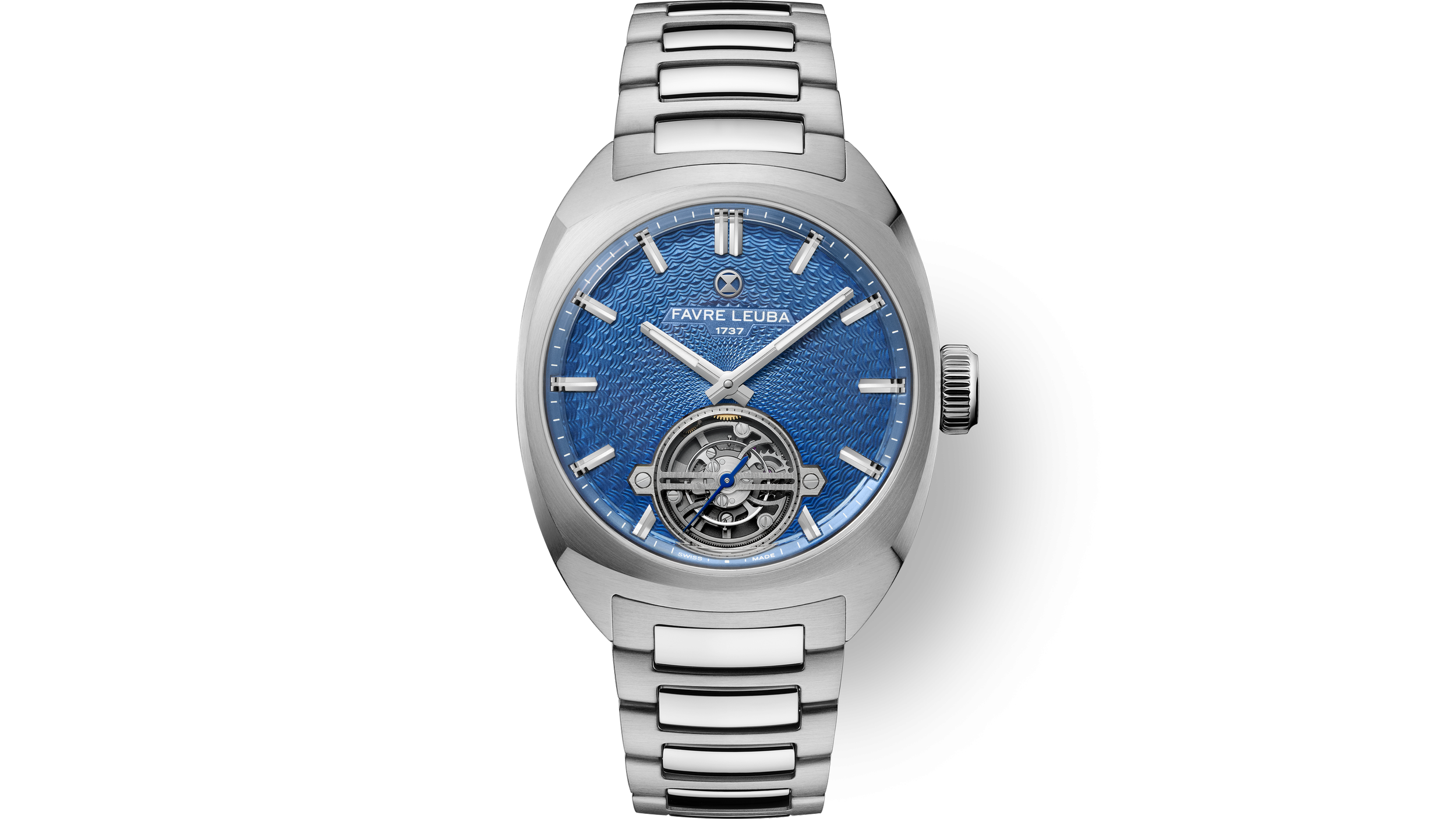
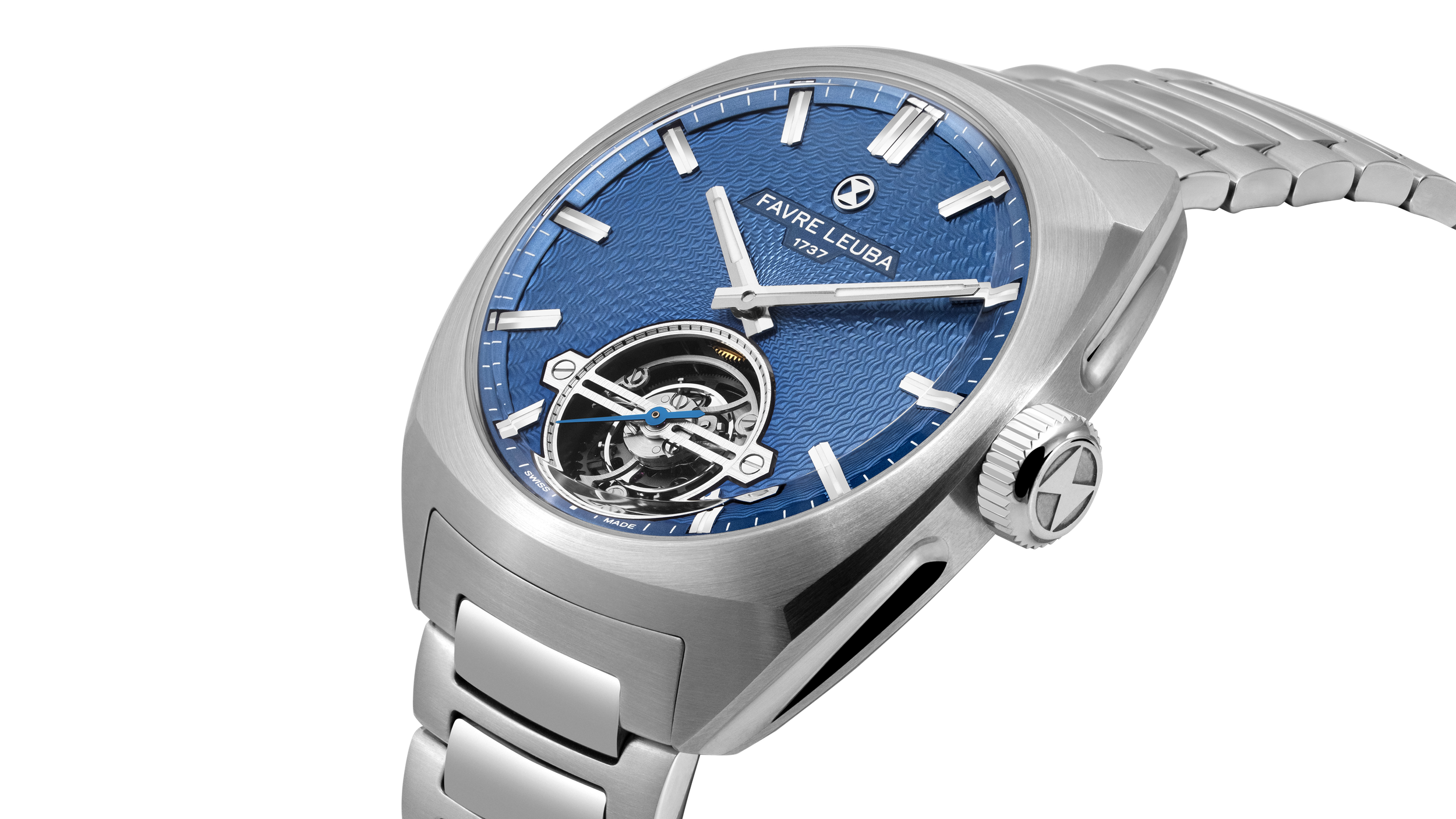
The headline act is undoubtedly the dial. Finished in a rich blue hue, it features a hand executed grain d’orge guilloché pattern, also known as barleycorn, which radiates outwards from the centre. Rather than relying on a modern machine to produce the effect, Favre Leuba has turned to a vintage rose engine lathe dating back to the late 19th century.
Each dial requires hours of painstaking work, with every cut demanding precision and a steady hand. The resulting pattern creates an intricate play of light and shadow, giving the surface a sense of depth that changes as the watch moves on the wrist. It is a wonderfully tactile approach to dial making, and a refreshing reminder that not everything in modern watchmaking needs to be achieved at the push of a button.
Against this elaborate backdrop, applied hour markers and luminous hands keep things legible, while the tourbillon at six o’clock provides a mechanical focal point that is difficult to ignore. The flame blued small seconds hand sits at the centre of the tourbillon assembly, with its supporting bridge incorporating an hourglass inspired design that references Favre Leuba’s emblem.
A Tourbillon With Serious Credentials
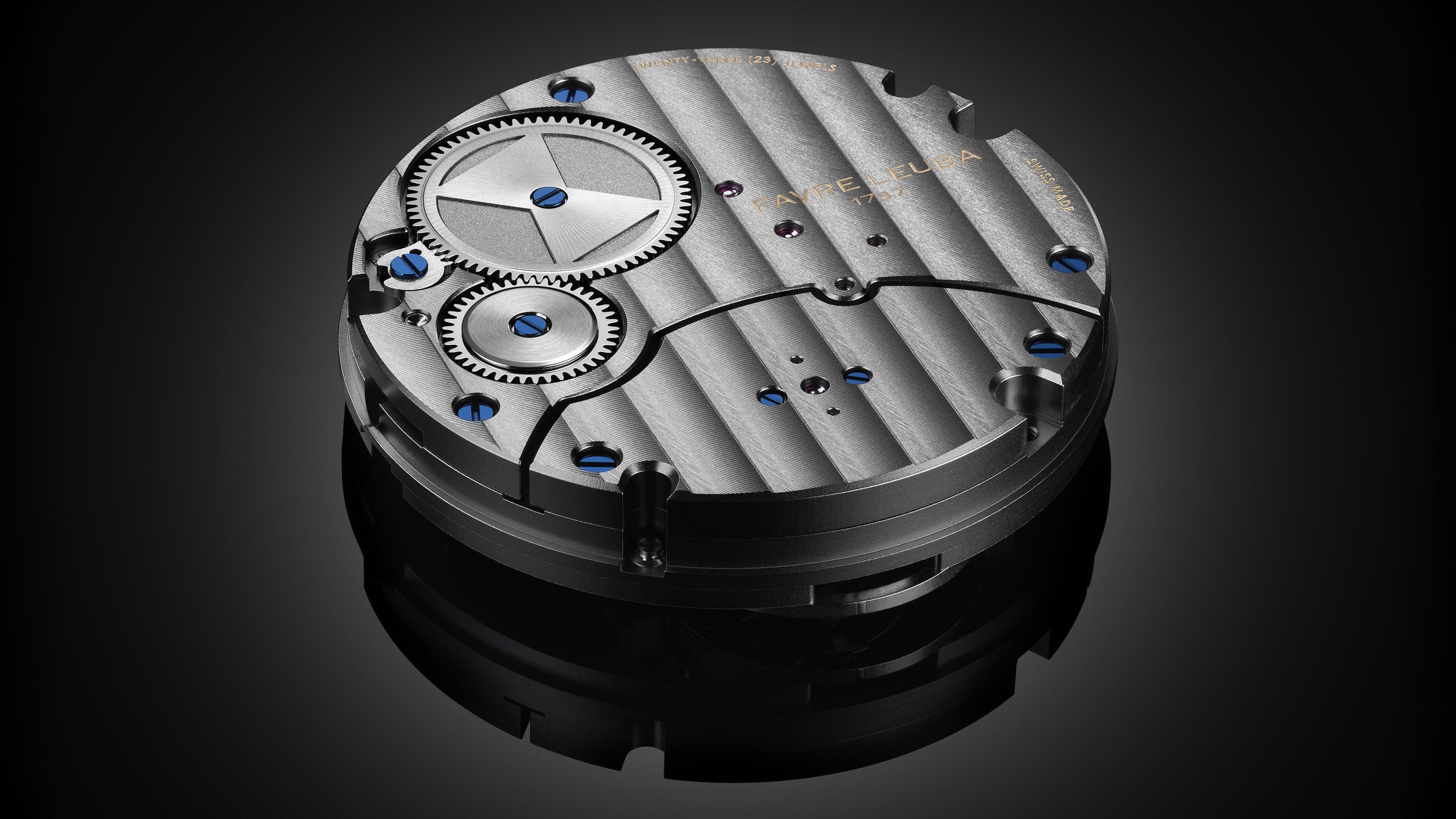
Powering the Chief Tourbillon Guilloché is the manually wound FL T01 calibre, developed in collaboration with renowned movement maker Jean François Mojon and his Chronode atelier. Based on the Chronode C502, the movement was reworked specifically for Favre Leuba, bringing together technical sophistication and distinctive finishing.
The tourbillon escapement rotates once per minute, with the mechanism designed to counter the effects of gravity on the regulating organ. While the practical accuracy benefits of a tourbillon can be debated in the age of modern wristwatches, there is no denying the appeal of watching one of watchmaking’s most celebrated complications doing its thing.
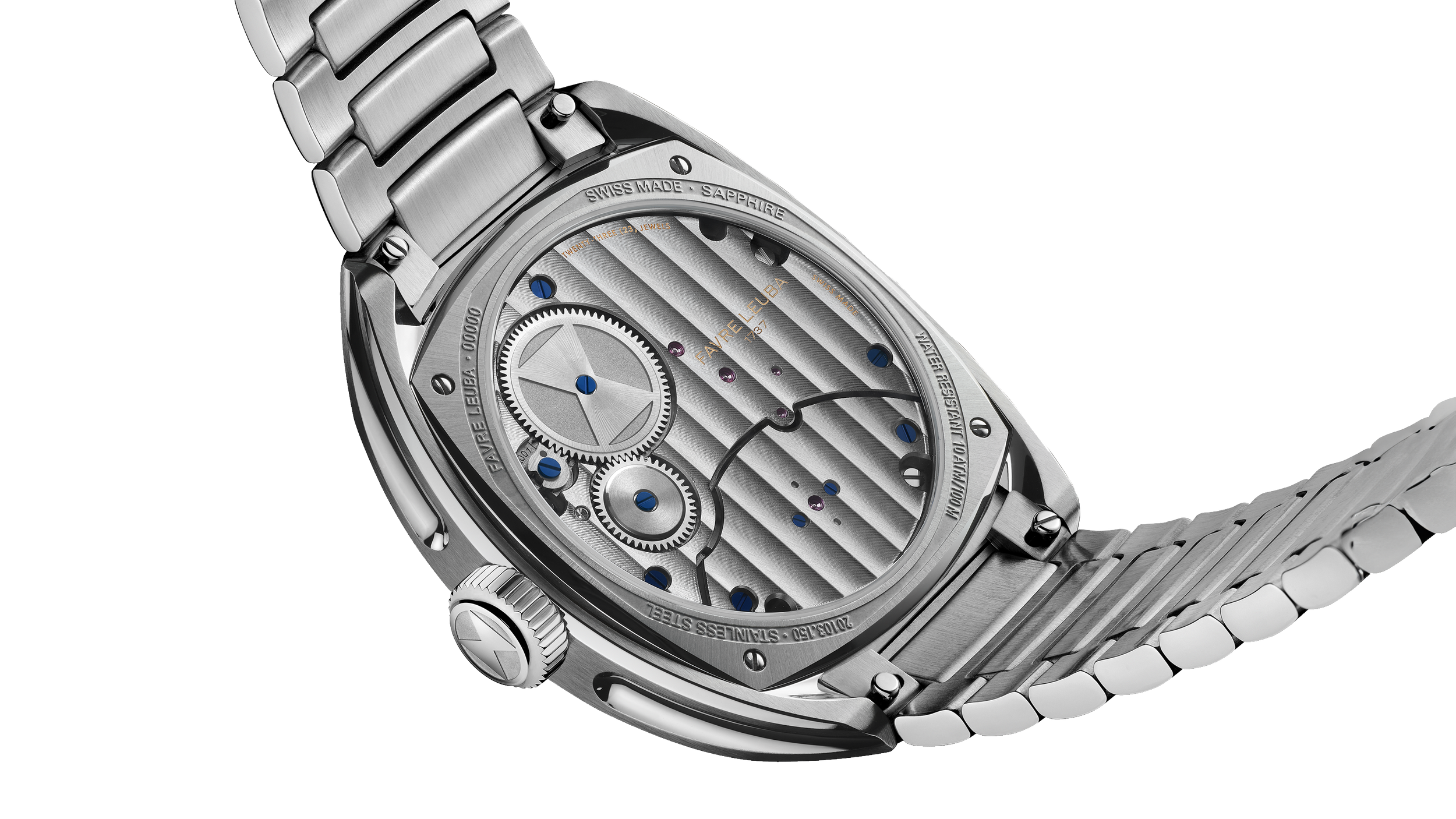
The movement operates at 21,600 vibrations per hour, uses 23 jewels and provides approximately 60 hours of power reserve. Turn the watch over and the exhibition caseback reveals an anthracite finished movement decorated with Côtes de Genève stripes, blued screws and gold engravings. The ratchet wheel also carries Favre Leuba’s hourglass emblem, ensuring the branding extends beyond the dial.
A Familiar Case With Considered Details
The watch retains the Chief collection’s distinctive 41mm cushion shaped stainless steel case, balancing rounded contours with sharper edges and a mixture of brushed and polished surfaces. At 11.45mm thick, it offers relatively restrained proportions for a watch housing such an elaborate complication.
A curved sapphire crystal with anti reflective coating protects the dial, while the sapphire exhibition caseback provides a view of the movement. Water resistance is rated to 100 metres, an impressive specification for a high complication dress watch and a welcome reminder that this is not necessarily a timepiece that needs to spend its life hidden away in a safe.
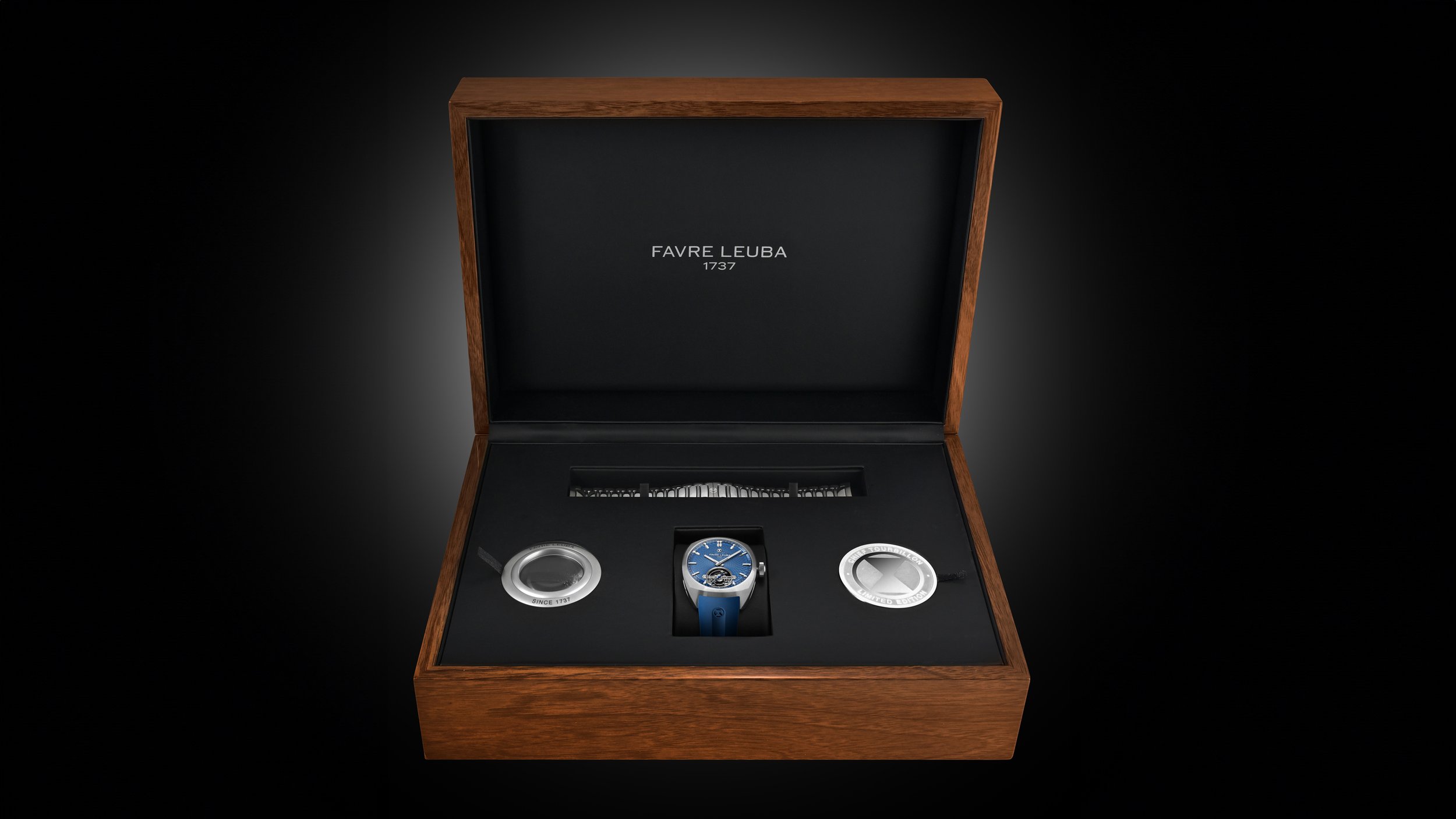
Completing the package is an integrated stainless steel bracelet with alternating brushed and polished finishes, secured by a butterfly clasp. An interchangeable blue rubber strap is also included, offering a more relaxed alternative when the occasion calls for something less formal.
Limited Edition And Price
Favre Leuba will produce just 25 examples of the Chief Tourbillon Guilloché worldwide, making this a genuinely exclusive addition to the collection. The official UK price is £26,000, with pre bookings available ahead of deliveries scheduled for March 2027.
At this level, the Chief Tourbillon Guilloché is competing in a corner of the market where craftsmanship, movement architecture and exclusivity matter just as much as brand recognition. Its appeal lies in the combination of an established complication, a distinctive case design and a dial made using traditional techniques that are becoming increasingly rare.
Specifications
Model: Favre Leuba Chief Tourbillon Guilloché
Reference: 00.20103.150.02.200
Case Size: 41mm
Case Thickness: 11.45mm
Case Material: Stainless Steel
Case Shape: Cushion
Dial: Blue hand engraved grain d’orge guilloché
Crystal: Curved sapphire crystal with anti reflective coating
Caseback: Sapphire exhibition caseback
Movement: FL T01 manual winding tourbillon
Movement Base: Chronode C502
Jewels: 23
Frequency: 21,600 vibrations per hour
Power Reserve: Approximately 60 hours
Functions: Hours, minutes, tourbillon and small seconds
Water Resistance: 100 metres
Bracelet: Integrated stainless steel bracelet with butterfly clasp
Additional Strap: Blue rubber strap
Limited Edition: 25 pieces worldwide
Price: £26,000
Availability: Pre booking, with deliveries scheduled for March 2027
Winding Things Up
The Chief Tourbillon Guilloché is a confident next step for Favre Leuba. Rather than simply dressing up its first tourbillon with a different colour scheme, the brand has introduced a dial that gives this second edition a character of its own. The hand cut blue guilloché brings warmth and texture, while the tourbillon and beautifully finished FL T01 calibre provide the mechanical substance to back up the looks.
At £26,000, this is certainly not an impulse purchase for a payday Friday, but the combination of a 25 piece production run, a specialist movement and genuinely traditional dial craftsmanship gives it plenty to talk about. Favre Leuba may have been making watches since 1737, but the Chief Tourbillon Guilloché suggests its latest chapter is only just getting going.
