
A watch can have the perfect dial, movement and dimensions, yet still be a nuisance if it doesn't fit properly. A bracelet that slides halfway down your hand looks untidy; one that leaves an angry indentation is hardly an improvement. The sweet spot is comfort, stability and enough room for your wrist to behave like a wrist.
The Simple Fit Test
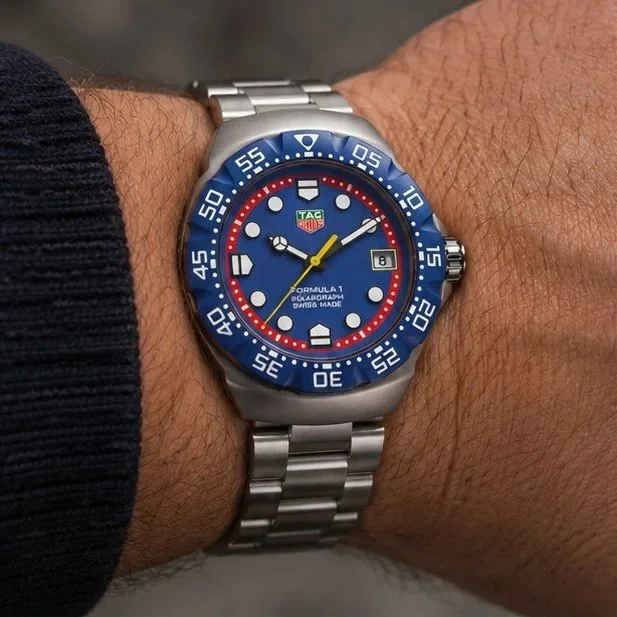
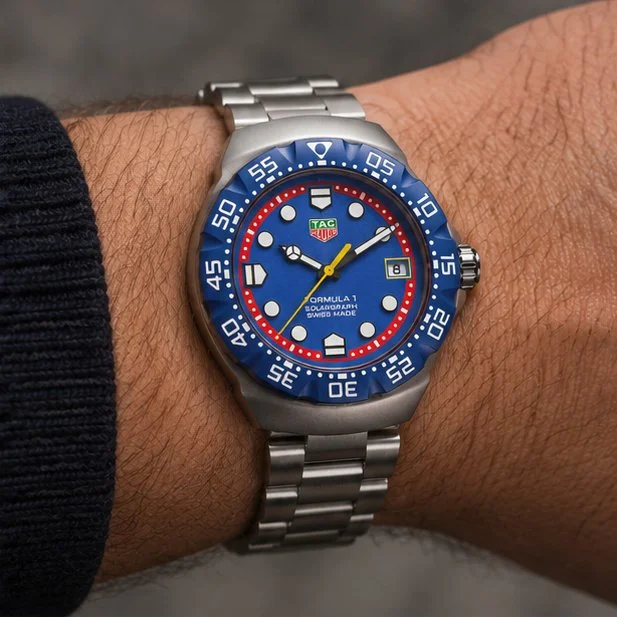
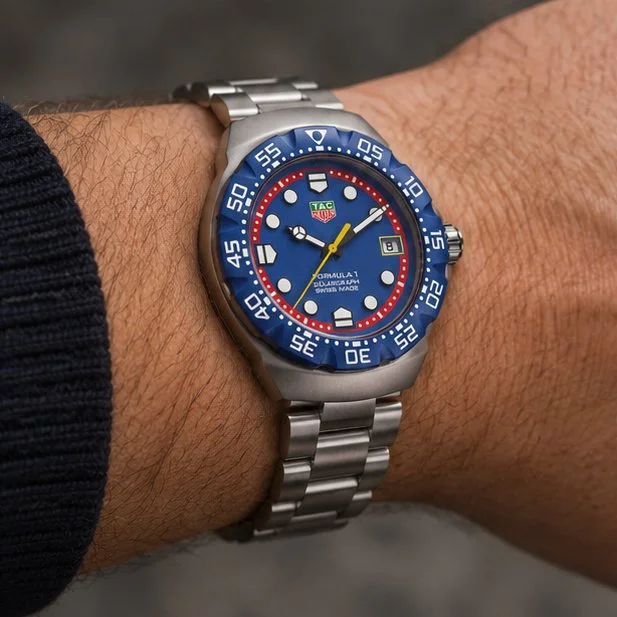
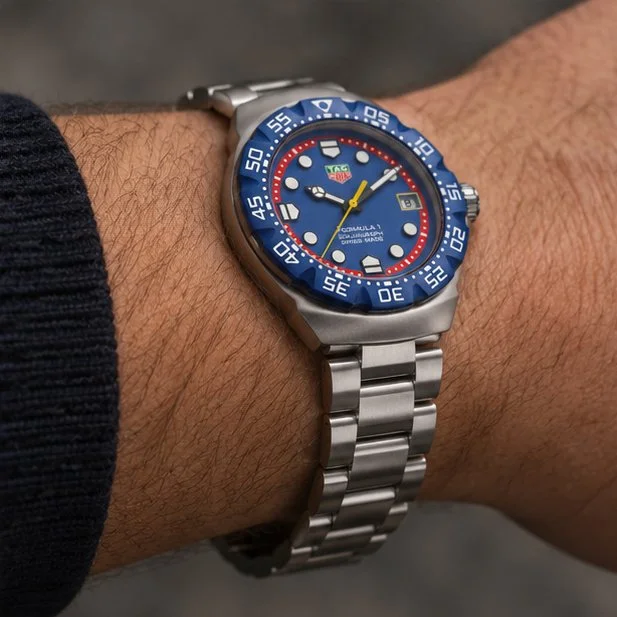
Your watch should sit comfortably around the wrist bone without squeezing. As a useful starting point, you should generally be able to slide a fingertip beneath the strap or bracelet without forcing it. That is a guide rather than a universal law: finger size, wrist shape and strap materials vary.
When you rotate your forearm, the watch may move a little but shouldn't spin around the wrist. When you lower your hand, it shouldn't travel down onto the back of it. If you feel tingling, pinching or pressure marks that linger, the fit is too tight.
Bracelets: Links Are Only Half The Story
Steel bracelets can be trickier than they look. Removing a full link may make the watch too tight, while leaving it in can make it too loose. Half-links and clasp micro-adjustments are often the answer.
A good clasp allows small corrections, ideally without tools. That's particularly valuable in warm weather, after exercise or during travel, when wrist circumference can change throughout the day.
Start with the watch centred on the wrist, and aim to keep the clasp positioned underneath. If the case constantly tilts toward one edge, bracelet balance may be part of the problem, not just overall tightness. A competent watchmaker or retailer can often improve this by redistributing the links.
Leather: Secure Without Creasing The Wrist
Leather should fasten firmly enough to prevent the case moving excessively, but not so tightly that it digs into the skin. New leather can feel stiff; with normal wear, it usually softens and gradually conforms to your wrist.
Don't immediately punch an extra hole because the strap feels unfamiliar on day one. Wear it briefly, check for discomfort and assess again. On the other hand, a strap that is fundamentally too short will not become comfortable through optimism.
Rubber and silicone behave differently. Their flexibility can make them comfortable during activity, but a very tight rubber strap can trap moisture and become unpleasant in heat. If your watch is intended for swimming or sport, make sure it remains secure without compressing your wrist.
Does Your Wrist Change Size?
Absolutely. Temperature, exercise, hydration and time of day can all make a difference. Someone who fits a bracelet tightly on a cold morning may find it uncomfortable by lunchtime.
The answer is not to wear everything loose. It's to leave sensible tolerance and, where possible, choose a bracelet with useful adjustment.
Watch Size Affects Fit Too
A large, heavy watch will often feel less stable than a compact one at exactly the same strap tension. Long lugs can overhang the wrist, while thick cases raise the centre of gravity. In those circumstances, overtightening the bracelet won't fix an unsuitable watch.
Look at lug-to-lug length, case thickness, strap flexibility and the shape of your wrist alongside the nominal case diameter.
Winding Things Up
A properly fitted watch should be noticeable when you look at it, not constantly noticeable because it irritates you. A little controlled movement is normal. Sliding, spinning, pinching and numbness are not.
Get the fit right before spending money on another strap. Sometimes the most satisfying watch upgrade is removing half a link.
All watch photography featured in this article is credited to its respective owners, including brands, photographers and publications.