
Is The Futuristic Space Watch Finally Having Its Moment? Atowak, SpaceOne And The Rise Of Mechanical Sci-Fi
For decades, the luxury watch industry has largely been split into familiar categories. Dive watches. Chronographs. Dress watches. Field watches. Most brands have spent years refining established formulas, carefully balancing heritage with incremental innovation.
But recently, something interesting has started happening.
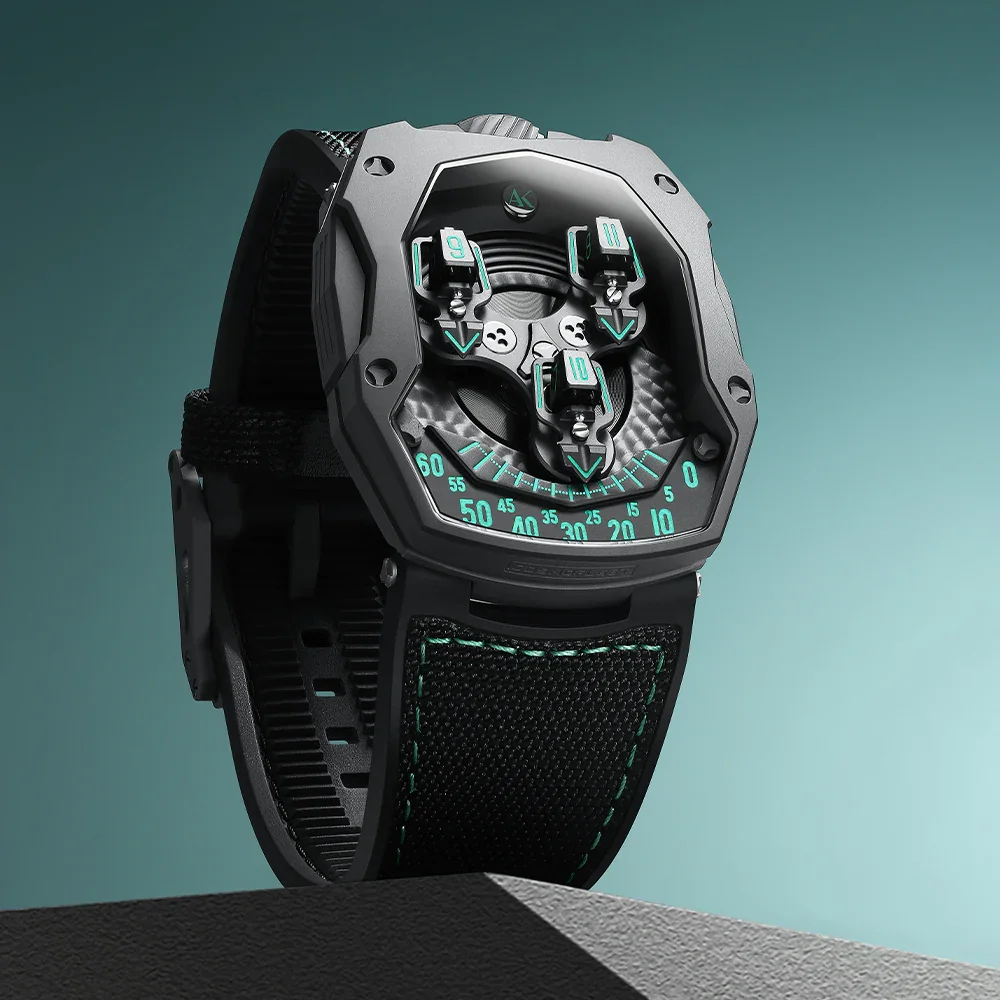
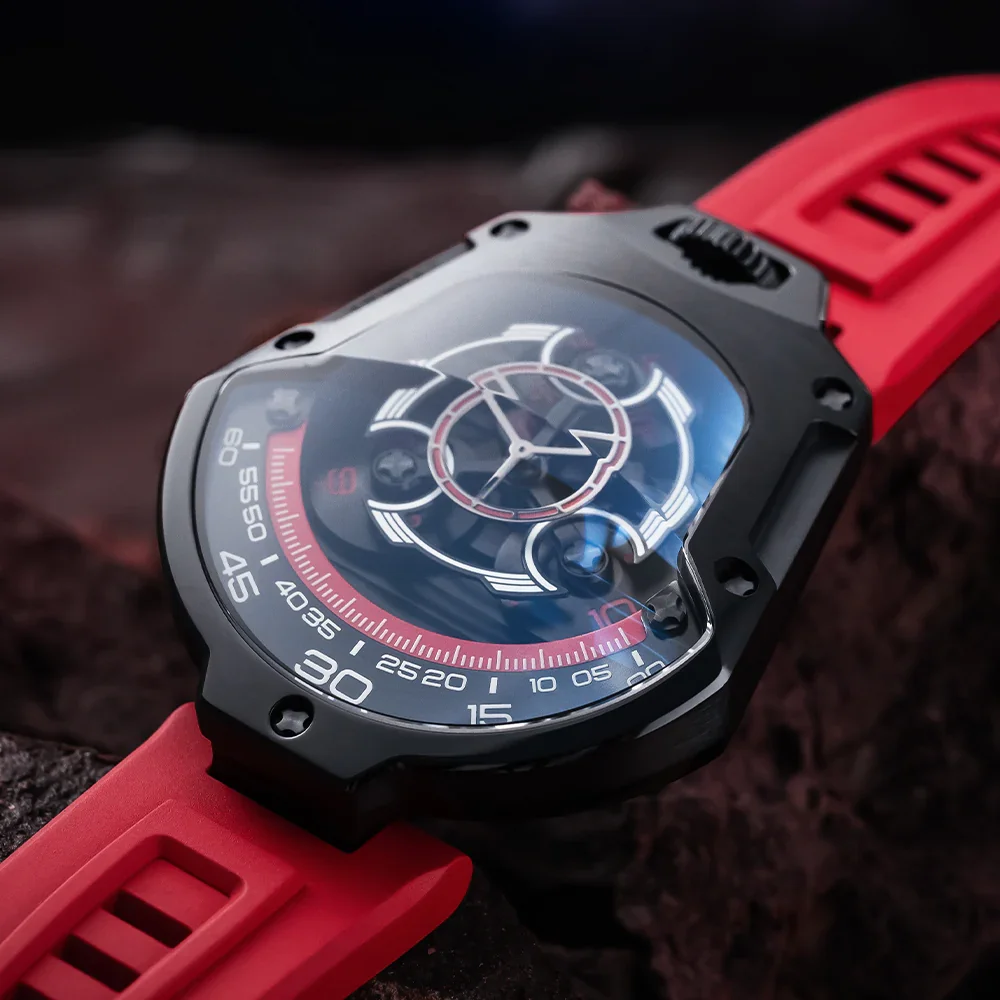
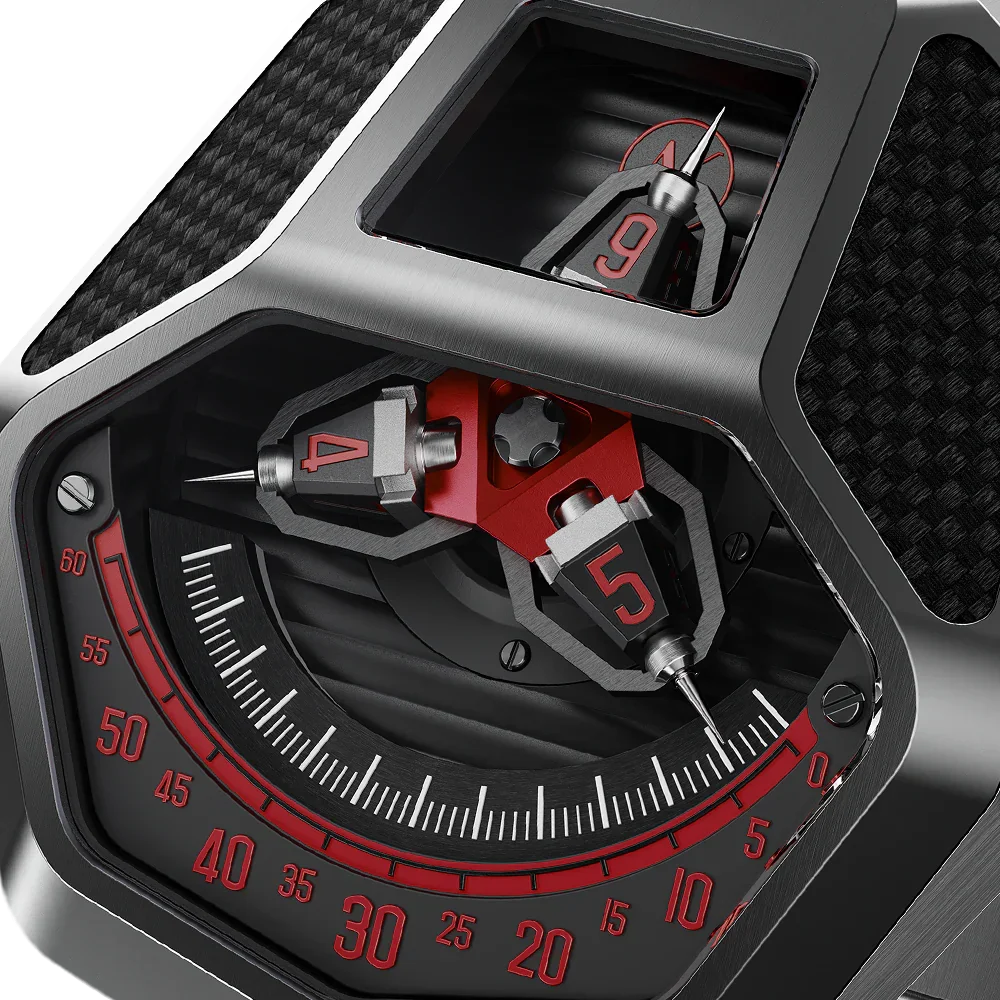
A growing number of independent brands are abandoning traditional watchmaking conventions entirely, replacing familiar hands and markers with satellite displays, wandering hours, orbital complications and cases that look as though they've been lifted directly from a science fiction film.
Leading that charge are brands like Atowak and SpaceOne.
While vastly different in execution, both are asking the same question: what if the future of watchmaking doesn't look anything like its past?
The Space Watch Is No Longer A Niche
Not long ago, futuristic watches were largely confined to the ultra luxury world. If you wanted something resembling a spacecraft on your wrist, you were looking at brands such as Urwerk, MB&F or De Bethune, often with price tags stretching well into five figures.
Today, that's changing.
Brands like SpaceOne have built an entire identity around delivering avant garde design at relatively attainable prices. Meanwhile, Atowak has developed a catalogue of wandering hour watches that offer mechanical theatre and unconventional displays without requiring a second mortgage.
Together, they're helping create a new category of enthusiast watch: the affordable space age mechanical.
And judging by the growing number of brands entering this territory, consumer demand appears stronger than ever.
Atowak Vs SpaceOne
Although they're often mentioned in the same breath, the two brands take very different approaches.
SpaceOne feels like a miniature spacecraft. Its designs are highly architectural, almost industrial, with displays that prioritise futuristic aesthetics above all else.
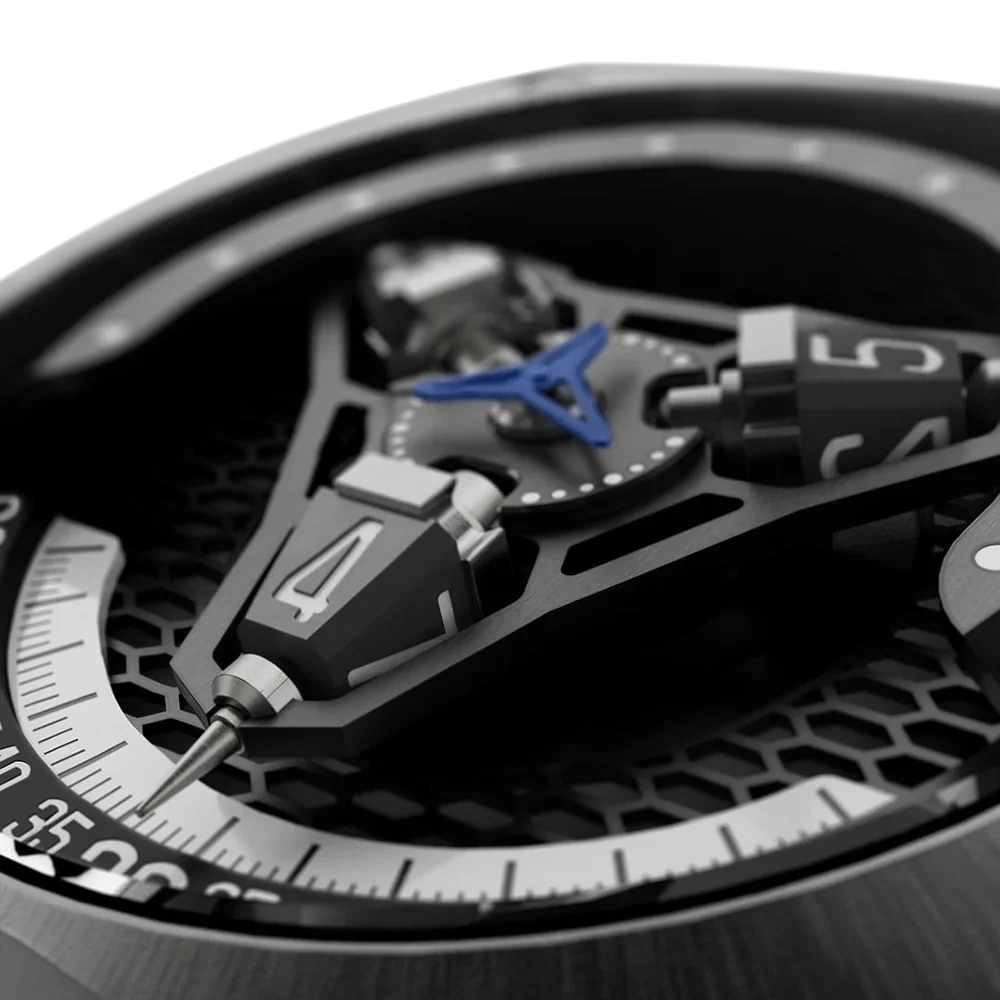
Atowak, meanwhile, blends science fiction with traditional mechanical watchmaking. Beneath the unconventional displays you'll often find proven Swiss or Japanese based movements paired with proprietary modules that create the visual drama.
That distinction matters.
While SpaceOne pushes boundaries through design, Atowak focuses equally on the engineering behind the display. The result is a collection that feels slightly more mechanical and slightly less conceptual.
For enthusiasts who enjoy seeing complications in action, that can be a significant advantage.
What Do Owners Actually Think?
Consumer sentiment around Atowak is surprisingly positive, particularly considering the brand's relatively young age.
Across enthusiast communities, owners consistently praise the finishing, originality and overall build quality. Several collectors note that Atowak watches feel considerably more substantial than many competing microbrands, with the unique complications often exceeding expectations in person. Enthusiasts on watch forums frequently highlight the quality of the cases, sapphire crystals and wandering hour mechanisms, with some owners directly comparing the experience favourably against more expensive alternatives.
Exclusivity also appears to be part of the appeal.
Unlike mass market manufacturers producing tens of thousands of units annually, Atowak's production remains relatively limited, helping preserve a sense of rarity. The brand's watches are not something you're likely to encounter regularly, even among seasoned collectors. Limited production runs further enhance that exclusivity.
In many ways, Atowak occupies an interesting middle ground between enthusiast microbrand and independent haute horology.
The Standout Piece: Atowak Manta X Violet Purple
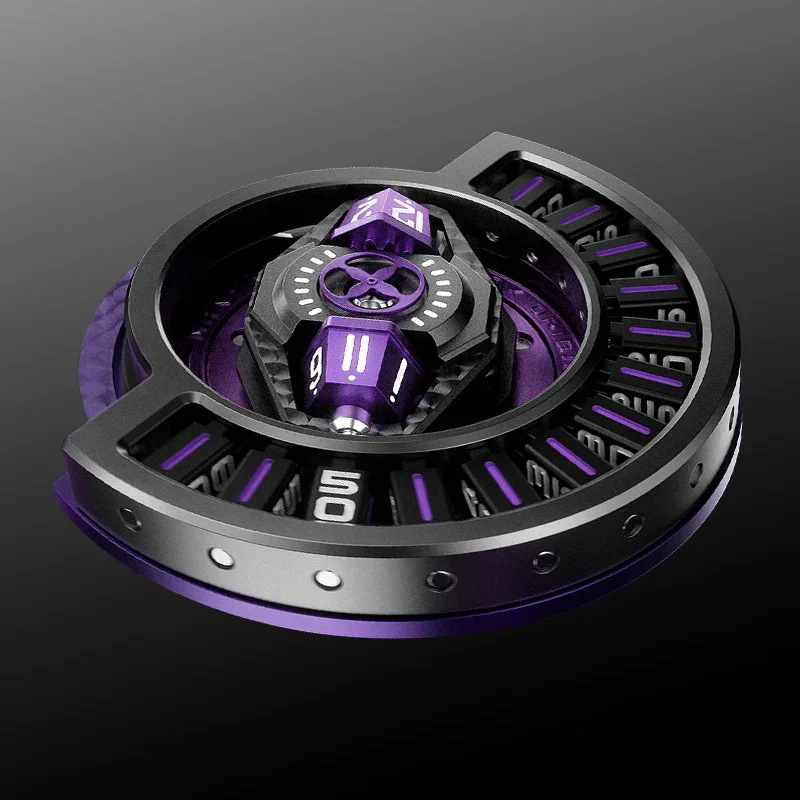
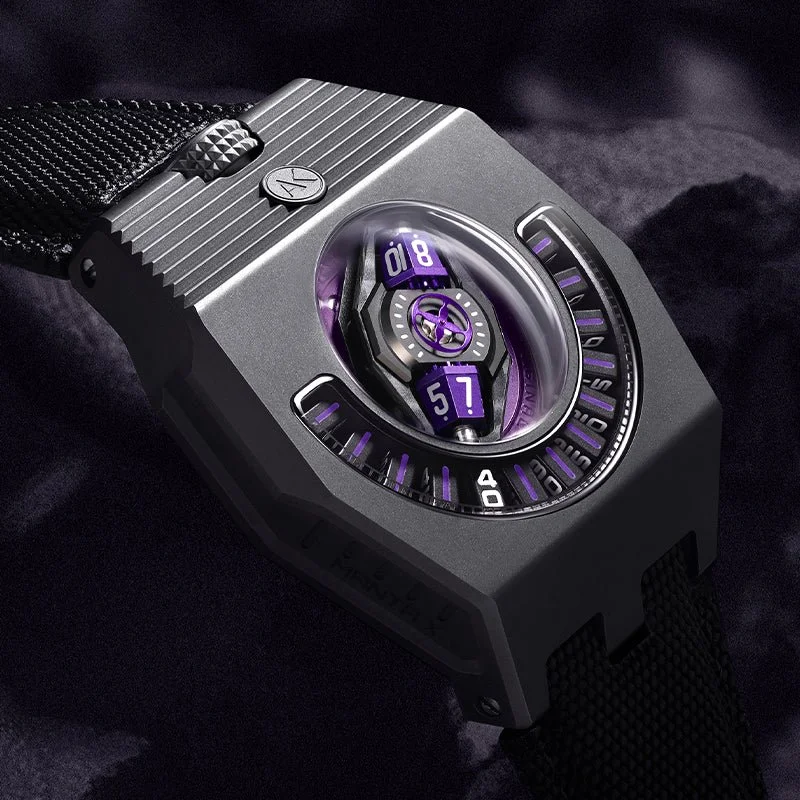
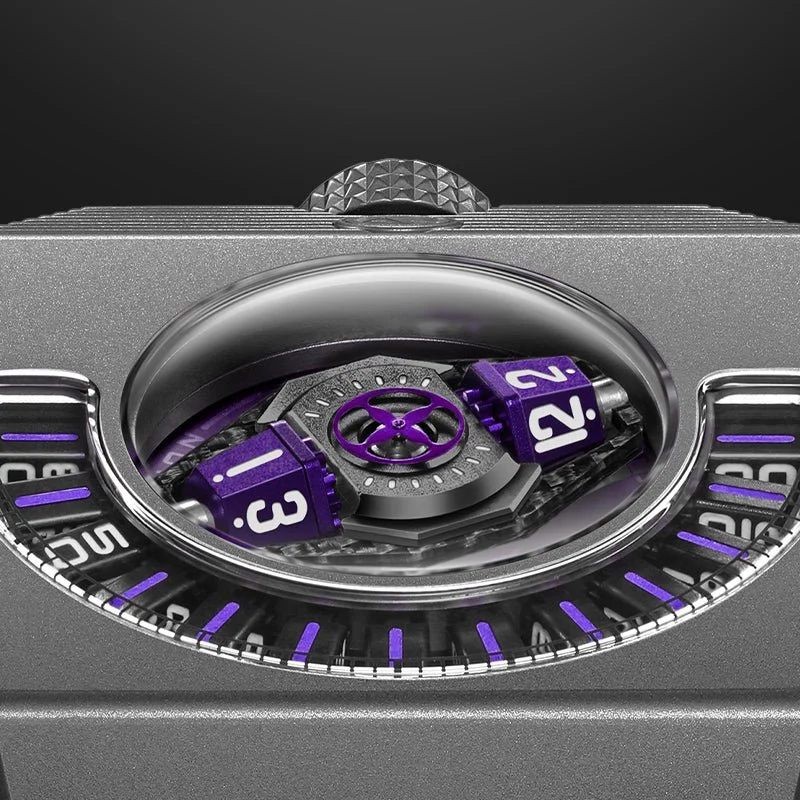
If one watch best represents the brand's ambitions, it's undoubtedly the Manta X Violet Purple.
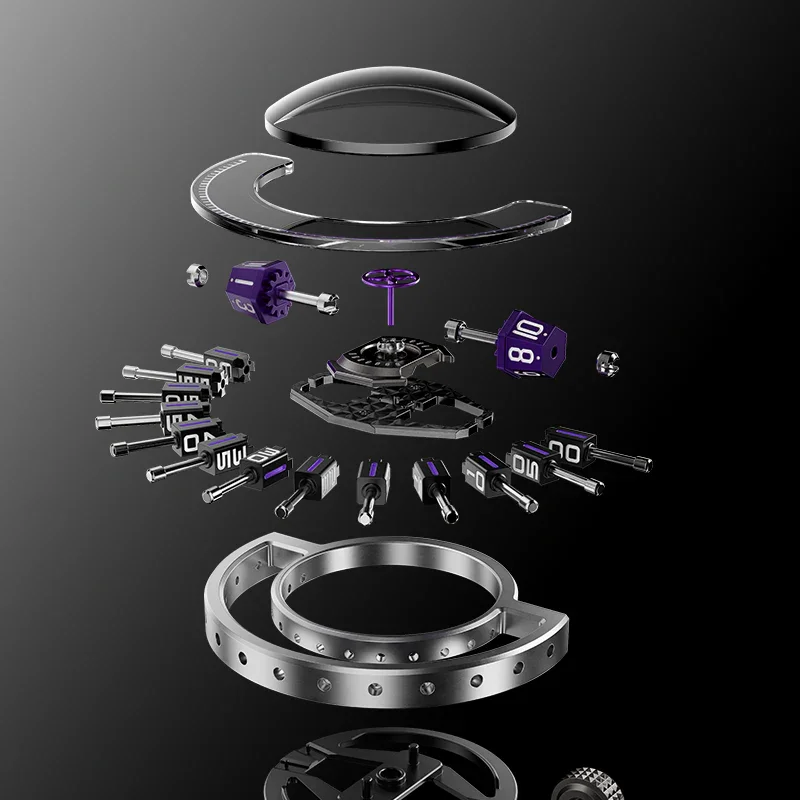
Inspired by the movement and form of a manta ray, the watch combines a sculpted Grade 5 titanium case with a proprietary wandering hour display unlike anything else currently available at the price point. The centrepiece is Atowak's 180 degree Hexa Prism 3D wandering hour system, a mechanism developed around a modified Sellita SW200 movement and designed to create a dynamic, constantly changing display of time.
The specifications are equally impressive.
Owners get a lightweight Grade 5 titanium case, dual sapphire crystals, Swiss Super LumiNova, a modified Swiss Sellita movement and a remarkably complex display system containing more than fifty components within the proprietary module. Despite its futuristic appearance, the watch remains mechanically grounded and serviceable thanks to its Sellita foundation.
Visually, the Violet Purple edition is perhaps the most striking of the collection. The deep purple tones, combined with the organic architecture of the case and the rotating prism display, make it feel less like a conventional wristwatch and more like a wearable piece of industrial art.
Why This Trend Is Growing
The rise of brands like Atowak and SpaceOne reflects a broader shift within watch collecting.
Many enthusiasts already own the traditional pieces. They've bought the dive watch. They've owned the chronograph. They've experienced the integrated bracelet sports watch.
What they're searching for now is something genuinely different.
The futuristic space watch offers exactly that. It provides mechanical intrigue, visual originality and a conversation starter that stands apart from the increasingly crowded world of heritage inspired designs.
Winding Things Up
Is the futuristic space watch having a moment?
Absolutely.
With brands like SpaceOne proving there is strong demand for radical design and Atowak demonstrating that innovative complications can be delivered at accessible prices, the category is enjoying a surge in popularity.
Of the two, Atowak arguably strikes the more compelling balance. It delivers the visual drama enthusiasts crave while retaining the mechanical substance that serious collectors appreciate.
And if the Manta X Violet Purple is anything to go by, the future of watchmaking might be a lot more interesting than simply recreating the past.
