
Rolex Is No Longer Omega’s Rival. Tudor Is!
There was a time when the great Swiss watch rivalry was almost too obvious to ignore: Rolex versus Omega. The Submariner against the Seamaster. The Speedmaster against the Daytona. Two enormous names, two different approaches, and two brands that broadly occupied the same luxury-watch conversation.
But I’m increasingly convinced that the rivalry has shifted. Rolex has moved up the mountain, Omega hasn’t quite followed, and Tudor has quietly stepped into the gap.
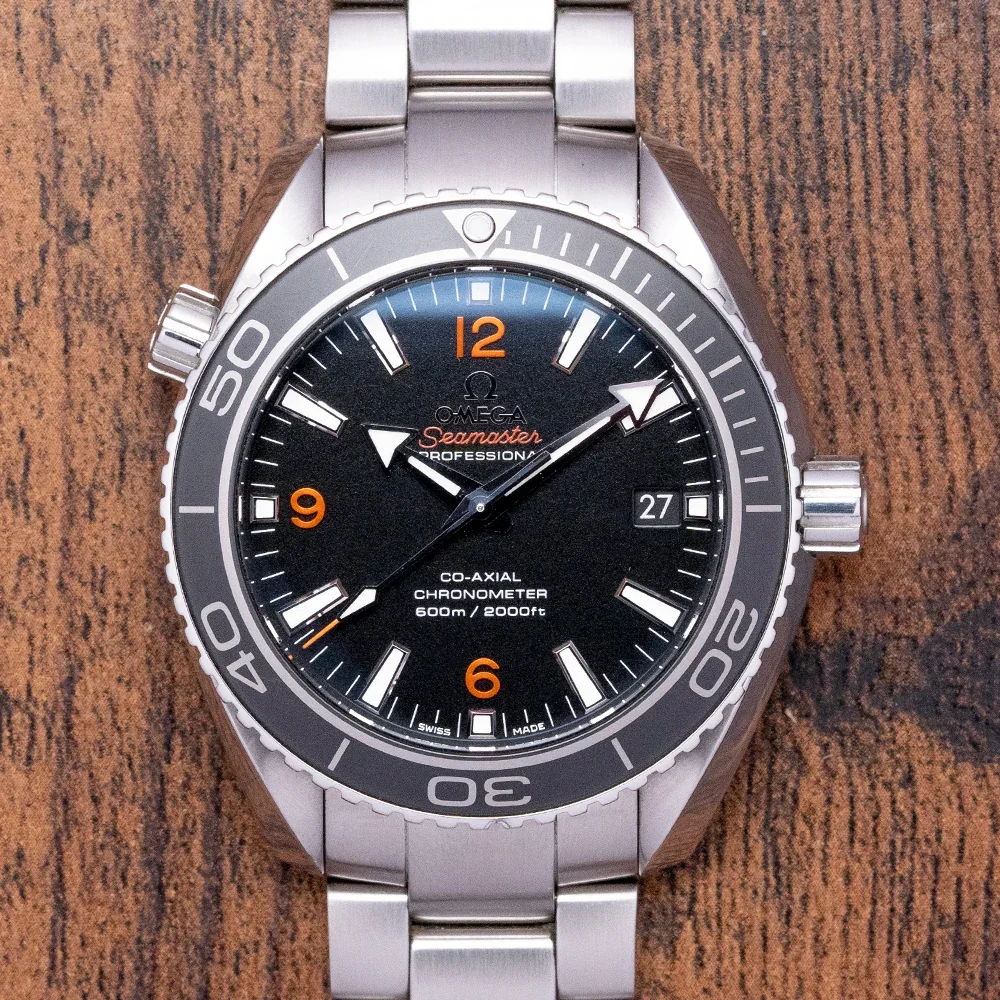
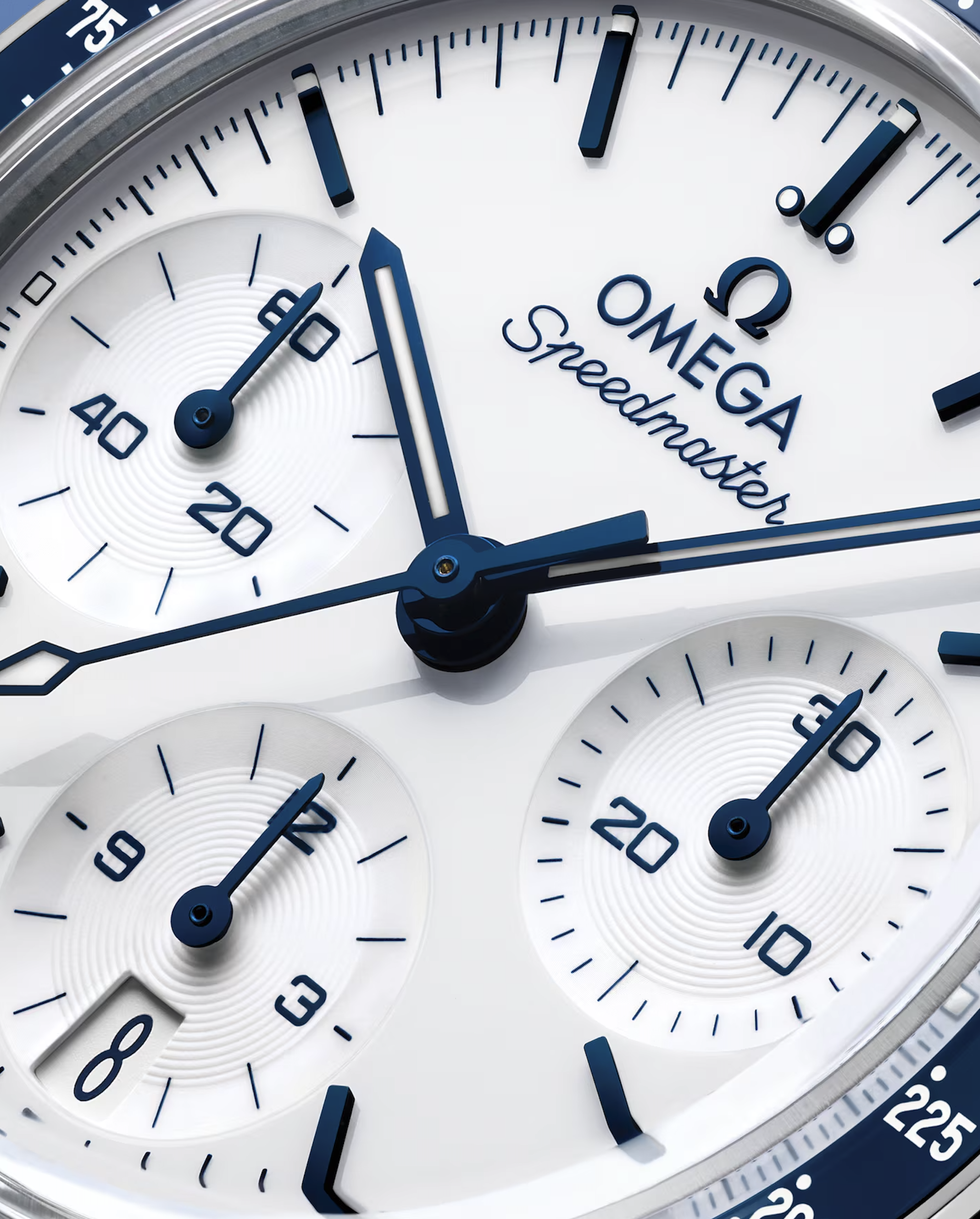
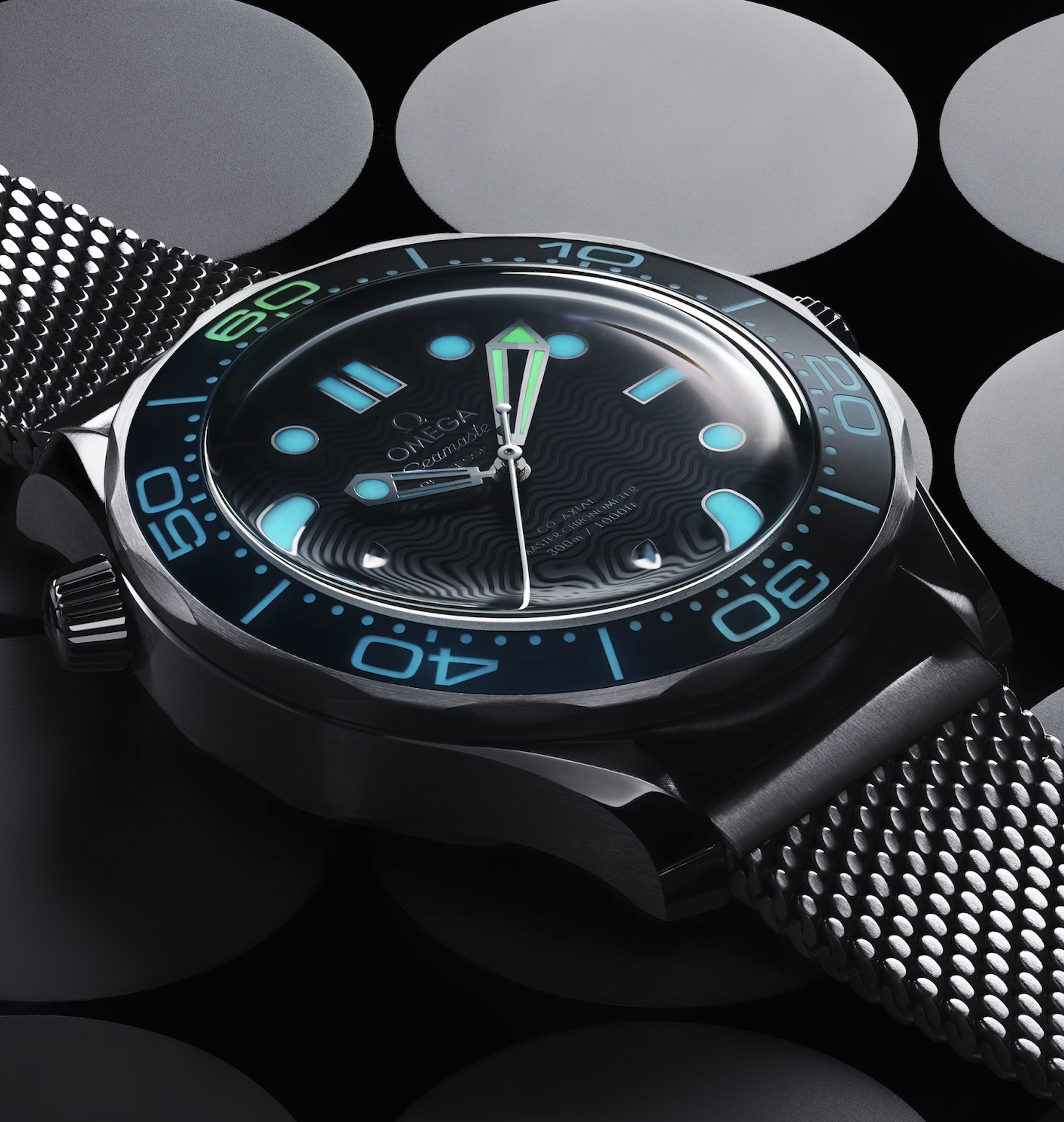
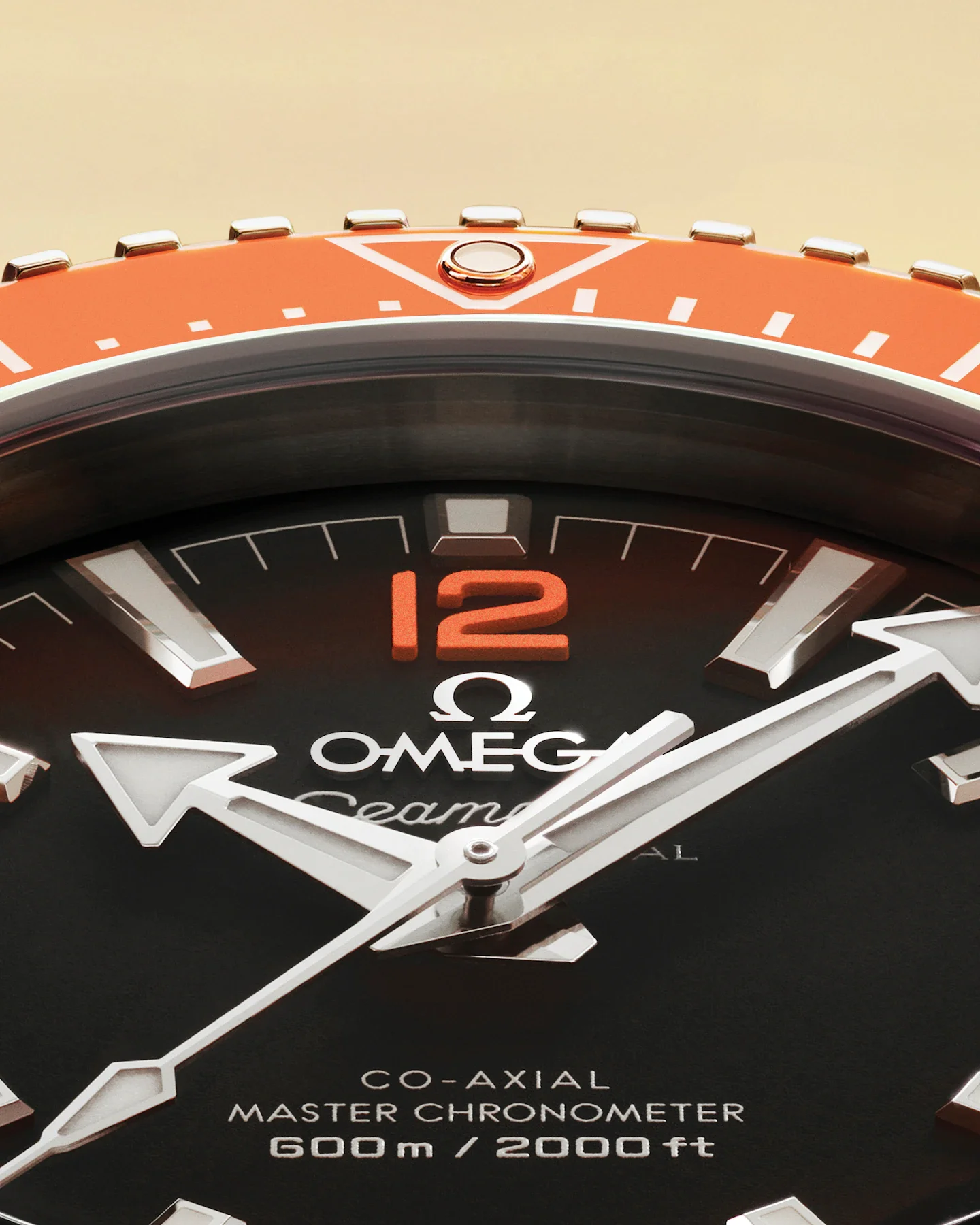
Rolex has spent years making itself feel more exclusive. Scarcity, carefully managed availability and an increasingly strong emphasis on precious metals have helped push the brand away from the traditional luxury-watch market and towards the territory occupied by Patek Philippe, Audemars Piguet and Vacheron Constantin. Rolex itself acknowledges that demand can outstrip production capacity, limiting availability of certain models.
The evolution is particularly obvious when you look at Rolex's modern positioning. Gold and platinum aren't simply reserved for a handful of special editions; precious metals have become an increasingly important part of the brand's identity. The Day-Date, for example, has always been exclusively precious metal, while Rolex continues to introduce new alloys and increasingly elaborate precious-metal configurations.
And that changes the comparison.
Omega has undoubtedly become more expensive. The problem is that, at times, it feels as though Omega has increased the price of admission without quite increasing the overall sense of occasion to match. The engineering remains excellent, Omega deserves enormous credit for Master Chronometer certification and its technically impressive movements, but the brand hasn't created the same level of scarcity, exclusivity or aspirational distance that Rolex has.
That leaves a rather interesting opening for Tudor.
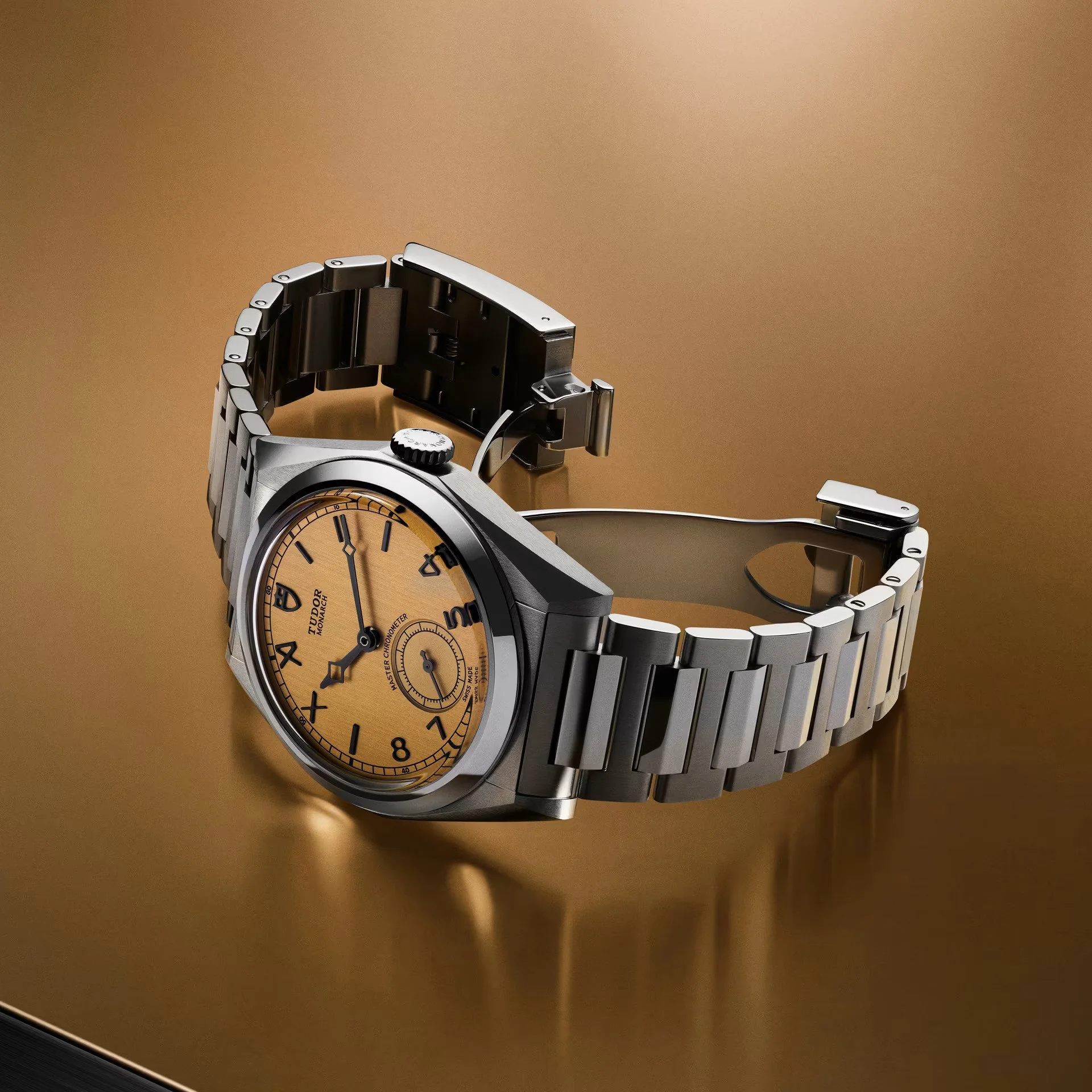
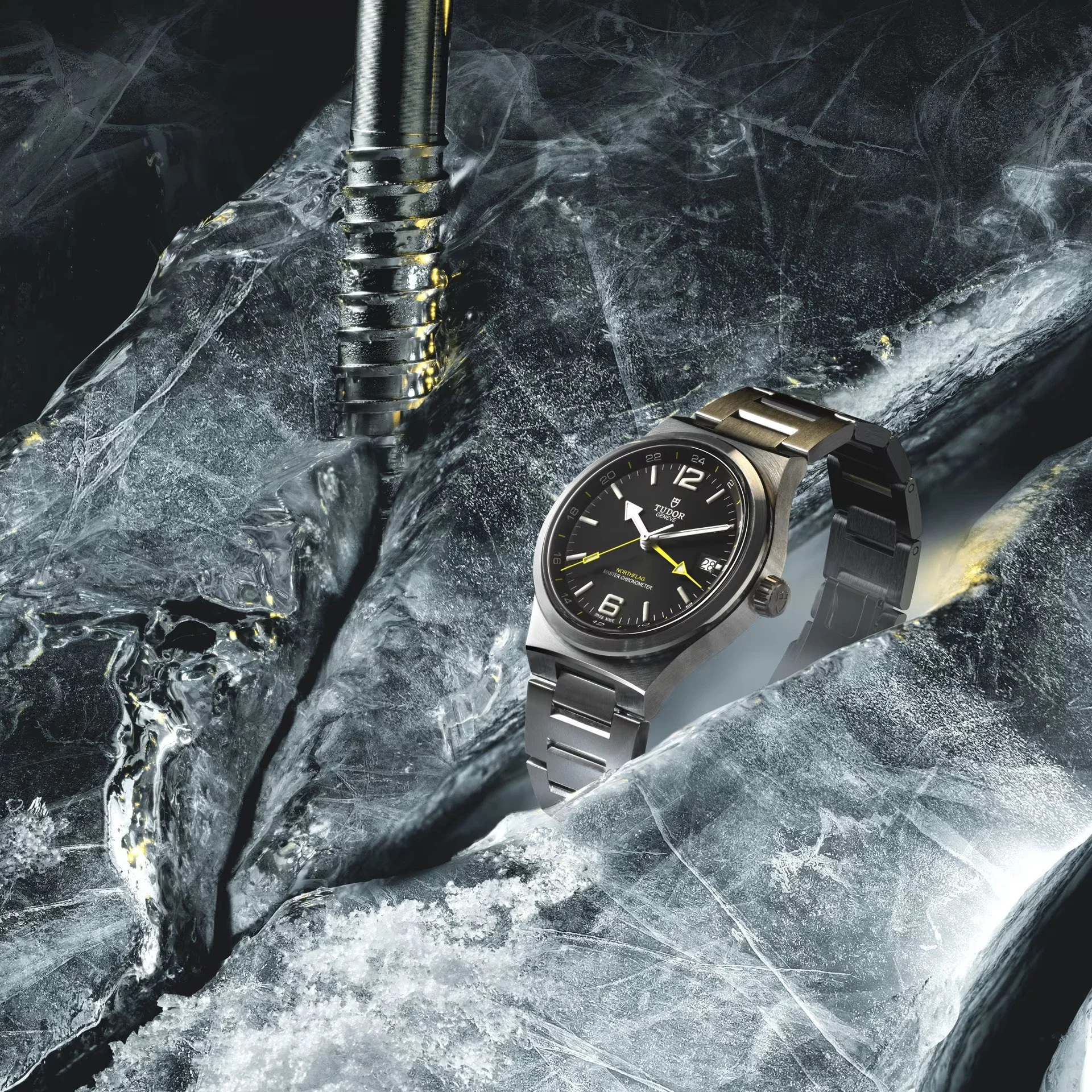
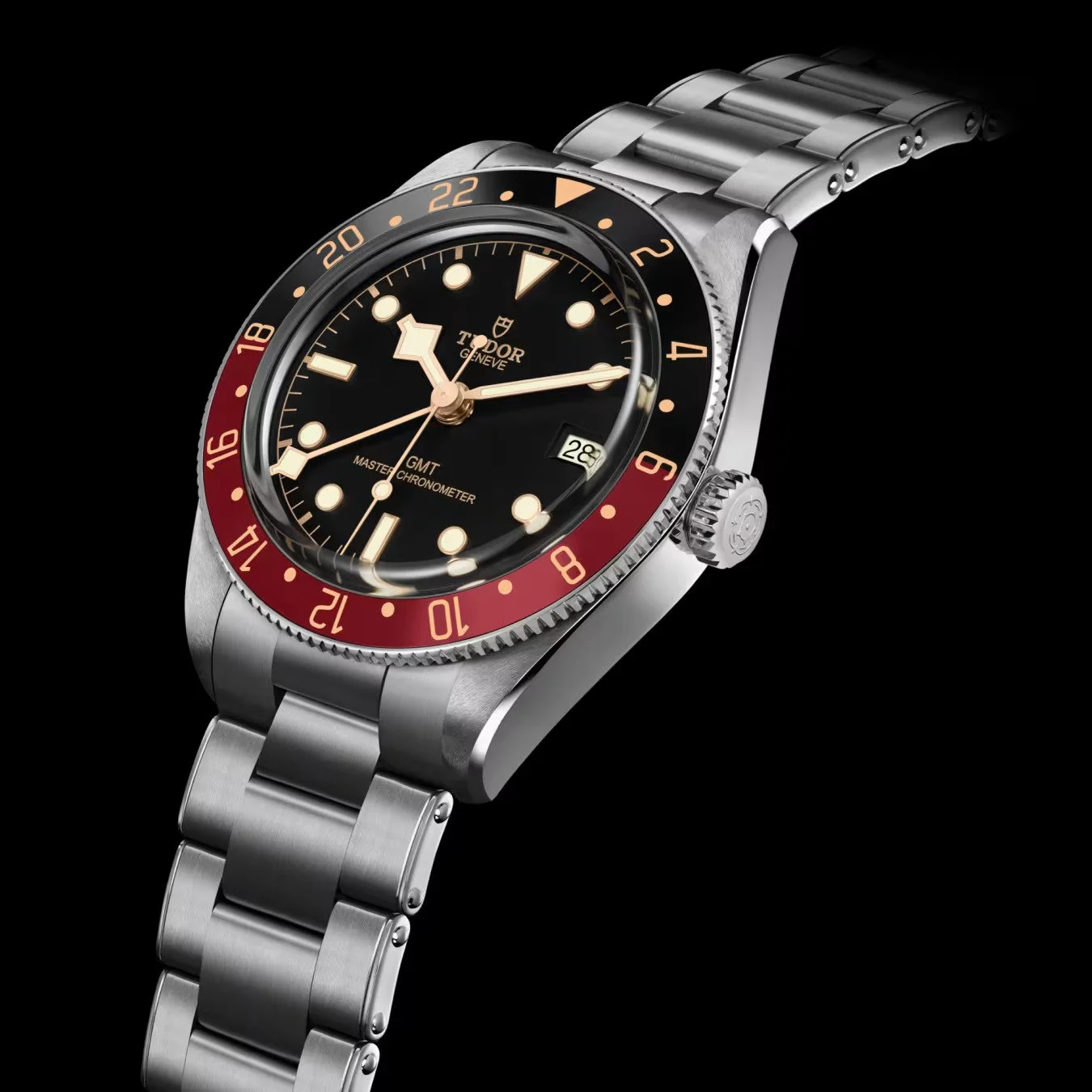
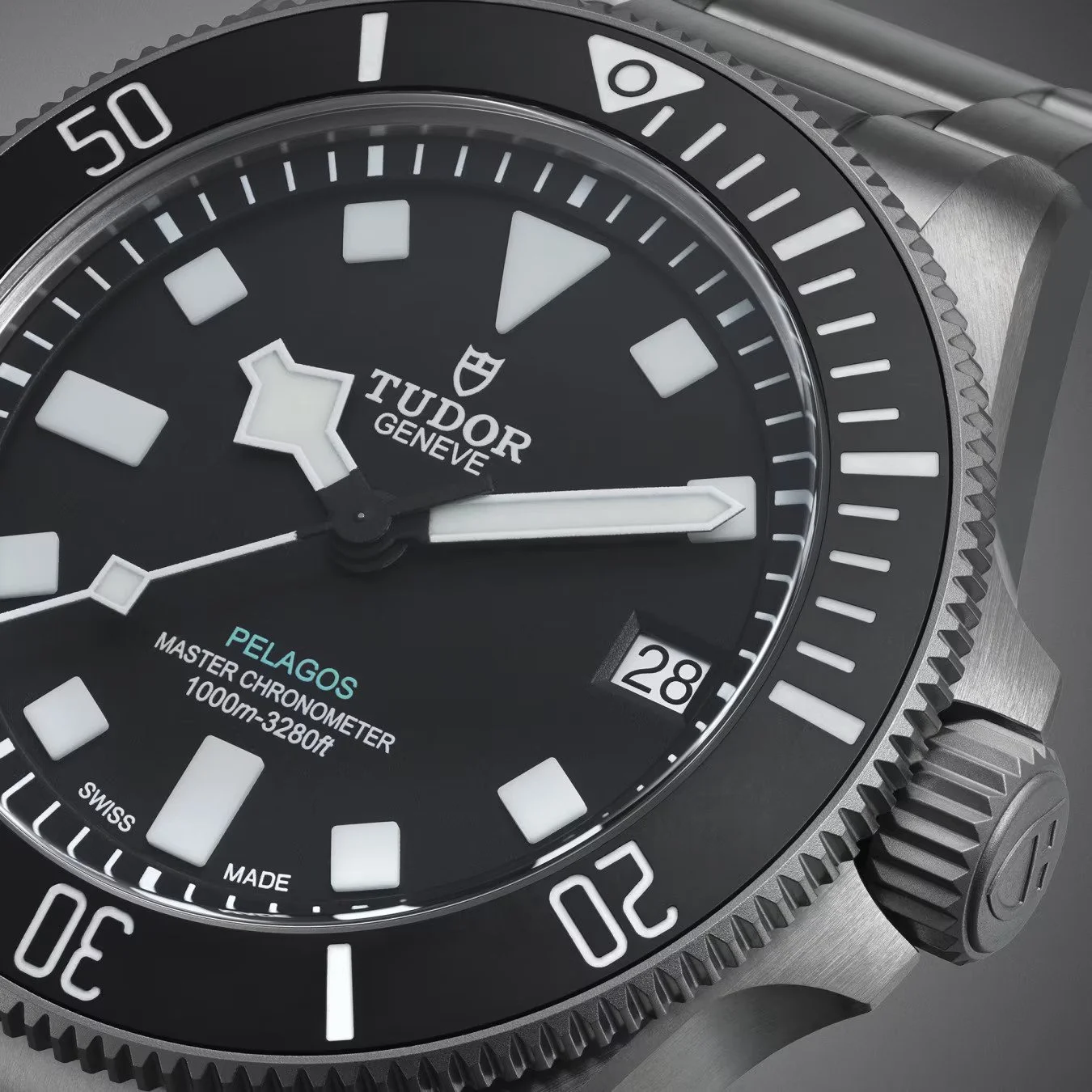
Tudor has been getting seriously good. The Black Bay has evolved dramatically, the Pelagos remains one of the most compelling professional dive watches around, and the brand is increasingly bringing serious technical credentials to watches that remain relatively attainable. The latest Black Bay models, for example, combine the manufacture movement, T-fit clasp and METAS Master Chronometer certification.
Then there's the Pelagos Ultra, with 1,000 metres of water resistance, a titanium case and Master Chronometer certification. That's not a brand simply coasting on the Rolex family name.
And this is where Tudor has become such an interesting proposition. For the money, it is arguably one of the best-value Swiss watch brands available today. You're getting genuine manufacture movements, serious water resistance, excellent finishing, strong bracelets and increasingly sophisticated technology without paying the enormous premium attached to the Rolex crown.
Suddenly, the comparison with Omega makes far more sense.
Tudor and Omega are competing for the enthusiast who wants a serious Swiss mechanical watch, genuine heritage and excellent engineering without necessarily wanting to spend Rolex money. Rolex, meanwhile, is increasingly selling something different: scarcity, status, precious metals, exclusivity and access.
Credit - Omega and Tudor
Winding Things Up
The irony is that Rolex may actually have created its own new rival.
By elevating itself beyond the traditional luxury-sports-watch market, Rolex has left a space underneath it. Omega has occupied that space for years, but Tudor is now charging hard from behind.
Omega still makes exceptional watches. But Tudor has become difficult to ignore, particularly when you consider what you're getting for the money.
The old question was whether you should buy a Rolex or an Omega.
Today, perhaps the more interesting question is…Omega or Tudor.
