
Watches to Buy for an 18th, 21st, 30th or 40th Birthday
A guide to buying him a watch that actually means something
Buying a watch for a milestone birthday sounds easy.
It isn't.
You start with the perfectly reasonable idea of buying him a nice watch. Twenty minutes later you're reading about ceramic bezels, power reserves, solar movements and whether 38mm is somehow more sophisticated than 42mm.
Welcome to watches.
The good news is that you don't need to become a watch expert to buy a great one.
For a milestone birthday, I think the most important question is much simpler:
Will he still want to wear it years after I've given it to him?
That's where watches make particularly good presents.
Phones get replaced. Clothes wear out. Technology becomes obsolete. A good watch can be sitting on the same wrist decades later, carrying the scratches, memories and stories accumulated along the way.
So rather than simply recommending increasingly expensive watches as the birthdays get bigger, I've chosen four that make sense at that particular stage of life.
An easy-to-own Swiss watch at 18.
A proper automatic at 21.
A serious luxury watch at 30.
And at 40, something genuinely iconic.
Here's what we’d suggest, and why.
The best watch for an 18th birthday: TAG Heuer Formula 1 Solargraph
At 18, I'd want something that feels genuinely significant without forgetting who I'm actually buying it for.
An 18-year-old probably doesn't need a mechanical watch demanding regular attention.
He needs something he can wear.
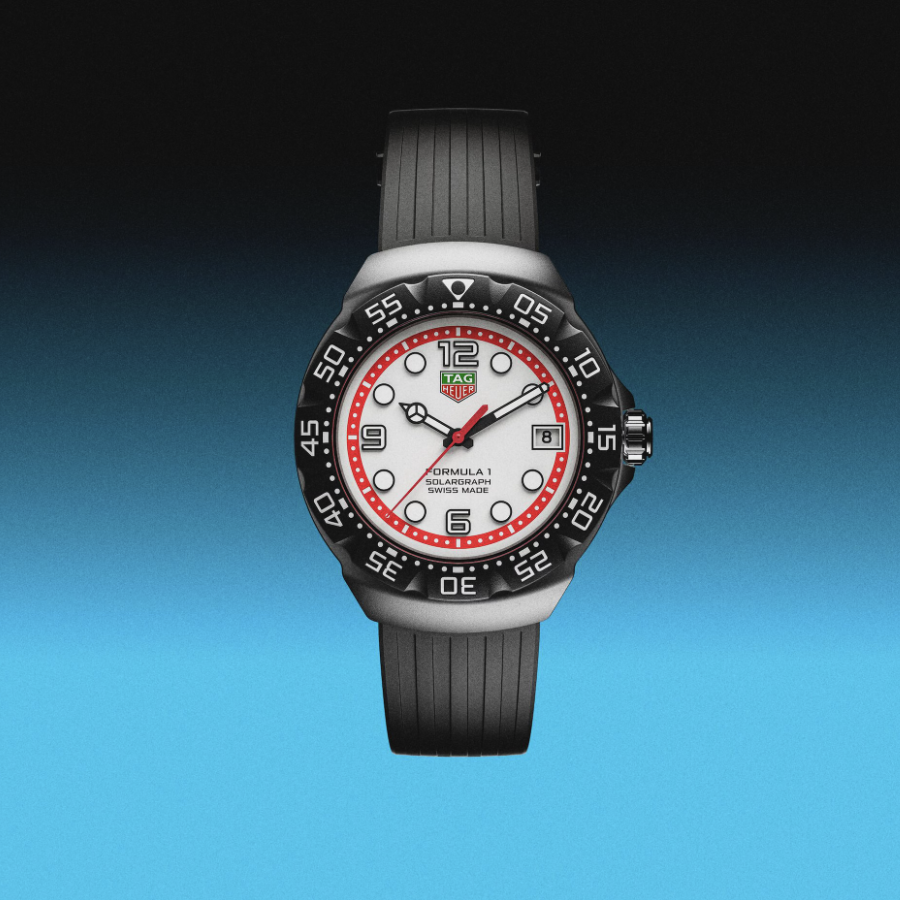
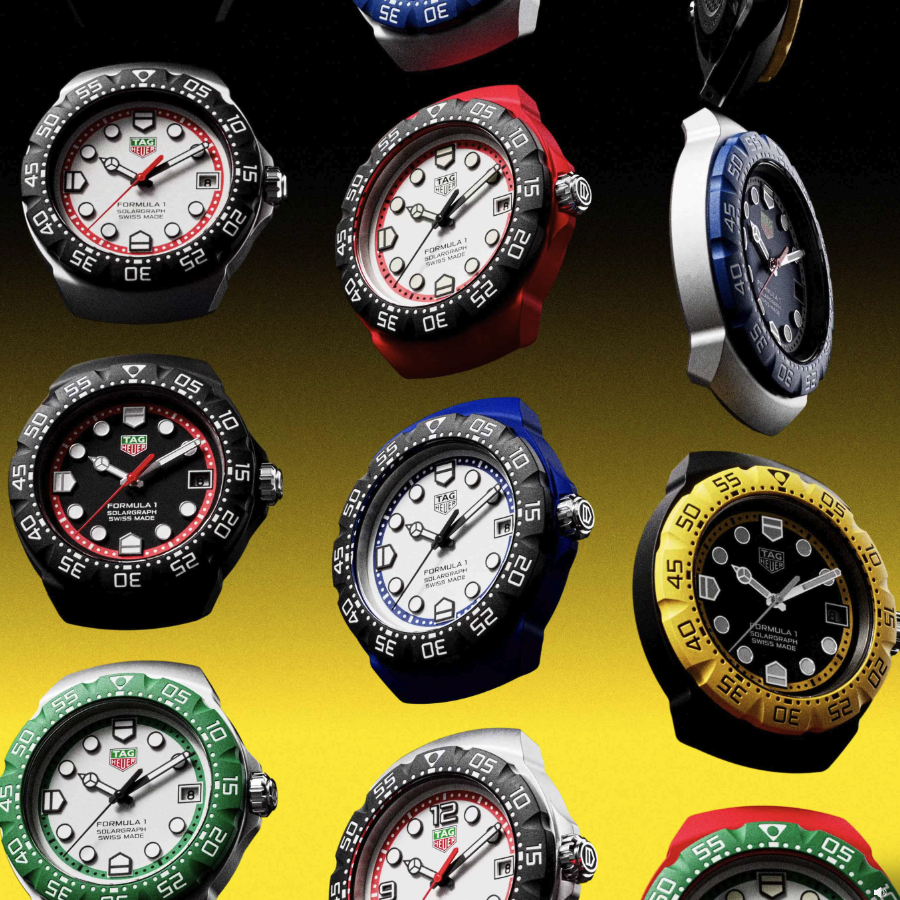
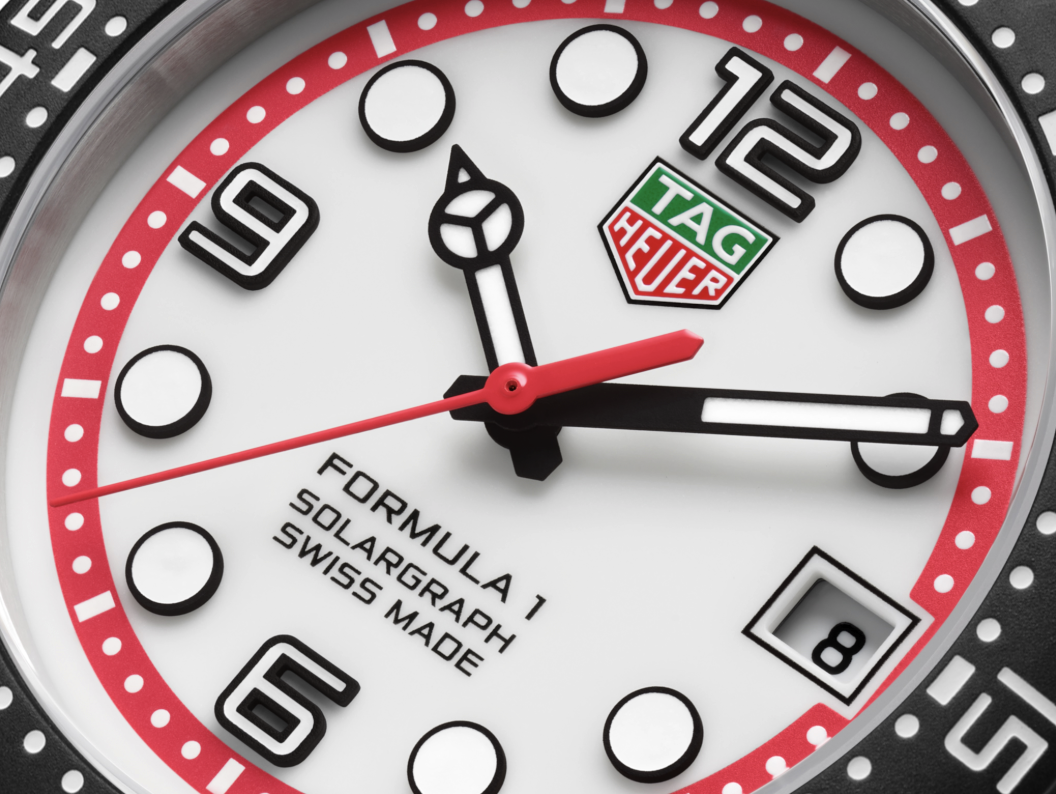
My choice would be the TAG Heuer Formula 1 Solargraph 38mm, specifically the white and red limited-edition model, reference WBY111A.FT8106.
And unusually for someone recommending a good watch, one of the main reasons I'd choose it is because it isn't mechanical.
Why quartz might actually be better at 18
Watch enthusiasts have a tendency to treat mechanical movements as automatically superior to quartz.
They're certainly more romantic.
Inside a mechanical watch is a miniature collection of springs, gears and wheels working together without a conventional battery. It's one of the reasons many of us become interested in watches in the first place.
But there is a downside.
Leave an automatic or manually wound mechanical watch unworn for long enough and eventually its power reserve runs out.
The watch stops.
When you next pick it up, you'll need to restart it and reset the time — and potentially the date.
For someone who wears watches every day, that's hardly an issue.
But think about an 18-year-old.
He might wear his watch for a family meal on Saturday, leave it on his desk for ten days, wear an Apple Watch for football training and then suddenly remember the proper watch because he's going somewhere nice.
That's where the Formula 1 Solargraph makes enormous sense.
It's quartz — but clever quartz
The Solargraph uses TAG Heuer's TH50-00 Solar Quartz movement.
Rather than relying solely on a conventional disposable battery, the watch converts natural and artificial light into electrical energy.
TAG Heuer says just one minute of light exposure can provide enough energy for an entire day, while a full charge offers up to ten months of autonomy in darkness.
For an 18-year-old, that's almost perfect.
Put it on.
Wear it.
Take it off.
Forget about it.
Find it again.
It should still know what time it is.
That's probably more useful at 18 than being able to explain a Swiss lever escapement to his friends.
Why the Formula 1 works as a first luxury watch
There's another reason I'd choose this over a cheaper quartz watch.
It's a TAG Heuer.
An 18th birthday is one of those occasions where the name on the dial can matter.
Not because we're trying to impress everyone else, but because you want the present to feel important when he opens the box.
TAG Heuer also has genuine connections with motorsport and timing, while the Formula 1 collection has always occupied the younger, sportier end of the brand.
This particular version suits that perfectly.
The white dial, red detailing and black rubber strap give it personality without making it look childish.
And at 38mm, it's a very sensible size.
That's important.
Buying an enormous watch because oversized watches happen to be fashionable isn't necessarily a great idea when you're hoping the recipient will still wear it in 20 years.
The TAG is also water resistant to 100 metres, making it a proper everyday sports watch rather than something that needs to stay in its box whenever life gets remotely wet.
The best watch for a 21st birthday: Longines HydroConquest
At 21, I'd move things up.
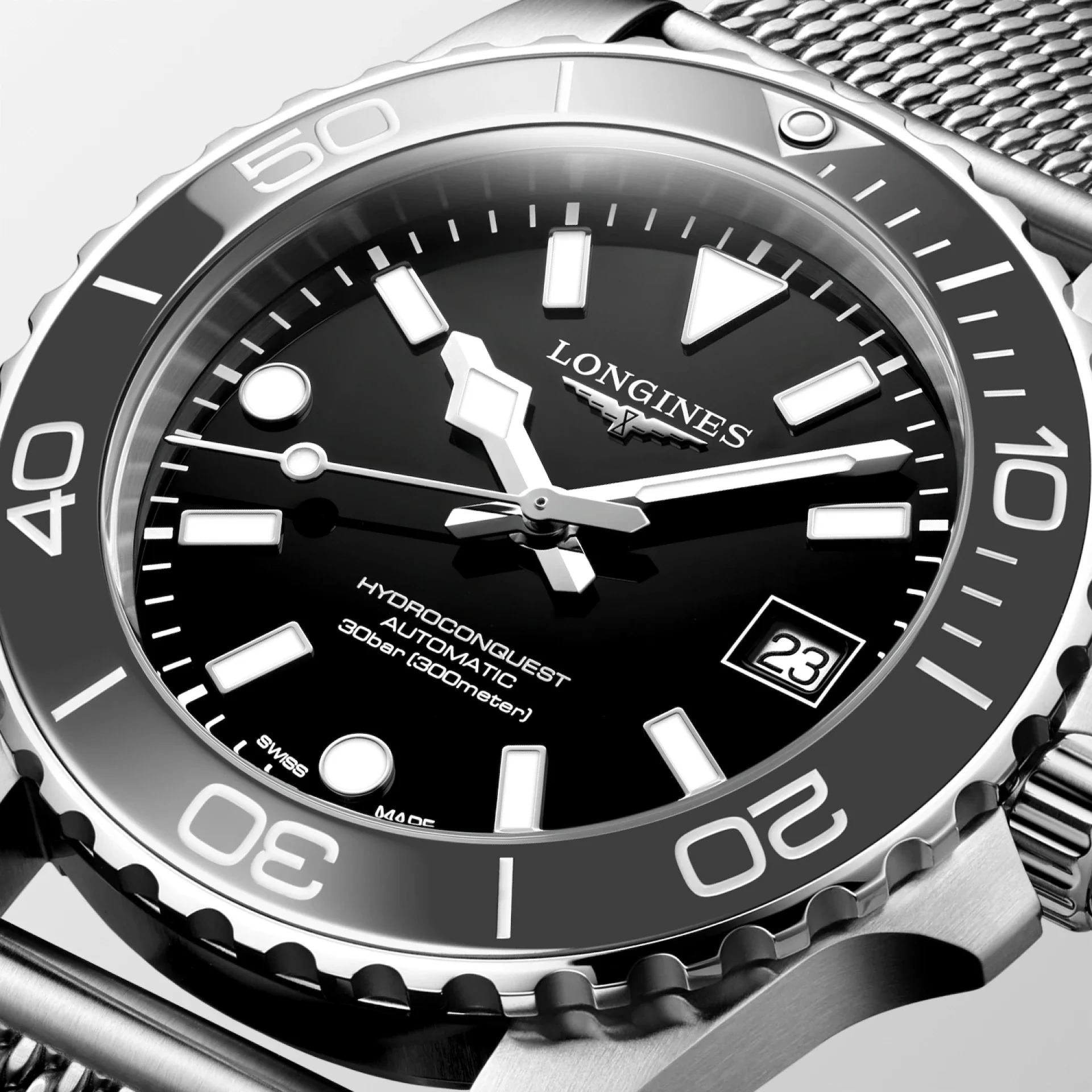
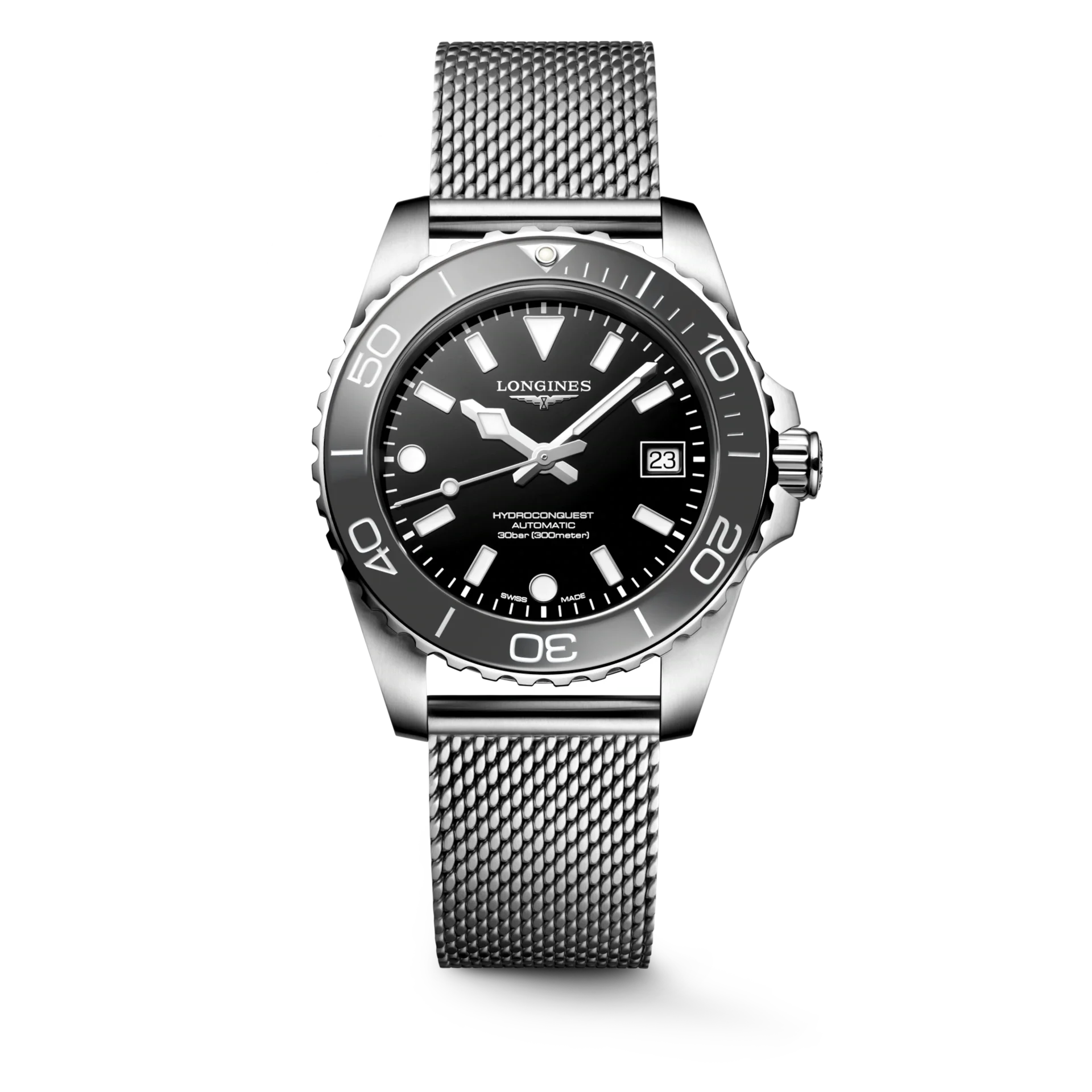
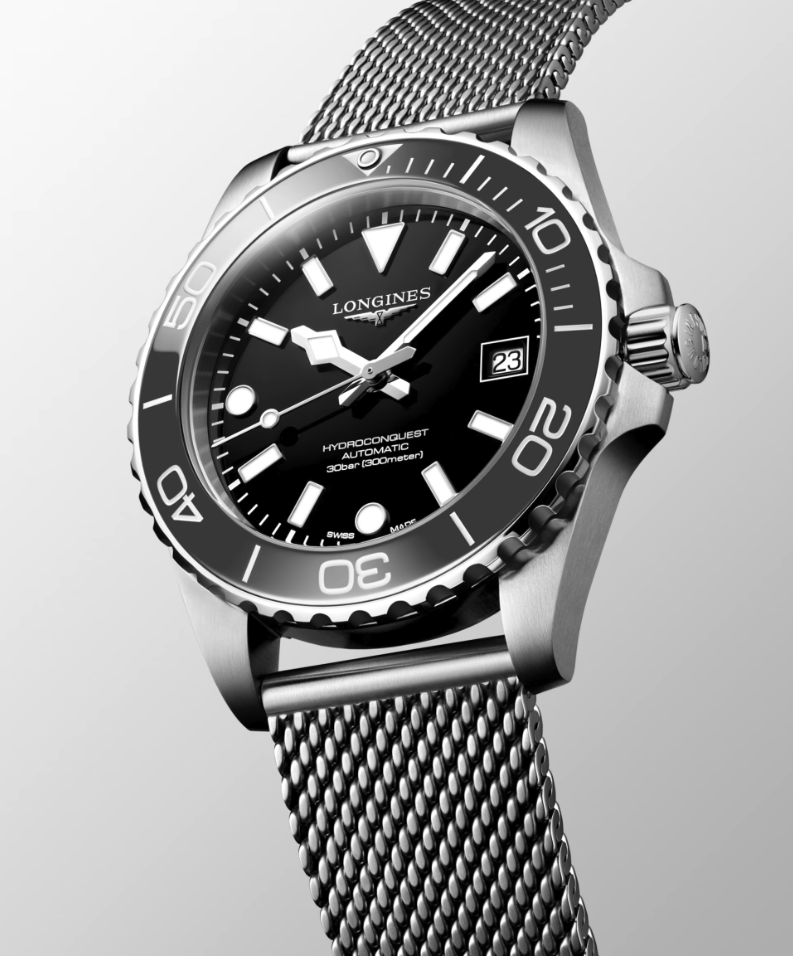
My choice would be the Longines HydroConquest, specifically reference L3.779.4.70.6.
This is where I'd introduce him to a proper Swiss automatic watch.
And that makes the progression from the TAG particularly nice.
At 18, simplicity.
At 21, mechanics.
Why the HydroConquest?
Because a 21st-birthday watch needs to survive being owned by a 21-year-old.
University.
First jobs.
Holidays.
Swimming pools.
Weekends away.
Pubs.
Festivals.
And potentially a number of decisions that will seem significantly less sensible the following morning.
You don't want to give him something he's frightened to wear.
The HydroConquest is fundamentally a luxury dive watch, and that means it's designed to be robust.
You absolutely don't need to be a diver to own one.
In fact, I'd suggest most luxury dive watches spend considerably more time near a pint of lager than an oxygen tank.
What you're really buying is the practicality that comes from a watch designed for water.
This is where automatic watches begin to make sense
Unlike the Solargraph at 18, the HydroConquest uses a mechanical automatic movement.
There's no conventional battery driving the watch.
Movement of the wrist winds the mechanism and stores energy in the mainspring.
Now he owns something mechanical.
Something with hundreds of years of watchmaking principles sitting inside it.
Does that make it objectively better at telling the time than the Solargraph?
No.
The quartz TAG will almost certainly win that argument.
But watches stop being entirely rational purchases somewhere around this point.
And that's fine.
Why Longines?
Longines isn't simply a fashionable name printed on a dial.
The company was founded in Saint-Imier, Switzerland, in 1832, giving it genuine historical significance within Swiss watchmaking.
That matters when you're buying a milestone present.
You're giving him something from a manufacturer that has existed for almost two centuries.
And the HydroConquest itself gives you plenty of substance.
It's sporty enough for everyday life, smart enough for dinner and robust enough that he doesn't need to remove it every time somebody mentions water.
The grey colourway is particularly good.
Black would be the obvious choice.
Blue would probably be the popular choice.
Grey is just a little more interesting while remaining extremely easy to wear.
The best watch for a 30th birthday: Tudor Black Bay
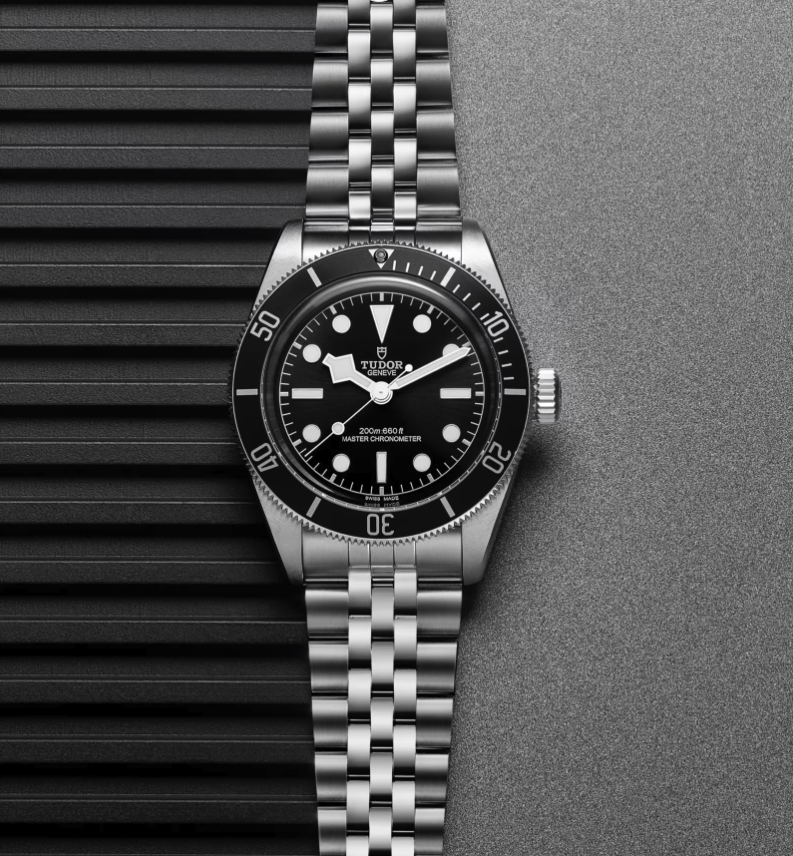
Thirty is where I'd start taking the watch itself rather seriously.
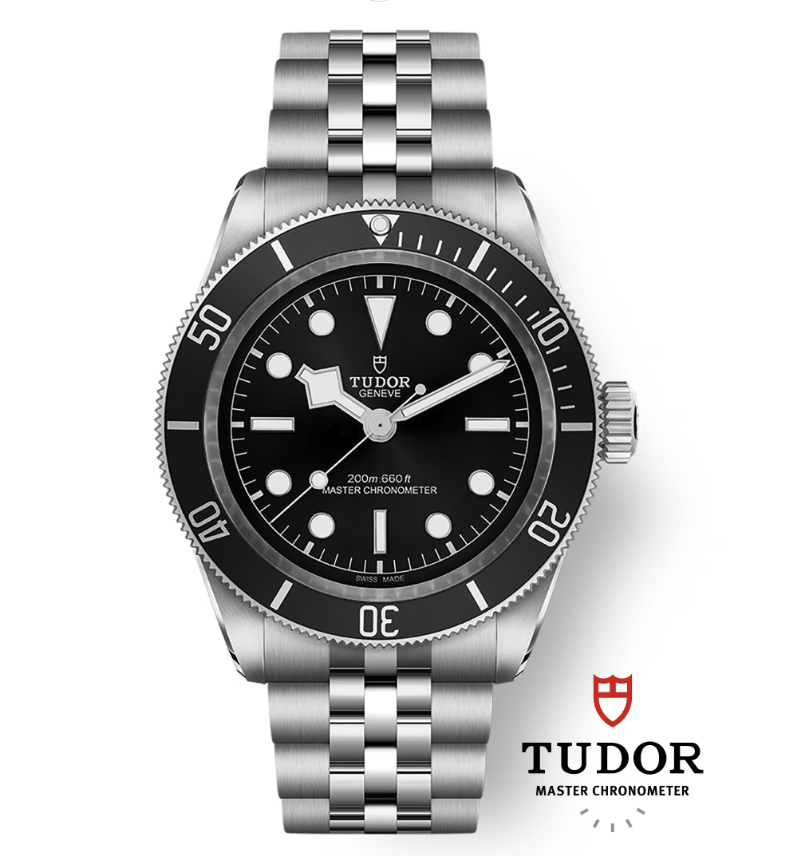
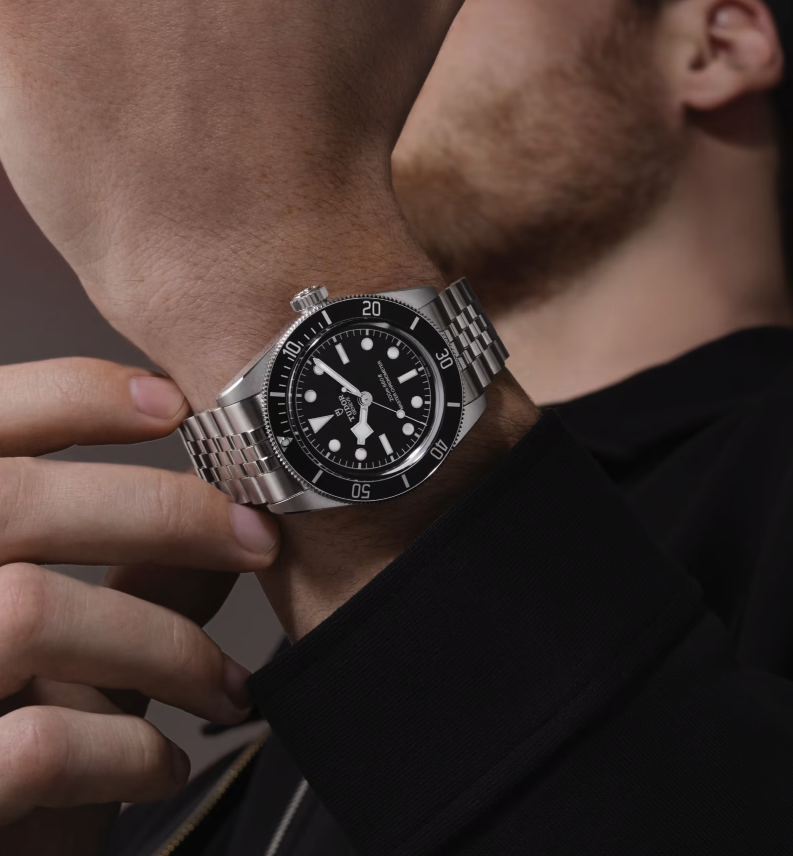
My choice would be the Tudor Black Bay, reference M7941A1A0NU-0003.
And this is where things get interesting.
Tudor has historically been closely connected with Rolex. Both brands were created under the direction of Hans Wilsdorf, and that relationship inevitably still influences how people perceive Tudor today.
But modern Tudor has developed a very strong identity of its own.
And the Black Bay is arguably the watch that did more than anything else to establish it.
Why it makes sense at 30
By 30, most of us have a better idea of what we actually like.
The experimentation of our twenties begins to settle down.
You know which clothes you wear.
You know which cars you like.
You know which restaurants you'll return to.
And you've hopefully stopped ordering shots after midnight.
Mostly.
That means a 30th-birthday watch can be a more permanent choice.
The Black Bay works because its design isn't chasing whatever happens to be fashionable this year.
Its roots are in Tudor's historic dive watches.
The large luminous hour markers, rotating bezel and distinctive snowflake hour hand all reference Tudor's diving-watch heritage while the construction underneath is thoroughly modern.
Why Tudor has become so respected
There was a time when people dismissed Tudor as simply the cheaper route into something connected with Rolex.
That argument is increasingly difficult to make.
Modern Tudor produces watches with its own designs, movements and identity, and the brand has become enormously popular among serious watch enthusiasts.
That's important when choosing a milestone watch.
Somebody who knows nothing about watches might simply think the Black Bay looks good.
Somebody who knows watches will know exactly what it is.
I rather like that.
It's recognisable without being obvious.
A watch you can actually live with
There's also an important practical point.
Luxury doesn't have to mean delicate.
The Black Bay is still fundamentally a sports watch.
It's designed to cope with water, daily wear and the occasional encounter with a door frame.
And that's exactly what I'd want from a 30th-birthday present.
There will eventually be scratches.
That's fine.
A watch you've owned for twenty years probably should look like you've actually owned it.
The best watch for a 40th birthday: Omega Speedmaster Moonwatch Professional
And then we reach 40.
This is where I'd stop being completely sensible.
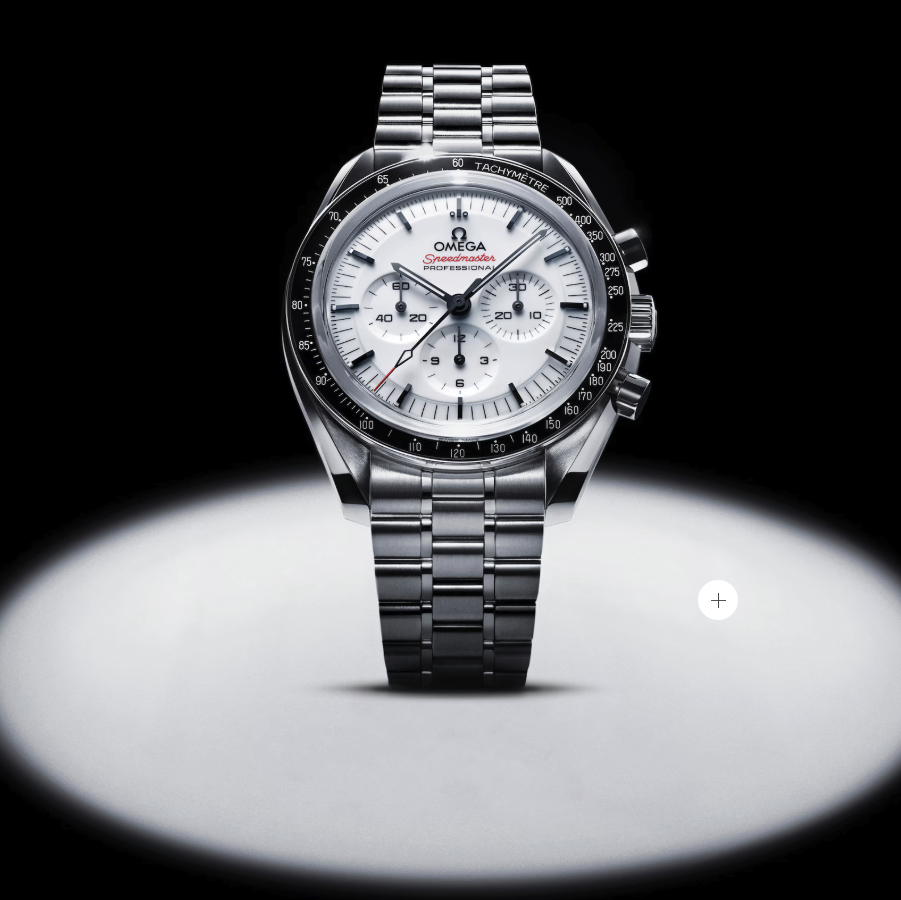
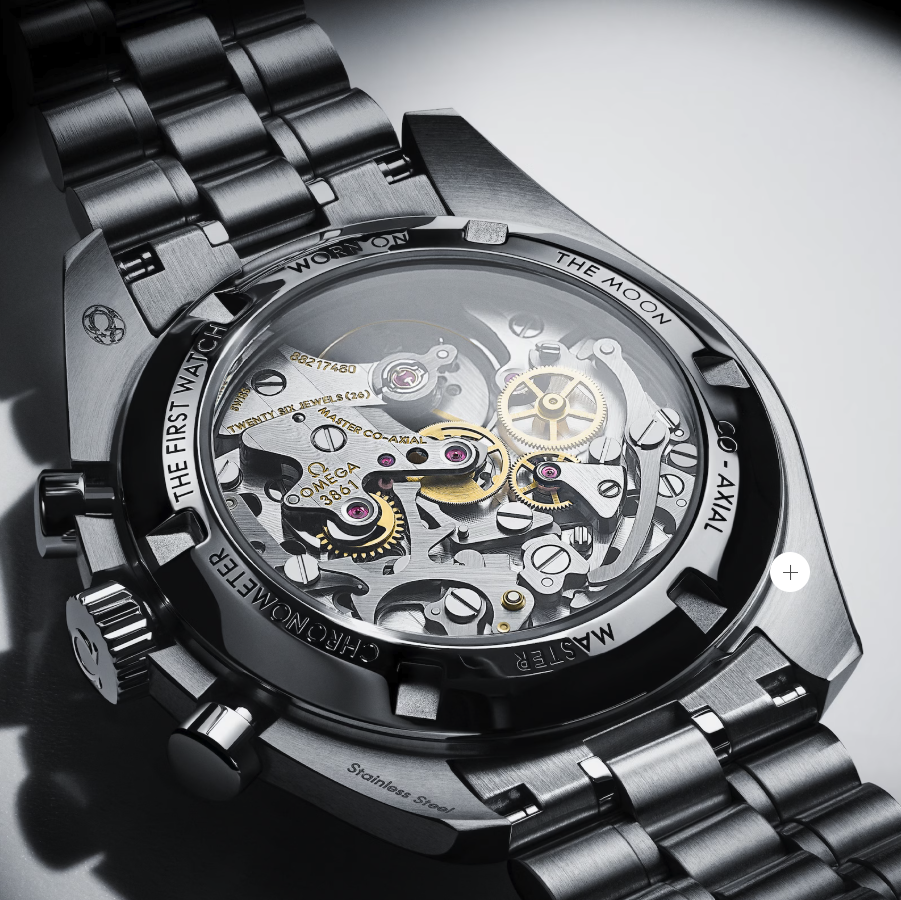
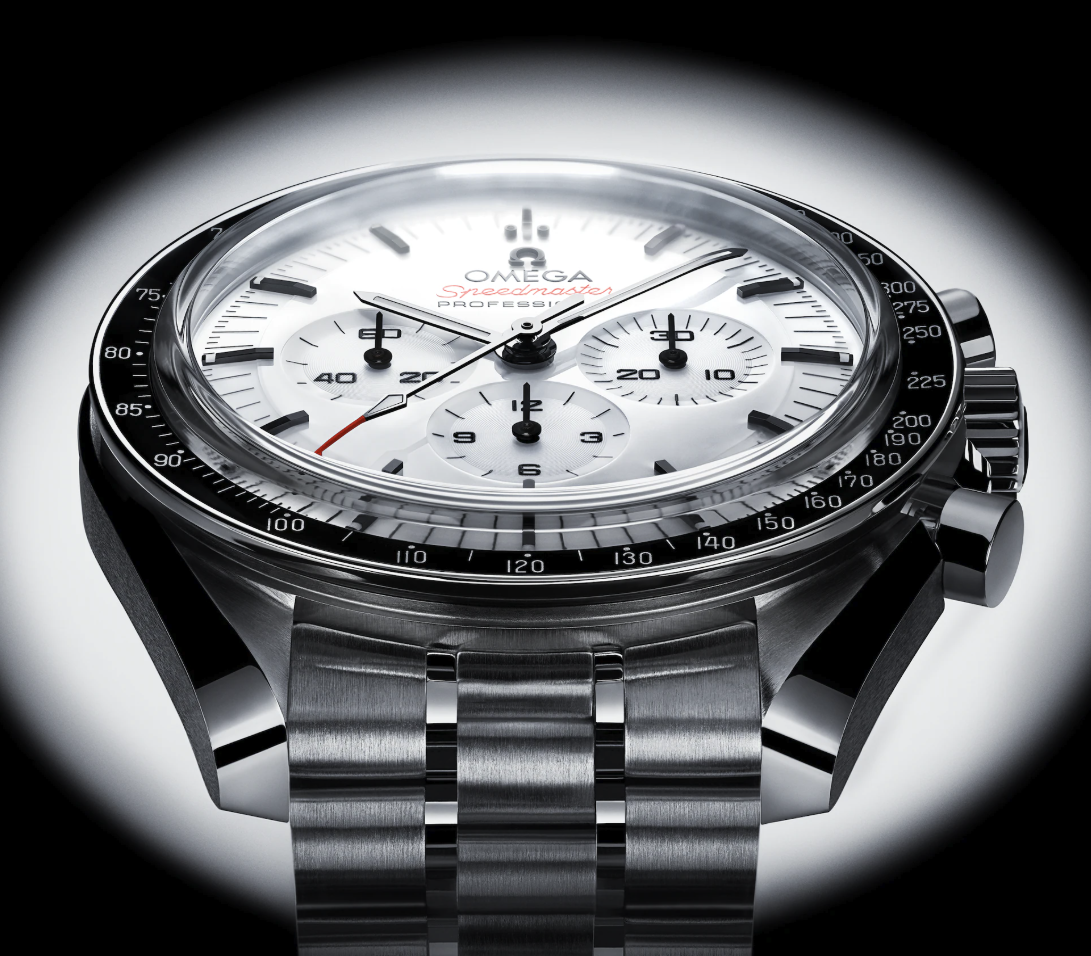
My choice would be the Omega Speedmaster Moonwatch Professional 42mm, specifically the white-dial reference 310.30.42.50.04.001.
Just look at it.
This isn't the traditional black-dial Speedmaster everyone expects.
And that's exactly why I like it for a 40th.
The white lacquered dial completely changes the personality of the Moonwatch.
It's brighter.
Cleaner.
More contemporary.
And sufficiently unusual to make a major birthday present feel properly special.
But why a Speedmaster?
Because few watches have a better story.
The relationship between the Omega Speedmaster and space exploration isn't simply clever marketing created afterwards.
NASA genuinely subjected chronographs to testing for its manned space programme.
The Speedmaster survived.
It went on to be worn during the Apollo missions and became forever associated with mankind's journeys to the Moon.
That's why the word Moonwatch actually means something.
You're not buying a modern watch styled to look vaguely like something astronauts might have worn.
You're buying the descendant of a watch they actually did.
Why choose the white dial?
The conventional answer for a first Speedmaster would probably be black.
For a 40th birthday, I'd be tempted to do something different.
The white lacquered dial creates fantastic contrast against the black detailing while retaining the instantly recognisable Speedmaster case, tachymeter bezel and chronograph layout.
It also distinguishes the watch from the countless black-dial sports watches he may have encountered by this stage of life.
At 40, I think you're allowed a little personality.
It's still manually wound
And this is one of my favourite things about the Moonwatch.
Despite the enormous technical advancement of modern watchmaking, the Speedmaster Moonwatch Professional remains manually wound.
That means he has to interact with it.
Turn the crown.
Wind the movement.
Bring the watch to life.
For some people, that will sound inconvenient.
For the person who loves mechanical watches, it becomes part of the experience.
It's a little ritual.
And unlike the 18-year-old who might leave his watch untouched for two weeks, somebody choosing a Speedmaster at 40 probably understands exactly what they're signing up for.
Why it's right for a 40th
Because by 40, a birthday present doesn't have to be entirely rational.
It can be the thing he's looked at for years but would never quite justify buying for himself.
And that's where a watch like this comes into its own.
The Speedmaster isn't disposable luxury.
It's serviceable.
Repairable.
And capable of surviving for generations if properly looked after.
A Speedmaster bought for his 40th could still be on his wrist at 60 or 70.
One day it could be on the wrist of his son, daughter or grandchild.
And they'll know exactly why it was originally bought.
That's when an expensive watch starts making considerably more sense.
How much should you spend on a milestone watch?
There is no correct answer.
And please don't fall into the trap of believing a particular birthday requires a particular amount of money.
A carefully chosen £1,000 watch can mean far more than an £8,000 watch bought purely because somebody told you the expensive one was better.
The budget should be comfortable.
The choice should be personal.
That's it.
If buying the Omega means spending money you really shouldn't be spending, don't buy the Omega.
The TAG Heuer doesn't become less meaningful because there's an Omega further down this article.
A milestone watch derives its significance from why it was given, not its position on somebody else's price list.
What if I choose the wrong one?
This is the part you may understandably worry about.
Watch enthusiasts can be ridiculously particular.
Case size.
Dial colour.
Bracelet.
Strap.
Movement.
Date.
No date.
Quartz.
Automatic.
Manual winding.
Thirty-seven different shades of blue that apparently look completely different despite appearing identical to every normal human being.
If he already knows a lot about watches, don't guess.
Make choosing it part of the present.
Take him somewhere good.
Have lunch.
Let him try several watches.
And watch which one he keeps returning to.
You lose the surprise.
But you gain something arguably better — the memory of choosing his milestone watch together.
If he isn't already interested in watches, you have considerably more freedom.
Think about his lifestyle rather than the specifications.
Does he dress casually?
Does he swim?
Does he wear jewellery?
Does he like recognisable brands?
Does he enjoy mechanical things?
And, most importantly, does he actually wear a watch every day?
Those answers will tell you far more than a specification sheet ever will.
How to secretly discover which watch he wants
If you really want to surprise him, listen.
Because men who like watches are often remarkably unsubtle when they want one.
"That's the new white Speedmaster."
"I'd never spend that much on a watch. It's lovely, though."
"Apparently the dial is lacquered."
"Have I shown you the white one?"
Yes.
Seventeen times.
Your investigation is complete.
You can also look at what he already owns.
If every watch he has is black and understated, don't suddenly buy something bright green because a salesman tells you it's collectible.
If he wears an Apple Watch every day, the Solargraph might make considerably more sense than a manual-winding mechanical watch.
And if he spends every evening watching YouTube videos about Tudor movements while insisting he isn't really into watches, I'm afraid it's already too late.
He's one of us.
Winding Things Up
Ultimately, the watch itself is only part of the story. What really gives it value is the reason it was given.
An 18th birthday watch might accompany someone through university, into their first job and beyond.
A 21st birthday watch could become their first truly treasured possession.
While a 30th birthday often marks a stage in life where a quality timepiece becomes something they'll wear almost every day.
By 40, it may finally be the opportunity to own the watch they've admired for years but could never quite justify buying for themselves.
Unlike most gifts, a good watch grows older alongside its owner. It picks up scratches, gains character, has its straps changed and, if it's mechanical, will eventually need servicing. Those aren't flaws—they're part of its story. Years later, a single glance at the wrist can bring back the memory of the person who gave it and the occasion it celebrated.
That's something no smartwatch can truly replicate. A watch tells the time, but the person who gave it is what gives it meaning.