
Seven Watch Brands Every Tudor Owner Should Consider Next
Here at The Wind Up, several of us own more than one Tudor—which is either evidence of excellent judgement or a shared inability to stop buying Black Bays.
It has become a regular topic of conversation just how much watch you get for the money with Tudor. Strong movements, proper heritage, excellent build quality and enough variations to convince yourself that the next Tudor is completely different from the one already in the box.
But eventually, you may decide it is time to jump into the next bracket. The question is: what is the flavour of choice?
Everyone will want something different. Some will seek finer finishing, others greater prestige, while a few may want a watch without a snowflake hand. With that in mind, here are seven brands to consider—and a suggested place to begin with each.
Omega
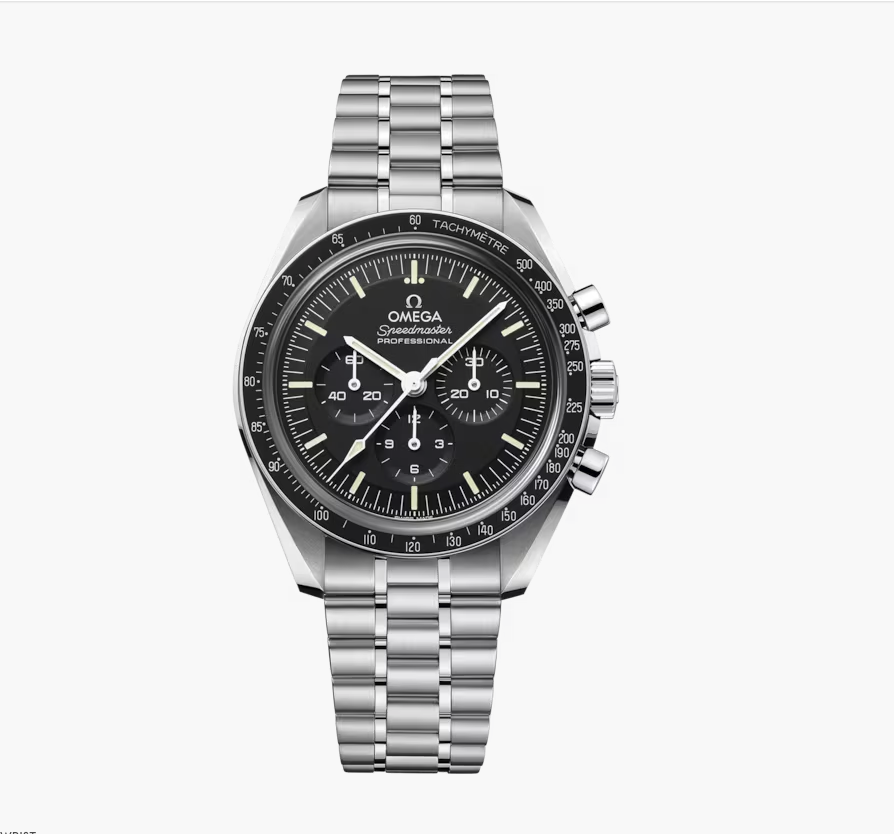
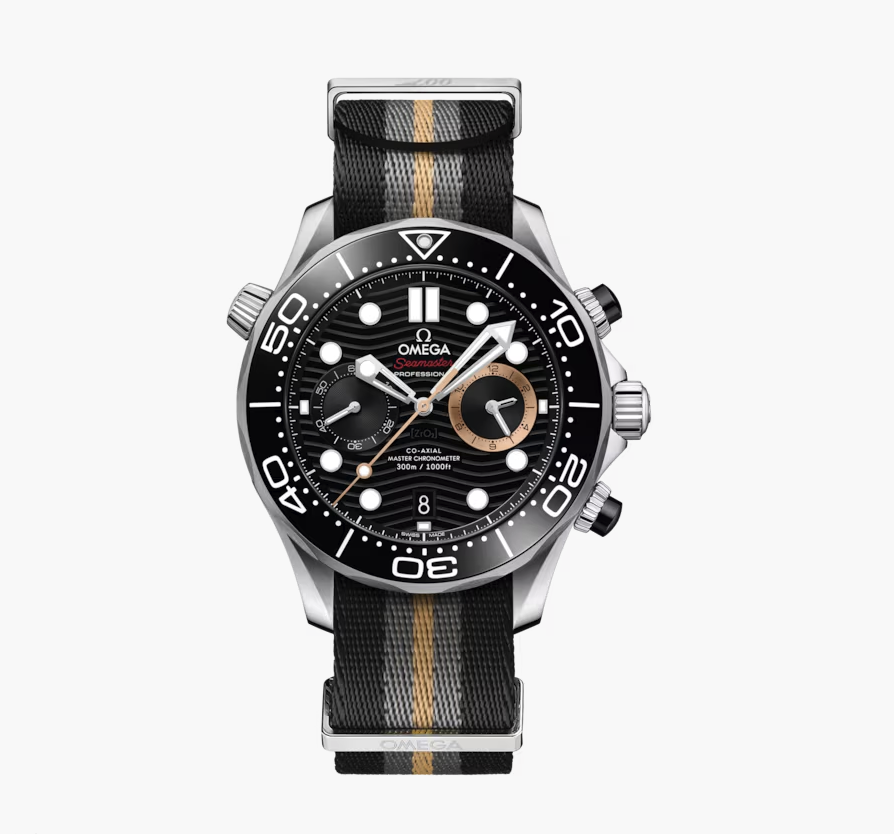
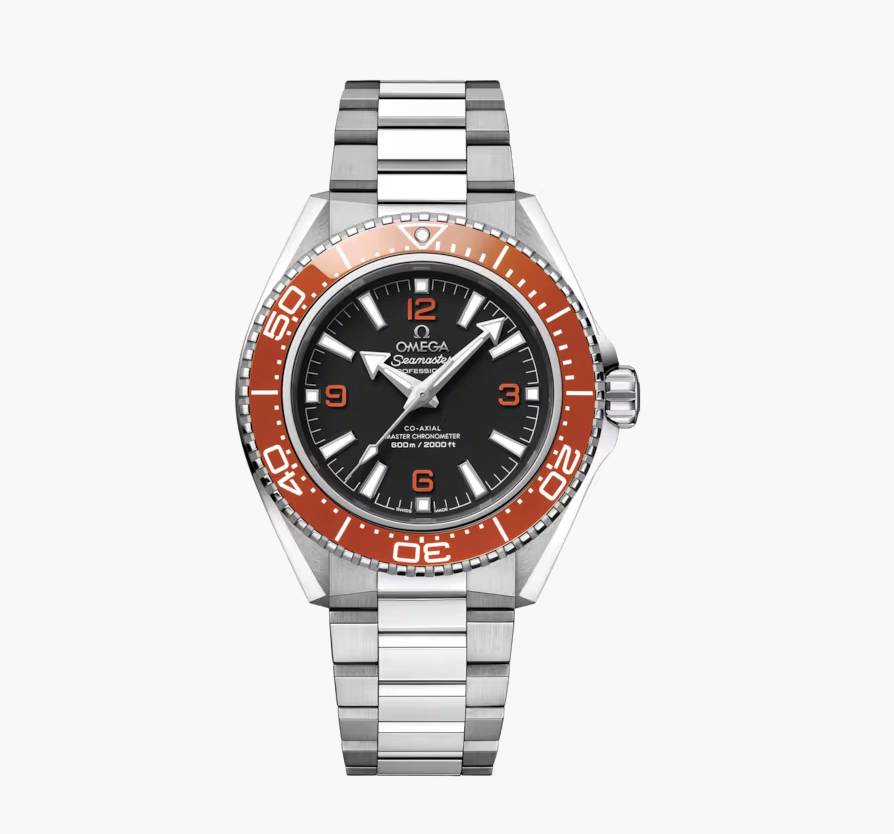
Omega is perhaps the most obvious brand to explore after Tudor. Its catalogue covers capable divers, elegant everyday watches and some of the most recognisable chronographs ever created. It offers greater mainstream recognition while retaining the technical credibility watch enthusiasts enjoy discussing at unreasonable length.
The natural starting point is the Speedmaster Moonwatch Professional. The 42mm Moonwatch combines its familiar fourth-generation-inspired design with Omega’s manually wound Co-Axial Master Chronometer Calibre 3861. The current range includes the traditional black dial, the increasingly popular white dial and several newer contrasting variations.
It gives you an iconic chronograph, genuine space-flight history and a watch recognised well beyond enthusiast circles. It suits someone looking for a universally respected collection rather than simply another capable sports watch.
The only drawback is that manual winding feels wonderfully traditional until the morning you forget to do it.
Grand Seiko
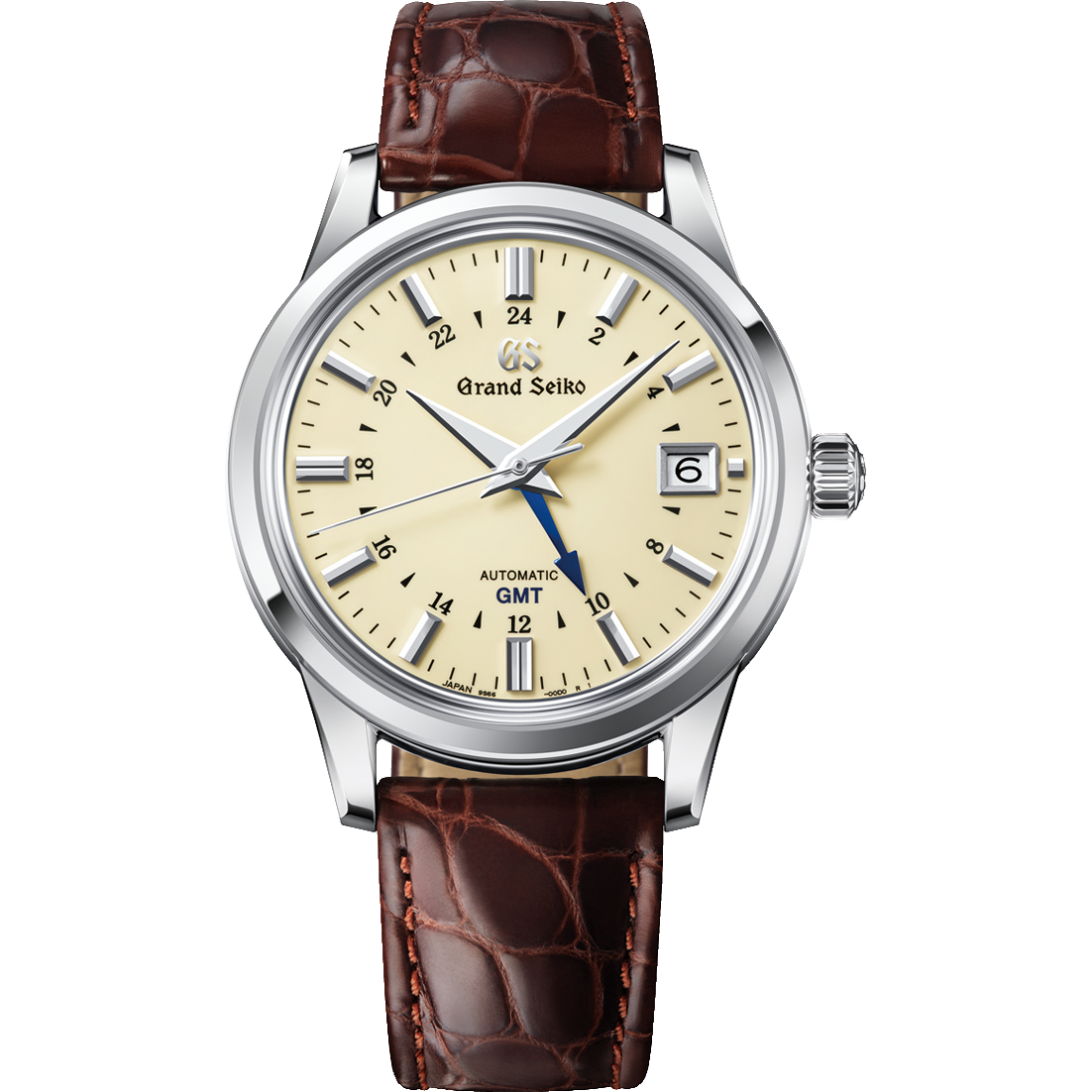
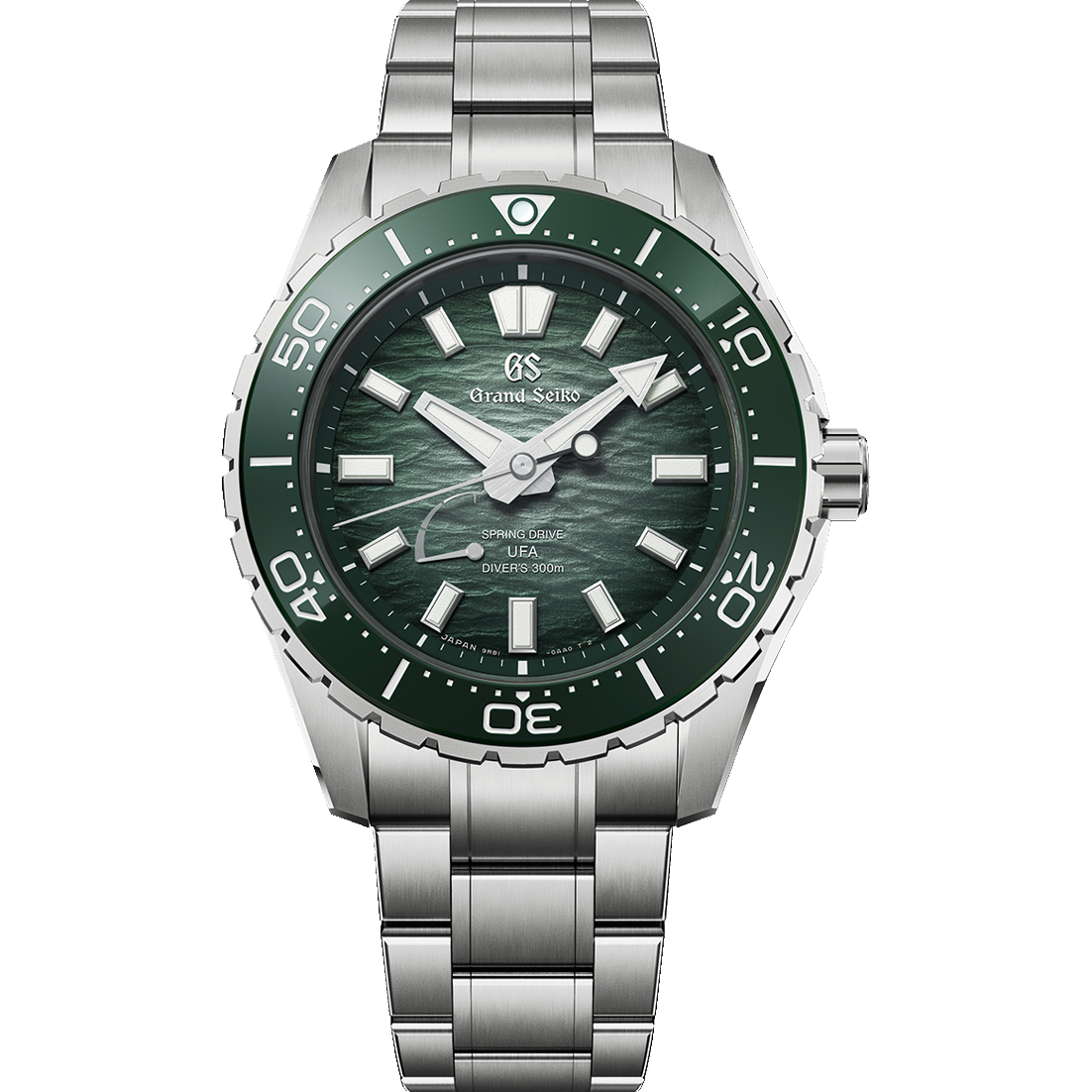
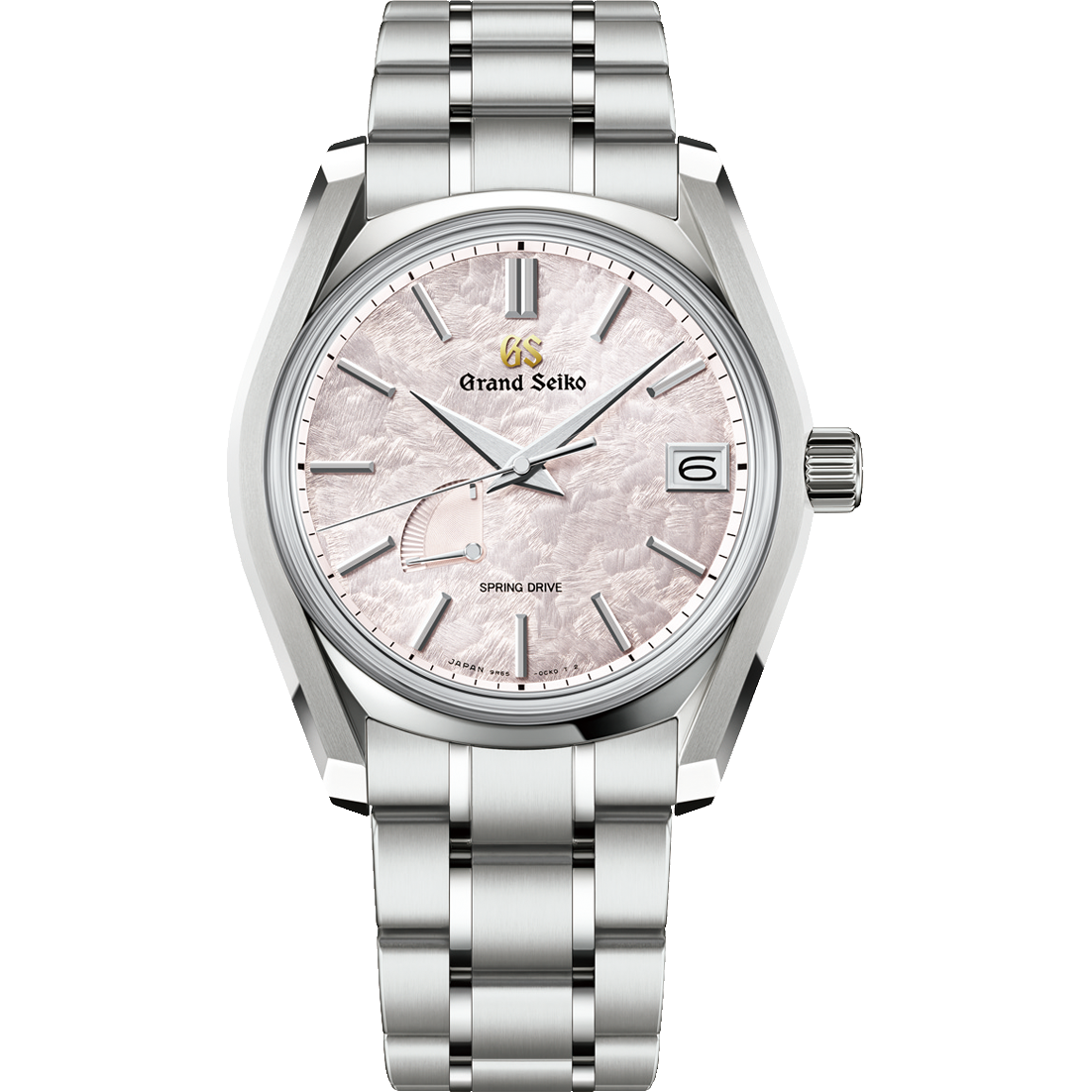
Grand Seiko appeals to collectors who value precision, craftsmanship and details that nobody else at the dinner table will notice. Its catalogue includes mechanical, quartz and Spring Drive watches, providing several very different routes into the brand.
The Heritage Collection is the ideal place to begin. It contains many of the watches that best express Grand Seiko’s identity, from beautifully finished mechanical models to Spring Drive pieces with their unmistakably smooth seconds hand.
The real appeal is in the detail. Zaratsu-polished cases, intricate dial textures and movement technology that Tudor simply does not offer make Grand Seiko a compelling next step for the enthusiast who already owns a loupe—or is about to buy one.
The downside is that somebody will eventually ask why your expensive watch says “Seiko”.
Cartier
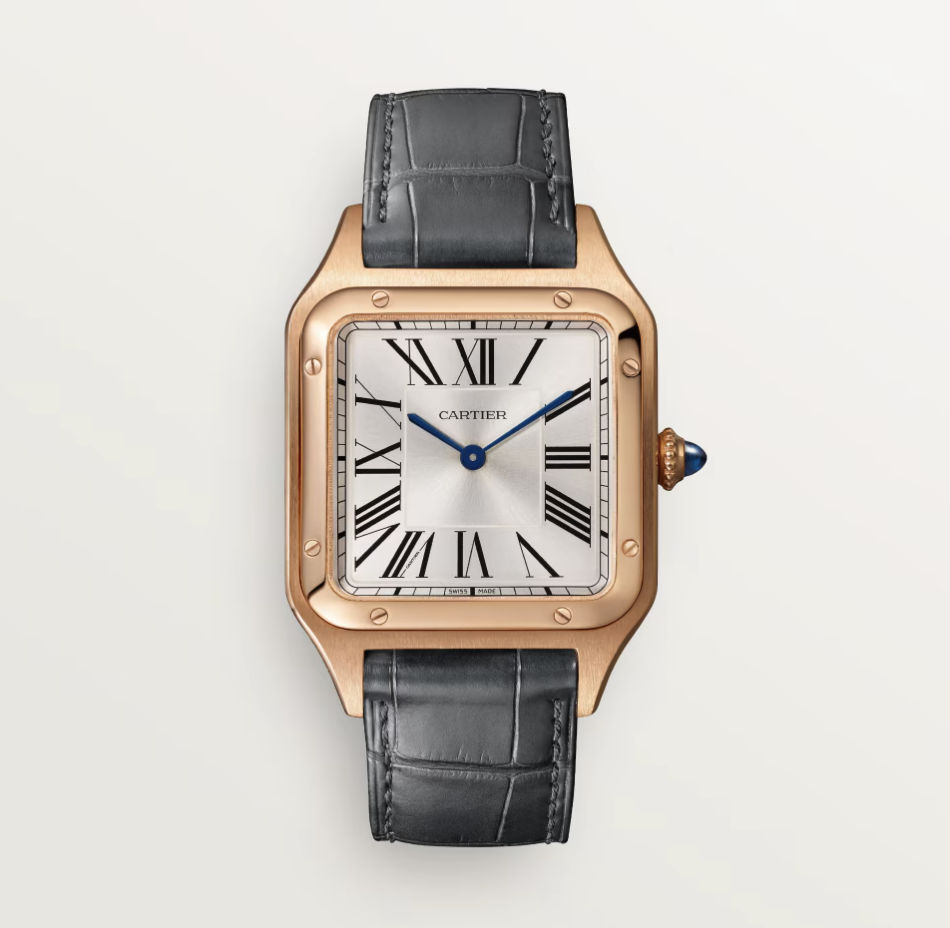
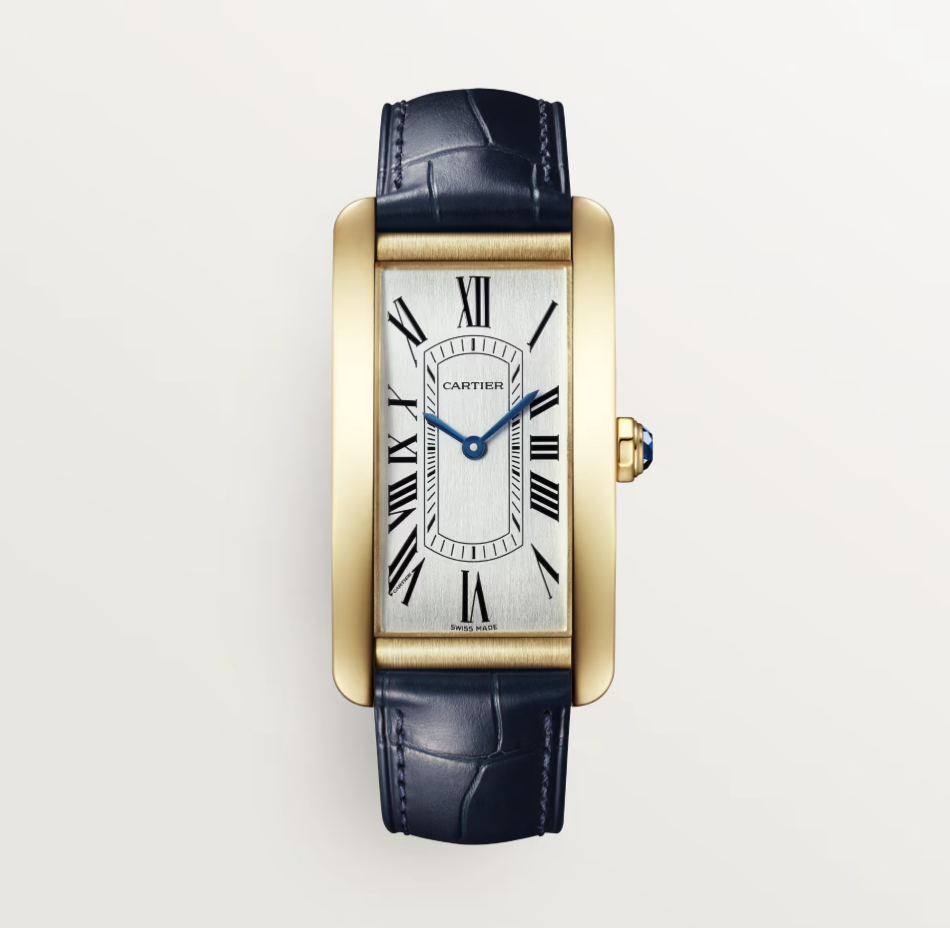
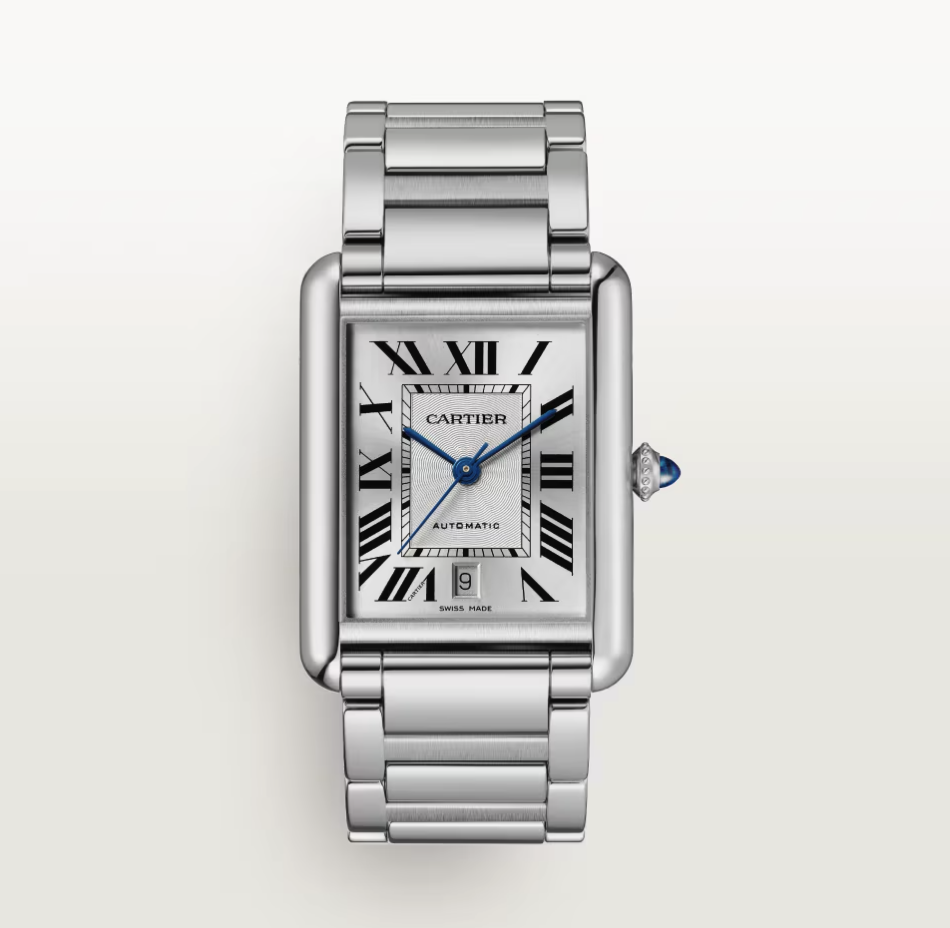
Cartier offers something many Tudor-heavy collections lack: shape.
Its watches are led by design rather than specifications, and models such as the Tank and Santos have remained instantly recognisable for generations. Cartier also takes you away from the familiar world of steel dive watches without forcing you into something that only works with a dinner jacket.
The Santos de Cartier is the obvious starting point. Its square case, exposed screws and integrated bracelet give it immediate character, while the medium automatic model remains one of the most versatile watches in the collection.
It is elegant without feeling delicate and distinctive without trying too hard. It is also an excellent option for anyone ready to discover that watches can have corners.
Just be prepared for the polished bezel to collect scratches simply by being discussed.
Breitling
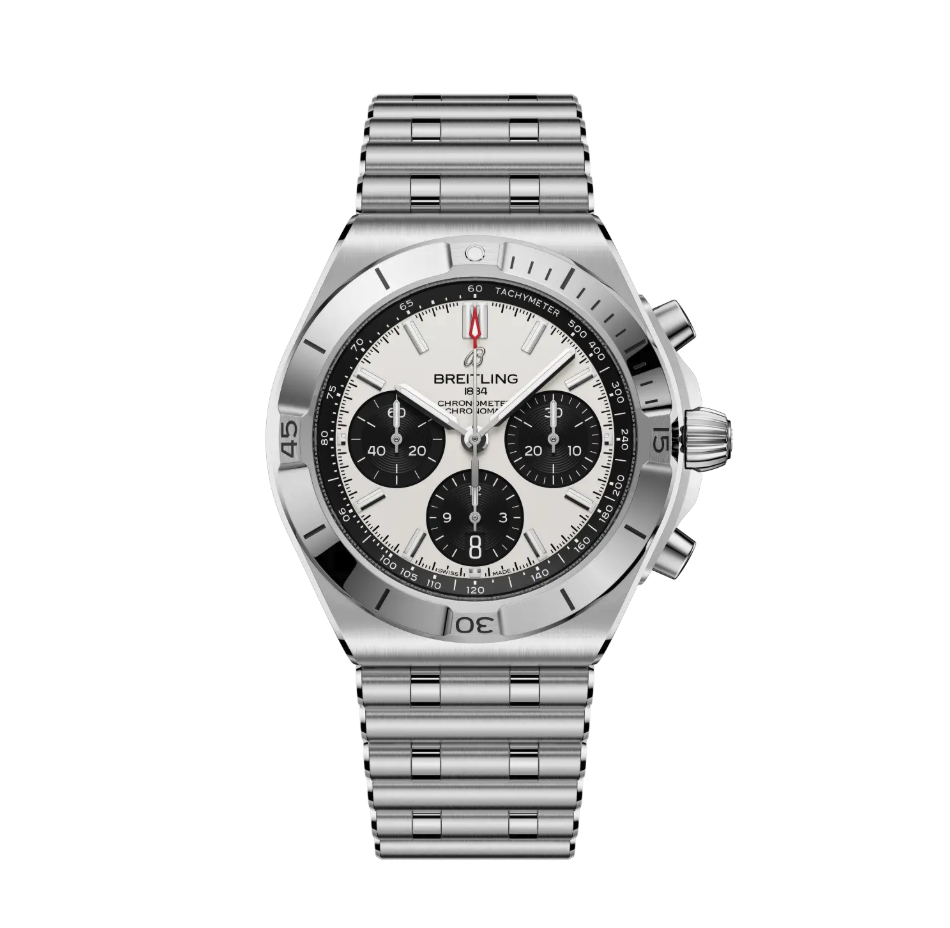
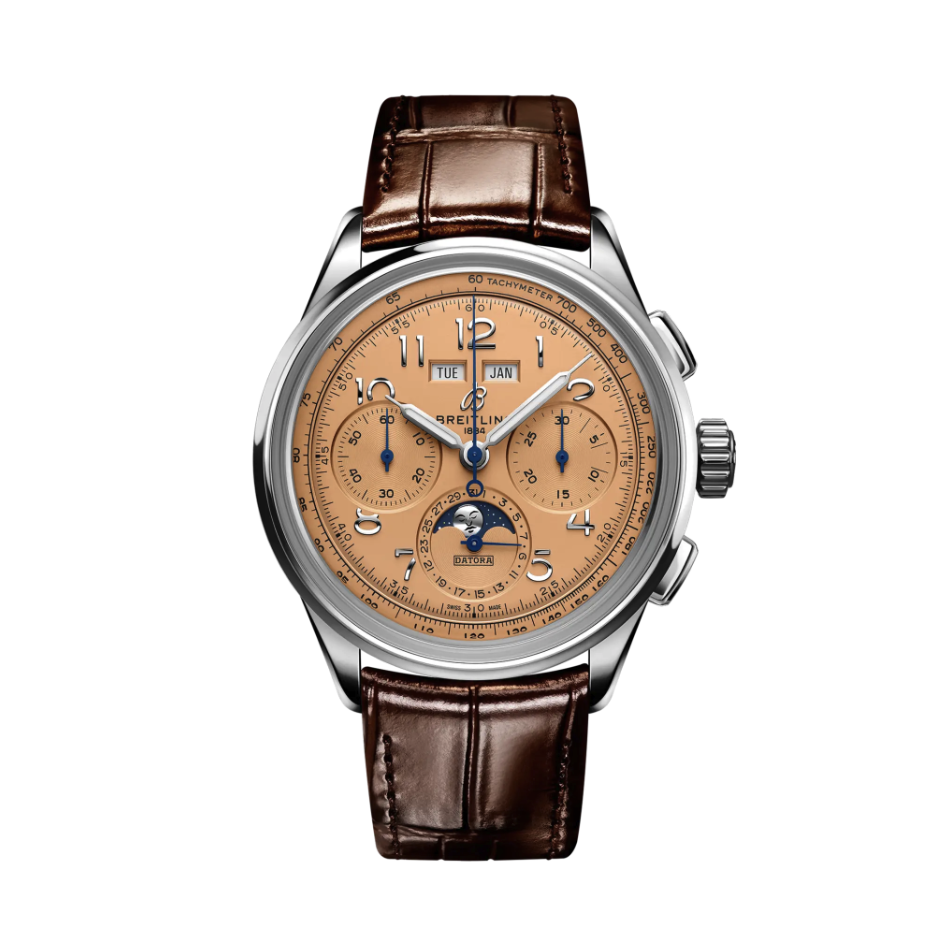
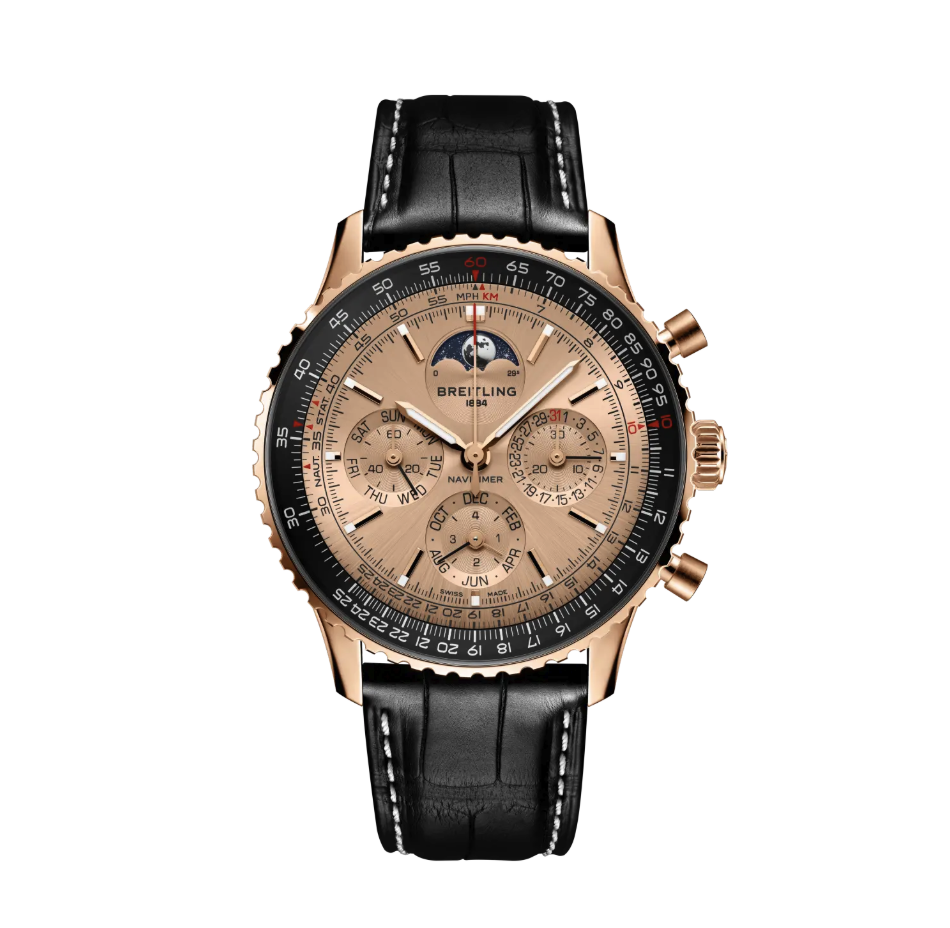
Breitling has deep roots in aviation and chronographs, although today’s collection is far broader than the enormous pilot watches many people still picture.
The brand offers bold design, serious movements and considerably more wrist presence than most Tudors. For collectors who find the Black Bay increasingly discreet, Breitling provides a noticeable change of pace.
Our suggested starting point is the Chronomat B01 Chronograph 42. It combines Breitling’s manufacture Calibre 01 with the distinctive rider-tab bezel and Rouleaux bracelet.
The Chronomat feels substantial, confident and unmistakably Breitling without looking as though it should be bolted to an aircraft dashboard.
It is not, however, a watch that enters a room quietly.
IWC
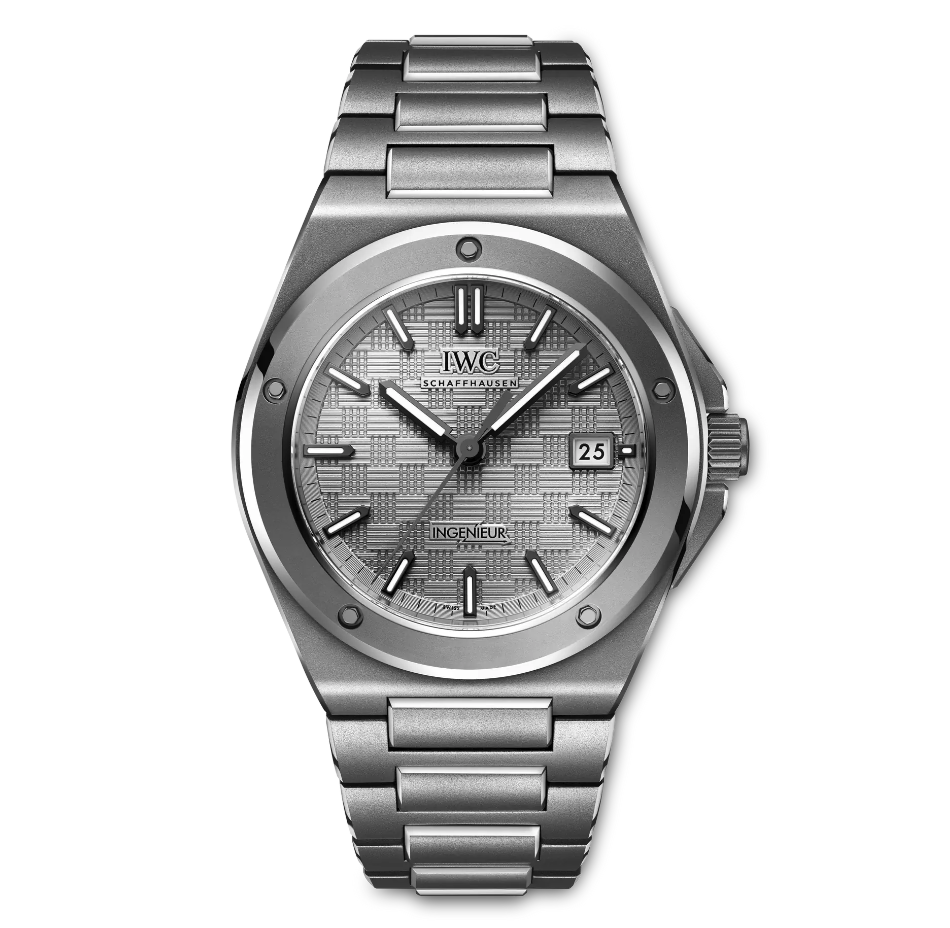
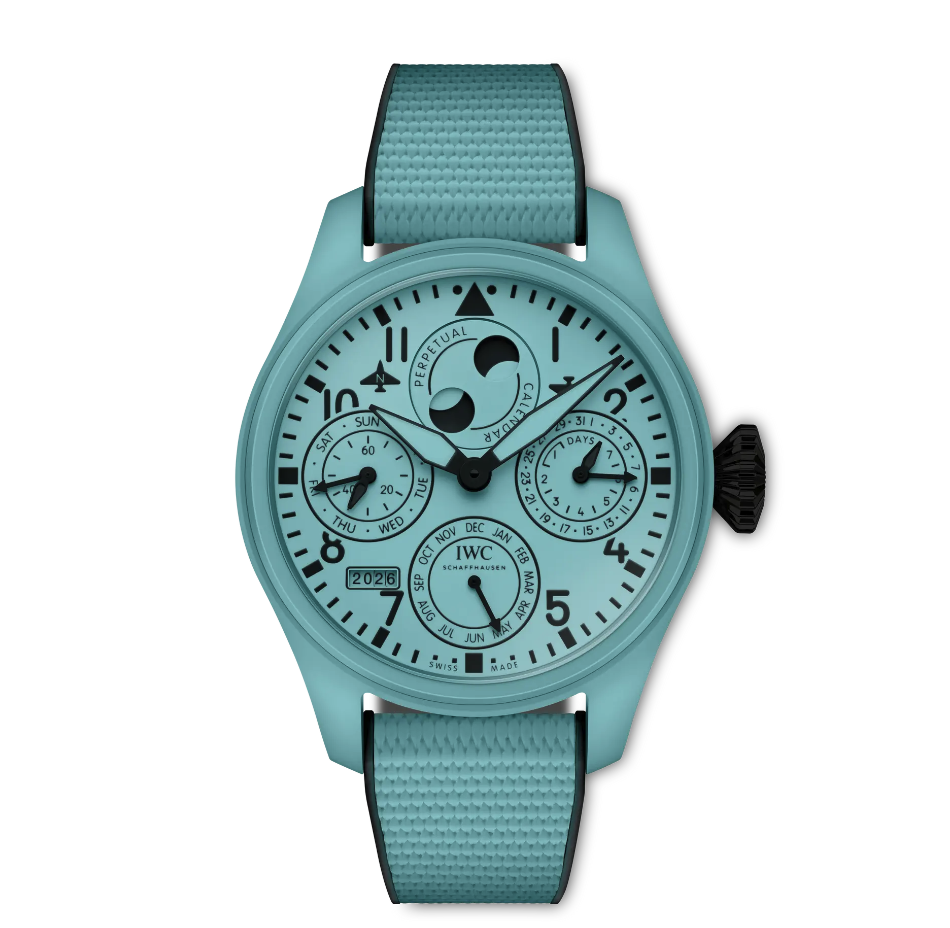
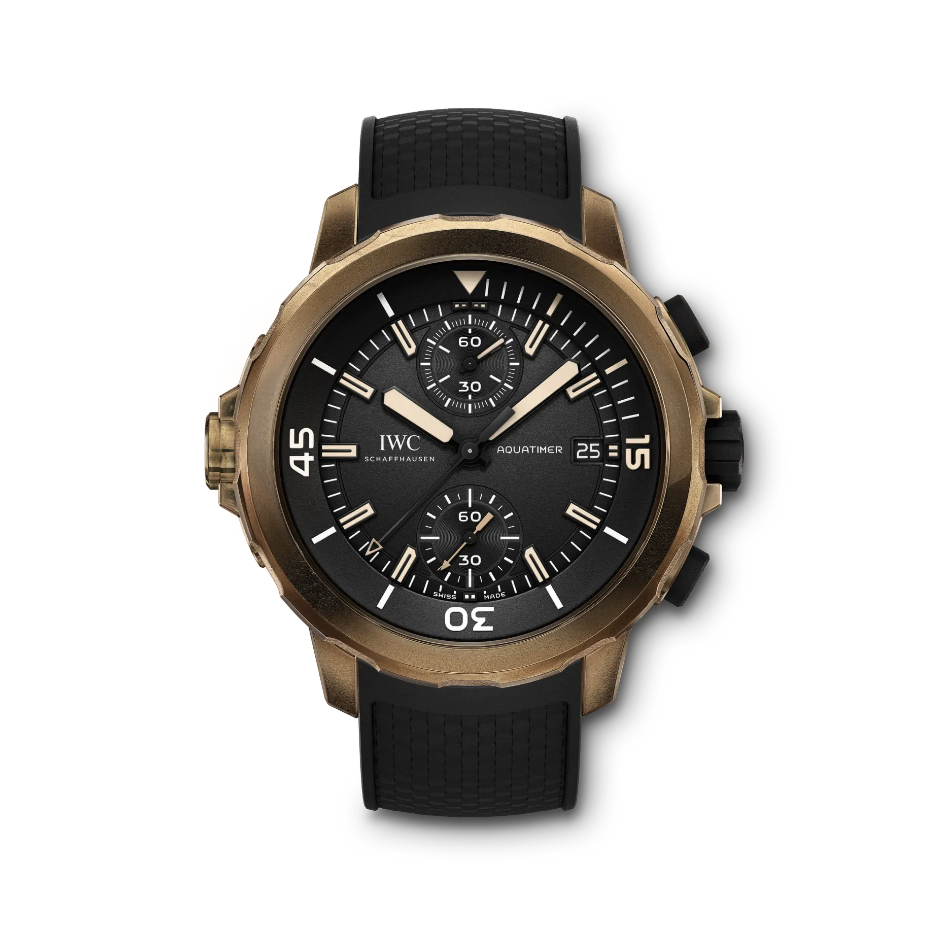
IWC produces watches that are clearly expensive without appearing desperate to tell everybody.
Its Pilot’s Watches, Portugieser models and Ingenieur collection offer restrained styling, strong engineering and a more mature alternative to the usual dive-watch progression.
The Ingenieur Automatic 40 is a particularly interesting place to start. Inspired by Gérald Genta’s 1970s Ingenieur SL, it offers an integrated bracelet and a more architectural design than Tudor’s traditional tool watches.
It suits the collector looking for understated luxury without wandering into dull territory.
The difficulty is the price. Once you reach Ingenieur money, you may find yourself comparing it with almost everything else in this article.
Zenith
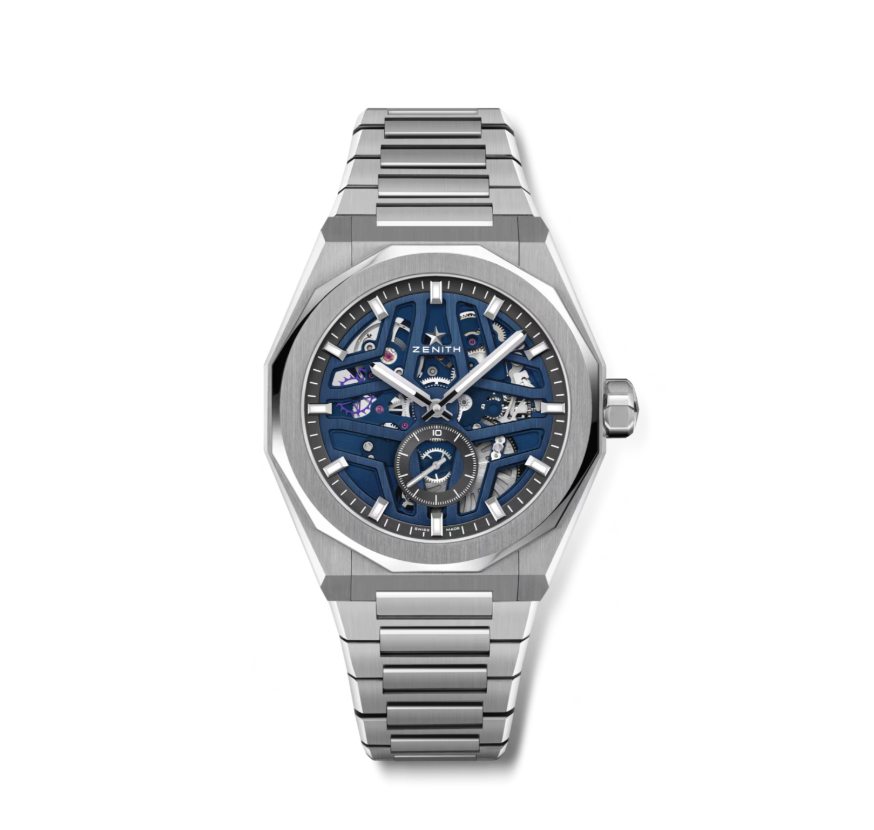
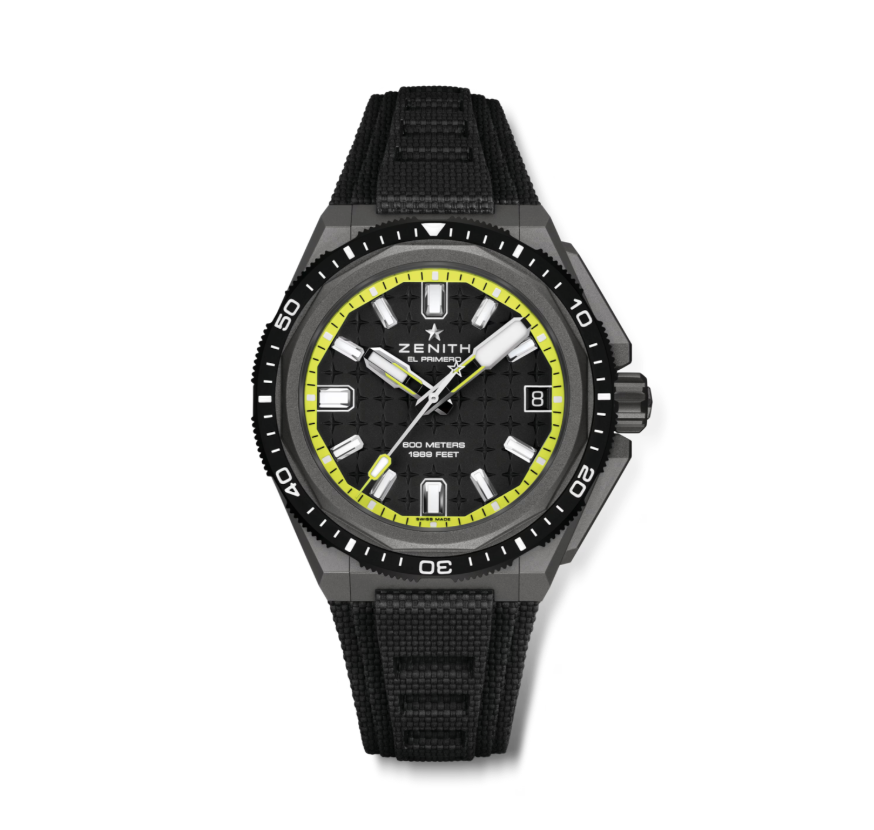
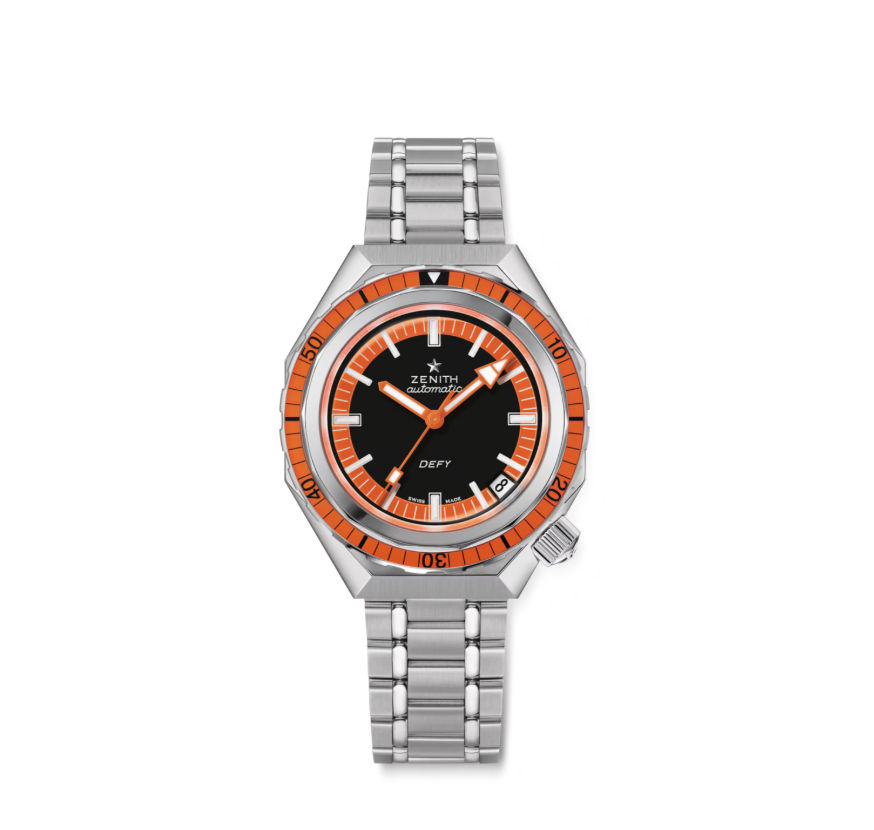
Zenith is a brand for people who genuinely care about what is happening inside the case.
Best known for the El Primero, it has built much of its reputation around high-frequency chronographs and technically interesting movements. It is a strong option for anyone who wants their next watch to offer more than a recognisable name and a polished bracelet.
The Chronomaster Sport is the obvious introduction. This 41mm steel model pairs a black ceramic bezel with the high-frequency El Primero 3600 automatic movement, allowing the chronograph to display one-tenth of a second.
It is sporty, wearable and genuinely interesting beneath the dial.
You will still have to answer the question, “Why didn’t you just buy a Speedmaster?” more often than seems reasonable.
Rolex
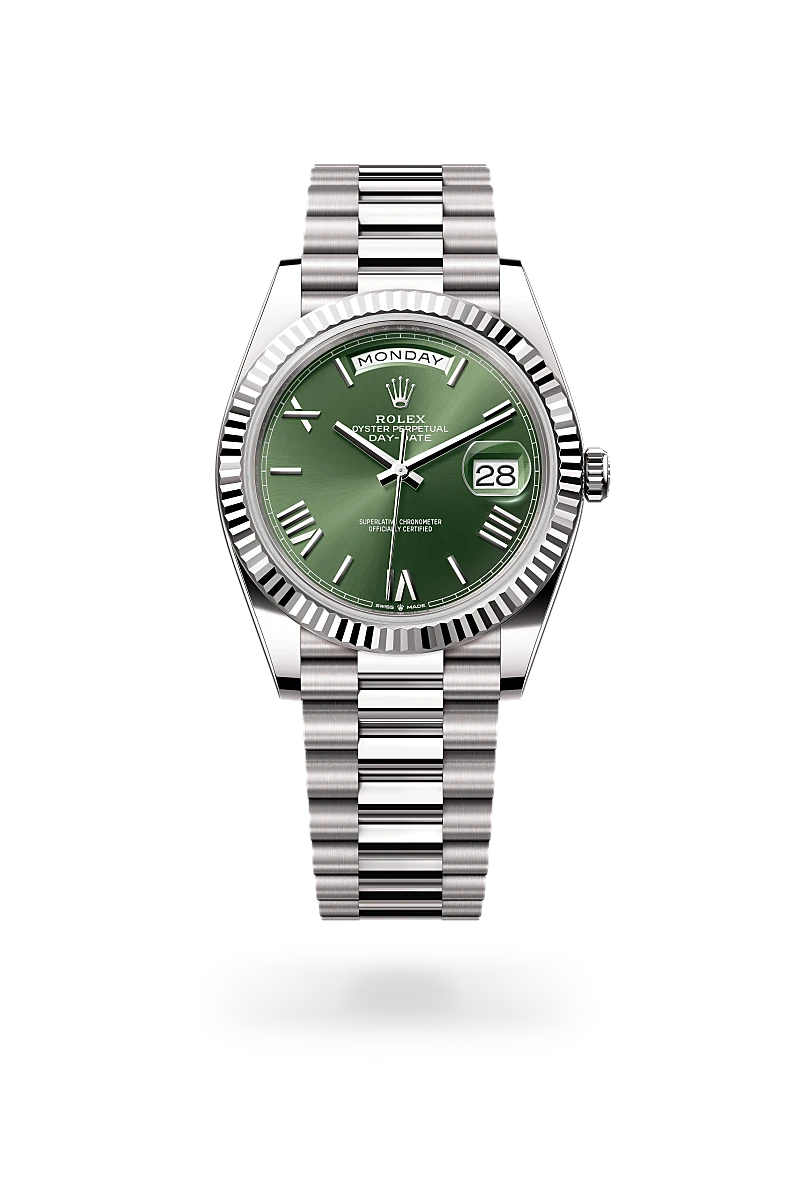
Then there is the obvious answer.
Rolex is the brand Tudor owners are expected to move towards, partly because of the shared history between the two companies and partly because Rolex remains the name most people associate with luxury watches.
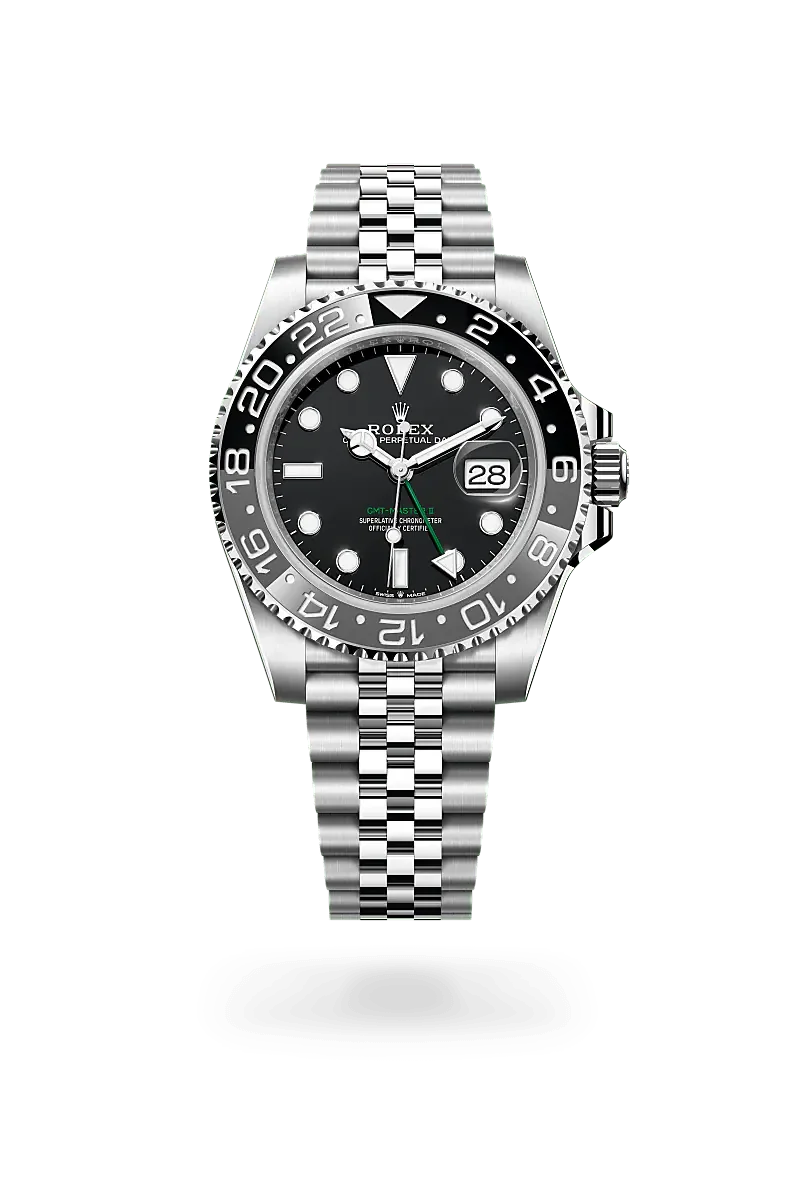
Its collection is broad enough to build around, from the Datejust and Explorer to the Submariner, GMT-Master II and Daytona. That familiarity can make Rolex feel predictable, but there is a reason so many collections eventually include one. The watches are robust, recognisable and designed to remain relevant long after the latest dial colour has disappeared from Instagram.
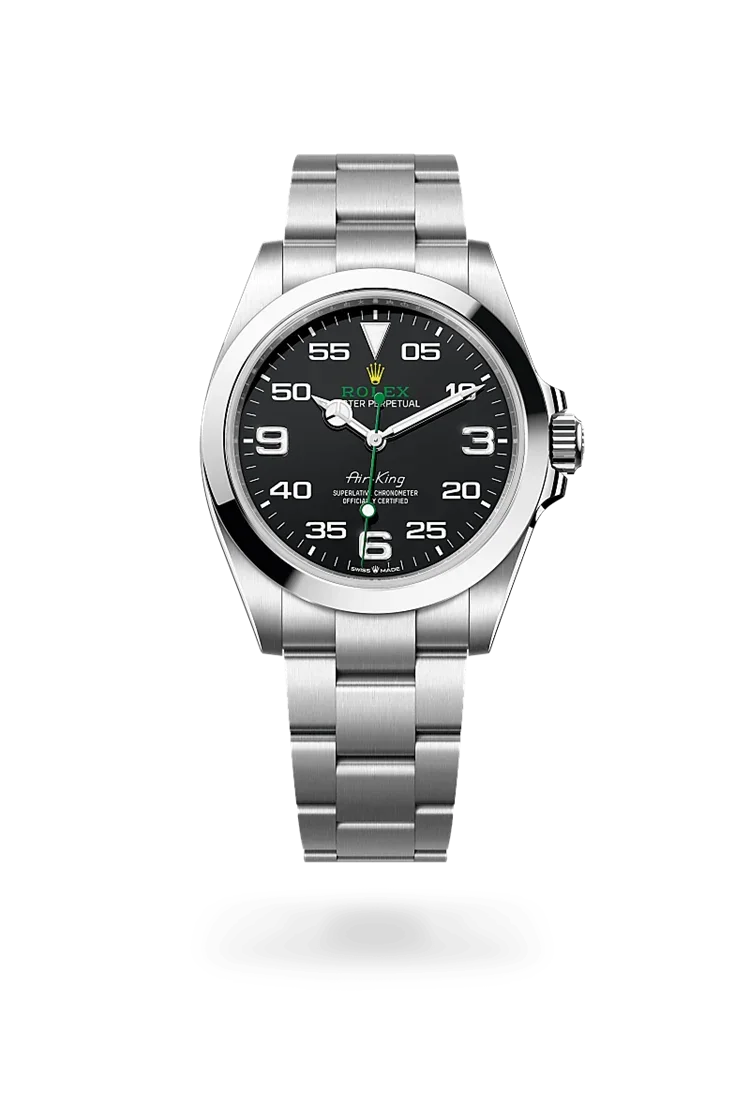
A Rolex collection could do far worse than beginning with the Air-King.
The current Air-King has a 40mm Oystersteel case, an Oyster bracelet and a distinctive black dial combining large 3, 6 and 9 hour markers with a prominent minutes scale inspired by navigational instruments.
It offers a less obvious route into Rolex than beginning with another black-bezel dive watch. There is enough familiarity for it to feel unmistakably Rolex, but enough eccentricity to stop it looking like the watch everyone assumed you would buy.
From there, a collection can move towards a Datejust for something smarter, an Explorer for simplicity or a GMT-Master II when patience, availability and financial restraint have all finally deserted you.
The drawback is that buying a Rolex may be considerably easier than convincing an authorised dealer to sell you one.
Conclusion
Moving on from Tudor does not mean leaving the brand behind. In many collections, a Black Bay, Pelagos or Ranger will remain the watch worn most often because Tudor is very good at producing capable watches that require very little thought.
The next purchase should therefore add something new rather than replace what already works.
Omega brings history and recognition. Grand Seiko offers exceptional finishing. Cartier introduces shape and elegance. Breitling adds presence. IWC delivers restraint. Zenith provides mechanical interest, while Rolex offers the most obvious route into the next level of widely recognised luxury watch collecting.
The right choice depends entirely on what is missing from your collection. Just try to avoid buying another black-dialled steel sports watch and then spending six months explaining why it is completely different from the other four.
Winding Things Up
Tudor gives collectors an enormous amount of watch for the money, which is precisely why moving beyond it can be difficult. The jump in price is often far more noticeable than the jump in quality, and spending more does not automatically mean enjoying the watch more.
For us, Omega is probably the most natural next step. Cartier makes the biggest change to a Tudor-heavy collection, Grand Seiko may provide the greatest reward for those who appreciate the smaller details, while Rolex remains the choice many Tudor owners will eventually make—even if they pretend otherwise.
Ultimately, there is no correct answer—only the watch that makes you look at your wrist when you already know what time it is.
And that, rather inconveniently, is usually the beginning of another collection.