
Stepan Sarpaneva has always been at his best when he leans into atmosphere. The Korona case. The moonface. Dials that look like they belong in a sci fi film shot through a northern winter. The new Stardust Mars does exactly that, but with a twist: instead of the icy, silvery “space dust” vibe you might expect, it’s all about heat. Think glowing embers under a skeletonised steel canopy.
This is a small, independent release with a very specific kind of charm. It will either grab you instantly or leave you totally cold. Personally, I think it is one of the most compelling “daily wearable indie art-watch” takes Sarpaneva has done in a while.
The Stardust idea turned up a notch
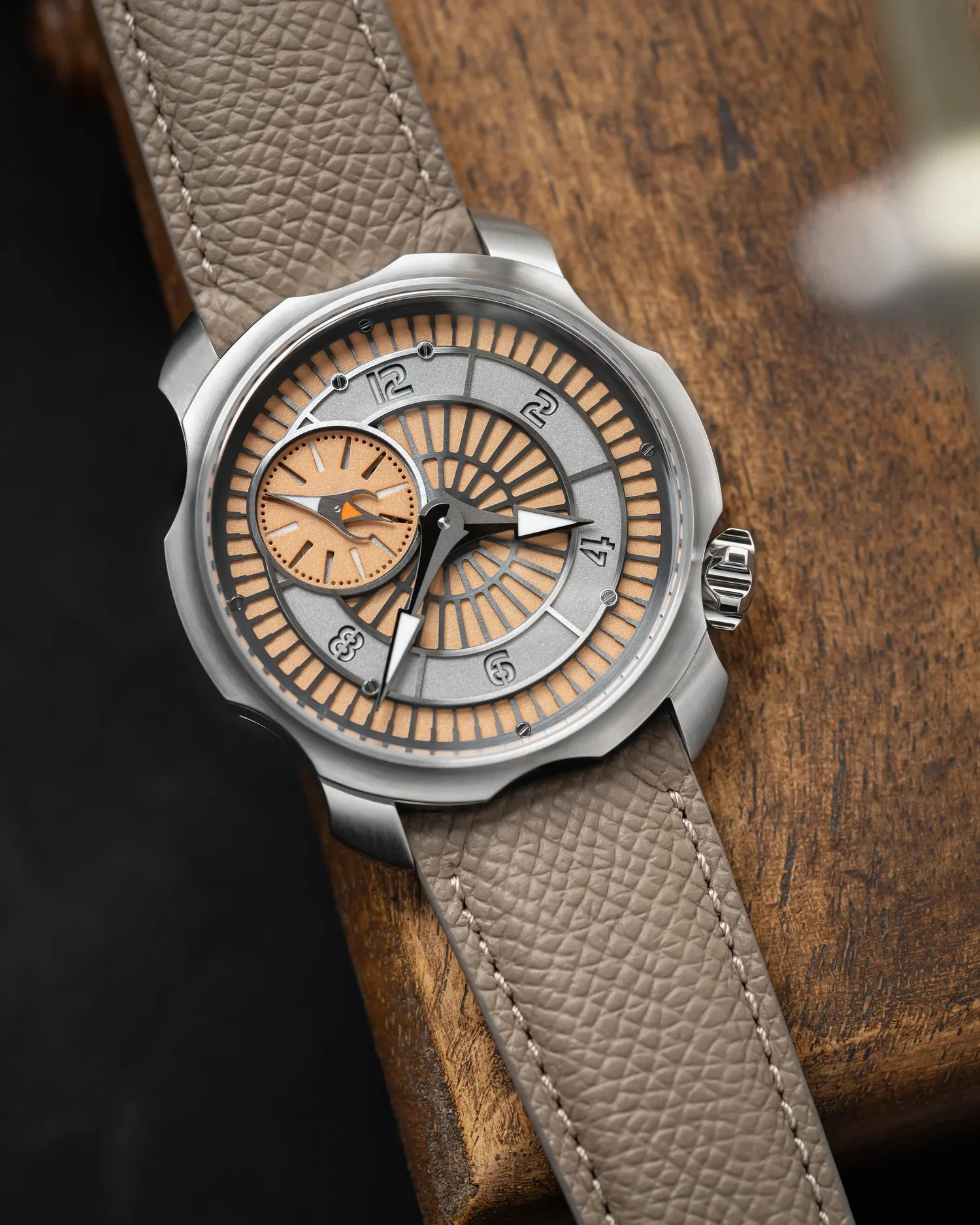
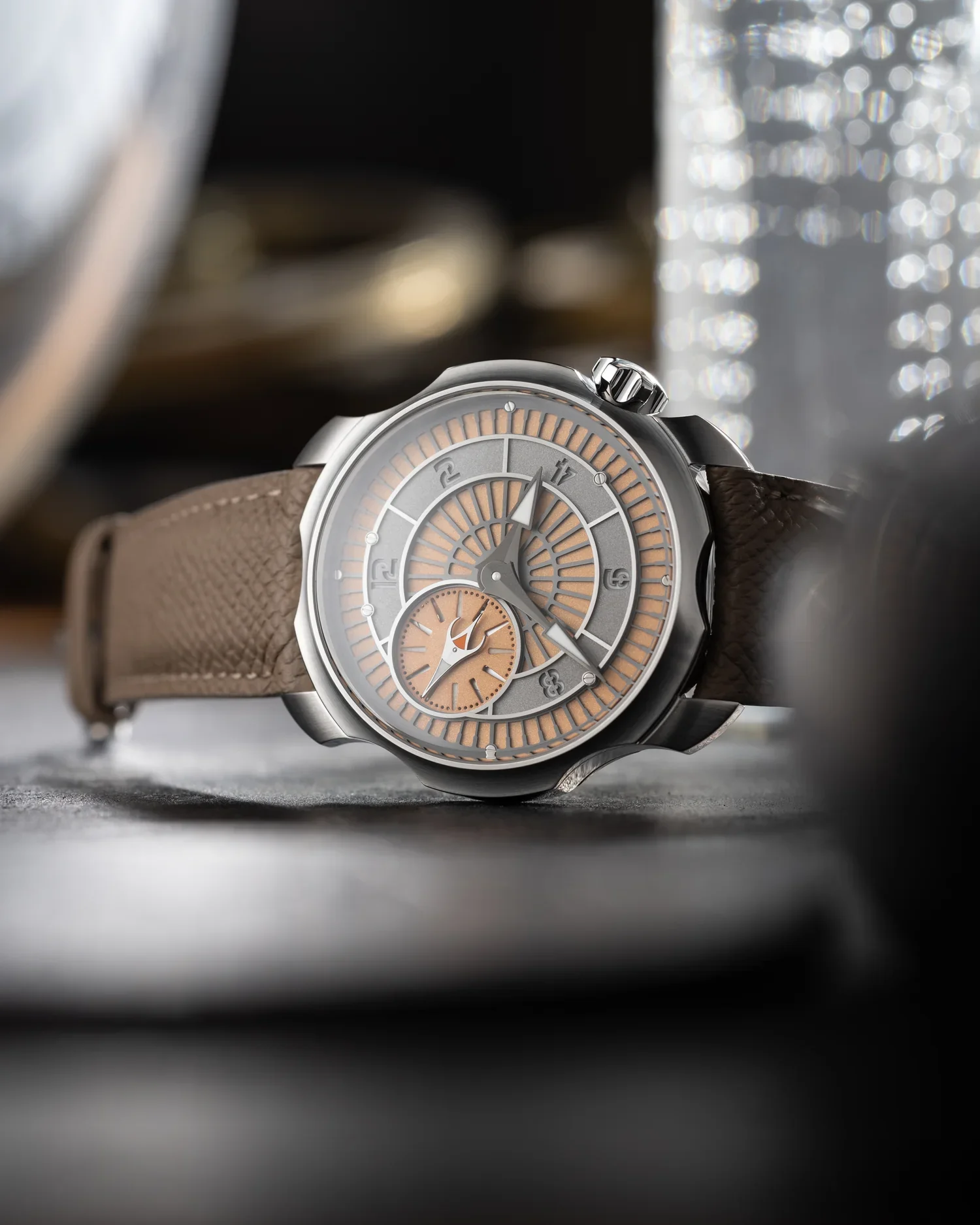
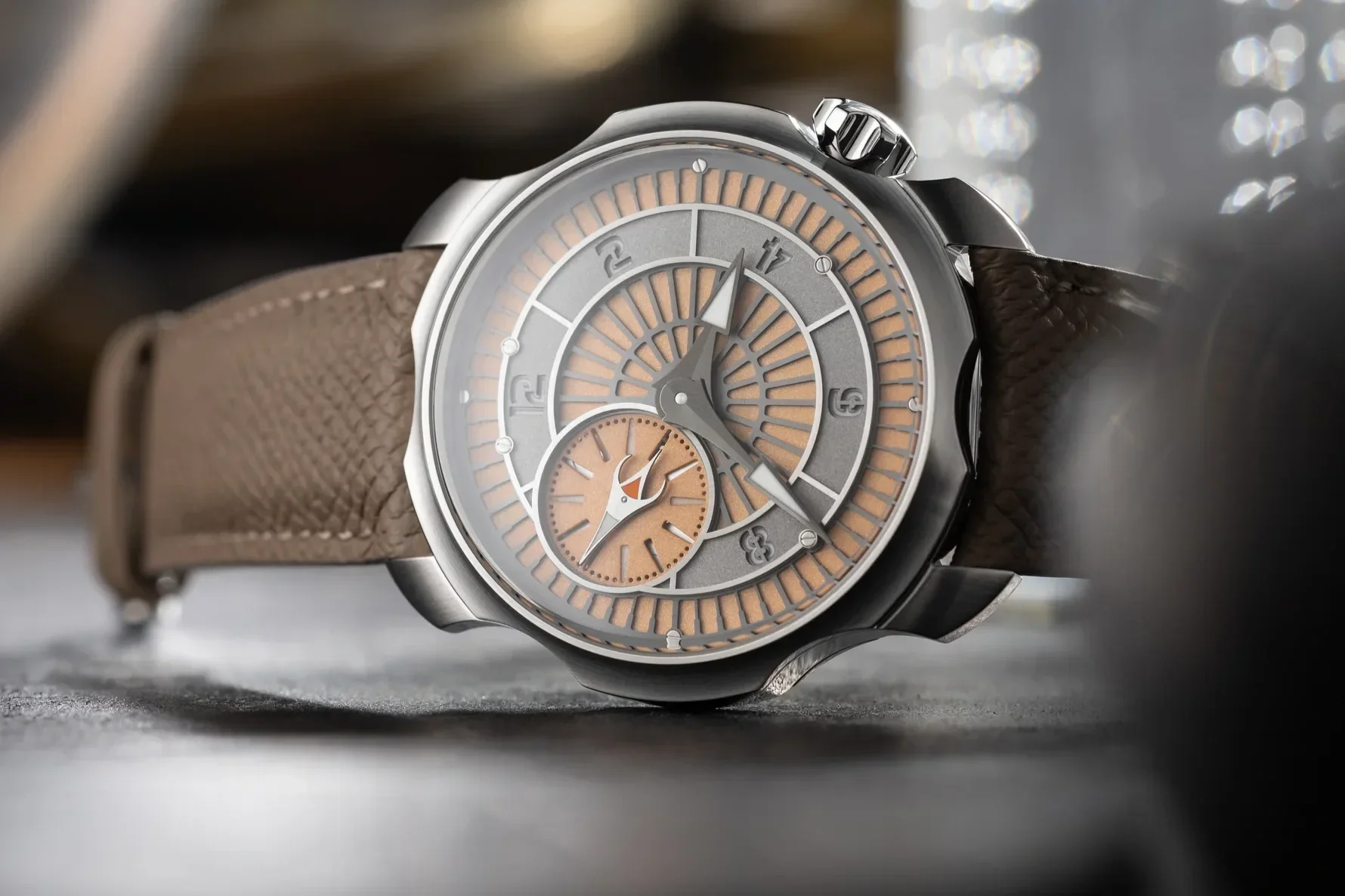
The Stardust line originally arrived as a celebration piece, but the 2026 update feels less like an anniversary victory lap and more like Sarpaneva refining a language he can keep speaking for years. The core layout remains familiar: a multi-layer, openworked dial with stencilled numerals and an off-centre small seconds that sits up around 10 o’clock.
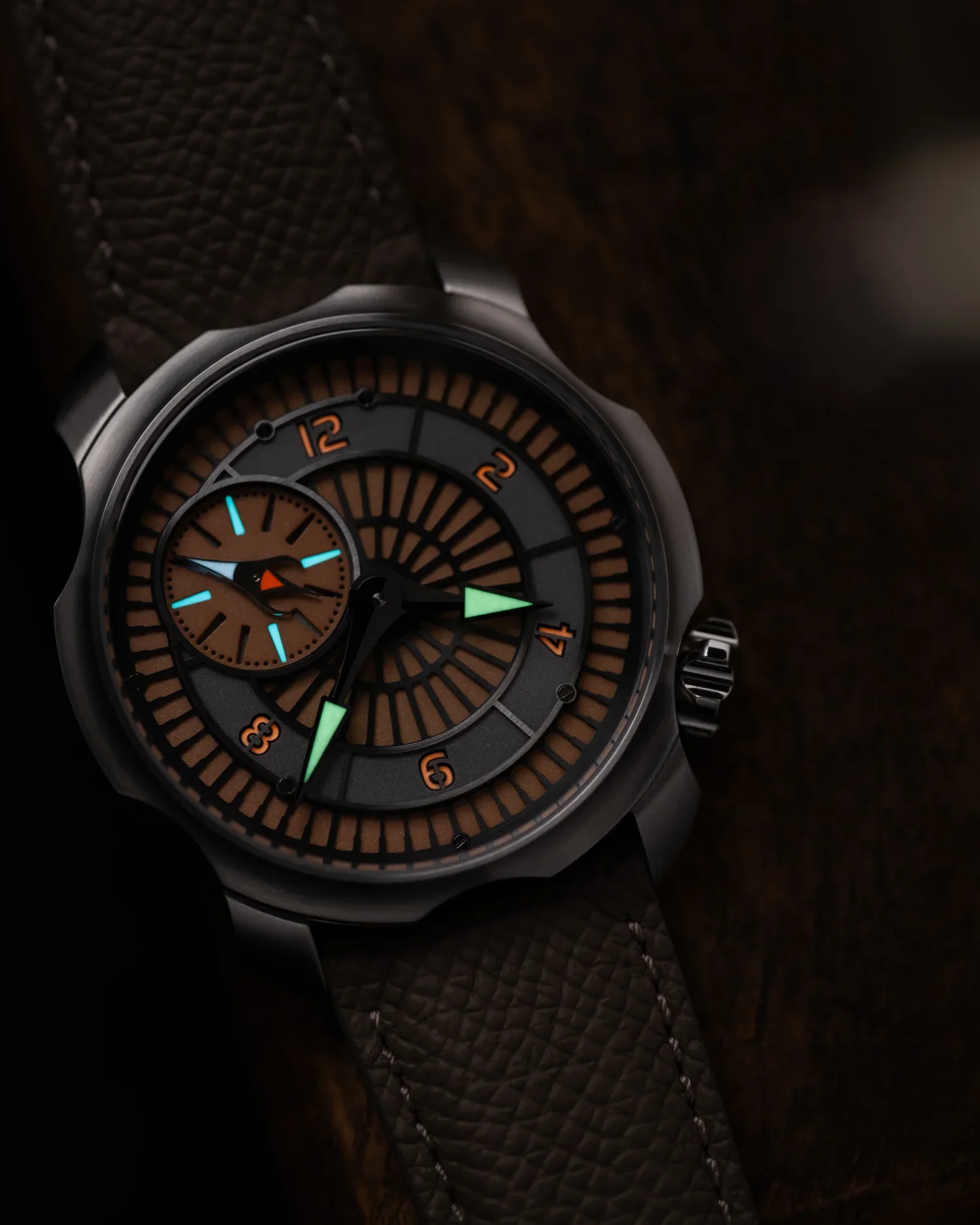
Where Mars becomes its own thing is the base dial tone. Under the hand-finished steel elements and DLC-treated framework, the Mars version uses a red gold-plated matte base that radiates warmth, and the hands are dark, two-tone, and filled with lume for contrast.
It is not “red dial” in the usual sense. It is more like a glowing backdrop, which makes the dial feel deep and slightly hypnotic when the light catches it.
Case and wear: Korona still rules
Sarpaneva’s Korona case is one of those shapes that’s instantly recognisable once you’ve seen it in person. The dimensions on paper suggest something assertive, but the proportions are tidy:
42mm diameter
10.4mm thick
46mm lug to lug
Screw-down crown at 4 o’clock
100m water resistance
Sapphire front and back with anti-reflective treatment
The case material is also part of the story: high-grade Finnish Outokumpu stainless steel, with alternating brushed and polished surfaces.
If you like cases that feel “designed”, rather than simply engineered, Korona remains a high point in the indie world.
Movement: Chronode inside, Sarpaneva finishing and personality
Inside is a modified Chronode P.1003 automatic, running at 4Hz (28,800vph) with a 60-hour power reserve. The display is hours, minutes, and small seconds, with that seconds register pushed to 10 o’clock to match the dial architecture.
Studio Sarpaneva also lists the calibre details as:
31mm
244 components
34 jewels
Rhodium plating with matte finishing
Turn it over and you get the signature touch: the Moonface rotor, mounted on a ceramic ball bearing, visible through the sapphire caseback.
Chronode tends to be a reassuring name in independents because it signals a serious base, and here it feels like the perfect backbone for a watch that is, visually, anything but conservative.
Strap options: leather standard, Moonbridge if you want the full statement
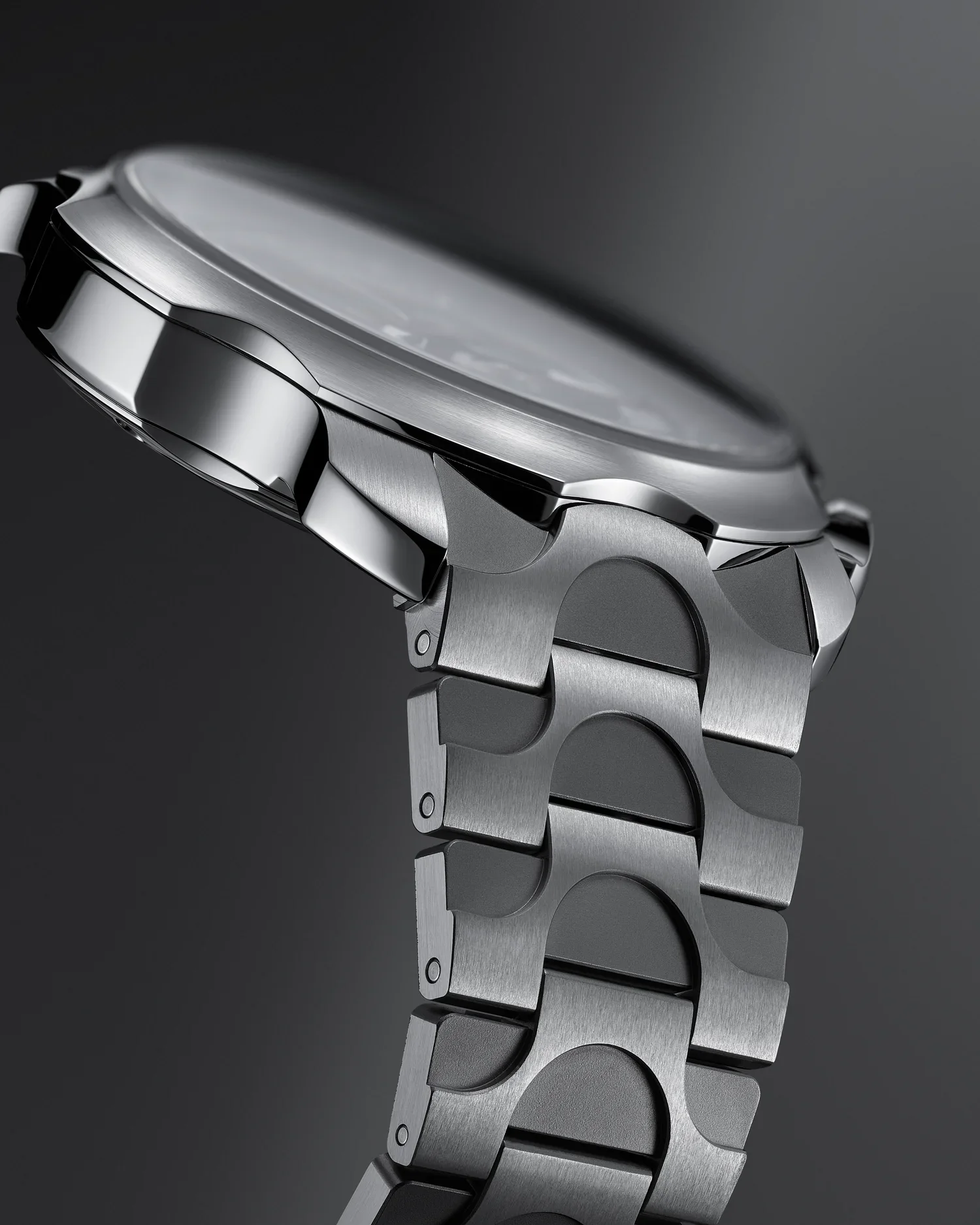
The watch ships on a handmade Sarpaneva leather strap with a steel pin buckle. There is also an optional Moonbridge steel bracelet, which adds a chunk of cost but absolutely changes the character of the watch, making it feel more “object-like” and architectural.
Availability and price
This is properly limited: 20 pieces for the Mars version. Price is listed at EUR 16,500 excluding VAT, with the Moonbridge bracelet as an additional option (not included in that base price).
The feel of it: why Stardust Mars works
What I like about Stardust Mars is that it does not try to be polite. A lot of high-end independents flirt with bold dials, then pull back at the last second to keep it “safe”. Mars commits.
It is also a reminder of why Sarpaneva matters in the first place. The brand’s visual world is coherent, and yet the watches still feel handmade, idiosyncratic, and slightly mischievous.
If you want a watch that disappears under a cuff, this is not it. But if you want something that feels like a personal totem, built by a small studio with a very clear point of view, the Stardust Mars nails the brief.
All image rights - Studio Sarpaneva