There was a time, not too long ago, when buying a watch from a microbrand felt like a compromise. You accepted the anonymous case shape and the stock Seiko movement because it saved you £1,000.
But look at the landscape today in mid-2026. The independent watch market has exploded into a fascinating, chaotic ecosystem. We aren’t just looking at affordable dive watches anymore; we are seeing Grand Feu enamel dials from Selten, 1200-Vickers hardened steel from Traska, historic military revivals from Airain and avant-garde wandering hours from Xeric.
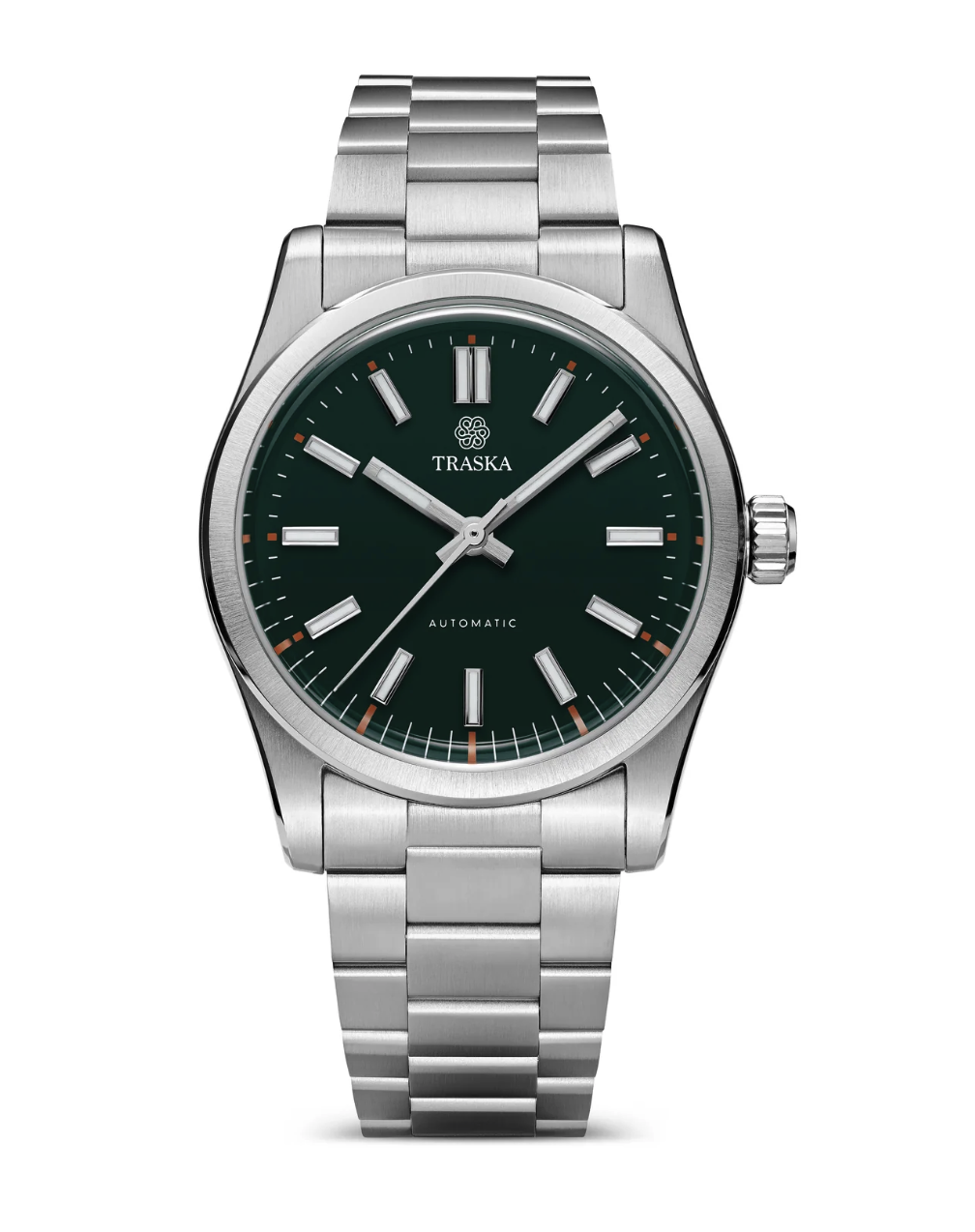
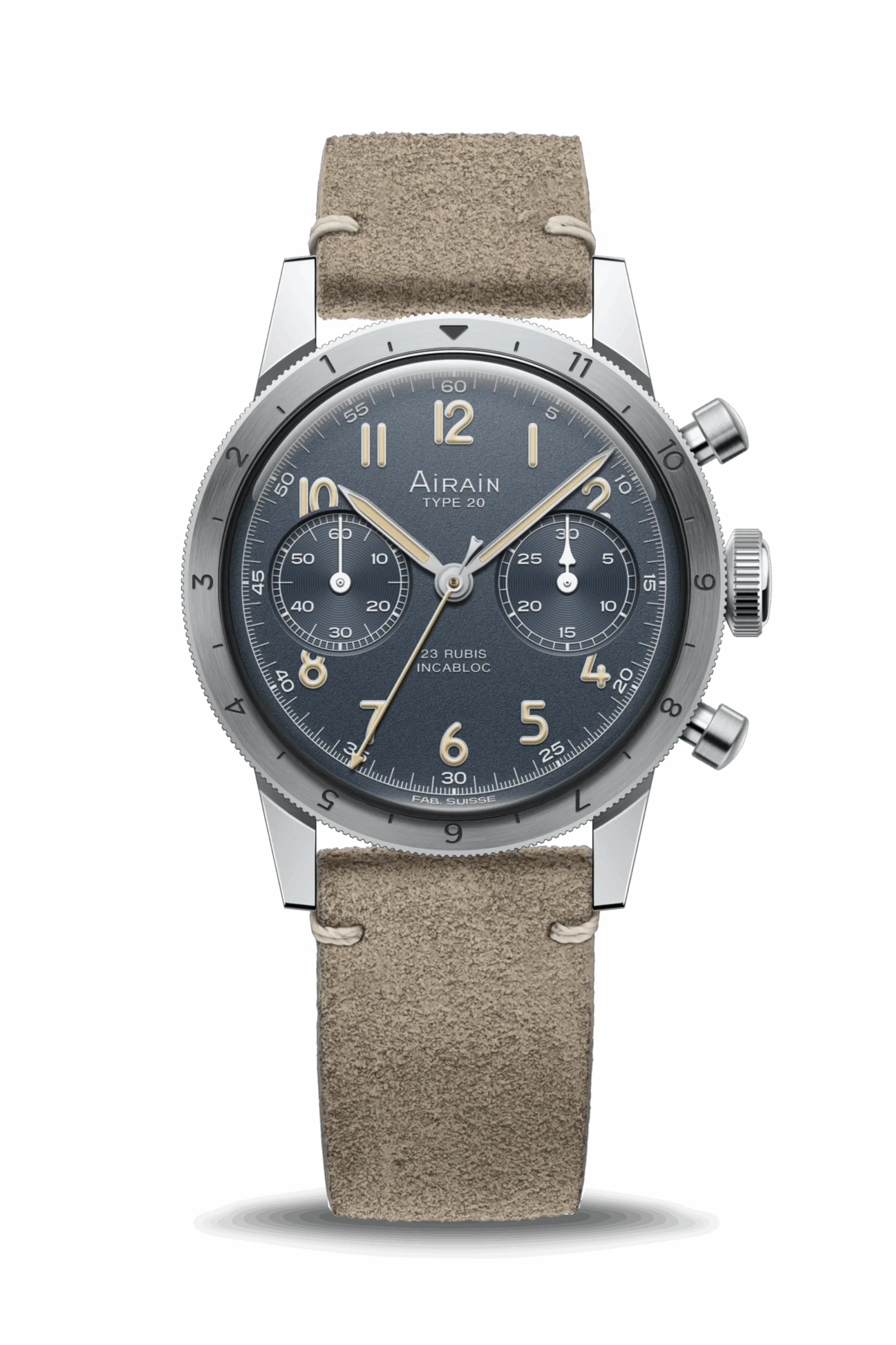
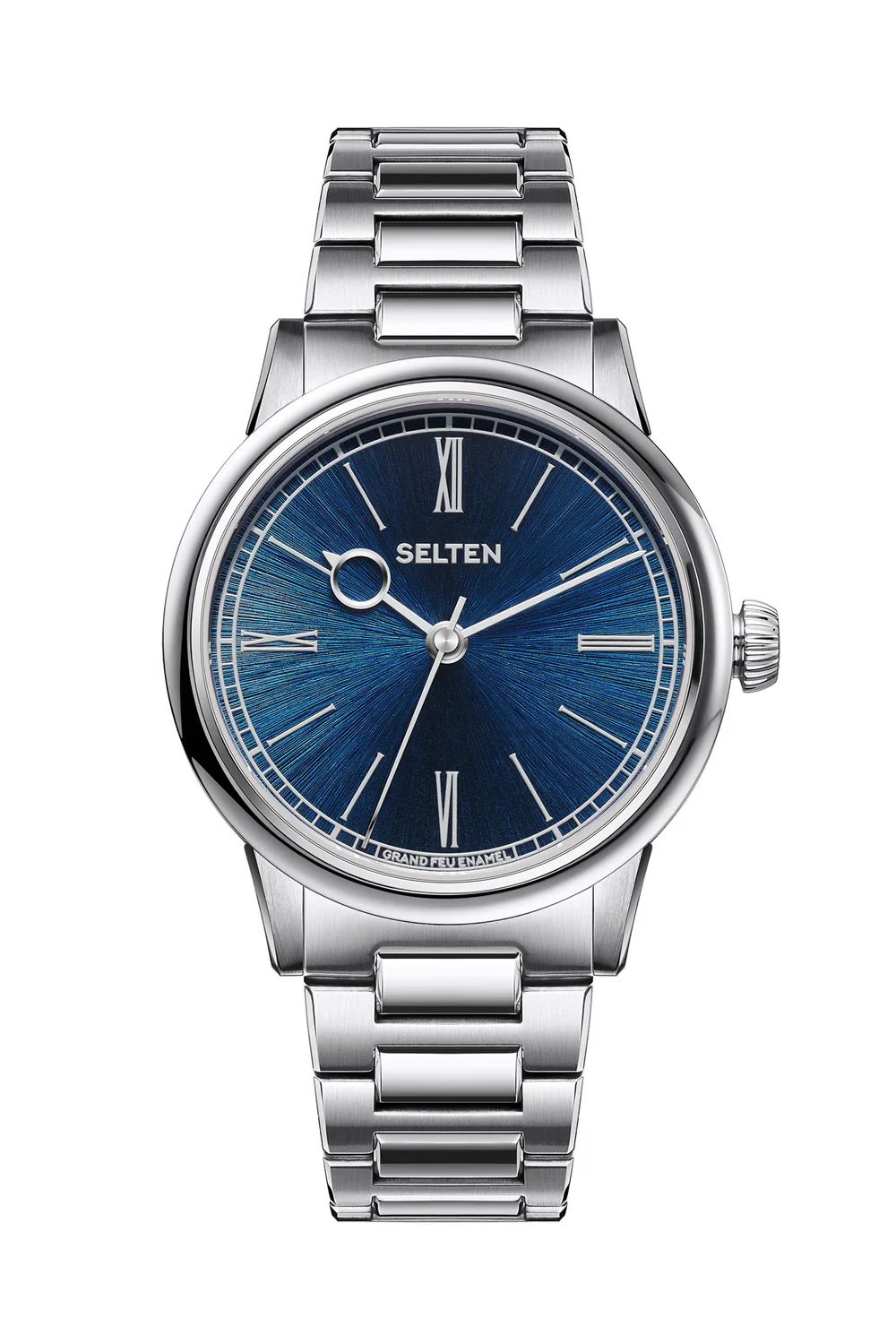
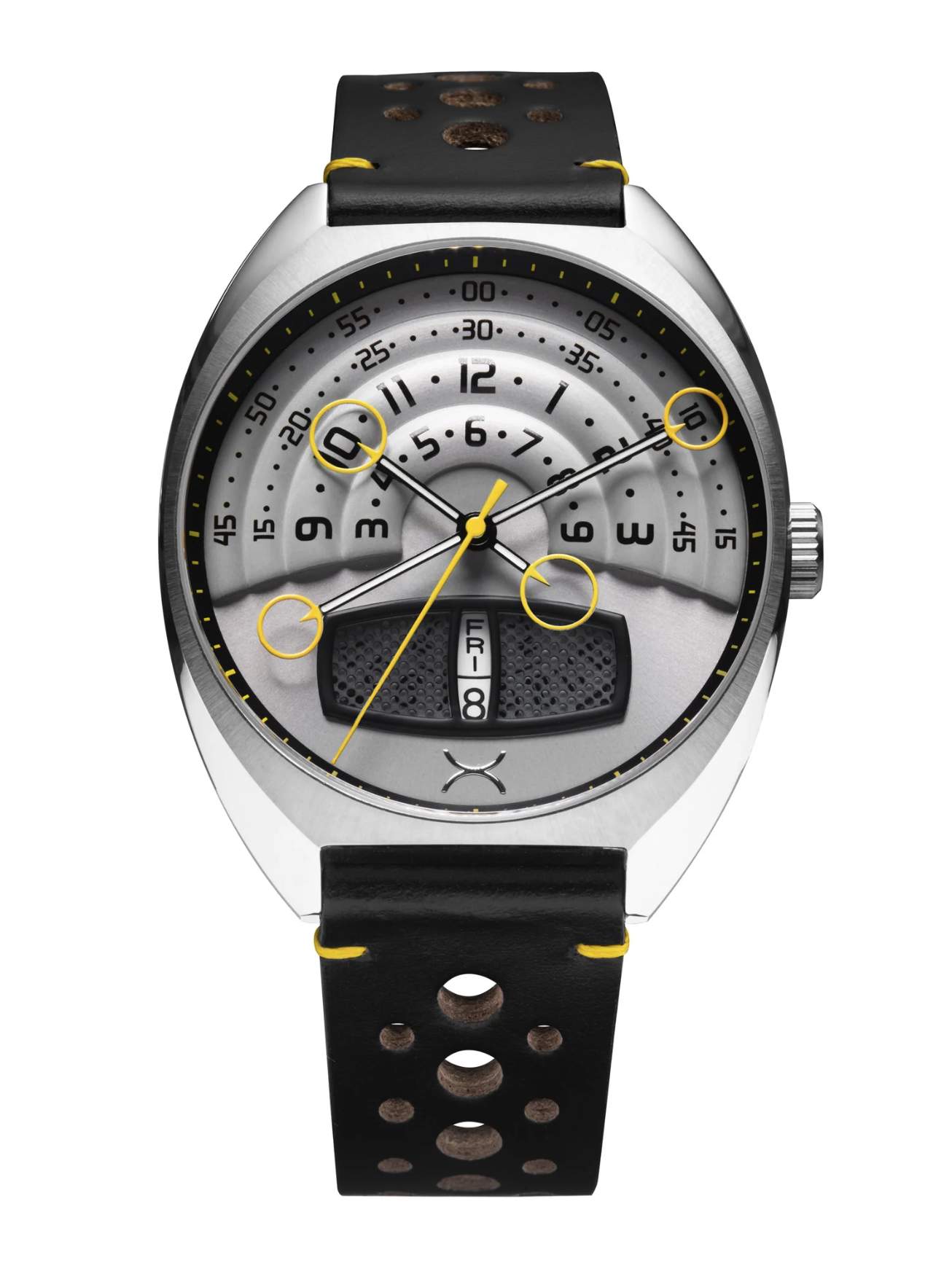
Microbrands are no longer the "budget alternative", they are driving the conversation. But this rapid evolution has divided collectors into two very distinct camps, creating what I call the Microbrand Paradox.
Camp A: The Spec-Sheet Zealots
For this side of the community, microbrands exist to beat the traditional Swiss luxury giants at their own mechanical game. Success is measured by numbers and materials. If a watch doesn't feature an ultra-thin profile, a high-beat Miyota 9-series or Sellita movement regulated to multiple positions, an on-the-fly micro-adjustment bracelet, and a scratch-resistant coating, the Spec Zealot passes. Brands like Nodus, Monta, and Zelos have mastered this formula. They offer build quality that legitimately rivals $5,000 luxury watches for a fraction of the price. To this camp, a watch is a precision instrument, and value is king.
Camp B: The Design Romantics
Then there are the collectors who couldn't care less about Vickers hardness. They are looking for a feeling.
This camp gravitates toward the design-first innovators and historic revivals. They want the mid-century travel romance of a 36mm Lorca Model No. 1, the dashboard-instrument vibe of an Autodromo, or the deep historical weight of a resurrected Sherpa or Ollech & Wajs. If a watch uses a standard mineral crystal or an unregulated movement, it doesn't matter, so long as the case geometry and dial artistry tell a compelling story. To them, a watch is wearable art.
The Great 2026 Crossroad
This divide forces us to ask a difficult question about our own collections: What are we actually paying for?
The Spec-Monster Approach
Primary goal: Overbuilt durability & mechanical perfection
Key champions: Traska, Formex, Nodus, Islander
The risk: Beautifully engineered but visually generic
The Design-First Approach
Primary goal: Artistic expression & historical narrative
Key champions: Lorca, Baltic, William Wood, Xeric
The risk: Stunningly unique but mechanically basic
When a microbrand crosses the $1,500 mark, as many premium independents do today, the tension peaks. Are you buying a titanium Zelos because the material science is cool, or are you buying a Serica because the French design language is unmatched?
The Verdict
There is no wrong answer, but the middle ground is shrinking. As major corporate watch brands continue to raise their prices, microbrands have stepped up to fill the void, some by engineering bulletproof tools, others by keeping horological romance alive. Either way, we love what’s happening in the microbrand world, and may it long continue.