The Swiss Civil War: Regional Rivalries Inside The World’s Watch Capital
When people say “Swiss made” they picture one seamless luxury machine a single, unified idea of precision stamped on every dial from Geneva to Basel. But that’s just marketing fiction. Peel back the label and you’ll find a country whose watch industry was never one thing at all, but a scattered collection of valleys and cantons that have been quietly, fiercely rivalrous for the better part of three centuries!
Geneva’s old-money maisons look down the road at the Vallée de Joux’s mountain workshops. The industrial Jura Arc churns out tool watches at a scale neither could match. And up near the German border, Schaffhausen does its own thing entirely. Each region built a different philosophy of what a “good watch” even means and each still has flagship brands actively defending that philosophy today.
So, let’s see how the real Switzerland stacks up, region by region.
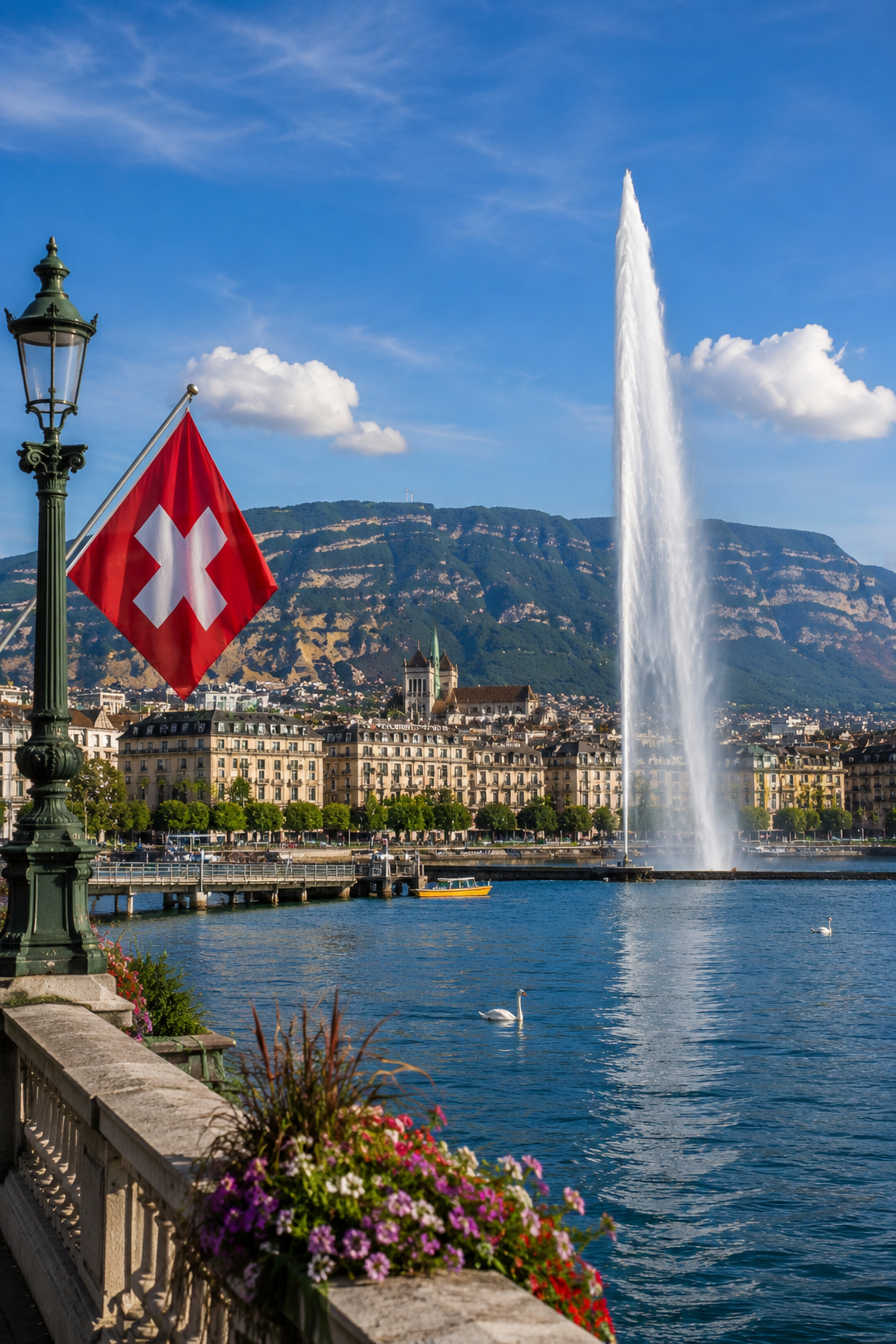
1. Geneva (The Old Aristocracy)
Brands: Patek Philippe, Vacheron Constantin, Rolex, Chopard.
Home of the Poinçon de Genève Switzerland’s oldest quality certification, established in 1886 Geneva is where the whole industry began in the 1500s, after Calvinist sumptuary laws pushed the city’s goldsmiths into watchmaking as an acceptable outlet for their craft.
Pros:
Oldest guild pedigree in the industry over 400 years of continuous refinement
Unmatched prestige and secondary-market strength; Patek and Vacheron routinely set auction records
Most conservative, restrained finishing standards subtlety over spectacle
Deep in-house manufacturing across movements, cases, and complications
Cons:
Glacial pace of design change by philosophy don’t expect radical reinvention year to year
Extreme unattainability at the top end; waiting lists and allocation politics are the norm
Can read as institutional and financial rather than workshop-and-craft
Heritage-driven pricing means very little true entry-level access
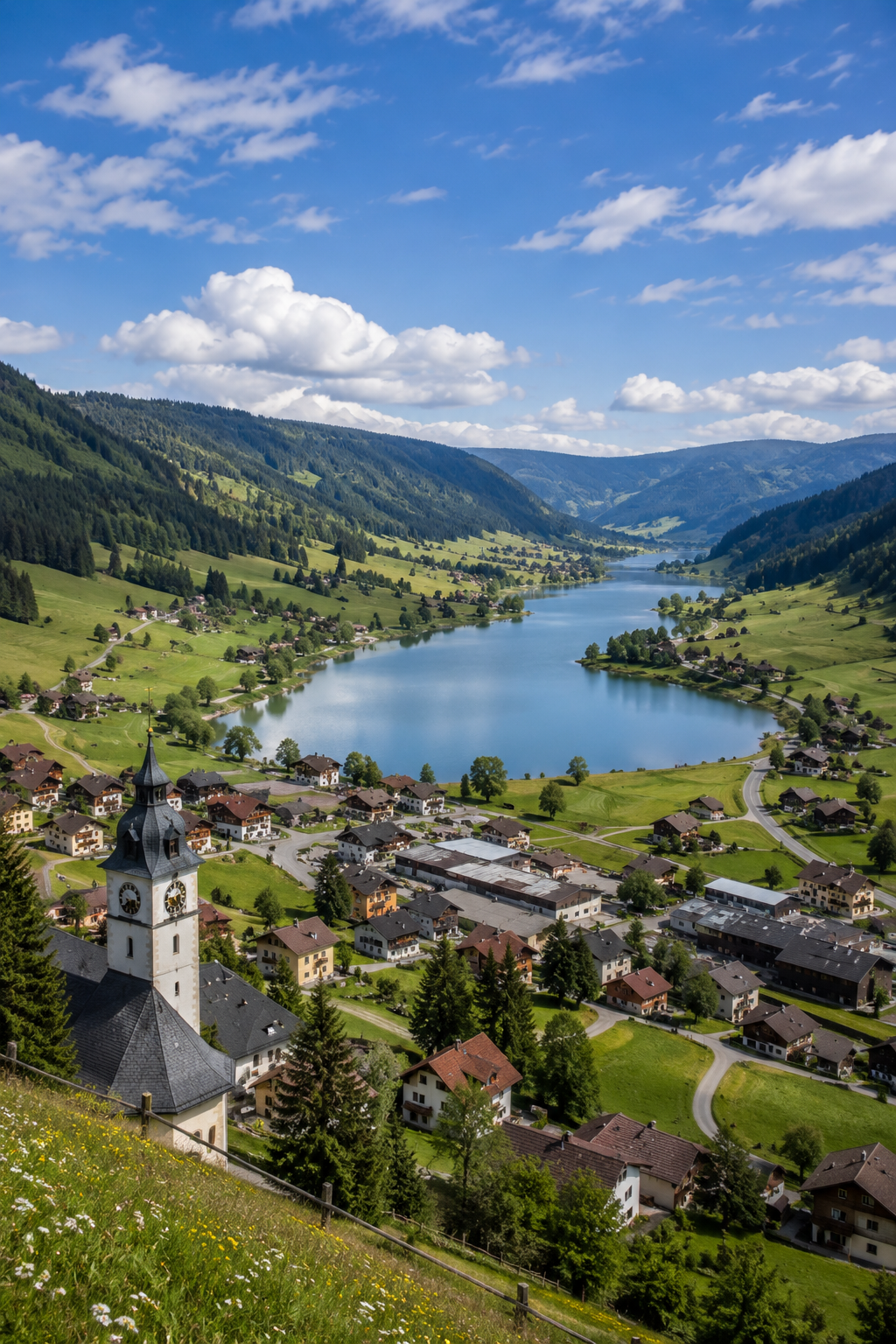
2. Vallée de Joux (The Mountain Craftsmen)
Brands: Audemars Piguet, Jaeger-LeCoultre, Blancpain, plus independents Philippe Dufour and Romain Gauthier
An hour from Geneva but a different world a remote valley in the Jura Mountains, cold enough to be nicknamed the “Vaud Siberia” . The valley has produced world-renowned brands including Audemars Piguet and Jaeger-LeCoultre since 1748 , and Geneva historically relied on it to supply components and high-complexity calibres .
Pros:
The genuine R&D engine of Swiss horology most serious complications trace back here
Farmhouse-to-factory lineage gives it real “craft, not just marketing” credibility
Produces some of the most respected living independent watchmakers in the world
Tight-knit valley means concentrated, generational expertise per village
Cons:
Isolation breeds insularity and small-batch limitations
Longer waits and lower output than more commercial rivals
Harder for newcomers to break in allocation and relationships matter more than cash
Some designs skew conservative to protect the “serious watchmaker” reputation
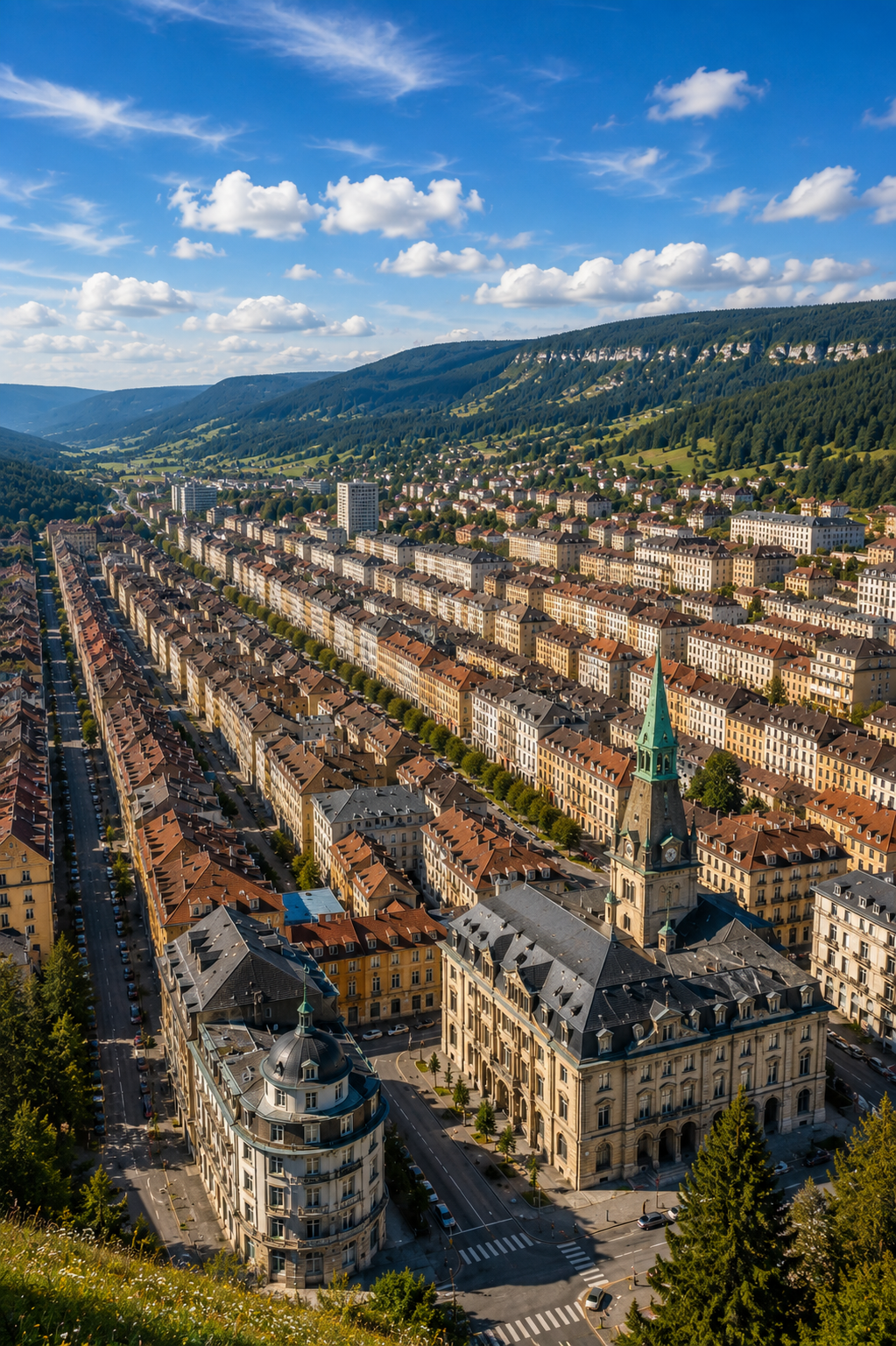
3. The Jura Arc — La Chaux-de-Fonds & Le Locle (The Industrialists)
Brands: Omega, Longines, Tissot, TAG Heuer, Breitling, Zenith
Work was farmed out to families across the Jura Mountains during winter, with entire villages specialising in single components before parts returned for final inspection the system that turned Swiss watchmaking from craft into industry. La Chaux-de-Fonds and the surrounding Jura Arc today house Breitling, Cartier’s manufacture, TAG Heuer and more .
Pros:
Built the modern tool-watch and sports-watch category Moonwatch, dive watches, chronographs
Best heritage-to-price ratio in the Swiss hierarchy
Massive global distribution and retail infrastructure
Strong track record of genuine engineering firsts (co-axial escapements, chronograph development)
Cons:
Heavier conglomerate ownership (Swatch Group, Richemont) can blur brand identity
Sibling brands under the same parent sometimes compete for the same buyer
Less romantic “one workshop, one family” story to tell versus Vallée de Joux
Design language occasionally chases trend cycles across the group’s stable
The rivalries worth naming outright:

Patek Philippe vs. Vacheron Constantin vs. Audemars Piguet the "Holy Trinity," a Geneva-vs-Vallée de Joux rivalry still fought out at auction.
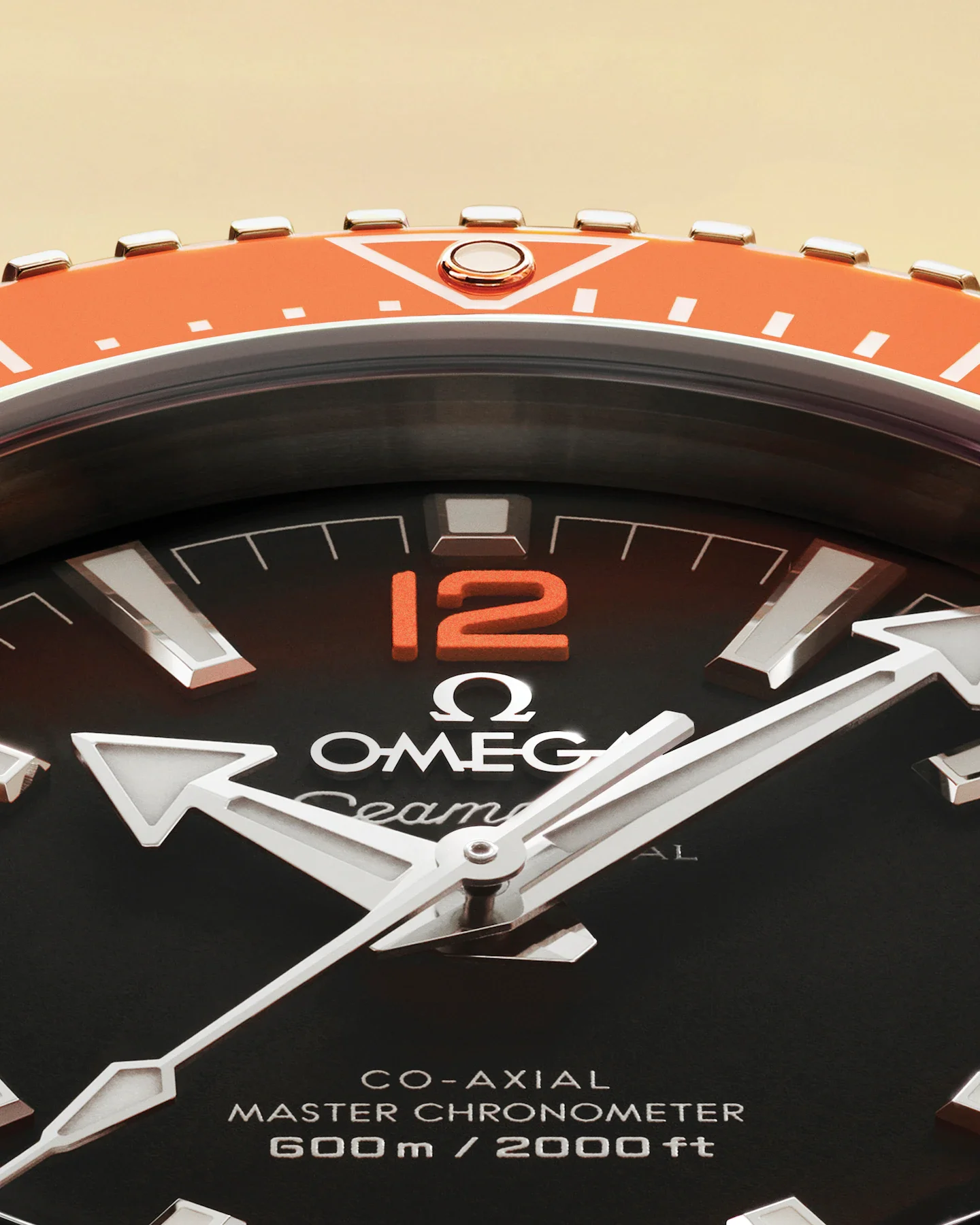
Rolex vs. Omega - Geneva vs. Jura Arc, the definitive tool-watch war (Explorer/Submariner vs. Speedmaster/Seamaster), still actively marketed via space and diving records.
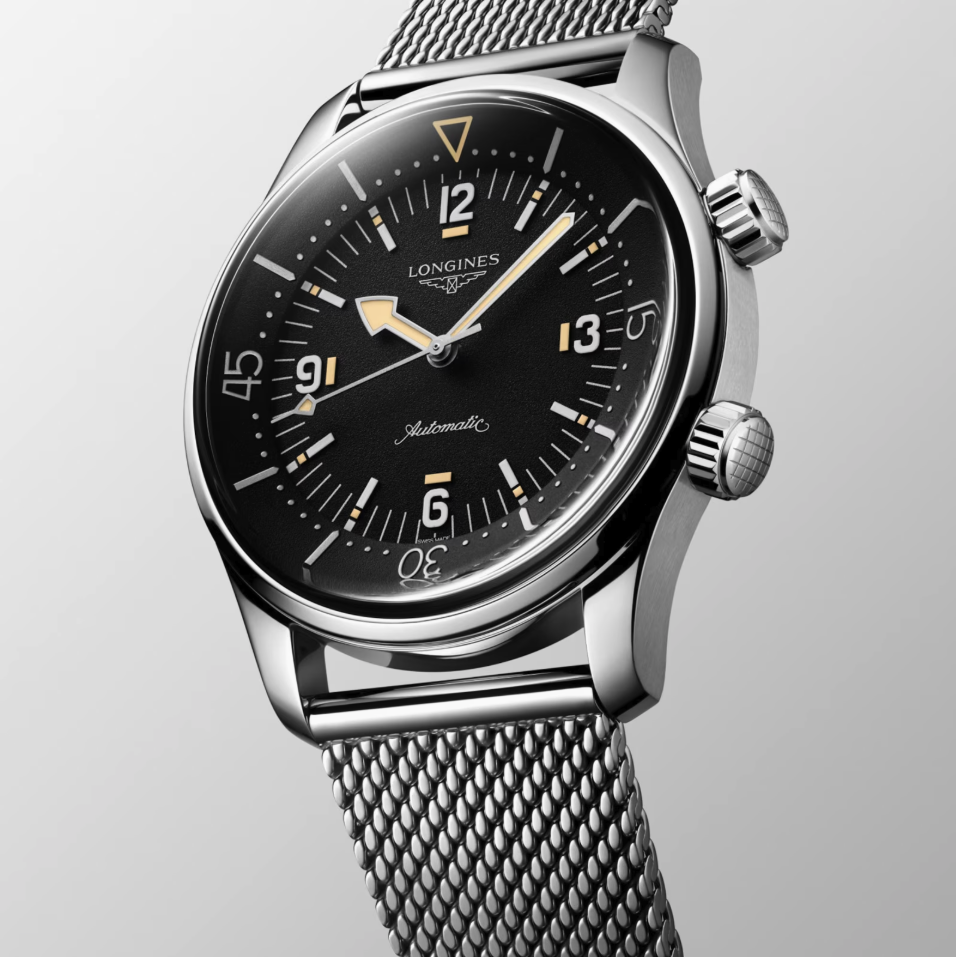
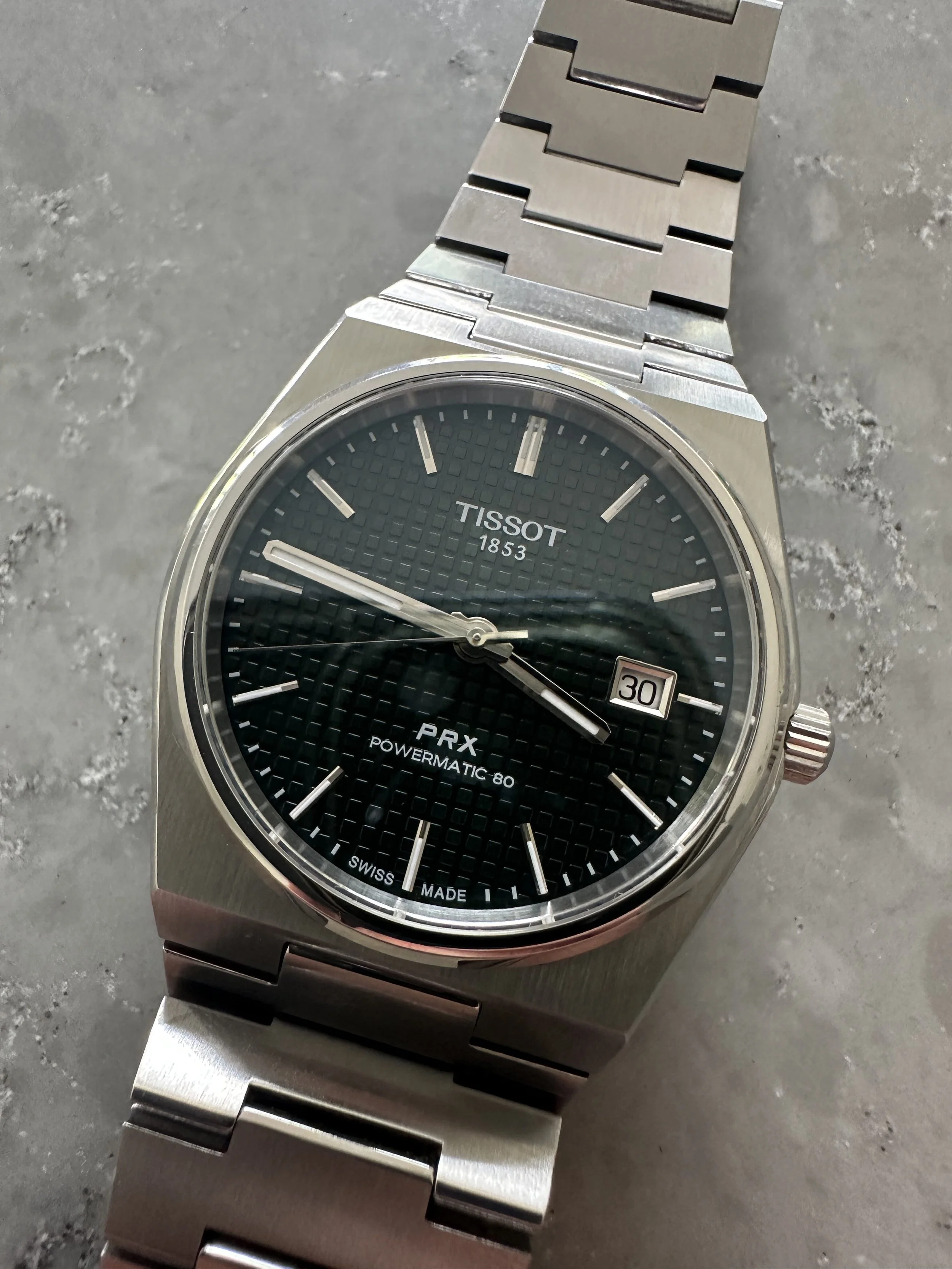
Omega vs. Longines vs. Tissot - the internal one, all three Swatch Group siblings from the same Jura Arc roots, competing for the same "accessible Swiss" customer
What this internal rivalry really proves is that “Swiss watchmaking” was never a single tradition, it’s at least four, all competing brands that happened to end up sharing a passport. Geneva guards prestige and pedigree. The Vallée de Joux guards technical soul. The Jura Arc guards accessibility and scale. Schaffhausen just quietly does its own thing near the German border.
The bottom line is, none of this is settled, neither should it be. These regions, whilst opposing in many ways, combine to bring us the most famous and sought after watch brands on the planet. Long live Swiss watchmaking.