
Why Affordable Watches Are Now More Interesting Than Luxury
For years, the default assumption in watches was simple: the higher you climbed, the more interesting things became.
Better finishing. Better movements. Better history. Better complications. Better everything.
That logic still has some truth to it. There are extraordinary luxury watches being made today, and the top end of horology remains full of technical brilliance. But if the question is not which watches are most expensive, most prestigious, or most difficult to obtain, and is instead which part of the market feels most alive, most creative, and most worth paying attention to, I think the answer in 2026 is the affordable end.
Affordable watches are now more interesting than luxury, not because luxury has become irrelevant, but because too much of it has become predictable.
Let’s start with the big picture…
According to the Federation of the Swiss Watch Industry, Swiss watch exports fell 1.7% in value in 2025, while wristwatch export volumes dropped 4.8% to about 14.6 million units. Industry analysis this year has also highlighted how sharply volumes have fallen over the longer term, even as average prices continue to rise. In plain English, fewer watches are being sold, and the industry has increasingly relied on charging more for them. That may make financial sense for some brands, but it does not automatically make the product more compelling for enthusiasts.
That pricing pressure changes how collectors look at value. Once a brand moves far enough upmarket, every decision becomes easier to question. A safe dial feels safer, an incremental update feels more cynical, and a heritage reissue feels more like an idea formed around the boardroom than a passion project. When a watch costs several thousand pounds, collectors expect not just quality, but excitement. Increasingly, a lot of luxury watches deliver the first and miss on the second.
Affordable watches, by contrast, often still have to win people over the hard way.
They need a strong idea. They need proportion. They need personality. They need a reason to exist beyond a one time instagram viral post. Now, because they cannot rely on decades of status signalling to carry the sale, they often end up being more imaginative. That is exactly why so much of the buzz in recent years has come from smaller brands and lower price points.
WatchPro’s year-end view of 2025 noted that independents and microbrands had an outsized impact on the market, while Dubai Watch Week showed how much attention smaller makers could command even alongside the biggest luxury names.
You can see this in the watches themselves.
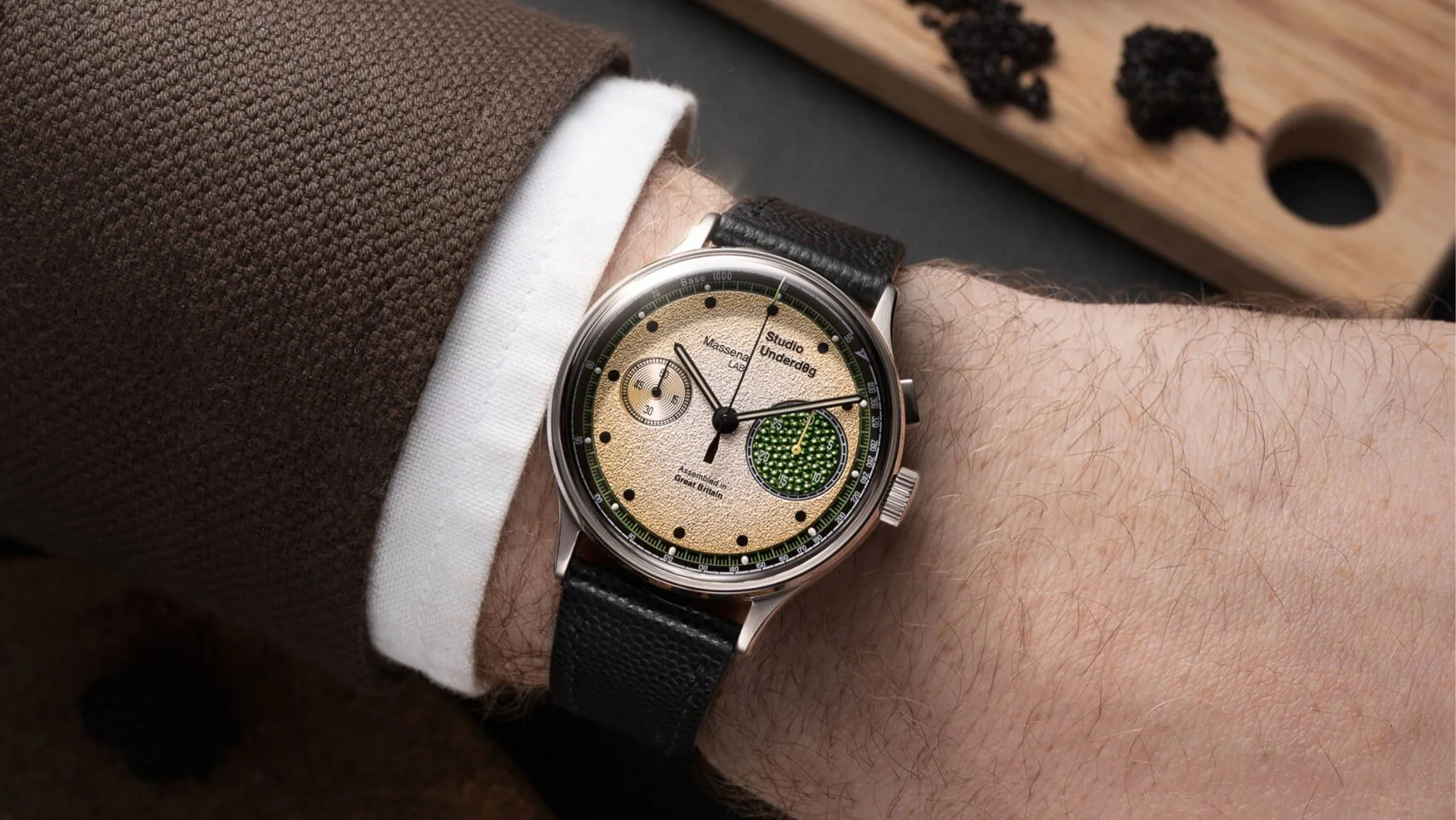
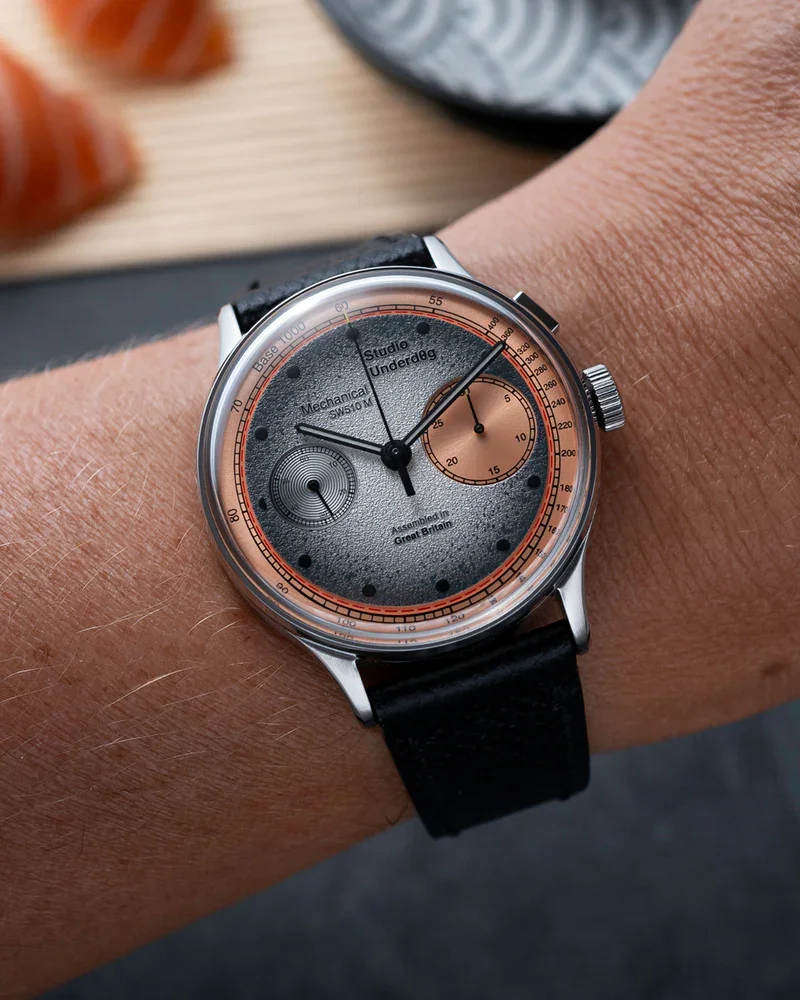
Look at Studio Underd0g. We’ve wax’d lyrical about them in the past few months. It built real enthusiasm by refusing to behave like a traditional prestige brand. Instead of solemn marketing and staying between the lines, it offered creativity, humour, and design that people actually wanted to talk about. The 03SERIES Salm0n took one of the most overused enthusiast colours in modern watchmaking and made it feel fresh again, while the Massena LAB Champagne & Caviar sold out in 12 minutes, accordingly to the interweb.
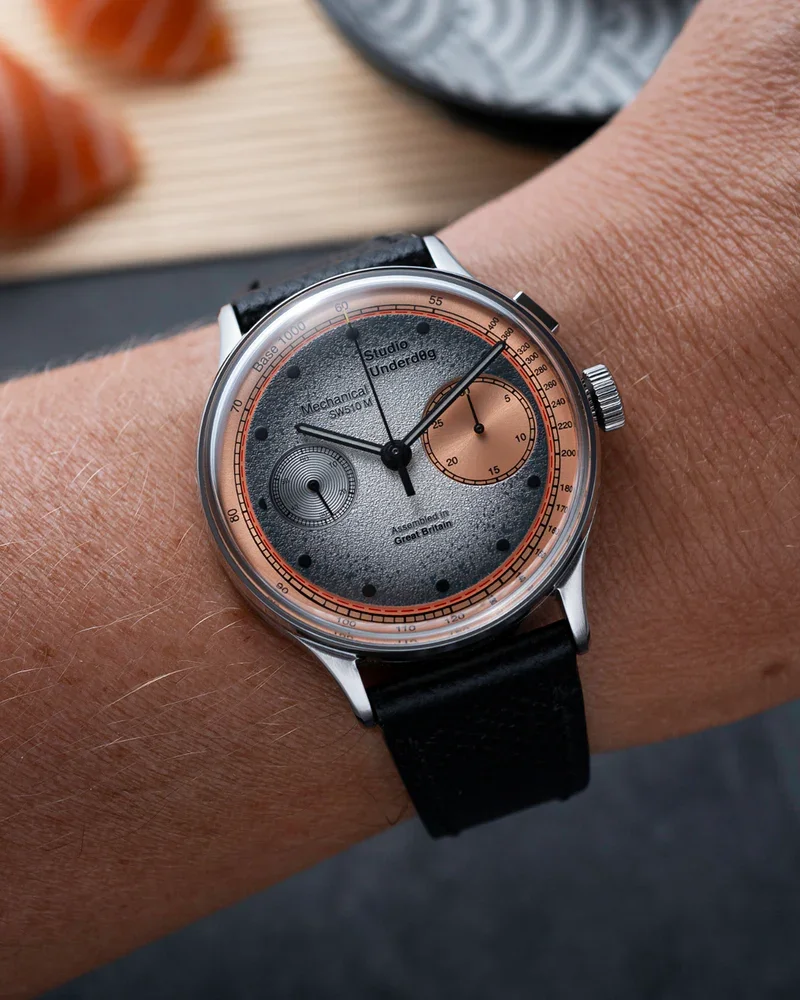
That is not just clever branding. That is evidence that collectors still respond to originality when they see it.
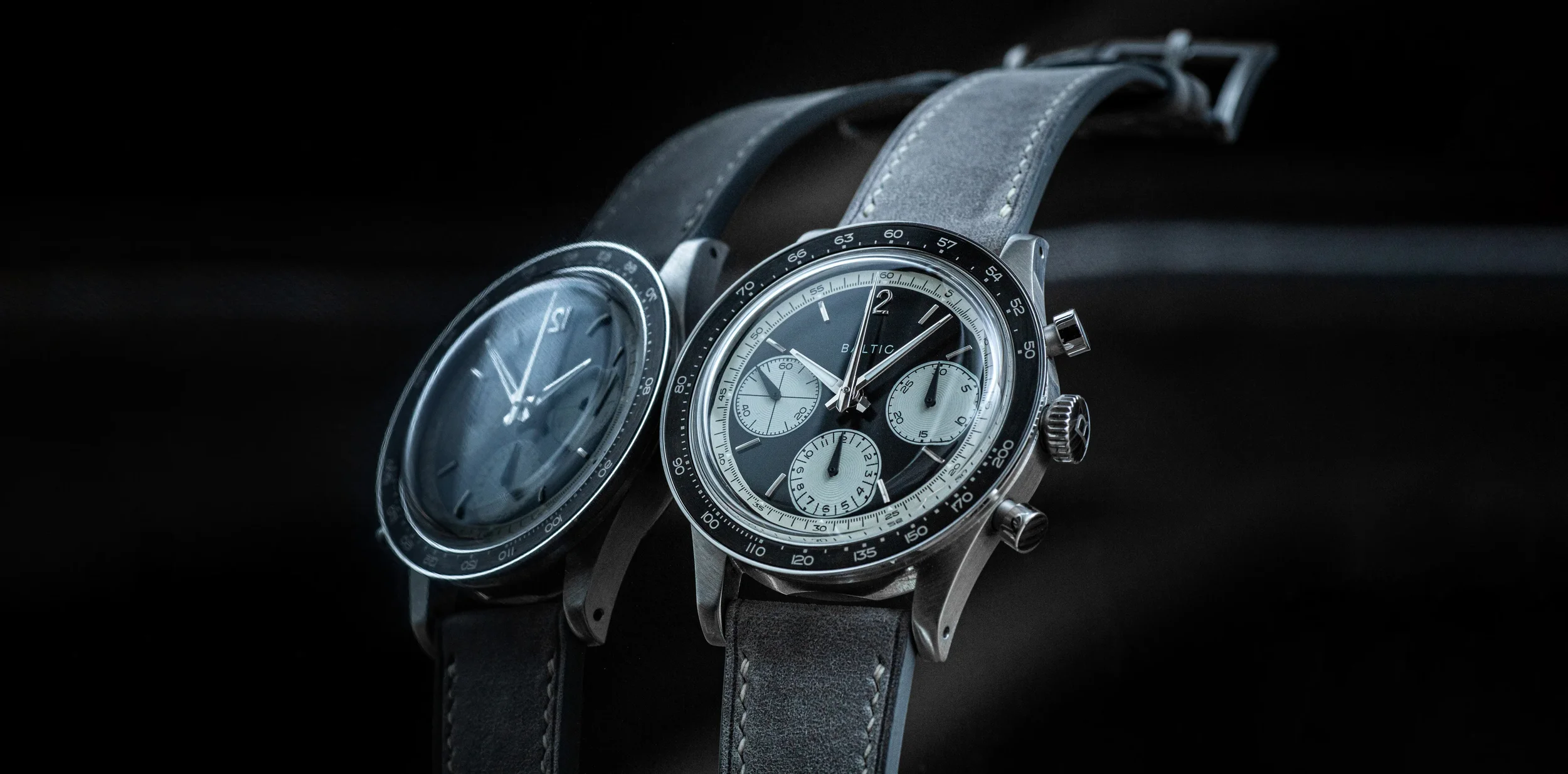
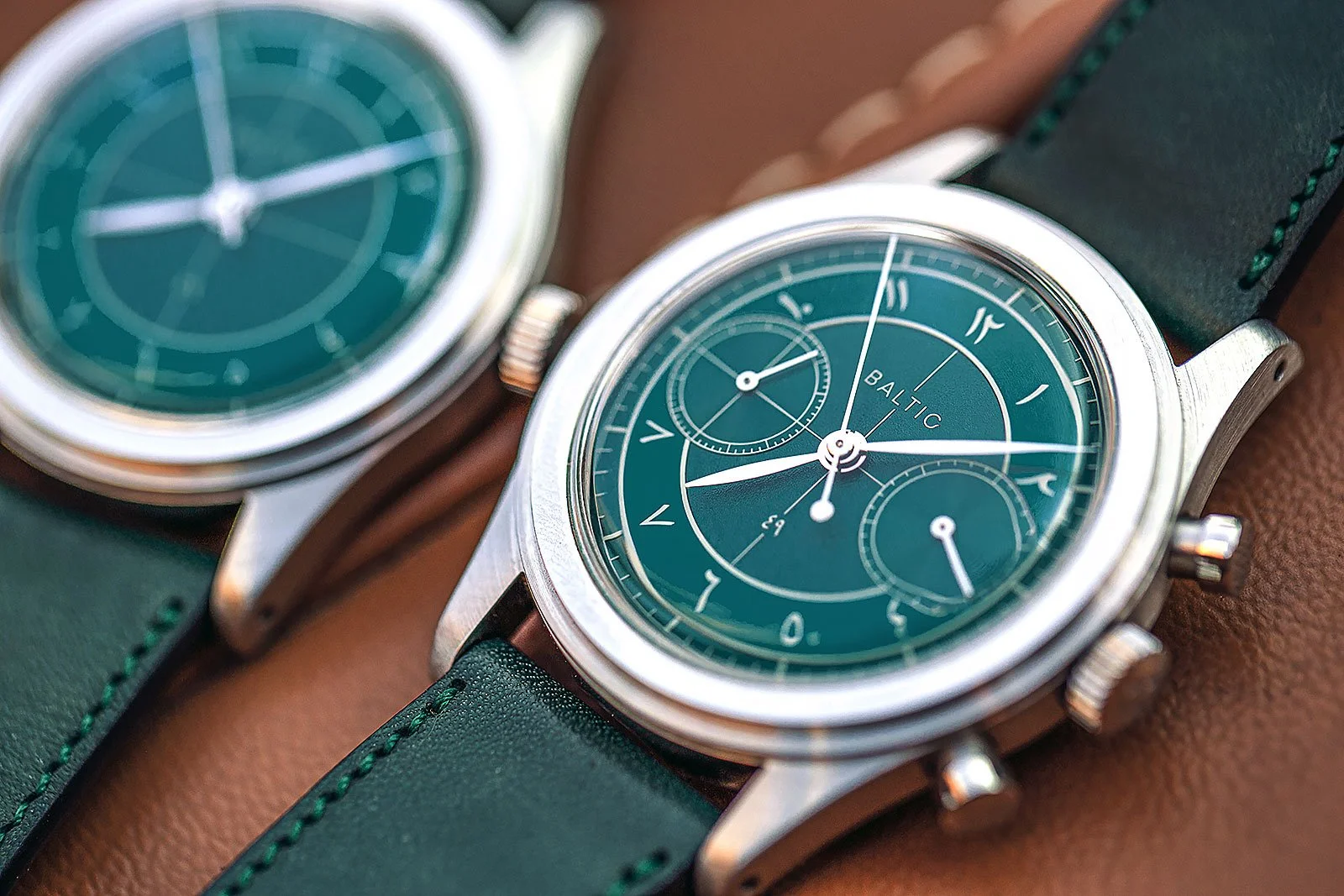
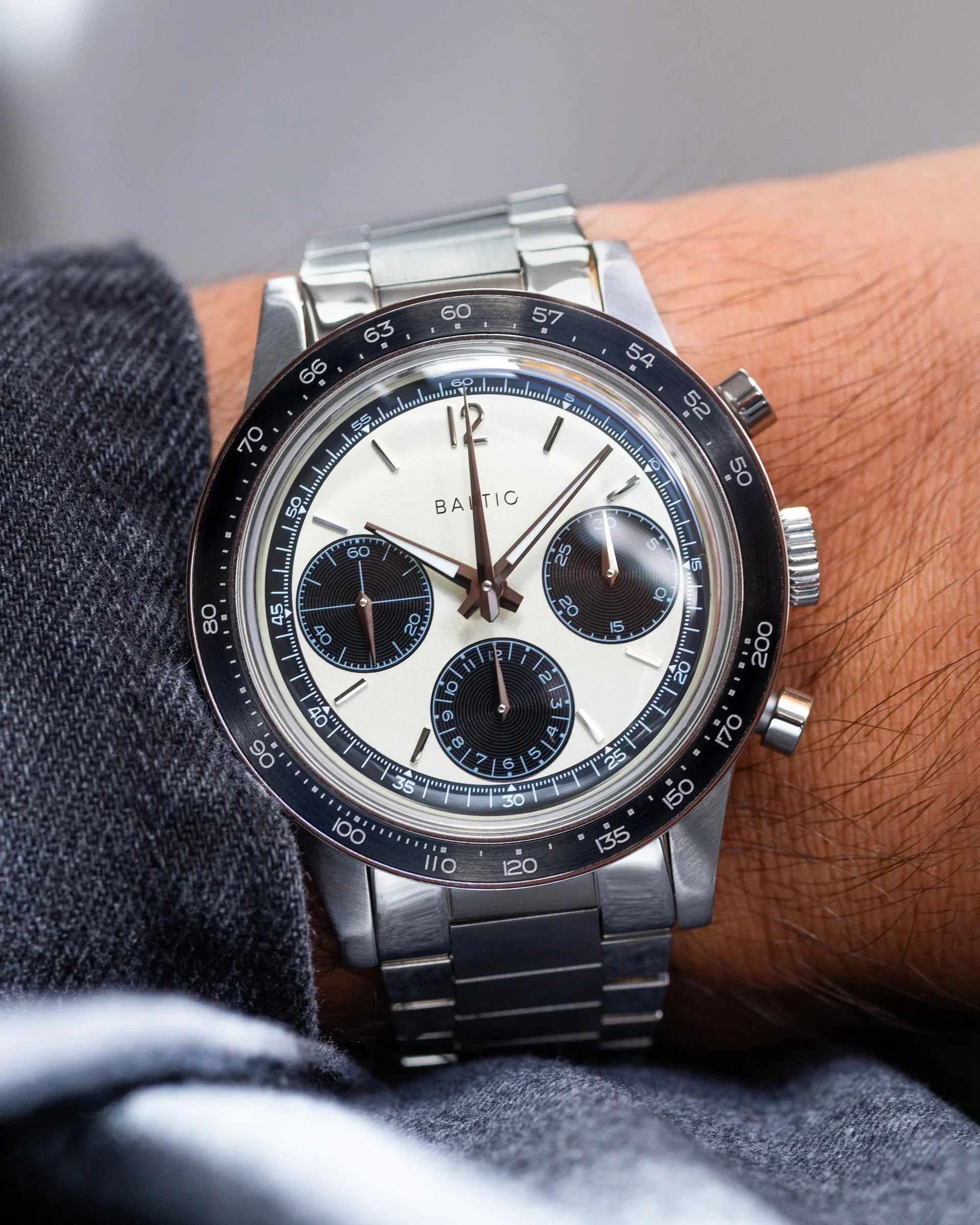
Or take Baltic; we love them!. The brand continues to operate in a space where the buyer can still feel pleased with themselves rather than financially bludgeoned. The Hermétique Tourer is a compact, wearable field watch with 150 metres of water resistance and a genuinely thoughtful design. The Scalegraph Tour Auto 2025 brought screw-down pushers, 100 metres of water resistance, and a hand-wound Sellita chronograph movement. None of this needs a waiting list or a security guard at the boutique to feel desirable.
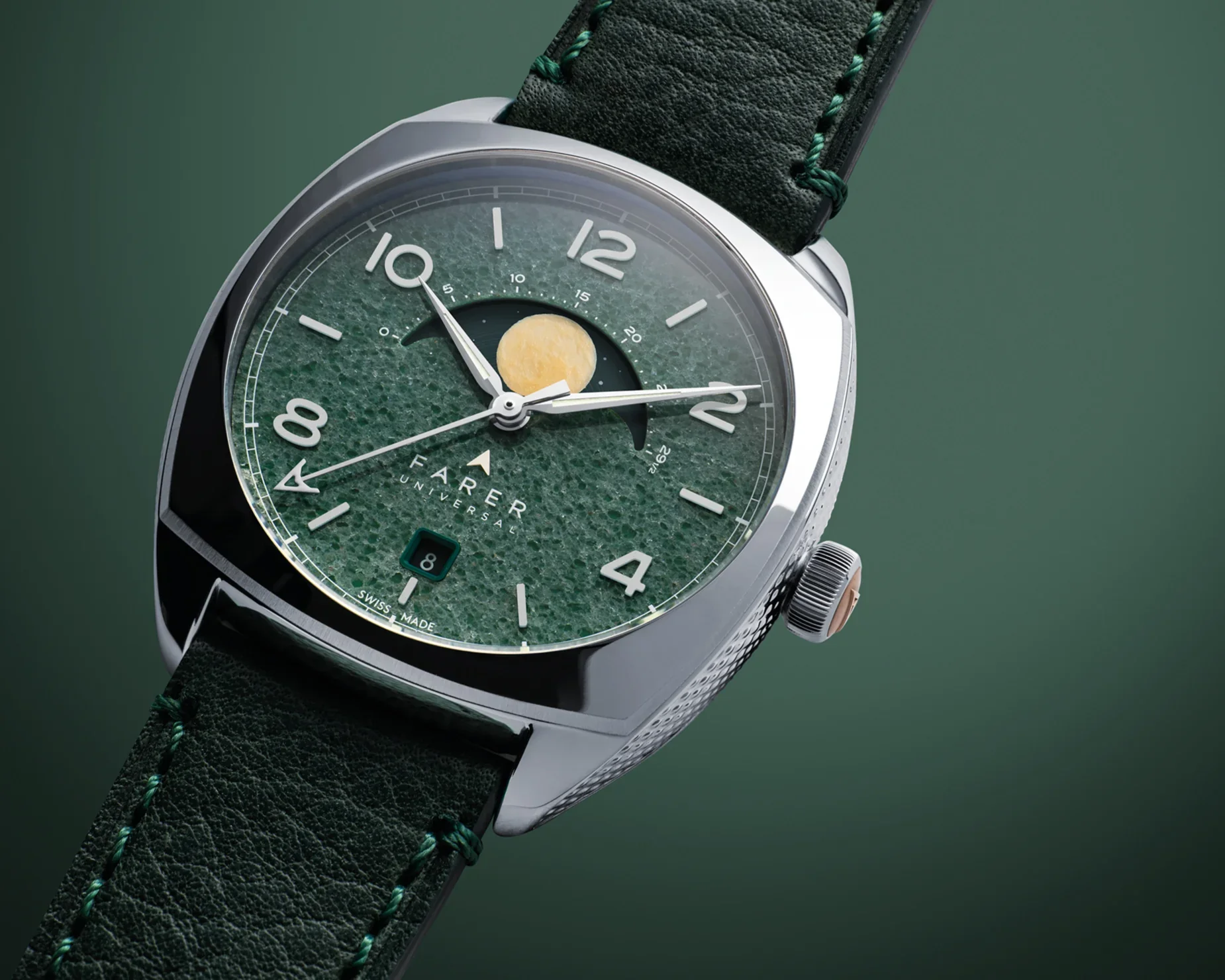
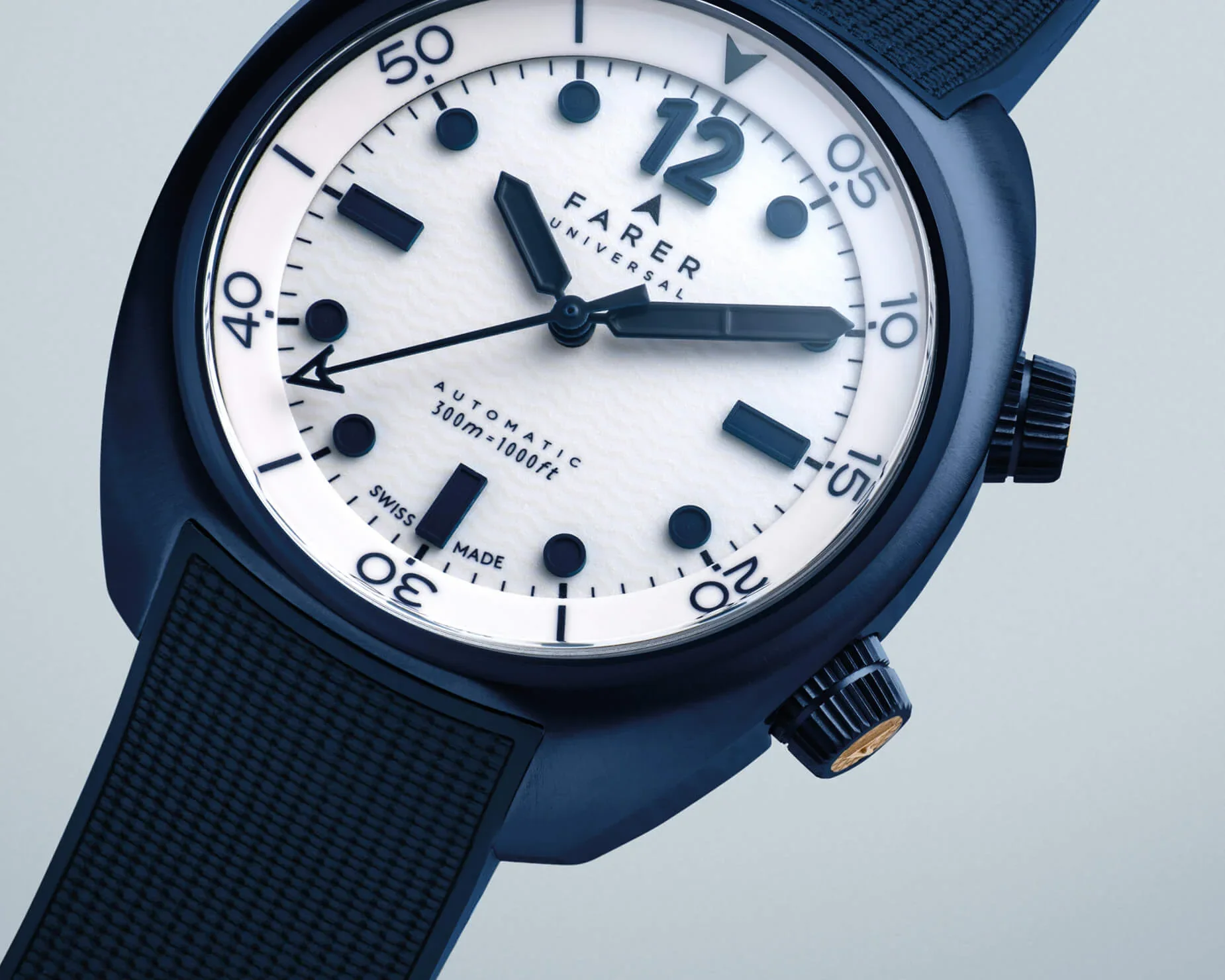
Farer is another good example. It continues to prove that colour, typography, and detail can make a watch memorable without requiring luxury-level pricing. Its moonphase collection, with hand-painted luminous moons, is exactly the sort of thing that reminds you why watches are enjoyable objects in the first place. There is craft there, certainly, but there is also whimsy, and luxury has become oddly frightened of whimsy.
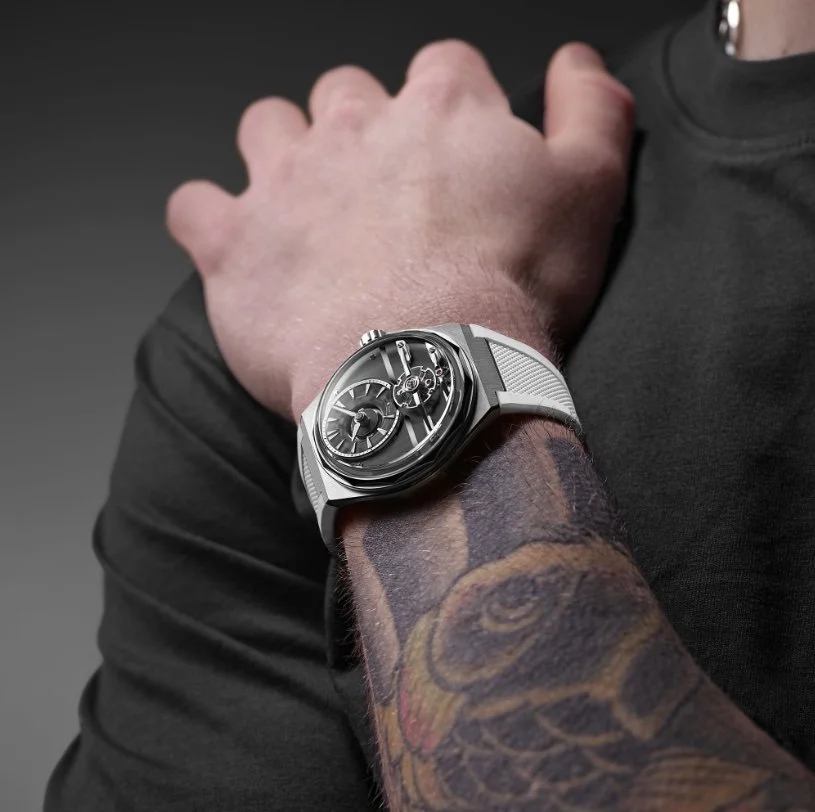
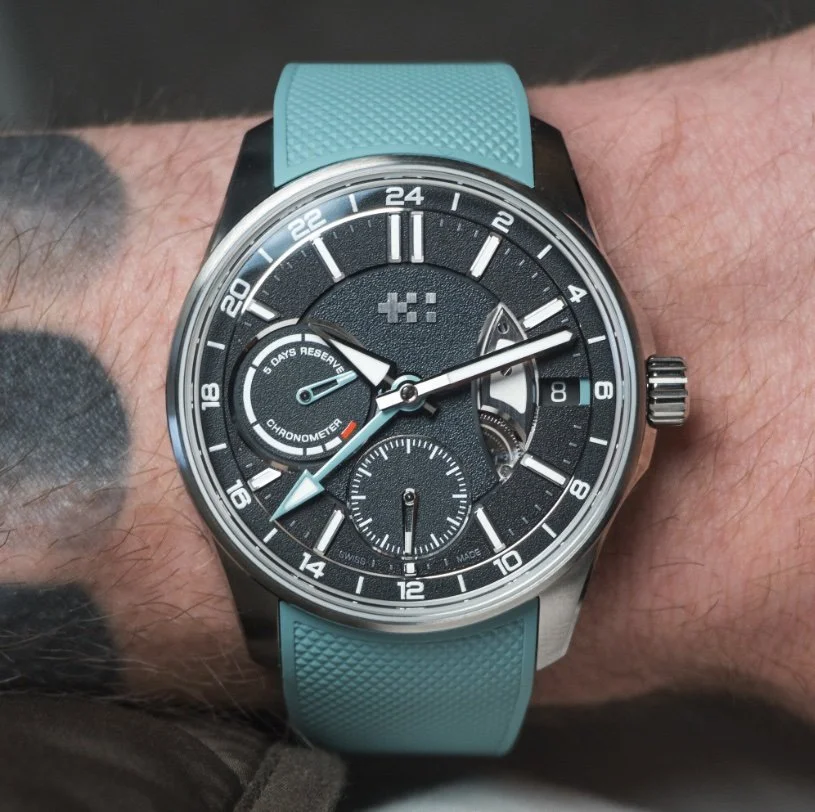
Even Christopher Ward, a brand that has grown out of the micro brand market, but is still stretching beyond what many people would call truly affordable, illustrates the same point. The reason collectors keep paying attention is not that the name carries inherited prestige. It is because the brand keeps trying things. The C1 Bel Canto and C12 Loco feel like products built to spark interest first and fit neatly into a pricing ladder second. That spirit matters. It is one of the reasons the affordable and near-affordable end of the market feels more alive than the traditional luxury mainstream.
There is also a cultural reason affordable watches now feel more interesting.
Luxury has become too self-conscious. Too much of the conversation is about resale, allocations, scarcity, and whether a watch is worth buying rather than whether it is worth loving. That does not mean those watches are bad. It means the discourse around them has become exhausting.
Affordable collecting is healthier because it remains closer to taste than to performance. People buy a Lorier because it nails a mood. They buy a Serica because the design language feels coherent. They buy a Farer because the colours make them smile. They buy a Baltic because it looks right on the wrist and the price still leaves room for another watch down the line.
That freedom has made affordable collecting more emotionally honest.
Winding Things Up
When the stakes are lower, enthusiasm gets purer. You can take a chance on something odd. You can back a small brand. You can buy a watch because you enjoy it, not because the internet has decided it is a “safe buy”. You can build a collection with actual variety rather than circling the same handful of luxury reference points everyone else is chasing.
This is where the affordable end has quietly beaten luxury and pedalling that narrative. It has protected the spirit of collecting.
None of this means luxury watches are finished. They are not. The best high-end brands still produce superb work, and there will always be room for true watchmaking excellence. But a lot of mainstream luxury now feels like a market segment managed for extraction. Affordable watches, especially from microbrands and independent-minded companies, still feel like a market segment managed for enthusiasm.
And that is the difference.
If you want proof, just look at where the conversation is most fun. Look at who is experimenting with colour, dimensions, materials, and formats. Look at which releases people talk about because they are excited, not because they are trying to justify the price. Look at which brands are building followings through originality instead of status anxiety.
That is why affordable watches are more interesting than luxury in 2026.
Not because they are cheaper. Because we’re all on the microbrand road trip, and we all look forward to seeing where we head to next.
Check out our top 10 microbrands for 2026 article and you’ll see what we mean.
Image Credit - Baltic, Christopher Ward, Studio Underd0g, Farer,