How to Wear a Watch Properly
Watches are a funny thing. They are utilitarian, yes. Telling the time is the bare minimum. But for many of us, they are also mood, identity and memory wrapped in metal and glass. How you wear one, where it sits, how it fits, and what you pair it with says far more than the brand name ever could.
If you have ever wondered whether your beloved timepiece looks awkward, too tight, or like an afterthought, this guide is for you. Here is how to wear a watch with comfort, balance and a touch of confidence.
1. Positioning: Where It Belongs on Your Wrist
The first rule is simple. Your watch should not feel like it is being clamped to your arm, but it should not wander around your wrist bone like a loose bracelet either.
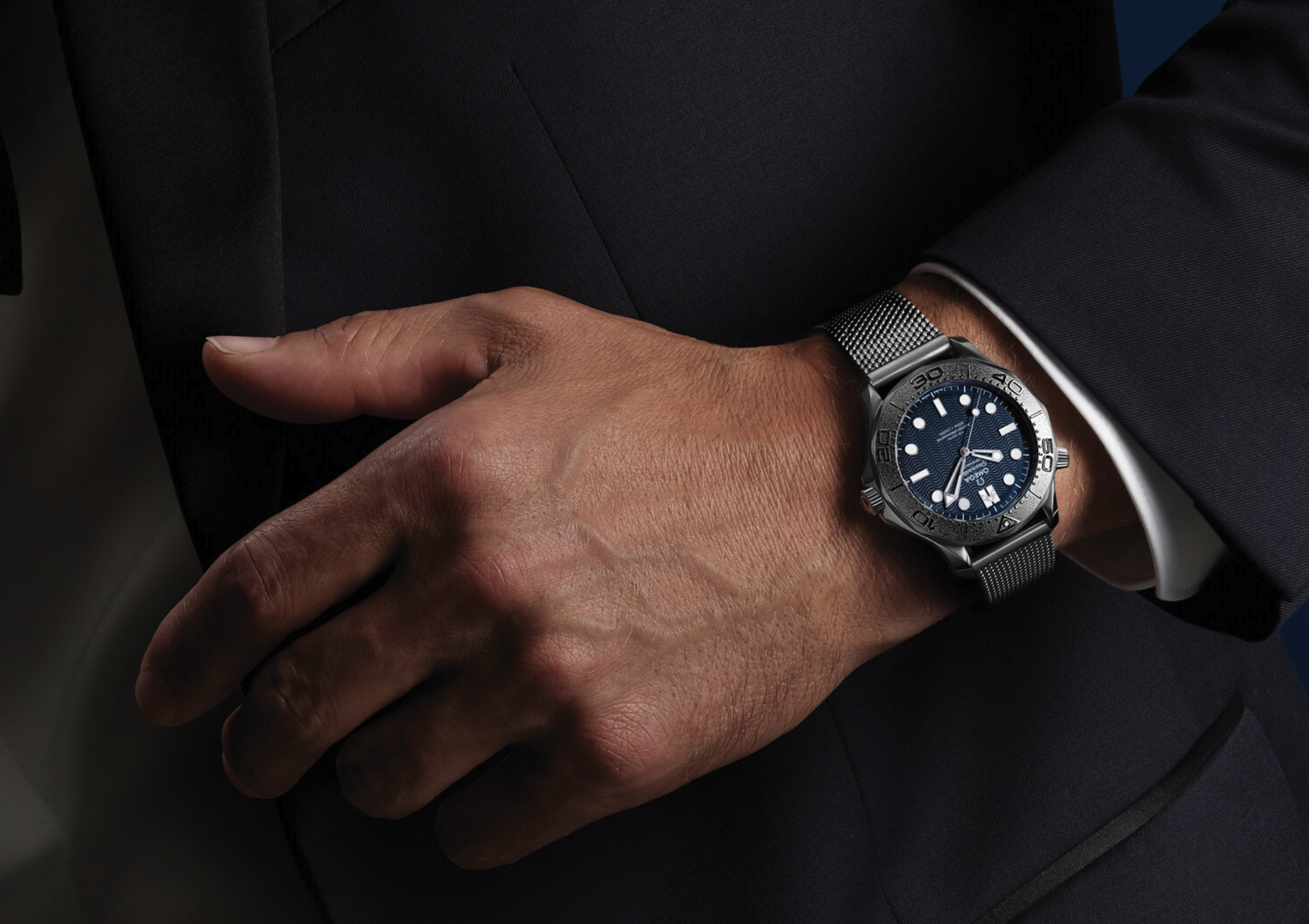
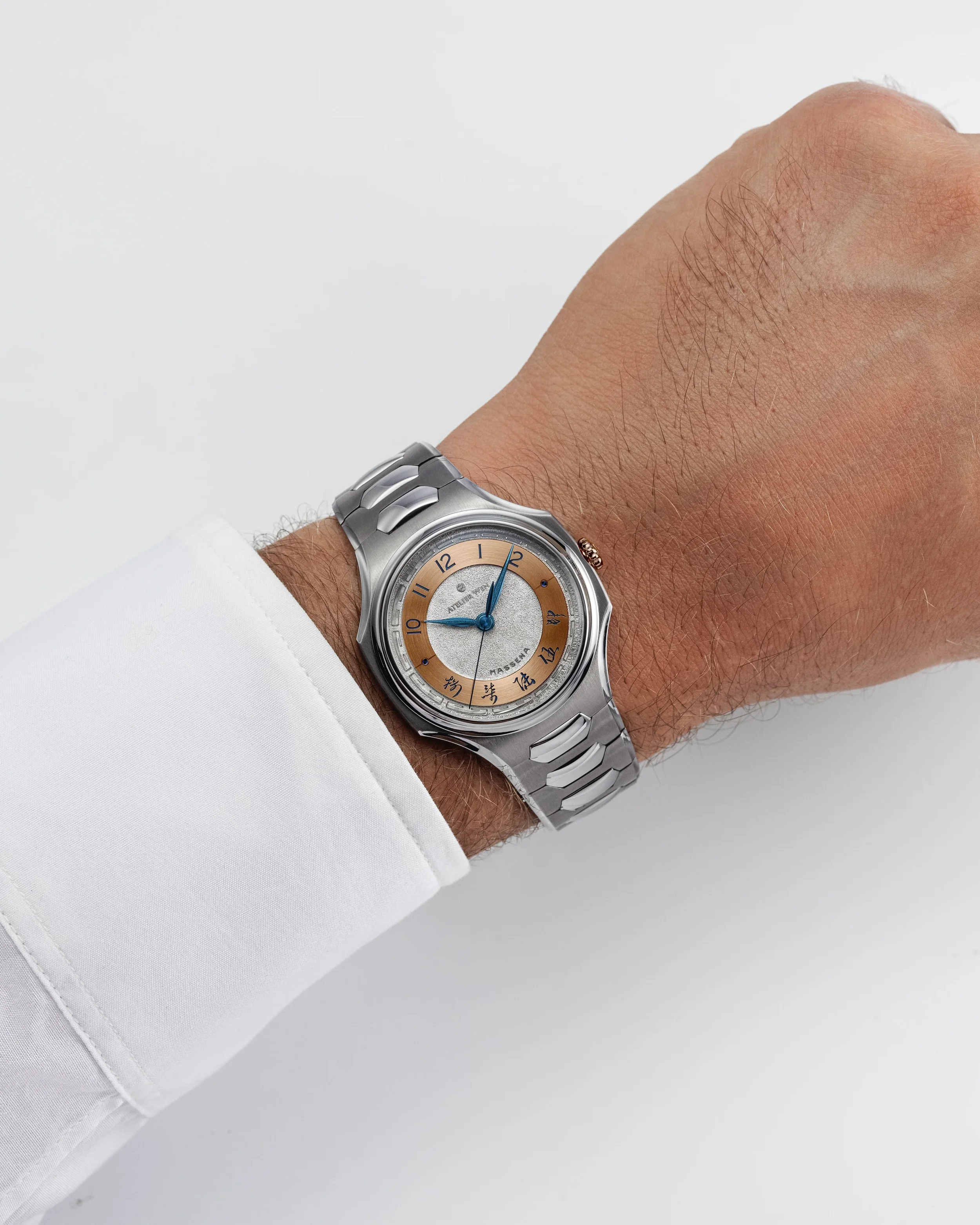
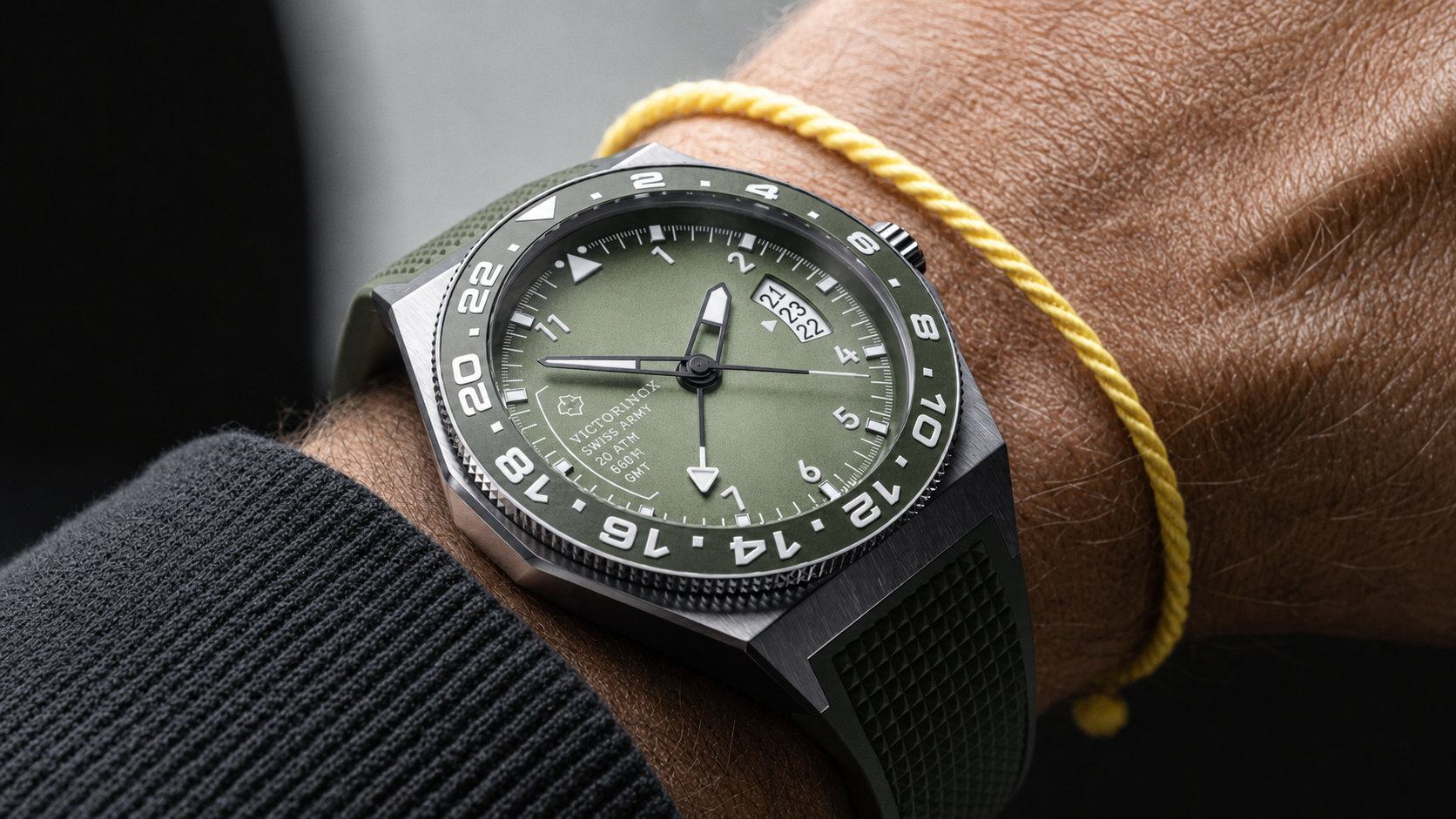
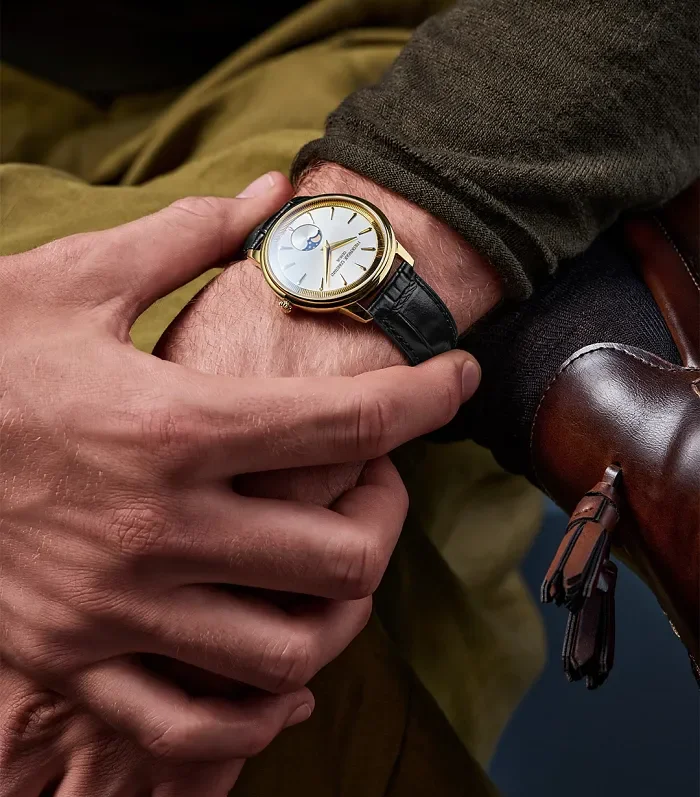
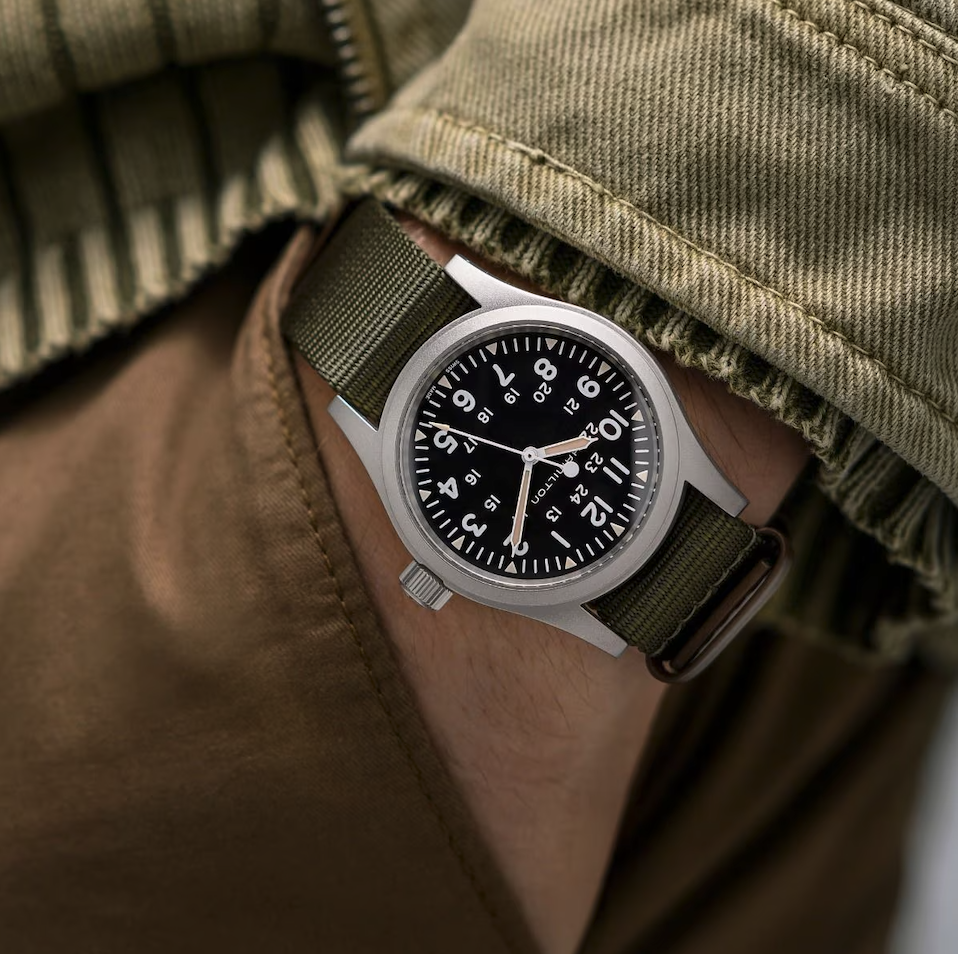
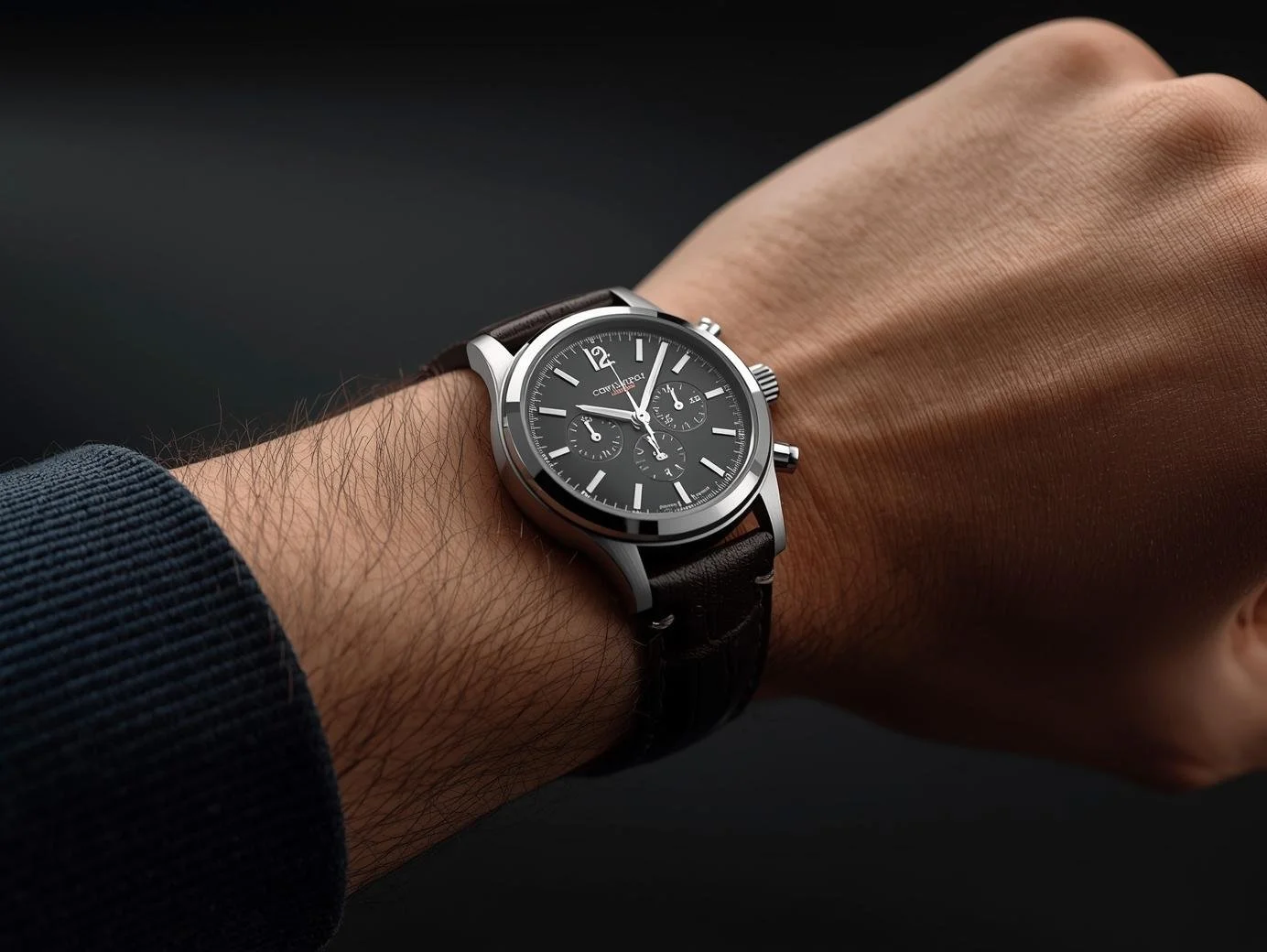
The most natural position is just above the wrist bone, where the case sits a fraction higher than the joint. It stays stable as you move and will not dig into your sleeve. If you push it lower, it clashes with your hand movement. Too high, and it starts looking like jewellery.
If your watch is particularly thick or you wear tighter cuffs, edging it slightly closer to your cuff line can help it slip neatly underneath. Just do not let the lugs creep too far up your forearm. That is a visual red flag every time.

2. Fit: Tight Enough to Stay, Loose Enough to Breathe
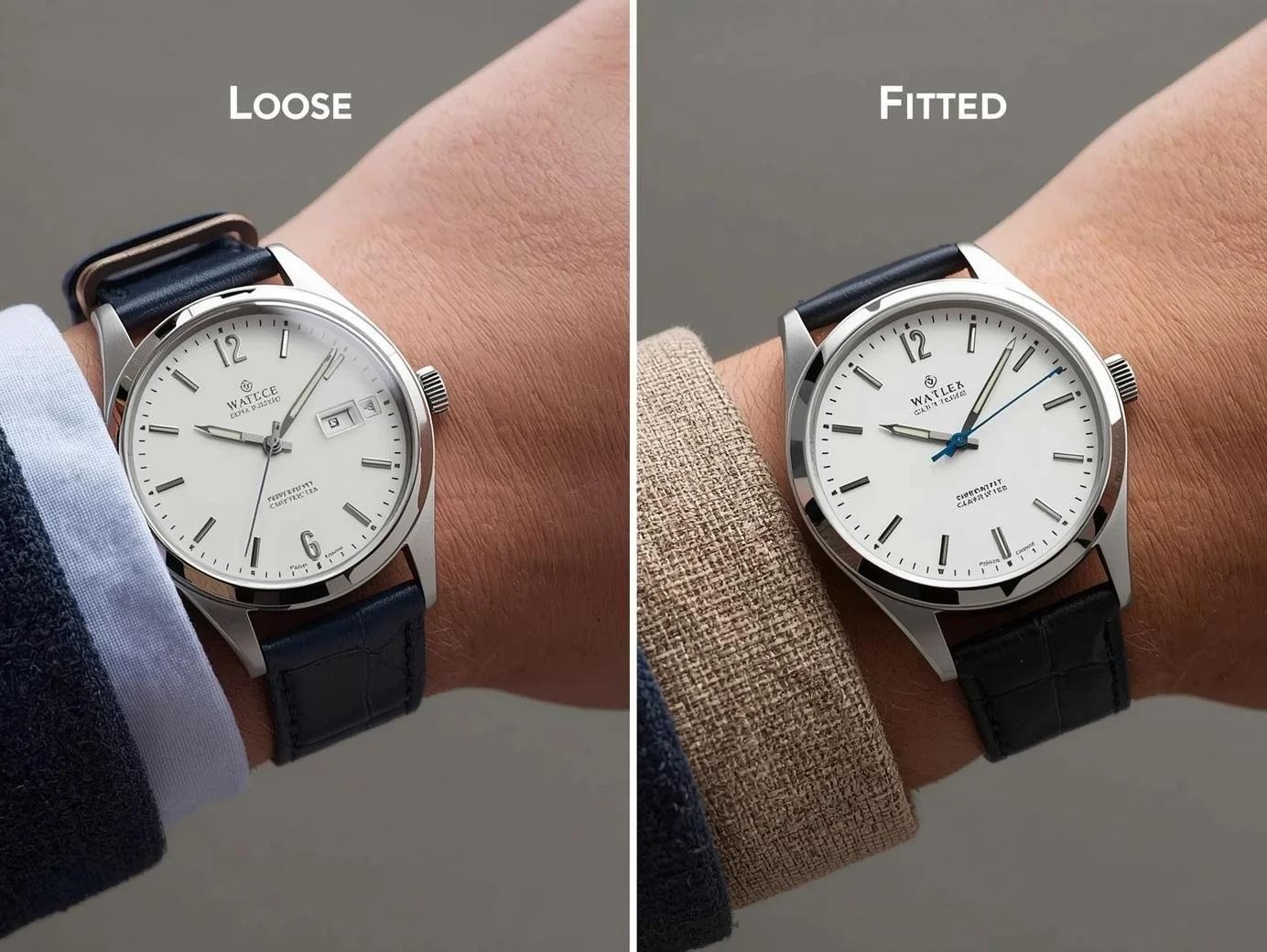
There is a sweet spot for how snug your watch should be. Too tight, and your circulation protests. Too loose, and it flops around like a chain bracelet.
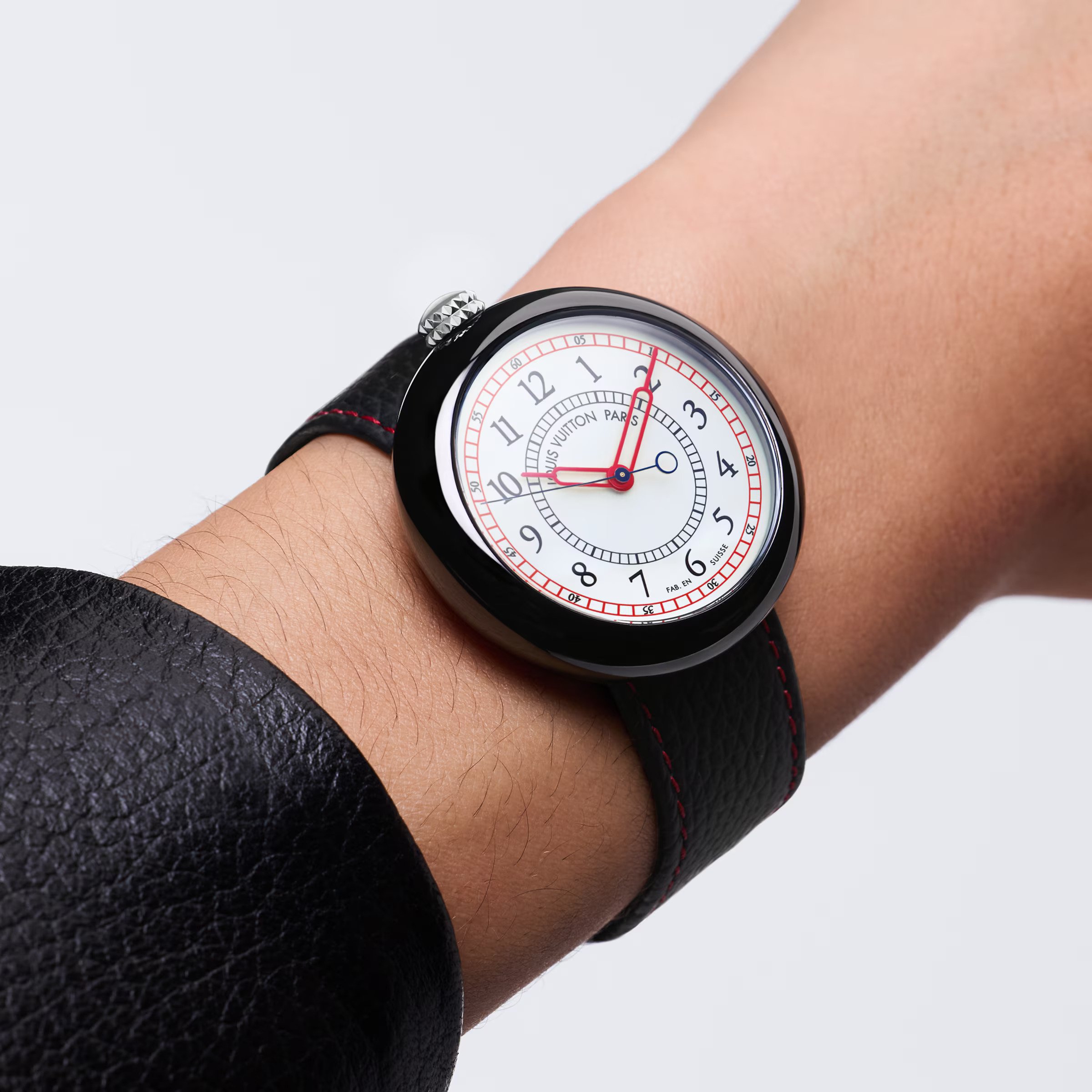
A quick test: can you slide one finger comfortably between the strap and your wrist? If yes, you are in the right zone. Two fingers mean it is too loose. The ideal fit lets the watch shift slightly when you flex, but never spin all the way round.
For leather straps, add an extra hole or two for seasonal comfort. On bracelets, a good clasp with micro-adjustments can save you a world of faff on humid days.
3. Case Size: Match It to Your Frame, Not Your Ego
It is tempting to think bigger equals better, but in the real world, proportion beats presence every time. The perfect size is the one that sits naturally and does not fight your wrist.
If you have an average or broader wrist, something in the 38 to 42 mm range is spot on. Larger cases can work, so long as the lugs curve neatly and the watch is not too tall. Smaller wrists benefit from sub-38 mm designs or cushion cases that hug the wrist nicely.
Do not forget lug-to-lug measurement. A 39 mm watch with long lugs can feel larger than a 41 mm with short, curved ones. Always measure how far the case stretches before you fall for the dial.

4. Strap Style: Comfort Meets Character
Your strap defines how your watch feels and what it says about you. It is the handshake of your timepiece.
Leather: Timeless and tactile. A slim calf or gator strap can elevate any outfit, while thicker stitched leather adds substance and casual flair.
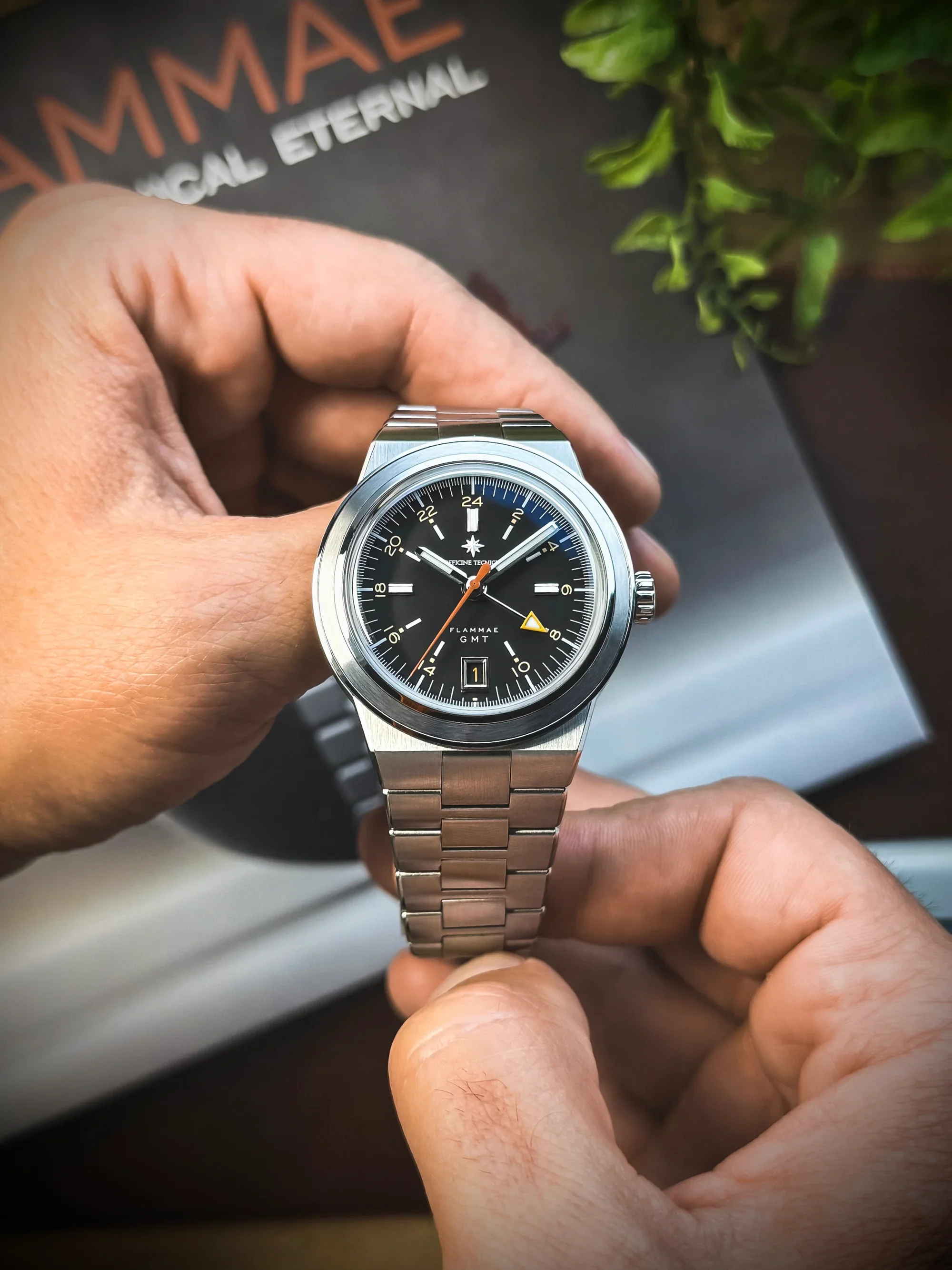
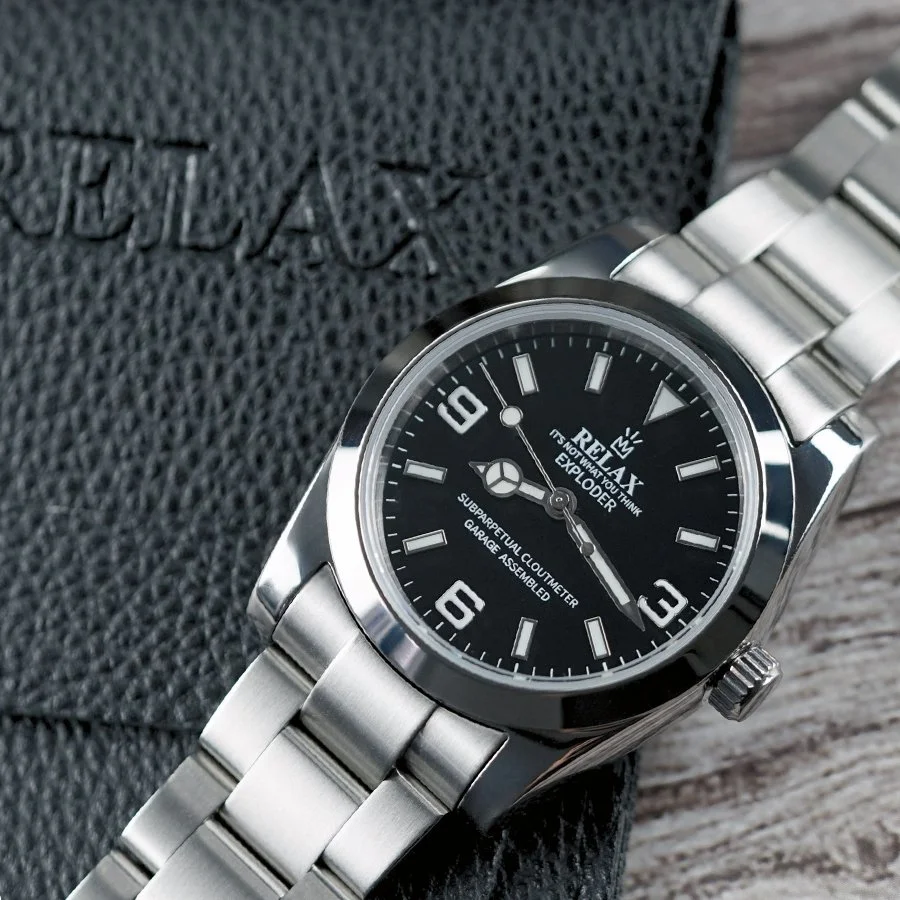
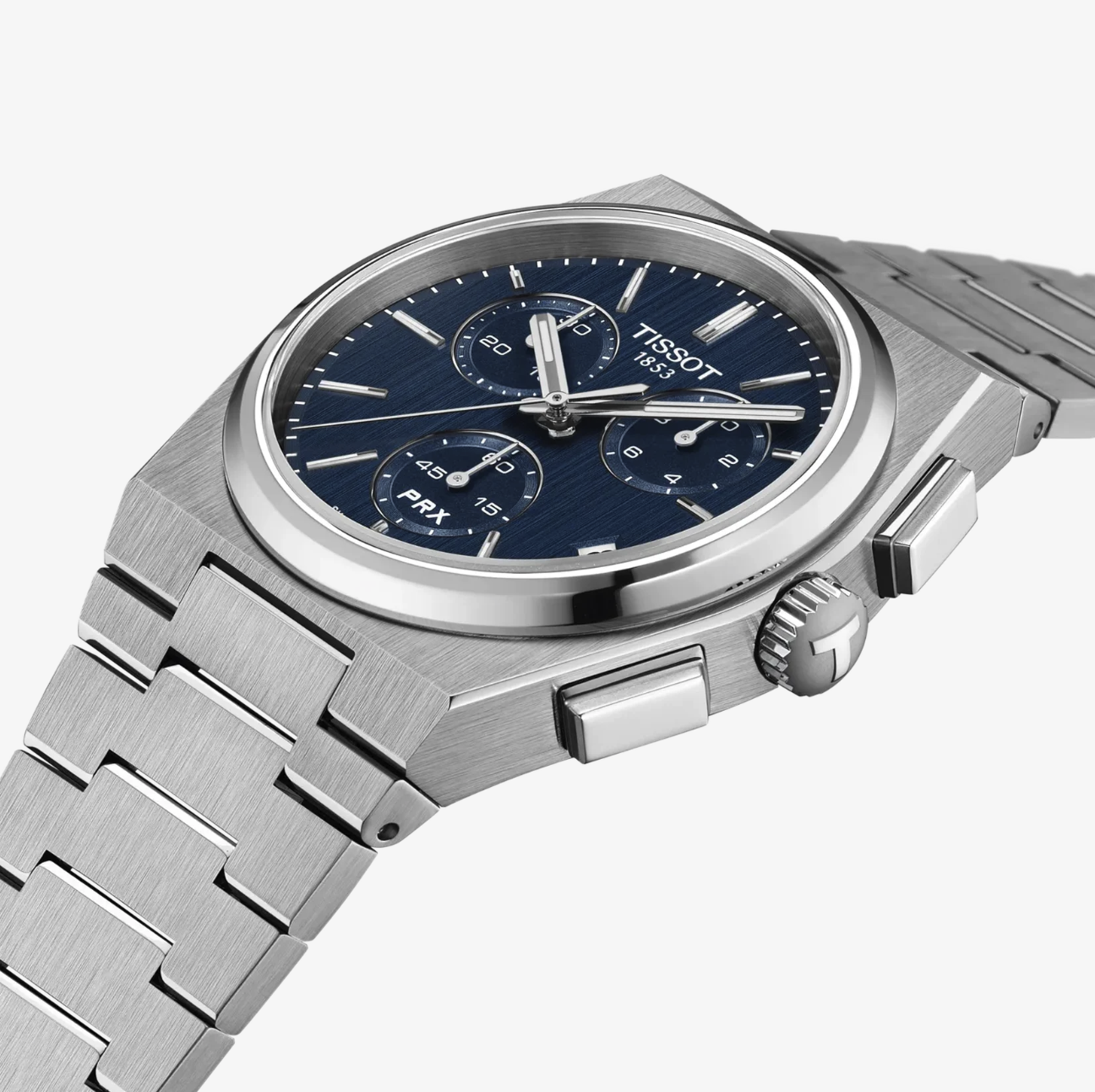
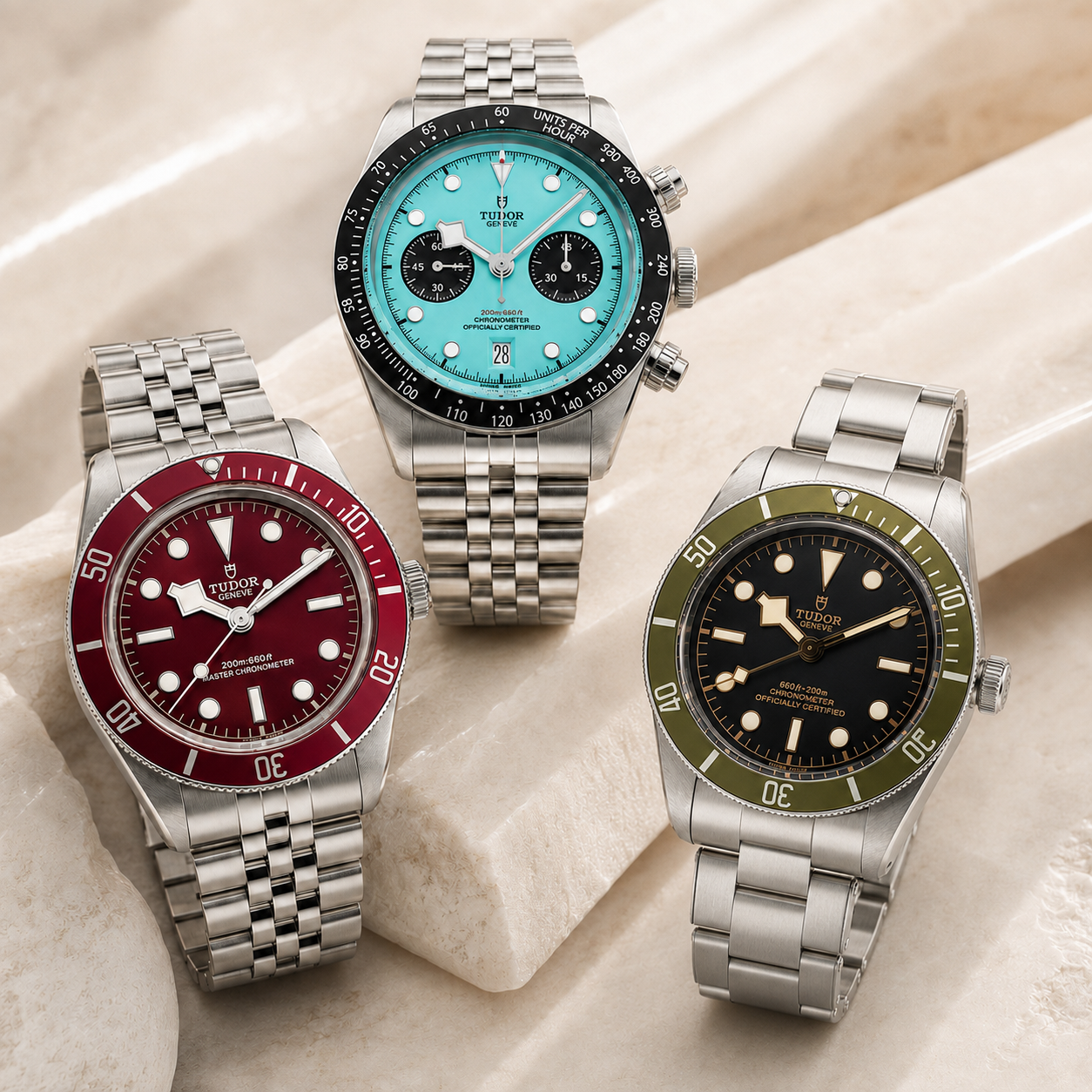
Bracelet: Smart, durable and versatile. Look for a gentle taper and smooth articulation so it drapes, not clunks.
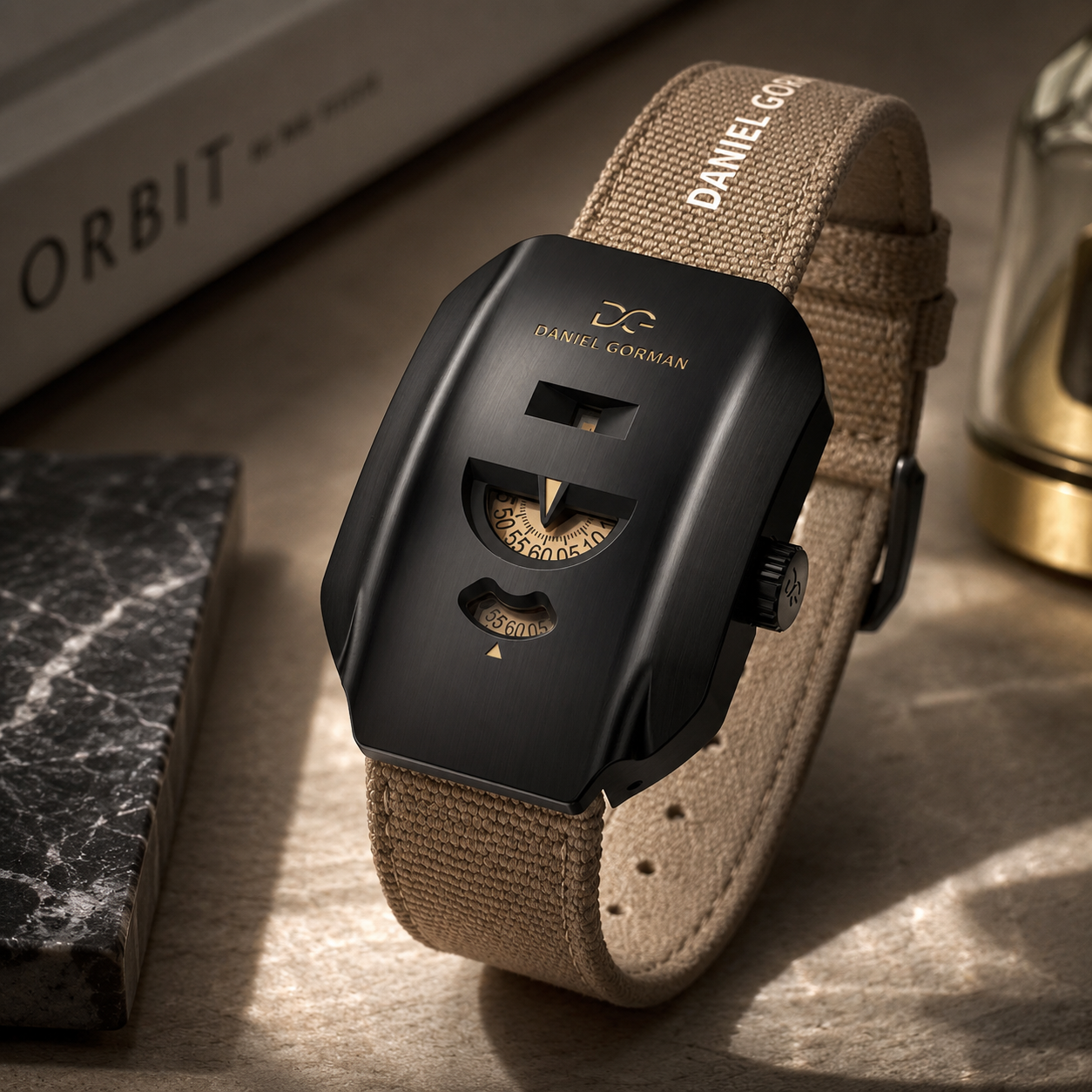
Fabric, NATO or Rubber: Relaxed and practical. Great for weekends, sport or travel. Keep them snug to prevent wobble.
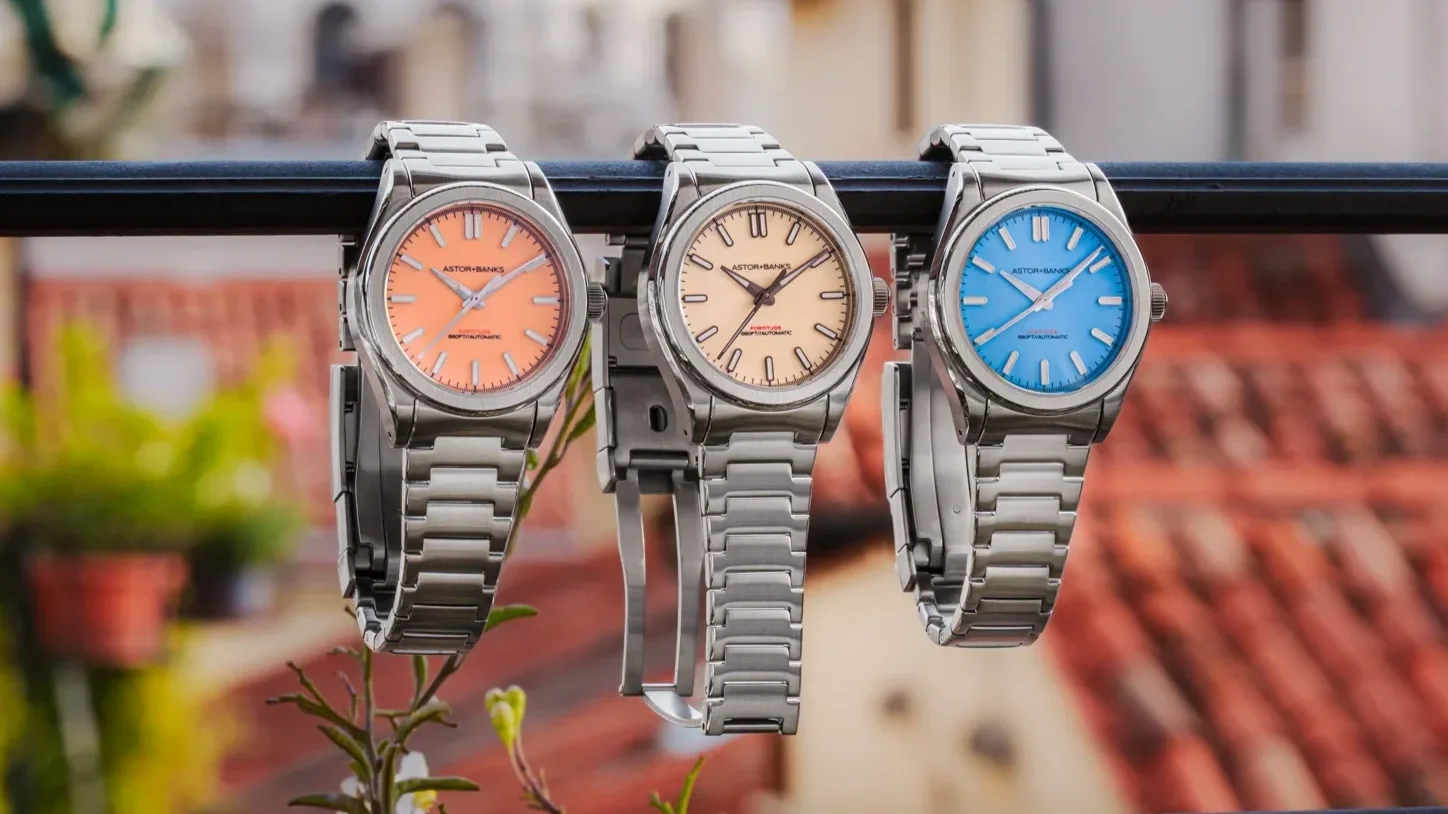
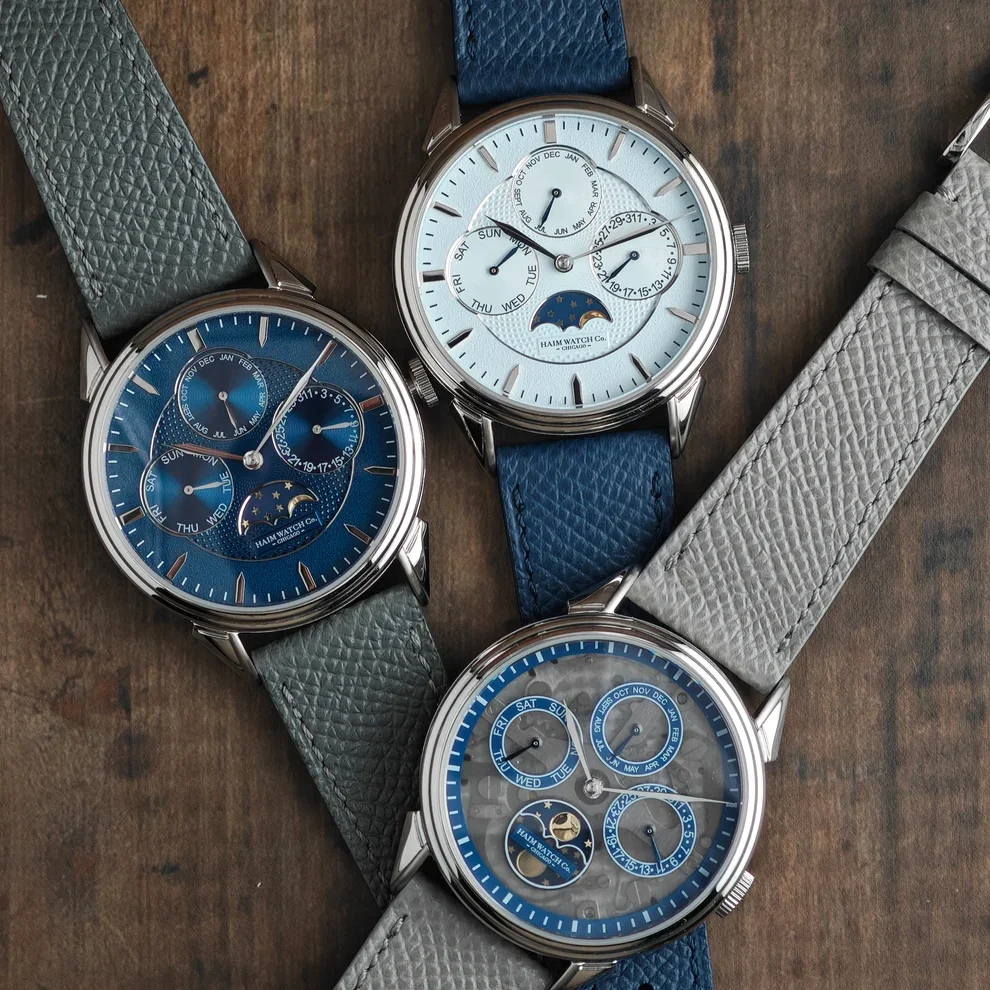
Do not be afraid to change it up. One watch, three straps, three completely different looks.
5. Under the Cuff: Know When to Hide or Show
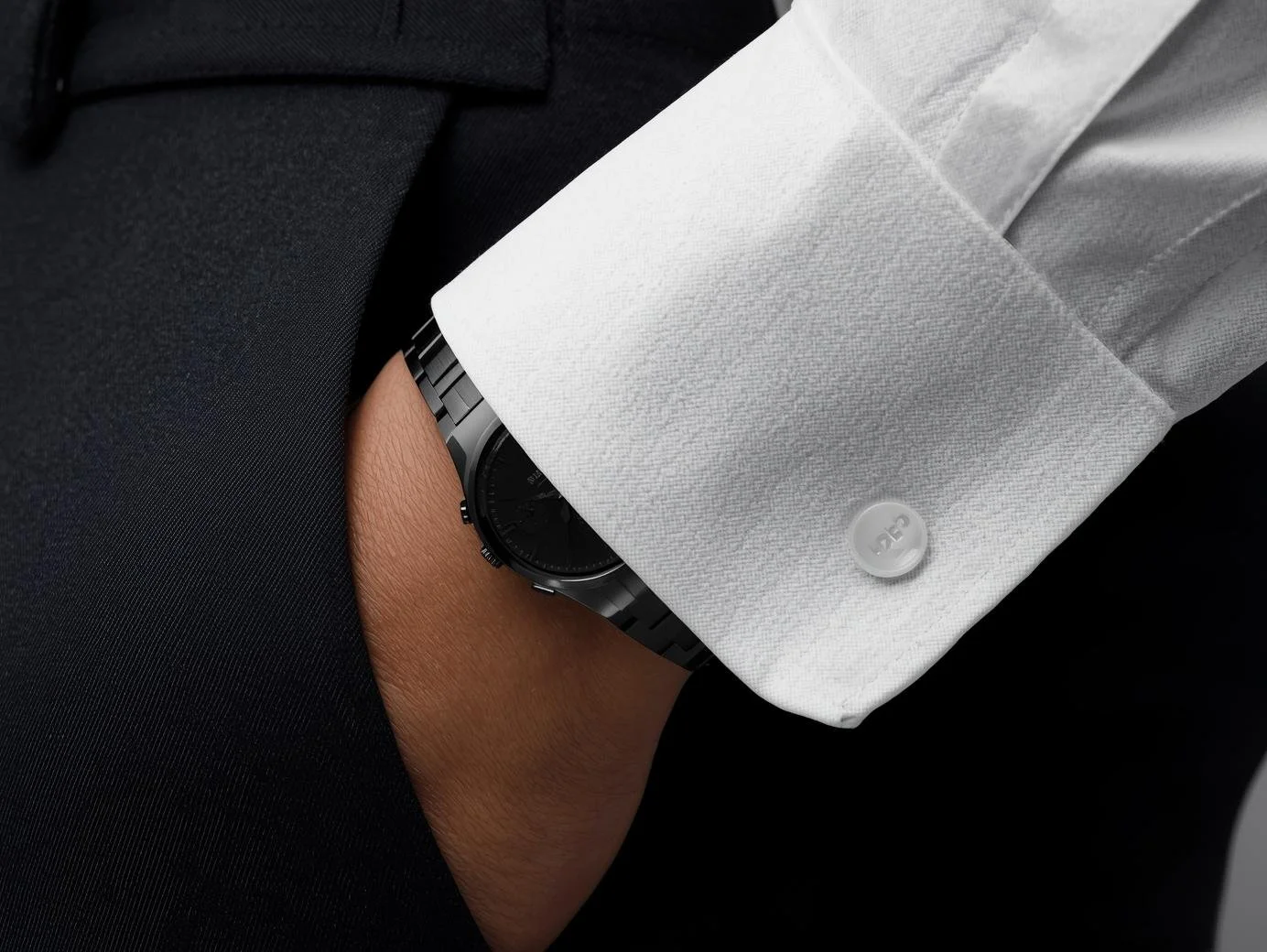
If you wear shirts often, pay attention to how the watch plays with your cuff. Under formalwear, thinner watches, ideally 8 to 12 mm thick, glide under fabric easily. A bulkier diver trying to squeeze under a double cuff just looks clumsy.
Sometimes though, you do want a glimpse to show. That half-peek at the crown when you move your wrist? Effortlessly intentional. Just make sure it happens naturally rather than by rolling your sleeve back.
Always test how it feels in the real world. Try it with your actual shirts or jackets. The boutique mirror never tells the full story.
6. Colour, Finish and Context
How your watch interacts with your wardrobe matters more than most admit. A mirror-polished gold case under soft natural light is stunning, but pair it with a navy linen suit and it might scream too loudly.
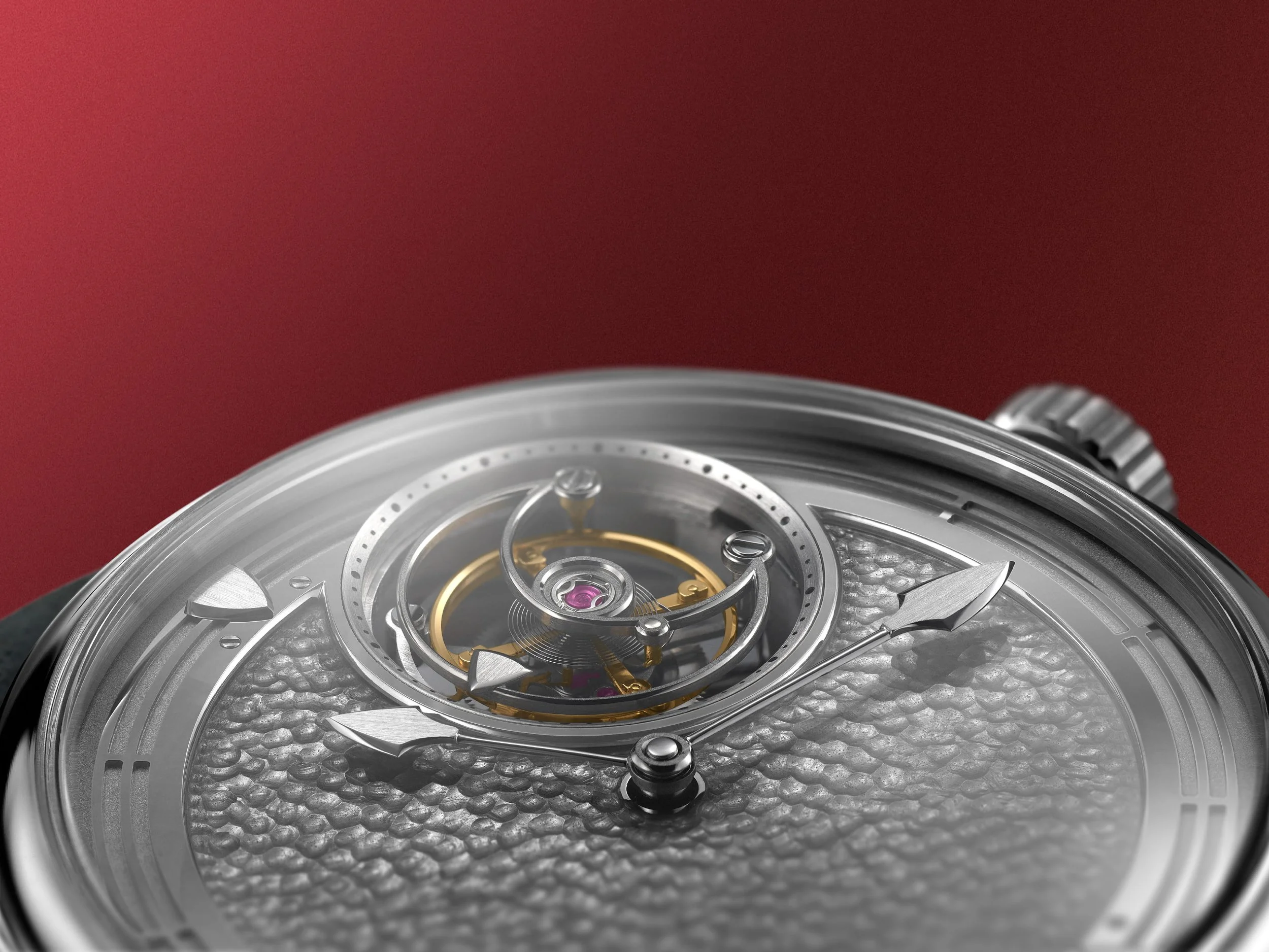
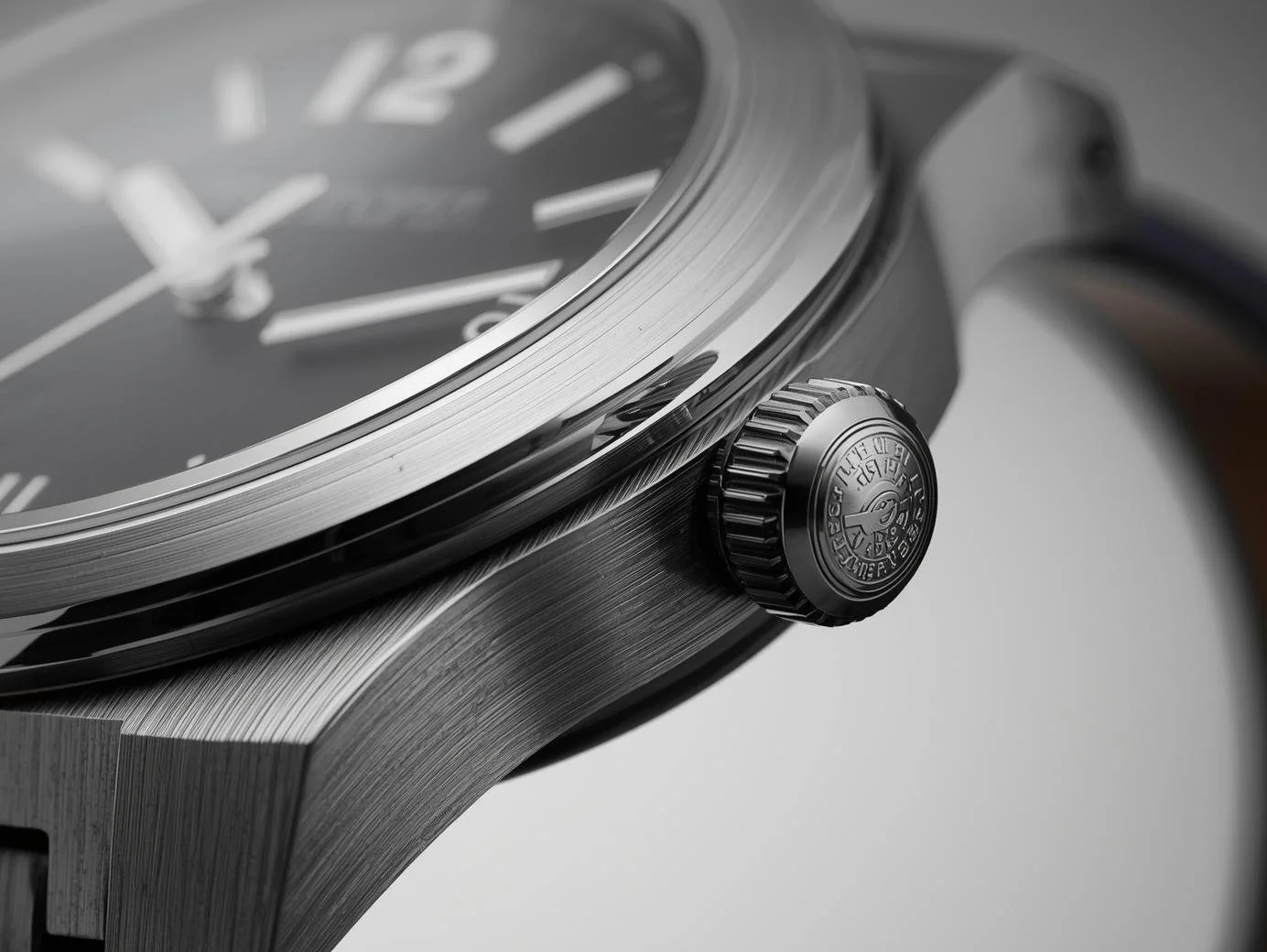
Matte, brushed or bead-blasted finishes tend to work best day-to-day. They hide scratches, look more modern and feel grounded. If you are often in formal settings, choose a watch with subtle polish accents that catch the light without blinding everyone at the table.
For weekend wear, muted tones, textured dials and rugged straps tell the story of someone who knows their watches but does not need to prove it.
Final Thoughts
Wearing a watch is equal parts fit, feeling and finesse. Get it right, and it disappears into your day until someone notices it for all the right reasons.
If I were in your shoes, beard, business, experience and all, I would go for balance: a 40 mm case, a comfortable strap, modest height and an understated dial. Because the best watches are not loud. They just belong.
Like what you’ve read?
Take a look at our other reviews, press releases and topical blogs.